How to grow goldfish plants? Master these six cultivation methods
Goldfish plants are mostly grown in hanging baskets, but ordinary pots can also be used. Generally, it is best to place them in a sunny spot, but provide appropriate shade when the midday sun is too strong, and just keep the soil surface slightly moist. Below, let's take a specific look at the cultivation methods for goldfish plants.
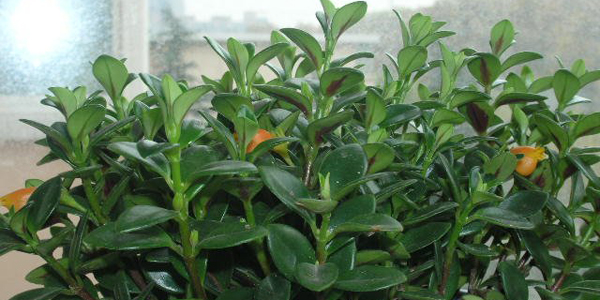
1. Light: Spider plants are sensitive to light. If exposed to direct sunlight in summer and autumn, the leaves will turn yellow and withered, and the entire plant may even die. In winter, since the sunlight is not strong, spider plants can be allowed to receive some direct sunlight.
2. Temperature: The optimal growing temperature for spider plants is 15—25°C. In Guangdong, the temperatures in spring, summer and autumn are all suitable for spider plant growth, but if the winter temperature drops below 5—7°C, attention must be paid to cold protection and insulation.
3. Watering: Spider plants like water. During the peak growing season, the potting soil should be kept completely moist. During the winter dormant period, water again only after the top approximately one centimeter of potting soil has dried. If the soil is too dry, the leaf cluster will temporarily fade in color and only recover its original color after watering again, while the leaf tips may permanently turn brown, greatly reducing their ornamental value. Spider plants also like higher air humidity, so during the dry summer and autumn climate, measures such as misting should be used to increase the air humidity around the plant; otherwise, the leaf tips or edges may also become scorched. #p#Subtitle#e#
4. Fertilizing: For spider plants that have already begun to produce small plantlets, a nitrogen-based top dressing can be applied once every half month.
5. Soil: Spider plants are suitable for loose, fertile sandy loam soil.
6. Propagation: Spider plants are generally propagated by division or by directly planting young plantlets with aerial roots cut from the flower scapes at any time
Goldfish plant Goldfish plant cultivation methods
Goldfish plant, also called goldfish flower, belongs to a type of spider plant. Today, the editor will briefly introduce the goldfish plant and its cultivation methods.
Goldfish plant, also called kangaroo flower, and also known as goldfish flower, likes warm, humid, and semi-shaded environments. It is highly adaptable, relatively drought-tolerant, and not very cold-tolerant. It is not selective about soil and grows best in well-drained, loose, fertile sandy loam. It is not strict about light and generally grows suitably under medium light conditions, and also tolerates weak light. The optimal growing temperature is 15-25°C, and the overwintering temperature is 5°C.
Goldfish plant cultivation methods
Goldfish plants are mostly grown in hanging baskets, but ordinary pots can also be used. Generally, it is best to place them in a sunny spot, but provide appropriate shade when the midday sun is too strong, and just keep the soil surface slightly moist.
Light: Goldfish plants are sensitive to light. If exposed to direct sunlight in summer and autumn, the leaves will turn yellow and withered, and the entire plant may even die. In winter, since the sunlight is not strong, spider plants can be allowed to receive some direct sunlight.
Temperature: The optimal growing temperature for goldfish plants is 15-25°C. In Guangdong, the temperatures in spring, summer and autumn are all suitable for spider plant growth, but if the winter temperature drops below 5-7°C, attention must be paid to cold protection and insulation.
Watering: Goldfish plants like water. During the peak growing season, the potting soil should be kept completely moist. During the winter dormant period, water again only after the top approximately one centimeter of potting soil has dried. If the soil is too dry, the leaf cluster will temporarily fade in color and only recover its original color after watering again, while the leaf tips may permanently turn brown, greatly reducing their ornamental value. Spider plants also like higher air humidity, so during the dry summer and autumn climate, measures such as misting should be used to increase the air humidity around the plant; otherwise, the leaf tips or edges may also become scorched.
Fertilizing: For goldfish plants that have already begun to produce small plantlets, a nitrogen-based top dressing can be applied once every half month.
Soil: Goldfish plants are suitable for loose, fertile sandy loam soil.
Propagation: Goldfish plants are generally propagated by division or by directly planting young plantlets with aerial roots cut from the flower scapes at any time.
Precautions for goldfish plants
Goldfish plants are sensitive to light and cannot be exposed to direct sunlight; in winter when the sunlight is not strong, they can receive appropriate exposure. When goldfish plants lack water, it can also cause leaf drop or turn the leaves brown, affecting their appearance, so water them promptly. When the summer and autumn climate is dry, misting should be carried out to increase the air humidity around the plant; otherwise, excessive dryness may cause the leaf tips or edges to become scorched. Do not fertilize during the flowering period of goldfish plants. After the flowers fade, pruning and shaping should be carried out.
When does the goldfish plant bloom?
Sometimes the flowering time of goldfish plants that gardening enthusiasts see is only theoretical. For example, according to theory, the flowering time of goldfish plants should be around winter, but based on the author's actual observation of the flowering times of goldfish plants from enthusiasts across the country, it is completely different. Below are the flowering periods of goldfish plants in several enthusiasts' homes: Enthusiast A blooms at the end of March; Enthusiast B blooms from early April to May 13; Enthusiast C blooms in June; Enthusiast D blooms in October; Enthusiast E blooms on December 29. From the above flowering periods of goldfish plants, it can be seen that the flowering time of goldfish plants varies according to different regions and environmental differences.
The above is the content about goldfish plants introduced by the editor, hoping it can help you. For more related information about goldfish plants, please continue to follow us.
How to grow goldfish plants_ Goldfish plant cultivation methods and precautions
Goldfish plant is also called goldfish flower, kangaroo plant, kangaroo flower, hanging goldfish, and so on. It is a perennial herbaceous plant belonging to the genus Nematanthus in the family Gesneriaceae. The base of the goldfish plant is semi-woody, the leaves are dark green and relatively thick and fleshy, and the fully opened flowers have a very small mouth and a very large middle, with an orange-red color, just like a small goldfish, hence the name goldfish plant. Goldfish plants are mainly distributed in Costa Rica and Panama and have very good ornamental value. They have certain potted plant value, can be grown in pots in greenhouses and indoor wastelands, and can also be used as hanging plants for home decoration. They are a very popular plant. Below, the editor will introduce how to grow goldfish plants, as well as their cultivation methods and precautions.
[Growth habits of goldfish plants]
Goldfish plants prefer to grow in environments with sufficient sunlight, humidity, and relatively shady conditions. However, if goldfish plants are kept for a long time in an environment with sufficient sunlight, dry climate, and relatively low winter temperatures, leaf drop may occur. In winter, goldfish plants are very prone to shedding leaves, and this phenomenon is closely related to temperature. Goldfish plants are suitable for growing at temperatures of 18-22°C and are averse to low temperatures. If grown for two or three consecutive days at temperatures below 19°C, the leaves will turn yellow and dry out, and the leaves will fall off at the slightest vibration. Of course, the temperature also cannot exceed 30°C; if it is higher than this temperature, the leaves will also fall off. In hot summers, goldfish plants grow very slowly, or even stop growing. When cultivating them, we should take some shading measures so that they can grow normally, thereby improving their ornamental value.
[How to grow goldfish plants]
Goldfish plants are generally propagated by sowing, cuttings, or division. The seeds of goldfish plants are very precious, so cuttings are generally used. Propagating goldfish plants by cuttings is generally carried out in the two seasons of autumn, and a 10 cm finger sleeve can be inserted into the riverbed, keeping a certain temperature and humidity. After one month, roots can grow. After rooting, the care of the goldfish plant needs to be strengthened, and generally after two months it can be potted for cultivation.
[Cultivation methods for goldfish plants]
Goldfish plants are generally cultivated in hanging baskets, though relatively ordinary pots can also be used. They are propagated in places with sufficient sunlight, and appropriate shading should be provided when encountering afternoon sunlight, while the moisture of the soil should be maintained.
Step one: Soil: Goldfish plants like loose, fertile sandy soil, which is most suitable.
Step two: Light: Goldfish plants are very sensitive to light. In summer and autumn, if exposed to direct sunlight, the leaves will turn yellow and withered, and in severe cases the plant will die. In winter, if the sunlight is insufficient, leaf drop will occur, so appropriate direct sunlight is needed.
Step three: Temperature: Goldfish plants grow best at temperatures of 15-25°C. In winter, the temperature cannot be lower than 5-7°C, so cold protection measures must be taken.
Step four: Humidity: Goldfish plants like relatively high air humidity. In the dry summer and autumn, spraying water can be used to increase the humidity in the air around the plant; otherwise, the tips or edges of the leaves may become scorched.
Step five: Watering: Goldfish plants like to grow in humid environments. During the peak growing season, the moisture of the potting soil should be maintained. During winter dormancy, watering should only be done when the top 1 cm of the potting soil is dry. If watering is insufficient, it will cause the leaves to fade, greatly reducing their ornamental value. Although the leaf color will recover when watered again, the color on the leaf tips will always remain brown.
Step six: Fertilizing: Goldfish plants do not have particularly high fertilizer requirements. Just applying nitrogen fertilizer once every half month is enough for normal growth.
[Cultivation methods and precautions for goldfish plants]
The cultivation methods for goldfish plants are relatively simple. As long as you follow the cultivation methods introduced by the editor step by step, you can grow goldfish plants very well. The above is the editor's introduction to how to grow goldfish plants, as well as the cultivation methods and precautions for goldfish plants. We hope it brings you some gains. Thank you for reading.
More related information: How to grow Chinese yew Spruce pictures Red-leaf ornamental peach Kuding tea pictures How much does a rhododendron plant cost