Is Dieffenbachia Poisonous? Water Culture Methods and Precautions
When it comes to Dieffenbachia, many people like to grow it. Once you grow Dieffenbachia, it will look the same all year round. Let's see whether Dieffenbachia is poisonous and whether it can be grown in water:
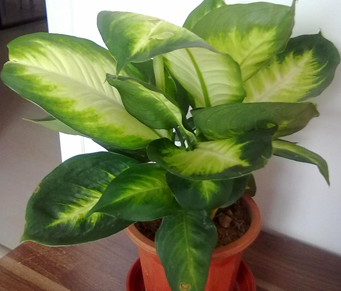
Is Dieffenbachia poisonous:
Dieffenbachia is somewhat toxic, but like most potted plants, it has the function of purifying the air. Growing it indoors not only makes the indoor environment greener and more serene, but indoor waste gases will also be reduced.
In addition, Dieffenbachia also has certain medicinal value. Its rhizomes and leaves can be used as medicine, for preventing and treating diphtheria and the myocarditis it causes, sore and swollen throat, and rabies bites.
From the perspective of feng shui, Dieffenbachia is a symbol of good fortune, health and longevity, wealth, and peace. Even though it is toxic, everyone can still plant it indoors with care.
Can Dieffenbachia be grown in water:
Dieffenbachia can also be grown in water. Growing Dieffenbachia in water requires mastering the following precautions:
1. Wash the roots of soil-grown Dieffenbachia clean, and prune the old roots appropriately;
2. Prepare a nice-looking vase, preferably transparent;
3. Put the Dieffenbachia into the vase, add water, and note that the water level must not be too high; let part of the Dieffenbachia's roots be exposed;
4. Before the water-grown Dieffenbachia roots, do not change the water frequently; changing the water once a month is enough. After rooting, change a small amount of water and add a small amount of water at the same time, so the plant can better adapt to the environment in the water;
5. Every half month, add a few drops of nutrient solution to the water to promote root growth.
Dieffenbachia is somewhat toxic, and this needs attention. Dieffenbachia can also be grown in water. When growing it in water, nutrient solution must be added for Dieffenbachia to live better.
Is Dieffenbachia (spotted-leaf Dieffenbachia) poisonous? Can it be grown in water?
Spotted-leaf Dieffenbachia is a toxic plant included in the Chinese Plant Atlas Database. The whole plant is toxic, with the stem being the most toxic, followed by the petioles and leaves. This plant is the most toxic plant in the Araceae family. When its sap contacts the skin, it causes itching and dermatitis; swallowing a small piece of the stem causes extreme stinging of the throat and leads to vocal cord paralysis, hence the name "dumb cane." It also causes burns, edema, and heavy drooling of the lips and tongue, affecting swallowing and breathing. Symptoms can last for several days or more than a week, and in severe cases swelling of the tongue can cause suffocation. Sometimes nausea, vomiting, and diarrhea occur.
Spotted-leaf Dieffenbachia can be grown in water in a bottle, but this should be done during the summer growing period, which is good for rooting. Choose a wide-mouthed tall bottle for a hanging bottle arrangement, make a cross-shaped divider at the bottle mouth to hold the inserted stems in place. Cut curved stems and upright stems and insert them into the bottle in a high-low drooping arrangement. Generally, after 10~20 days, many white tender roots will grow from the stem nodes. After that, change the water containing urea once every 7~10 days, which can keep the leaves lush and green for a long time. In winter, stop fertilizing in the bottle, place it in a sunny spot, and as long as the room temperature is above 15 degrees, water culture can also overwinter safely.
Is spotted-leaf Dieffenbachia poisonous? Can it be hydroponically grown?
Spotted-leaf Dieffenbachia is a plant that many people like to grow. The leaves of this spotted-leaf Dieffenbachia are quite nice-looking when they grow. Is this spotted-leaf Dieffenbachia poisonous? Can spotted-leaf Dieffenbachia be hydroponically grown:
Is spotted-leaf Dieffenbachia poisonous:
1. Many people may know about spotted-leaf Dieffenbachia, and may not even know that it is itself toxic. This plant is also a toxic plant included in China's plant atlas database. After accidentally eating the branches and leaves of spotted-leaf Dieffenbachia, it will cause swelling and pain in the mouth, throat, esophagus, and gastrointestinal tract, and may even damage the vocal cords, making a person mute. It may also cause burns, edema, and heavy drooling of the lips and tongue, affecting swallowing and breathing. Attention should be paid. Symptoms like these can last for several days or more than a week. In severe cases, swelling of the mouth and tongue can cause suffocation, and sometimes nausea, vomiting, and diarrhea occur.
2. So when accidentally poisoned, the first thing is to immediately carry out the relevant treatment. Therefore, for families with children, extra care must be taken when growing spotted-leaf Dieffenbachia. Also, when doing cuttings, do not let the sap contact the skin, and even more so do not let it get into the mouth, otherwise it will cause skin itching and pain or other poisoning phenomena. After the operation, wash hands with soap.
3. Generally speaking, only when contacting the sap of the spotted-leaf Dieffenbachia plant will the contacted skin have an allergic reaction, producing patches or a very itchy feeling; if you scratch it carelessly, it will be worse. Generally, the tissue fluid in the stem is the most toxic. Too much contact can cause hair loss, and if accidentally taken by mouth, it can be life-threatening. If it accidentally gets into the eyes, it may cause temporary blindness. Once you contact the sap of spotted-leaf Dieffenbachia, immediately rinse with clean water.
Can spotted-leaf Dieffenbachia be hydroponically grown:
Yes, it can be hydroponically grown.
1. After growing it in water, note to place it under conditions of bright scattered light. If the light is too strong, the leaf surface will become rough, and the leaf margins and leaf tips are prone to scorching, or even large-area burns; if the light is too weak, the yellow-white patches will turn green.
2. Keep the environmental humidity at 80%, and frequently spray water on the leaf surface. If water is not sprayed for a long time, the leaf surface will become rough and lose its luster.
3. In hot summer, switch to clean water culture and increase the frequency of water changes.
4. Spraying foliar fertilizer can make the leaf color bright and beautiful.
Spotted-leaf Dieffenbachia is poisonous, so attention should still be paid when growing it. This spotted-leaf Dieffenbachia can be used for hydroponic culture.