What are the cultivation methods and precautions for Peperomia?
Peperomia is a green succulent plant that is very suitable for growing indoors. Its color is bright and its green is quite natural. Below, let's take a look with the editor at the cultivation methods of Peperomia!
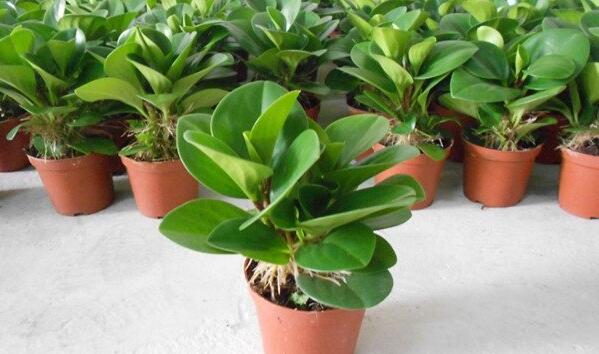
Cultivation methods of Peperomia:
1. Soil: This plant prefers fertile, well-drained sandy soil, because when cultivating this plant, you can mix leaf mold, river sand, and a small amount of organic fertilizer together, and then use it as the growing soil.
2. Temperature: This plant likes to grow in a warm environment, so keeping the temperature at 20—30 degrees is sufficient. In winter, it is best to keep it above 10 degrees, otherwise it will be damaged by freezing if it drops below that.
3. Light: It stays in semi-shade or a spot with a little sunlight, so apart from keeping it in full sunlight in winter, you should pay attention to shading it from sunlight in the other three seasons.
4. Water: It is suitable for growing in places with sufficient moisture, so ensure high air humidity, and also water it moderately and frequently, but avoid excessive water causing its death.
5. Fertilization control: Decide the amount and frequency of fertilization according to the temperature. If the temperature is above 18 degrees, fertilize less. If it is below 18 degrees, try not to fertilize at all. It is best to fertilize in small amounts and multiple times to facilitate nutrient absorption.#p#Subtitle#e#
Precautions for cultivating Peperomia:
1. When the plant height is about 10 cm, pinch off the growing tips to promote the sprouting of side branches and make the plant fuller. The care and management of Peperomia is relatively simple. In summer, it can be placed in a shaded spot with scattered light for care.
2. Peperomia is robust by nature, and cultivation and care are relatively simple. In spring, summer, and autumn, it must be kept shaded. In winter, it can receive slanting sunlight. Its leaves are thick and fleshy, covered with a waxy layer, with strong water storage capacity and low transpiration, so even during the peak growing season it does not need too much water. During spring droughts and when indoor heating is sufficient in winter, indoor air humidity should be increased, and you can spray water on the leaf surface. In the muggy summer, ventilation should be strengthened, otherwise leaves are prone to dropping.
3. In daily management, pay attention to moderate light and reasonable fertilizer and water. Peperomia likes a shaded, cool, and humid environment and grows better under scattered light. In spring and autumn, when the climate is mild and sunlight is not too strong, the potted plant can be placed outdoors. But in summer it must not be exposed to strong direct light, especially not placed in a spot with western sun exposure, otherwise the branches and leaves will turn yellow. Therefore, in summer, the pot needs to be moved to a cool, shaded place such as a balcony or corridor, or placed indoors, which can both avoid sunlight exposure and decorate the interior.
4. Peperomia is not tolerant of frost, so after late autumn it should be moved indoors for cultivation. In severe cold winter, place it as much as possible in a sunny spot by a south-facing window. It can overwinter safely at a room temperature of 5°C. Fertilizer and water management are also very important. Generally, plants 2 to 3 years old grow and develop better. Plants over 3 years old gradually decline in vigor and should be considered for renewal. In addition, in order to keep the leaf color emerald green, they need to be renewed after 3 years.
How to grow Peperomia, cultivation methods and precautions for Peperomia / Avoid direct sunlight
Peperomia is an ornamental plant originating from China, and it can be seen in many regions of the country. However, if you want to grow this plant, there are many points that need attention. Regarding how to grow Peperomia? What are the cultivation methods and precautions for Peperomia? Below, the editor will take everyone through it.
I. How to grow Peperomia, understand its habits
If you want to know how to grow Peperomia, we first need to understand its growth habits. This plant likes to grow in a warm and humid environment and is relatively intolerant of strong light, so we had best place it in a spot with scattered sunlight for cultivation. In summer, when sunlight is strong, we need to shade it. In addition, watering, fertilizing, and other aspects are also relatively important points. Friends who want to know the details can continue reading below.
II. Cultivation methods and precautions for Peperomia
1. Soil selection, loose, fertile, and well-drained
For soil-grown plants, besides needing careful care, the most important thing is their soil. Only when suitable soil is selected can they grow vigorously; otherwise, they may grow poorly. Peperomia relatively likes loose and fertile humus soil, because this kind of soil has good drainage and can help its growth.
2. Fertilization requirements, once every month
Fertilizer is one of the main nutrients in the growth process of Peperomia, especially after it enters the growing period, when its demand for nutrients is very high. Basically, it needs to be fertilized once every month so that it can have enough nutrients to grow better. However, when fertilizing, we must pay attention to one point: the fertilizer must be diluted before application to avoid burning the plant.
3. Temperature management, suitable temperature around 25°C
During the growth process of Peperomia, the environmental temperature is very important. Only by letting it grow at a suitable temperature can it grow better. The suitable growth temperature for Peperomia is around 25°C, and the lowest temperature must not be below 10°C, otherwise its growth will be affected.
4. Watering requirements, keep the soil moist / avoid waterlogging
When cultivating Peperomia, we need to water frequently, because this is a plant that relatively likes water, especially after entering summer, because the temperature is higher and water evaporates relatively quickly, so we had best water once each in the morning and evening every day. However, when watering, we still need to control the amount of water. Remember not to cause waterlogging, otherwise it can easily cause root rot.
5. Light management, avoid strong light
Peperomia does not have a very high demand for light, because it is relatively afraid of direct sunlight, so when the light is mild, we can generally grow it in a spot with scattered sunlight. When summer comes and the light is relatively strong, we need to move it indoors to a semi-shaded spot for cultivation to avoid scorching the plant.
6. Pests and diseases, chemical control
In the process of cultivating Peperomia, if we are not careful enough, it is easy for problems such as pests and diseases to take advantage of the situation. Such problems are very harmful to the plant, not only affecting its appearance, but in severe cases also causing the plant to wither and die. Therefore, when such problems occur, they must be dealt with promptly. Generally, the most direct method is chemical control, but the chemicals used for each type of pest and disease are different. For specific details, everyone can read the article on pest and disease control for Peperomia.
How to grow potted Peperomia, precautions for potted cultivation of Peperomia
The flower language of Peperomia is neutrality and justice, which must also be praise for Peperomia. Perhaps people like the symbolism of Peperomia because it is an affirmation and aspiration for themselves. So there are especially many friends growing it. Then how do you grow potted Peperomia? Below, let's introduce the precautions for potted cultivation of Peperomia.
How to grow potted Peperomia
Peperomia likes a warm, humid, semi-shaded environment. The suitable growth temperature is around 25°C, and the lowest must not be below 10°C. It is not tolerant of high temperatures, requires relatively high air humidity, and avoids direct sunlight; it likes loose, fertile, well-drained moist soil. In fact, potted Peperomia is also very easy to grow.
Precautions for potted cultivation of Peperomia
Watering
Peperomia is relatively accustomed to a humid environment, so in summer and autumn, you must water it frequently, about once every two or three days. And when the weather is relatively hot, you should also spray water mist on its leaves multiple times a day to prevent the leaf surface from being scorched or drying out and turning yellow. Or place it next to a humidifier to increase the air humidity around the plant.
Fertilizing
The Peperomia plant is relatively small, so the fertilizer it needs is not much. It is about once a month, and it is best to use a dilute fertilizer solution. Applying fertilizer directly may very likely burn the plant to death. In addition, in winter, because the plant stops growing, there is no need to fertilize anymore.
Temperature
The most suitable temperature for cultivating Peperomia is around 25 degrees, so it can grow well in spring and autumn. In summer and winter, avoid temperatures that are too high or too low affecting the growth rate. In winter, the lowest temperature must not be below 10 degrees, otherwise it may freeze to death.
Light
Peperomia likes a warm and humid environment, but direct sunlight should be avoided. In summer and autumn, Peperomia should be moved to a cool indoor spot for cultivation. In the morning or evening, it can then be placed on a windowsill to receive a certain amount of light.