Can Tradescantia zebrina be grown in water? A detailed guide to growing it
Tradescantia zebrina has trailing, cascading stems and leaves, with foliage striped in purple, green and silver. It can be placed on top of a cabinet or enjoyed as a hanging basket, and it looks absolutely lovely. So, can Tradescantia zebrina be grown in water? Today the editor will introduce the method for growing Tradescantia zebrina hydroponically.
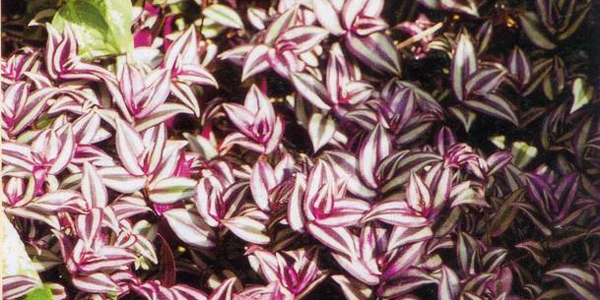
Can Tradescantia zebrina be grown in water:
Tradescantia zebrina can indeed be grown in water. Growing small Tradescantia zebrina plants in water can shorten the rooting time, and the rooting rate of Tradescantia zebrina grown in water from seed can reach 100 percent. If you are converting a soil-grown Tradescantia zebrina to water culture, first dig the mature Tradescantia zebrina out of the soil, wash the soil off the roots, cut away the old roots or the rotted parts, remove the diseased leaves, and keep only the healthiest parts.
Then insert the prepared Tradescantia zebrina plant into a bottle, secure it well to make sure the Tradescantia zebrina stands upright and does not fall over, then place the whole bottle in a shady spot and keep the temperature around the plant at 21-28°C. Change the water every 7 days and add nutrient solution, keep the water clean, and when changing the water also rinse the roots of the Tradescantia zebrina to prevent rot or pest infestation.#p#Subtitle#e#
How to grow Tradescantia zebrina hydroponically:
Tradescantia zebrina is extremely easy to grow hydroponically. You can cut several vegetative shoots and insert them together into one bottle, and new roots will grow just a few days after being placed in water. When it is first put in water, be careful to remove all the rotten leaves completely. Otherwise the water is easily polluted, and then it will not root easily. In addition, when growing Tradescantia zebrina hydroponically, the leaves of the Tradescantia zebrina should not be submerged in the water, as they will easily rot; only the lower part of the stems needs to be in the water.
1. Light: Hydroponic Tradescantia zebrina is best placed in an environment with diffused light, to encourage the plant to grow dense and brightly colored leaves. If the light is too dim, the stems will grow thin, long and straggly, and the leaves will fade, but avoid direct blazing sunlight.
2. Humidity: Tradescantia zebrina can tolerate a dry environment, but during the growing season, when the weather is dry, mist the leaves frequently to keep them moist, to prevent the leaves from losing water and scorching.
3. Temperature: Tradescantia zebrina likes a warm environment, and the temperatures of spring, summer and autumn are all suitable for its growth. At lower temperatures Tradescantia zebrina grows very slowly. When growing Tradescantia zebrina hydroponically, keep the ambient temperature around the Tradescantia zebrina at 10-25°C. In winter the temperature should be kept above 10°C so it can overwinter safely.
4. Changing the water: In the early stage of hydroponic Tradescantia zebrina, change the water once every 2-3 days. The stems of Tradescantia zebrina break very easily, so take special care when changing the water. There is no need to pull the stems out of the bottle; when changing the water, simply turn the whole bottle upside down (hold the stems with your hand to keep them in place), then pour in clean water. After it has rooted, changing the water once every 7-10 days is enough.
Summary: Tradescantia zebrina is a plant that grows extremely easily, and it is easy to keep alive whether grown in soil or hydroponically. When growing Tradescantia zebrina hydroponically, as long as you pay attention to changing the clean water and maintaining humidity and light, the hydroponic Tradescantia zebrina will quickly grow roots and develop. Placed on a desktop, windowsill or similar spot, it has a very good decorative effect.
Can Tradescantia zebrina be grown hydroponically? How to grow Tradescantia zebrina hydroponically at home
The original home of Tradescantia zebrina is not in our country; it was later introduced to our country and then widely cultivated. It is now a fairly common houseplant in our country. When growing it, most people mainly use soil culture, but in fact Tradescantia zebrina can also be grown hydroponically. Let us take a look below at how Tradescantia zebrina should be grown hydroponically!
Can Tradescantia zebrina be grown hydroponically
Tradescantia zebrina, like calla lily, can also be grown in water. Growing small Tradescantia zebrina plants in water can shorten the rooting time, and the rooting rate of Tradescantia zebrina grown in water from seed can reach almost 100 percent.
How to grow Tradescantia zebrina hydroponically at home
1. Changing the water for Tradescantia zebrina. In the early stage of hydroponic Tradescantia zebrina, changing the water about once every three days is enough. Because the stems of Tradescantia zebrina are slender and weak and break very easily, take special care when changing the water. To avoid breaking the stems, you do not need to take the stems out when changing the water; simply turn the vase upside down to drain the water, gently support the upside-down stems with your hand, then replace with clean water. After it has rooted, changing the water once every ten days is enough.
2. Light for Tradescantia zebrina. Never place hydroponic Tradescantia zebrina directly in the blazing sun, as this will cause the stems to wilt quickly. It should be placed in a bright, shady spot, which helps the leaves grow more densely. If there is not enough light, the stems will grow thin and messy, and the leaves will not be plump enough, affecting its appearance.
3. Humidity for Tradescantia zebrina. Tradescantia zebrina is fairly drought-tolerant, but during the growing season, mist the leaves as needed to keep them moist and maintain good growing condition.
4. Temperature for Tradescantia zebrina. When growing Tradescantia zebrina hydroponically, it is best that the temperature around the Tradescantia zebrina is 10 degrees to 25°C. When the winter temperature is below 10 degrees, do a good job of keeping it warm.
What to do if the leaves of Tradescantia zebrina turn green
1. If the leaves of Tradescantia zebrina turn green, although it is not especially ugly, it still changes the unique ornamental value of the Tradescantia zebrina. So generally, when the leaves of Tradescantia zebrina turn green, the Tradescantia zebrina is pruned, cutting the overly long stems shorter.
2. In addition, if you want the leaves of Tradescantia zebrina to be more vividly colored, you can apply more phosphorus fertilizer and potassium fertilizer.
3. To grow Tradescantia zebrina, you definitely need plenty of bright light, because sufficient light enables Tradescantia zebrina to grow dense and brightly colored leaves. If Tradescantia zebrina is kept for a long time in a place with insufficient light, or even a dark place, then the leaves of the Tradescantia zebrina will fade and turn green.
Causes of soft leaves in Tradescantia zebrina and how to solve them
1. Too little watering; after the leaves soften, increase the amount of watering. Tradescantia zebrina comes from the wetlands of Mexico, so when growing Tradescantia zebrina it needs a lot of water. If the soil is left too dry, it very easily causes the plant's leaves to soften and turn yellow, and the whole plant may even wither. Especially during its growing season, water is needed roughly every day, and the requirements for the moisture of the potting soil are higher; at the same time, mist the plant frequently to maintain humidity. But Tradescantia zebrina also has a dormant period, and during the dormant period watering should be reduced.
2. Too little sunlight; if you notice the leaves softening, increase the time it is exposed to sunlight. Tradescantia zebrina likes to be in the sun, but if it is kept in a dark environment for a long time, it easily becomes leggy and the leaves soften. A semi-shady state is also acceptable. It should even be kept in winter in a place where it can get sunlight. If it cannot get sunlight all day, then make sure it grows in sunlight for a period every day. But note that in the scorching summer, it should not be exposed to blazing sun.
3. In fact, when the air is too dry, it can also cause the leaves to soften and turn yellow, and finally fall off. So when growing it, be sure to maintain an appropriate amount of moisture at all times.
The hydroponic technique for Tradescantia zebrina mainly involves several aspects such as water, light and temperature. The water quality must be kept clean, so changing the water is generally done on a three-day cycle. During hydroponic growing, the leaves may become soft and turn green. The specific handling methods have been described above, and we hope they will be helpful to everyone.
Can Tradescantia zebrina be grown hydroponically? How to grow Tradescantia zebrina hydroponically
Tradescantia zebrina has trailing, cascading stems and leaves and richly colored foliage. Many people like to use it as a decorative piece for furniture or hang it in the air to enjoy, and it looks absolutely lovely. Some flower lovers have doubts about whether Tradescantia zebrina can be grown hydroponically, so today let us look at how to grow Tradescantia zebrina hydroponically.
Can Tradescantia zebrina be grown hydroponically
Tradescantia zebrina, like calla lily, can also be grown in water. Growing small Tradescantia zebrina plants in water can shorten the rooting time, and the rooting rate of Tradescantia zebrina grown in water from seed can reach almost 100 percent. If you are converting a soil-grown Tradescantia zebrina to water culture, first dig the mature Tradescantia zebrina out of the soil, wash the soil off the roots, cut away the aged roots or the rotted parts, and remove the yellowed diseased leaves, keeping the healthy parts ready for cuttings.
Then insert the already prepared Tradescantia zebrina stems into a bottle prepared in advance, and secure them upright to make sure they will not lean or fall over. Then place the whole bottle in a fairly shady spot, avoiding direct sunlight, with the optimum temperature being 21 degrees to 28°C.
After seven days, change the water to keep it clean, and at the same time be careful to rinse the base of the stems to prevent rot or infection by pathogens that could lead to pest problems. When changing the water, add nutrient solution to ensure the supply of energy.
How to grow Tradescantia zebrina hydroponically
Changing the water for Tradescantia zebrina
In the early stage of hydroponic Tradescantia zebrina, changing the water about once every three days is enough. Because the stems of Tradescantia zebrina are slender and weak and break very easily, take special care when changing the water. To avoid breaking the stems, you do not need to take the stems out when changing the water; simply turn the vase upside down to drain the water, gently support the upside-down stems with your hand, then replace with clean water. After it has rooted, changing the water once every ten days is enough.
Light for Tradescantia zebrina
Never place hydroponic Tradescantia zebrina directly in the blazing sun, as this will cause the stems to wilt quickly. It should be placed in a bright, shady spot, which helps the leaves grow more densely. If there is not enough light, the stems will grow thin and messy, and the leaves will not be plump enough, affecting its appearance.
Humidity for Tradescantia zebrina
Tradescantia zebrina is fairly drought-tolerant, but during the growing season, mist the leaves as needed to keep them moist and maintain good growing condition.
Temperature for Tradescantia zebrina
When growing Tradescantia zebrina hydroponically, it is best that the temperature around the Tradescantia zebrina is 10 degrees to 25°C. When the winter temperature is below 10 degrees, do a good job of keeping it warm.