Can Anthurium Be Grown Hydroponically? A Detailed Guide to Its Benefits and Uses
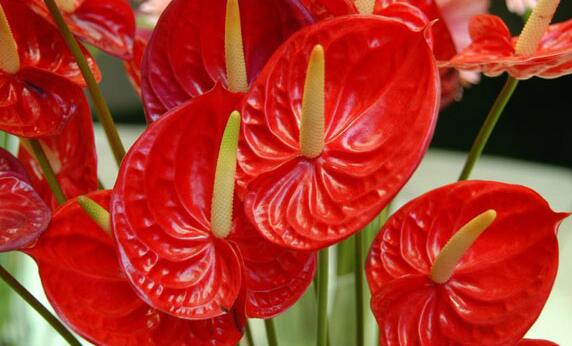
Anthurium is also known as Anthurium and flamingo flower, precisely because its flowers are as red as flames, and paired with its emerald green leaves, it has high ornamental value. So can anthurium be grown hydroponically? Let's take a look.
1. Anthurium cultivation methods
(1) Anthurium's humidity requirements
When growing this plant, anthurium has very high humidity requirements; it likes to grow in an environment with 70 percent humidity. If indoor humidity is low, you need to mist its leaves, or wipe its leaves with a damp towel. If anthurium grows in a low-humidity environment for a long time, its leaves will turn yellow.
(2) Anthurium's fertilizer and water management
When growing anthurium, fertilizer and water management is very important. Under normal conditions, watering anthurium once a week is enough; as long as the surface of its potting soil is not dry, there is no need to water, but when watering, you must water thoroughly. In addition, after winter arrives, anthurium will stop growing, so the number of waterings should be reduced, but every half a month to twenty days, a dilute fertilizer solution should be applied to meet anthurium's nutritional needs.
(3) Anthurium pruning
When growing anthurium, it needs to be pruned regularly. The places that need pruning are the aged, dried leaves at its base. In addition, after anthurium blooms and the flowers fade, the yellowed flower stalks should also be cut off promptly, but when pruning, cut about two cm up from the base, as this will help new shoots grow out as quickly as possible.
2. Anthurium's benefits and uses
(1) Anthurium's ornamental value
Because of its unique shape, anthurium as a whole presents a spathe, and as we already mentioned in the introduction above, anthurium's colors are gorgeous and natural, making it a world-famous flower. After being cut, the flowers can be kept in water for up to 1.5 months, and can also be used as raw material for flower arrangements, making it a delightful ornamental flower.
(2) Anthurium's economic value
Anthurium is a very unique tropical cut flower, and its inflorescence differs from that of ordinary flowers: it is a spadix inflorescence. Unlike other spadix inflorescences, anthurium's spathe bud is large, thick and fleshy in texture, and comes in diverse colors, both vivid and understated, with a peculiar shape and a very wide range of applications. Therefore it has high economic value and is developing well globally, making it a flower with great economic prospects.
(3) Anthurium's cultivation value
Anthurium's economic value determines its cultivation value. Anthurium is now developing rapidly around the world, but the quantity far lags behind the demand for it, so China can also introduce and cultivate it through technological improvements; it is a very good livelihood.#p#Subheading#e#
3. Points to note when growing anthurium hydroponically
(1) When growing anthurium hydroponically, half of the root system should be exposed to the air so that the roots can breathe in the air; otherwise, root rot is very likely. The root system of hydroponic plants grows exposed, and after contact with light, plant cells carry out photosynthesis; the same is true for the roots, and it is normal for them to appear green. As long as there is no direct sunlight, healthy root growth can usually be ensured. Not all hydroponic plants' roots will eventually turn green and be healthy; for example, some are brown.
(2) Anthurium's roots breathe very strongly, and putting them directly into water easily hinders their breathing. The best method is to use a substrate, and the best substrate is expanded clay pebbles. Since anthurium's roots are fleshy roots and the leaves emerge from the roots, the usual method of fixed orchid medium + stones + easy medium does not easily produce small leaves. Expanded clay pebbles, however, are light in texture and offer enough space, making it easy for small leaves to emerge. The anthurium I currently grow hydroponically in my office is cultivated with expanded clay pebbles; it has been grown for 2 years, and each plant has 3-4 flowers.
(3) To grow anthurium hydroponically with expanded clay pebbles, first wash the roots clean, prune old roots and broken roots, and remove flowers. Then place the plant into a container, fill it with expanded clay pebbles, then dilute rooting powder according to the ratio, spray the expanded clay pebbles damp, and be careful not to let too much water accumulate below; if there is too much water, pour it out. After a long wait, you will be pleasantly surprised to find anthurium's thick, white fleshy roots growing in all directions, all clinging to the edge of the container. At this point, congratulations: a hydroponic anthurium is complete, and all that remains is to regularly add nutrient solution and care for its growth.
Hydroponic Anthurium Anthurium andraeanum Hydroponic Anthurium Guide: How to Grow Hydroponic Anthurium / How to Propagate Hydroponic Anthurium
Hydroponic Anthurium ProfileHydroponic Anthurium Anthurium andraeanum
Aliases: Flamingo flower, Anthurium, flamingo lily, red goosefoot
Classification: Aquatic flower
Family and genus: Plantae, Angiosperms, Monocotyledon class, Araceae, Anthurium genus
Peak blooming period: All seasons
Hydroponic anthurium is a plant with relatively strong affinity for water. However, growing it hydroponically is somewhat difficult. It is a flowering plant from South America, fond of warm, humid, semi-shaded environments. Hydroponic anthurium is native to tropical South America, and is now widely cultivated in Europe, Asia, and Africa.
Hydroponic Anthurium Cultivation Methods and Precautions Hydroponic Anthurium Introduction
Hydroponic anthurium is a plant with relatively strong affinity for water. However, growing it hydroponically is somewhat difficult. It is a flowering plant from South America, fond of warm, humid, semi-shaded environments.
Hydroponic anthurium is native to tropical South America, and is now widely cultivated in Europe, Asia, and Africa.
Hydroponic Anthurium Morphological Characteristics Roots and Stems
Hydroponic anthurium is a perennial evergreen herbaceous flower. Its plant height is generally 50-80 cm, varying by variety. It has fleshy roots and no stem.
Leaves
The leaves of hydroponic anthurium emerge from the root and stem, have long petioles, are solitary and heart-shaped, bright green, with sunken veins.
Flowers
The flowers of hydroponic anthurium are axillary, with a waxy spathe, perfectly round to ovate, bright red, orange-red flesh-colored, or white, with a spadix, cylindrical, upright.
Hydroponic anthurium blooms in all four seasons.
Hydroponic Anthurium Ecological Habits
Anthurium likes environments with relatively high humidity. The humidity mentioned here refers to the relative humidity in the air, not just the water content in the growing medium. Humidity is also a variable, because when humidity rises and dry winds increase (especially in northern China), if water is not replenished, then humidity will decrease. Generally speaking, the humidity anthurium needs should be kept at 70%-80% (air temperature 20-28°C). The level of humidity can regulate anthurium, that is, regulate anthurium's leaf transpiration. A relatively low humidity will cause drought and water shortage, and the edges of the leaves and spathe will become dry and withered, and the spathe will be uneven. The water temperature for watering anthurium should be kept at about 15°C (including the nutrient solution used for watering); this is especially important in severe cold and extreme heat. The medium moisture should not be too wet, because anthurium's roots are semi-fleshy and store a large amount of water themselves; too much water in the medium causes a lack of oxygen in the medium, blocks root respiration, and long-term overly wet conditions will cause root rot. You can use discarded cola bottles or mineral water bottles, fill them with tap water, let them sit for 3-4 days, then pour it into a spray bottle and spray anthurium's leaves. In summer, spray once at 10:00-11:00 and once after 15:00, but the pH of the sprayed water should be low.
Hydroponic Anthurium Cultivation Techniques Hydroponic Growing Methods
Before growing soil-grown anthurium hydroponically, it must first be acclimated so that it grows new roots in water, and then it can be placed in water for hydroponic growing.
1. Dig the potted anthurium out of the soil, cut off rotten roots, fine roots, and old leaves, wash it clean with water, put it into a potassium permanganate solution to disinfect, then rinse the anthurium again with water. If using a transparent glass container for hydroponics, it is best to cover the outside of the glass with a black plastic bag to prevent strong light. Cover the top with a transparent convenience bag (to preserve warmth and moisture). Place it in a spot with scattered light, and keep the temperature above 10 degrees.
2. During acclimation, change the water frequently: every 3 days for the first half month, and once a week for the second half month. Each time you change the water, add nutrient solution once, and the nutrient solution should be one specifically for hydroponic flowers. After one month, anthurium will grow new roots, and the newly grown roots will be relatively adapted to the aquatic environment. The leaves will begin to sprout new shoots.
3. Potting hydroponic anthurium. If the hydroponic pot is semi-transparent, it will be a bit easier. Carefully put the anthurium roots into the hydroponic basket, and river stones or expanded clay pebbles can be placed in the basket to fix the plant's position. Add water to half or 2/3, so that the roots not submerged in water can still breathe from the air.
4. For acclimated hydroponic anthurium, change the water according to the actual situation; when there are many impurities in the water, it should be changed. After some time, the hydroponic pot should also be cleaned. Nutrient solution should not be added too frequently, because it will cause eutrophication of the water, accelerate the reproduction of microorganisms in the water, and cause the oxygen content of the water to drop sharply, which is not good for plant growth.
5. If a relatively large pot is used for hydroponic anthurium, small fish can also be kept in the water; the plant and fish benefit each other and form a corresponding scene. It can be said to kill two birds with one stone.
How to Manage
After adding nutrient solution, it should also be left to sit as described above before use. On the one hand, the chlorine in tap water can evaporate; on the other hand, the water that has been left to sit can remain consistent with room temperature. Do not leave the water to sit in sunlight, to avoid the formation of green algae. Using cooled boiled water is also feasible. When growing anthurium hydroponically, the speed of inducing new roots takes a relatively long time compared with plants such as Aglaonema; however, its root system is relatively strong in vitality, and once hydroponic roots are formed, it is very easy to care for. Therefore, healthy, virus-free anthurium plants should be selected, and after disinfection with agricultural streptomycin, they can be acclimated with flower nutrient solution.
Hydroponic Anthurium Disease Control
Anthurium sometimes shows premature flower aging, deformity, adhesion, splitting, vitrification, and blue spots. These are mostly physiological diseases caused by improper fertilization, potting soil, and air humidity management or by variety reasons. The prevention method is to improve cultivation management, fertilize reasonably, and provide proper ventilation.
The main pests and diseases of potted anthurium include bacterial wilt, leaf spot, root rot, Cylindrocarpon, Cylindrocladium, nematodes, red spider mites, aphids, lepidopteran pests, whiteflies, scale insects, snails, and so on.
Anthracnose
Anthracnose is one of the common diseases of anthurium. The pathogen is fungi of the genus Gloeosporium or Colletotrichum. The former's symptom is round brown lesions forming along the leaf veins, after which the lesions connect to form large lesions with brownish-yellow edges, and the diseased part finally dries up. The latter is similar to the former, with black setae growing on the acervuli, and it also causes flower rot, forming black necrotic spots on the spadix. High humidity is the main cause of this disease. The control methods are chemical control and strengthened cultivation management: ventilate and let light through frequently, avoid splashing water or air-conditioner condensate on the leaves, and promptly remove diseased leaves.
Red Spider Mites
Damage symptoms of red spider mites: mainly cause fading of leaves and flowers, affecting the commercial quality of leaves and flowers. In the early stage of damage, pesticide control can be used. Control agents include: dicofol, propargite, omethoate, and cyhalothrin, etc.
Bacterial Wilt
Bacterial wilt is a bacterial disease caused by Xanthomonas bacteria, and can infect leaves and the spadix. In the early stage of the disease, water-soaked, semi-transparent irregular small spots form on the leaves, then turn black, with a bright yellow edge on the outside, and the area around the lesions loses its green color. This pathogen can cause systemic infection, manifesting as old leaves turning yellow, petioles breaking, and vascular bundles turning yellow. The control method is to strengthen cultivation management, supplement with chemical control, promptly remove diseased plant residues, and burn them. During cultivation management, minimize artificial wounds and minimize the use of ammonium nitrogen fertilizer. Generally, in the early stage of the disease, spray agricultural streptomycin or new plantomycin.
Bacterial Leaf Spot
The symptoms shown are of one type on leaves and flowers: in the early stage on the back of leaves and flowers, water-soaked spots can be seen, and later brown spots appear on the leaf edges, accompanied by yellow halos. The other type is that the bacterial infection begins on the stem and rapidly expands to the entire plant by infecting cells through vascular bundles. In the early stage, it can be found that the color of new leaves is dull, because the vascular bundles are blocked by the bacteria, hindering the flow of water and the transport of nutrients within the plant, making the leaf color dull and the leaves yellow. In a relatively short time, this type of infection will cause flower stalks and leaves to fall off the plant, and the growing point will rapidly rot with bacterial ooze flowing out.
For bacterial diseases there is no specific cure, so prevention is mainly the focus:
Environmental Prevention
Strengthen control of greenhouse temperature (the ideal reproduction condition for bacteria is around 30 degrees), the sanitary environment, and the movement of personnel and work tools in the production area, etc.
Fertilizer Prevention
During plant growth, try not to use nitrogen fertilizer in high NH4 form. Remove or isolate diseased plants.
Leaf Blight Nematode Disease Caused by nematodes of the genus Aphelenchoides infecting the plant, mainly infecting the roots and leaves. The symptoms are necrotic spots or brown spots forming along the leaf veins, the roots swelling, and finally the entire leaf drying up. The control method is mainly to strengthen seedling quarantine, select healthy seedlings, and properly disinfect the cultivation substrate.
Hydroponic Anthurium Distribution Area
Hydroponic anthurium is native to tropical South America, and is now widely cultivated in Europe, Asia, and Africa.
Hydroponic Anthurium's Dietary or Medicinal Value
The medical information and health dietary information on the flower care website is for reference only and cannot be used as a basis for diagnosis or medical treatment. Any health issues should be consulted with professional medical personnel, and the treatment of any disease should follow a doctor's advice.
Ultimate flower care mission: To love yourself, start from reality and follow the doctor's advice. Toward illness, do not be careless, do not delay, do not give up hope, face it bravely, use love to warm the silent world, and use your heart to care for the flower field within.
Pharmacological Toxicity
The flowers of hydroponic anthurium have slight toxicity; as long as they are not eaten by mistake, there will be no problem. Wash your hands each time you prune branches and leaves. Its toxicity mainly comes from its sap. With a little more care, there is no problem. Anthurium belongs to the Araceae family, and most are toxic, but as long as you do not come into overly close contact with it, there is no problem. Anthurium can be kept at home; it has slight toxicity, but it is best placed outdoors.
Hydroponic Anthurium Garden Uses Ornamental Value
Hydroponic anthurium's flowers are unique, with a spathe, bright and gorgeous in color and rich in color, making it a world-famous precious flower. The flowering period is long; cut flowers kept in water can last up to 1.5 months, and cut leaves can be used as supporting leaves in flower arrangements. It can be grown as a potted plant, and a single potted flowering period can last up to 4-6 months, and it can bloom year-round.
Hydroponic Anthurium Benefits and Uses Home Decor Pairing
Hydroponic anthurium has a unique appearance, with emerald green leaves dripping with freshness, and fiery red spathe inflorescences set above them. The pairing of red and green appears so eye-catching, and the yellow inlaid within that fiery red plays the role of adding the finishing touch; we cannot help but praise such a combination as a masterpiece of nature. Precisely because of its outstanding grace, anthurium is loved by many flower enthusiasts.
Anthurium and flowers of the same genus are emerging cut flowers and potted flowers at home and abroad.
The Japanese, who excel at flower arrangement, crown it with the reputation of "large red round fan."
Hydroponic Anthurium's Influence on the Home Environment
Hydroponic anthurium combines the three vivid colors of red, green, and yellow in one, rich but not monotonous, colorful but not complicated. Using the vitality-filled anthurium to set off and echo other green plants, you can arrange a space with a tranquil atmosphere, allowing you to comfortably spend a moment of quiet time and feel the various flavors you most desire in life. Indoors alone, using only approachable wooden furniture, wallpaper, fabric art, tableware, and green plants carefully paired together, you can complete a pleasant picture worthy of rivaling an outdoor pastoral life.
Hydroponic Anthurium Pictures
How Many Years Can Anthurium Be Grown, and What Are Anthurium's Benefits and Uses?
Anthurium is also called flamingo flower. Many flower lovers have grown it, some placing it indoors, some placing it in the office. Because anthurium has a good meaning and also great ornamental value, how many years can anthurium be grown, will there be a day when it dies, and exactly what are anthurium's benefits and uses? Let's answer these one by one next.
How Many Years Can Anthurium Be Grown Anthurium's Lifespan Is About 10 Years
Anthurium's original name is flamingo flower. When it blooms, it produces brightly colored spathes, and the larger ones resemble palms, hence it is called anthurium! Anthurium's leaves are emerald green and dripping with freshness, and its flowering period is long, so it is a very good indoor ornamental plant!
1. Vase-growing lifespan is very long, water-growing period 1 month
2. Potted single flowering period is 4-6 months
3. Anthurium's lifespan can reach about 10 years
Of course, to make anthurium's lifespan long, scientific cultivation methods are needed!
Anthurium's Benefits and Uses
1. Ornamental value
Anthurium is one of the world's precious flowers, can be used as a cut flower for water growing for up to about 1.5 months, and therefore has a huge innate advantage in being made into potted plants. Anthurium blooms, and the flowering period lasts as long as 4-6 months, blooming every year, with extremely high ornamental value, so it is deeply loved by people!
2. Air purification effect
Anthurium can absorb substances harmful to the human body in the air, such as benzene, trichloroethylene, etc. However, when anthurium blooms, the flower has slight toxicity. When anthurium is blooming, it is not suitable to touch it too much; place anthurium in a ventilated environment. Anthurium's toxicity mainly comes from its sap, so after pruning anthurium, be sure to remember to wash your hands. It is recommended to wear gloves before pruning!
3. Feng shui effect
As an ornamental flower, anthurium has a unique feng shui effect. Anthurium's flower symbolizes good fortune arriving! Moreover, among its petals there is a golden-yellow strip-shaped spadix, symbolizing money in hand! Of course, these are just some sayings. Feng shui cannot be separated from the five elements, and anthurium also has the use of five-element transformation. If at home the female head of the household, such as the mother or wife, is not in good health or not in good luck, anthurium can be placed in the living room or on the southwest Kun position of the bedroom, which can resolve and restrain the Kun earth that controls the female head of the household. Red can also generate and support Kun earth, representing that the woman in the family can hold the economic power!
As an ornamental flower, the anthurium (Anthurium andraeanum) has a unique feng shui role, and its flower symbolizes great fortune! What's more, among its flowers and leaves there is a golden-yellow strip-shaped spike, which symbolizes having money in hand! Of course, these are just some sayings; feng shui cannot be separated from the five elements, and the anthurium also has the use of transforming the five elements. If at home the mistress of the house, for example the mother or the wife, is not in good health or not in good luck, the anthurium can be placed in the living room or in the southwest Kun position of the bedroom, which can resolve and restrain the Kun earth that suppresses the mistress, and the red color can also generate and support the Kun earth, representing that the woman in the family can hold the economic power!