A detailed guide to hydroponic plant cultivation methods, planting steps and precautions
With the rapid development of urban life and the continuous increase in flower varieties, besides potted plants, dried flowers, cut flowers and other flower forms, there are also hydroponic flowers. Hydroponic flowers are increasingly popular because of their easy access to materials, diverse vessel styles and rich combinations. Let's take a look at the cultivation methods and precautions for hydroponic plants.
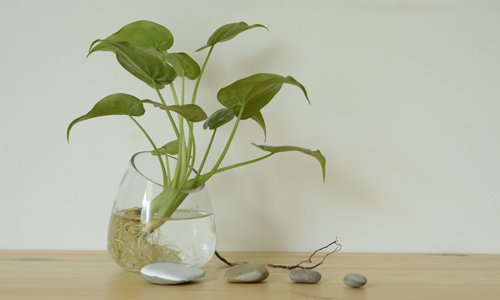
I. Planting steps
1. Removing soil and washing roots: Take the selected plant out of the soil, gently shake and pat it, then soak it in clean water for 15-20 minutes, then gently rub and wash the roots with your hands, changing the water 2-3 times until the roots are completely free of soil. When washing the roots, it is best to use running water to reduce damage to the roots and make them easier to clean thoroughly.
2. Choosing a vessel: According to the variety, form, size, flower color and other conditions of the hydroponic plant material, choose a round glass jar, glass bottle, glass basin or other vessel.
3. Placing into water: Put the washed plant with its roots into the selected vessel and fix the roots in place. You can choose simple and attractive stones such as colored stones or Yuhua stones. Pour in tap water that covers 2/3 to 1/2 of the root system. At first, change the clean water once a day and also wash the roots and vessel. After one week, reduce the frequency of water changes. When the cultivated flower grows new roots in the water, it means it has adapted to the hydroponic environment, and you can change the water every 7-10 days, or even longer.
II. Care
1. Nutrient solution: For plants that have just been transferred to hydroponics, it is not advisable to add nutrient solution immediately. They should be kept in clean water for 10-15 days. After the plant has adapted to the hydroponic environment, then add special hydroponic nutrient solution.
2. Changing water: In general, change the water every 5-10 days in spring and autumn; about every 5 days in summer; and every 10-15 days in winter. Note that when changing the water, please expose half or one third of the plant's roots.
3. Cleaning and hygiene: Each time you change the water, rinse the plant roots and container with clean water, and trim dead branches, fallen leaves and rotten roots to avoid contaminating the hydroponic environment.
4. Moisture retention and warmth: When the climate is dry, sprinkle clean water on the leaf surfaces to maintain humidity. You can choose a small spray bottle for misting, preferably 2 times a day. When the indoor temperature is below 5°C, pay attention to keeping the plant warm. #p#Subtitle#e#
III. Precautions
1. For water, you can choose purified water or tap water. The basin water should not be too much; a certain amount of roots need to remain in the air, and it is best for 70% of the root length to be in water. Be careful to protect the root system, straighten it out as much as possible, and let most of the roots soak in the water.
2. If raising them together with fish, pay attention to changing the water frequently and also remember to feed the fish. If conditions permit, you can add oxygenation equipment and medications to ensure the fish's living environment.
3. In general, the cultivation water in the basin should be replaced once every one or two months. Ordinary household tap water is fine, but note that when the water temperature is lower than the indoor temperature, let the tap water sit for a while before use to keep the root temperature stable. Hydroponic flowers and plants that are not kept with fish generally need the water changed once every one or two months. The replaced water can also be used to fertilize soil-grown plants, as it is very rich in nutrients.
4. Plants should be in harmony with the size of the room space. A spacious room is suitable for larger plants to avoid a feeling of emptiness. For a relatively small room, smaller plants should be chosen to avoid a sense of oppression.
5. Hydroponic plants can be placed directly on the floor. Large plants such as pothos columns, red gem philodendron columns, green gem philodendron columns, fiddle-leaf philodendron columns, palm bamboo and zebra aglaonema can be placed on the floor; medium plants such as Alocasia amazonica, clustered bird's nest fern, green giant, green emperor and Dieffenbachia, and small plants such as bamboo begonia, purple velvet plant, Senecio, creeping inch plant, spider plant, Syngonium, cordyline and lady's slipper orchid can be placed on tables; when placed on top of large cabinets, on walls, or used as hanging decorations, choose plants with drooping branches and leaves such as ivy, pothos, mini monstera and Syngonium.
6. Hydroponic flower vessels: It is best to choose transparent vessels. First, you can view the roots; second, you can clearly observe the water quality and water level. The roots of various plants have different colors, including white, black, orange-red and so on. These roots either interweave and tangle or look delicate and lovely, and they are an important part of enjoying hydroponics.
7. Hydroponic flowers should not be placed directly facing the air outlet of an air conditioner. Too fast a wind speed can damage the branches and leaves, causing leaf curling in mild cases and scorched edges and withering in severe cases.
Planting, care and precautions for hydroponic plants
Planting, care and precautions for hydroponic plantsHydroponic flowers are increasingly popular because of their easy access to materials, diverse vessel styles and rich combinations. Compared with traditional soil-grown flowers, hydroponic flowers also have advantages such as being clean and hygienic, easy to care for and reusable many times, making them very suitable for home and office display.
I. Planting steps
1. Removing soil and washing roots: Take the selected plant out of the soil, gently shake and pat it, then soak it in clean water for 15-20 minutes, then gently rub and wash the roots with your hands, changing the water 2-3 times until the roots are completely free of soil. When washing the roots, it is best to use running water to reduce damage to the roots and make them easier to clean thoroughly.
2. Choosing a vessel: According to the variety, form, size, flower color and other conditions of the hydroponic plant material, choose a round glass jar, glass bottle, glass basin or other vessel.
3. Placing into water: Put the washed plant with its roots into the selected vessel and fix the roots in place. You can choose simple and attractive stones such as colored stones or Yuhua stones. Pour in tap water that covers 2/3 to 1/2 of the root system. At first, change the clean water once a day and also wash the roots and vessel. After one week, reduce the frequency of water changes. When the cultivated flower grows new roots in the water, it means it has adapted to the hydroponic environment, and you can change the water every 7-10 days, or even longer.
II. Care
1. Temperature: The optimal temperature for hydroponic plant growth is 5-30°C. Above 35°C, most plants enter a dormant state, and misting should be stopped at this time. Chongqing has hot summers, so outdoor hydroponic plants should be moved indoors to cool down.
2. Light: This refers to natural light coming in through the window. In summer, avoid direct sunlight.
3. Nutrient solution: For plants that have just been transferred to hydroponics, it is not advisable to add nutrient solution immediately. They should be kept in clean water for 10-15 days. After the plant has adapted to the hydroponic environment, then add special hydroponic nutrient solution.
4. Changing water: In general, change the water every 5-10 days in spring and autumn; about every 5 days in summer; and every 10-15 days in winter. Note that when changing the water, please expose half or one third of the plant's roots.
5. Cleaning and hygiene: Each time you change the water, rinse the plant roots and container with clean water, and trim dead branches, fallen leaves and rotten roots to avoid contaminating the hydroponic environment.
6. Moisture retention and warmth: When the climate is dry, sprinkle clean water on the leaf surfaces to maintain humidity. You can choose a small spray bottle for misting, preferably 2 times a day. When the indoor temperature is below 5°C, pay attention to keeping the plant warm.
III. Precautions
1. For water, you can choose purified water or tap water. The basin water should not be too much; a certain amount of roots need to remain in the air, and it is best for 70% of the root length to be in water. Be careful to protect the root system, straighten it out as much as possible, and let most of the roots soak in the water.
2. If raising them together with fish, pay attention to changing the water frequently and also remember to feed the fish. If conditions permit, you can add oxygenation equipment and medications to ensure the fish's living environment.
3. In general, the cultivation water in the basin should be replaced once every one or two months. Ordinary household tap water is fine, but note that when the water temperature is lower than the indoor temperature, let the tap water sit for a while before use to keep the root temperature stable. Hydroponic flowers and plants that are not kept with fish generally need the water changed once every one or two months. The replaced water can also be used to fertilize soil-grown plants, as it is very rich in nutrients.
4. Plants should be in harmony with the size of the room space. A spacious room is suitable for larger plants to avoid a feeling of emptiness. For a relatively small room, smaller plants should be chosen to avoid a sense of oppression.
5. Hydroponic plants can be placed directly on the floor. Large plants such as pothos columns, red gem philodendron columns, green gem philodendron columns, fiddle-leaf philodendron columns, palm bamboo and zebra aglaonema can be placed on the floor; medium plants such as Alocasia amazonica, clustered bird's nest fern, green giant, green emperor and Dieffenbachia, and small plants such as bamboo begonia, purple velvet plant, Senecio, creeping inch plant, spider plant, Syngonium, cordyline and lady's slipper orchid can be placed on tables; when placed on top of large cabinets, on walls, or used as hanging decorations, choose plants with drooping branches and leaves such as ivy, pothos, mini monstera and Syngonium.
6. Hydroponic flower vessels: It is best to choose transparent vessels. First, you can view the roots; second, you can clearly observe the water quality and water level. The roots of various plants have different colors, including white, black, orange-red and so on. These roots either interweave and tangle or look delicate and lovely, and they are an important part of enjoying hydroponics.
7. Hydroponic flowers should not be placed directly facing the air outlet of an air conditioner. Too fast a wind speed can damage the branches and leaves, causing leaf curling in mild cases and scorched edges and withering in severe cases.
How to grow hyacinth in water and its steps, precautions for hydroponic hyacinth, how to grow hyacinth hydroponically
When it comes to hyacinth, I believe everyone is familiar with it. With its beauty and floral fragrance, hyacinth has attracted more and more flower lovers who want to grow it themselves. Hyacinth is a bulbous plant that can be grown hydroponically or in soil. So do you know the methods and steps for growing hyacinth in water? Let's learn together.
Methods and steps for growing hyacinth in water
In ordinary flower shops, hydroponic hyacinths are usually placed directly in wide-mouthed glass bottles, making it convenient for everyone to grow them directly. You can also buy a set. When purchasing, you must pay attention to whether the base plate of the hyacinth is damaged. The base plate is the place where the entire bulb sprouts. If it is damaged, it is completely useless.
Wash the glass bottle clean, pour in tap water, and do not fill it full. The water should be limited to 1-3 cm away from the base plate of the hyacinth bulb. This step is very important. Many friends fill the entire glass bottle with water, causing the bulb to rot directly.
Change the water for the hyacinth once a week (to ensure the cleanliness of the water quality in the bottle). Personally, I suggest that nutrient solution may not be used; ordinary tap water is generally enough to supply the growth of the hyacinth.
Before the small green leaves emerge, do not provide any light. It can be placed in a dark little corner. As the white root system develops, it can be exposed to sunlight. At first, 1-2 hours, then gradually increase the light time. If the weather is warm, it will bloom quickly.
Precautions
Each time you add water, it must not cover the base plate of the bulb. You need to leave a few centimeters of space for the roots to breathe. The fragrance of hyacinth is relatively strong and toxic, so it should not be placed in the bedroom; it should be placed in a well-ventilated place. Hyacinth pollen can easily cause skin allergies. If you have an allergic constitution, pay attention to this. It is unscientific to put your nose close to the flower to smell it.
The above is all the content I have learned about hyacinth today. I hope flower lovers will find it helpful after reading this article. If you want to learn more about hyacinth, please continue to follow Duorou Huapu, and we will provide you with more related knowledge!