What to Do When Aglaia odorata Drops Its Leaves? Care for It This Way for Good Growth
As long as Aglaia odorata is given a suitable temperature, its branches will be filled with a wonderful fragrance, and the scent is at its strongest during the summer period. The most suitable temperature for flowering is 30°C. When growing it, note that the temperature must be kept at 25°C for it to normally produce beautiful, highly fragrant flowers. What should you do when Aglaia odorata drops its leaves? Below, the editor brings you the detailed information.
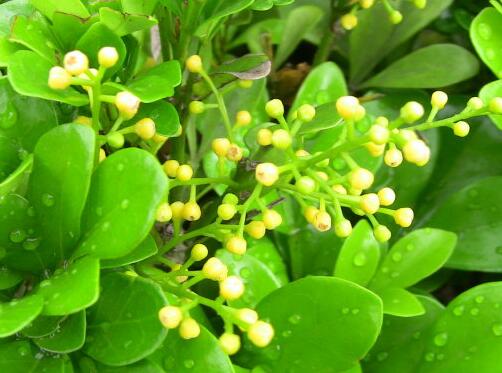
What to Do When Aglaia odorata Drops Its Leaves:
Many people encounter the problem of Aglaia odorata leaves dropping during cultivation, yet they cannot find where the problem lies. In fact, this is caused by improper management.
1. If you water too much or too little, it will cause leaf drop. Because with too much water, the roots rot and the leaves lack water, so the leaves easily dry up and fall off. Too little water directly causes the leaves to lack moisture, and then they die directly. You can keep a record and water the Aglaia odorata every day. Follow the principle of not watering when not dry. Also extend the sunlight hours for the Aglaia odorata. In summer at noon when the sun is intense, you can shade it appropriately and water the leaves lightly. If the leaves drop after watering, you can transplant the Aglaia odorata, place it in another pot, and then water and fertilize it anew.
2. If pests and diseases occur, they can also cause Aglaia odorata leaf drop, generally powdery mildew and scale insects. So you can appropriately use lime water and other insecticides to kill the pests, then appropriately fertilize and water, and provide sunlight, to help it recover. #p#Subtitle#e#
How to Grow Aglaia odorata:
1. Aglaia odorata likes a warm climate, so it is generally recommended to grow it in a greenhouse. In summer it can be placed outside, but be careful to provide shade; appropriate shading is still fine. Generally keep the temperature at around 25°C. In the hottest part of summer, water appropriately to lower the temperature. In winter it must not go below 10°C, otherwise it will suffer cold damage.
2. Aglaia odorata likes moisture, so it needs timely watering, especially during the growing period. But remember that waterlogging must not occur, because too much watering will cause a series of problems such as yellowing leaves and root rot. So generally watering twice a day is enough, and in summer you need to lightly sprinkle water on the leaves.
3. Aglaia odorata does not have very high fertilizer requirements, but because it blooms many times a year, this causes a shortage of nutrients, so after flowering you need to apply a little fertilizer in time, but not too much.
4. For the soil, just choose acidic soil. The humus should mainly be leaf mold, or you can buy special fertilizer from the market.
When growing potted Aglaia odorata, you should often loosen the soil to ensure air circulation and drainage. Generally repot every 2 years, and during the growth period fertilize the potting soil every 2 weeks. Seedlings must not be exposed to strong sun.
How to Grow Aglaia odorata and What to Do When Aglaia odorata Drops Its Leaves
Aglaia odorata can remove indoor harmful substances such as sulfur dioxide, chlorine, carbon monoxide and nitrogen peroxide, and can release oxygen. Placing a pot of Aglaia odorata at home can decorate the home environment and also give you an elegant, pleasant-smelling room. But how do you grow Aglaia odorata, and what should you do when Aglaia odorata drops its leaves? Next, let's take a look together.
How to Grow Aglaia odorata
1. Suitable temperature
Aglaia odorata likes warmth. The higher the temperature, the more fragrant the flowers it produces. Generally speaking, at temperatures above 30°C, under sufficient sunlight, the flowers produced are strongly fragrant; conversely, in an environment below 30°C, if it is also in a shaded place with insufficient light, the flowers produced are not as fragrant as at high temperatures.
To grow Aglaia odorata well, the suitable temperature range is between 20°C and 35°C, and during the period from June to October it can flower as many as 5 times.
2. Sufficient light
Aglaia odorata should be placed in a sunny spot in all four seasons. If you place Aglaia odorata in a courtyard or on a balcony with ample light and good ventilation, with more than 8 to 12 hours of light per day, the plant's leaves will be deep green, the branches will grow thick and strong, it will flower many times, the flowers will be bright yellow, and the fragrance will be relatively rich.
If Aglaia odorata is kept in an environment with insufficient sunlight and shade, the plant's branches and leaves will grow leggy and weak, the number of flowers will decrease, and the fragrance will be faint.
3. Reasonable fertilization
Aglaia odorata has a strong flowering capacity and flowers many times, so nutrients must be replenished in time. Each time Aglaia odorata finishes flowering, you should promptly replenish nutrients. Insufficient fertilizer is the main reason Aglaia odorata only grows leaves without flowering or drops leaves and buds. Therefore, when the temperature rises, Aglaia odorata should be moved outdoors for care. After a week, loosen the soil and apply some dilute nitrogen fertilizer. You can use 10% to 20% decomposed cake fertilizer water or human waste. After that, apply liquid fertilizer once about every 10 days to promote the growth of branches and leaves.
Starting from June, Aglaia odorata enters its vigorous growth and flowering period, until mid-October. Every 15 days or so, apply a stronger fertilizer based mainly on phosphorus fertilizer, or spray a 0.3% potassium dihydrogen phosphate solution once every 15 to 20 days, and it will flower even more abundantly. Pay special attention that during the flowering period phosphorus fertilizer must be the main component, otherwise it will only grow leaves without flowering.
During the flowering period from June to October, if fertilization is insufficient, not only will the number of flowers decrease and the flowers not be fragrant, but the flower buds that have already appeared will also wither and fail to open.
4. Appropriate watering
The amount of watering depends on the size of the Aglaia odorata plant, climate changes and the placement location, so as to water timely and appropriately. Before Aglaia odorata blooms, apply additional phosphorus and potassium fertilizer, and often provide scattered sunlight, with moderate watering, and its flowers will have a strong fragrance.
Summer is the peak growing season for Aglaia odorata, and its water demand increases accordingly, so generally water once a day. On hot, clear days, watering once in the morning and once in the evening is enough.
If it lacks water, the leaves will turn yellow and even fall off. If there is a shower, after the rain tilt the pot to pour out the water to prevent root rot.
What to Do When Aglaia odorata Drops Its Leaves
1. Too much or too little watering
Too much watering prevents the root system from breathing, causing suffocation and root rot. Water cannot be conducted to the leaf surface. What shows up is that at first the lower leaves curl, dry up, turn brown and fall off, and then the upper green leaves also fall off within a short time. Long-term lack of water causes the root system to die. If you then water thoroughly at this point, a large number of leaves will fall in a short time and the plant will die.
If large-scale leaf drop occurs after watering, you can prop up the Aglaia odorata pot, push aside the surface soil in the pot, and be careful not to damage the root system. Stop water and fertilizer, place it in a ventilated spot, and only spray water on the leaf surface in the morning and evening. Speed up the evaporation of moisture in the pot. After the Aglaia odorata stops dropping leaves, you can gradually return to normal care.
Watering should strictly follow "dry and wet alternating": do not water when not dry, and water thoroughly when you do. Basically water thoroughly once every 2 days.
2. Insufficient fertilization
Aglaia odorata has certain fertilizer requirements, especially during the growing period when there must be enough fertilizer. If fertilizer is insufficient, it will also cause the leaves to turn yellow and fall off. Fertilization should follow the principle of light fertilizer applied frequently, especially when starting topdressing in spring, avoid applying strong fertilizer. Topdressing should preferably be applied once every 7 to 10 days, and an appropriate amount of calcium superphosphate should also be added to the fertilizer water, which benefits the growth of Aglaia odorata.
3. Too little light
Aglaia odorata likes light and is generally grown under bright scattered light. If the indoor location is relatively dark, it will affect the growth of Aglaia odorata, causing yellowing and leaf drop. Aglaia odorata should be placed indoors in a ventilated spot with scattered light. It can see the morning light every day, be moved indoors at noon when the sun is high, and see the evening sunlight when the sun is about to set. This process can last about half a month, letting the Aglaia odorata have an adaptation period.
4. Pests and diseases
Leaf spot disease caused by infection with fungi and other pathogens easily causes local necrosis of the leaves, with yellow spots or patches appearing, and in severe cases the whole leaf turns yellow and falls off. After infection by mosaic virus, yellow-green mottled patches appear on the leaves; it is also harmed by scale insects, red spider mites and so on. Every 15 to 20 days, spray the leaf surface once with a clarified liquid extracted from a mixture of 25 to 30 times dry, pure plant ash and calcium superphosphate, or a clarified 0.1% lime water solution, for pollution-free control, to protect the branches and leaves and prevent damage from various pests and diseases.
What Is Going On When Aglaia odorata Drops Its Leaves
I don't know what happened, but the Aglaia odorata I'm growing has started dropping leaves. There are many reasons that cause Aglaia odorata leaf drop. Below are 4 reasons and 4 treatment methods.
Why Aglaia odorata drops leaves 1. Lack of lightAglaia odorata likes light and is usually grown under bright scattered light. If the indoor location is relatively dark, it will affect the growth of Aglaia odorata, and long-term lack of light will cause its leaves to turn yellow and drop. Aglaia odorata should be placed indoors in a ventilated spot with scattered light. It can see the morning light every day, be moved indoors at noon when the sun is high, and see the evening sunlight when the sun is about to set. This process can last about half a month, letting the Aglaia odorata have an adaptation period.
2. Too much wateringIf a grower waters Aglaia odorata too much, it will prevent the root system from breathing, causing suffocation and root rot. Water cannot be conducted to the leaf surface. What shows up is that at first the lower leaves curl, dry up, turn brown and fall off, and then the upper green leaves also fall off within a short time. Long-term lack of water causes the root system to die. If you then water thoroughly at this point, a large number of leaves will fall in a short time and the plant will die. Watering should strictly follow “dry and wet alternating”: do not water when not dry, and water thoroughly when you do. Basically water thoroughly once every 2 days.
3. Unreasonable fertilizationAglaia odorata has certain fertilizer requirements, especially during the growing period when there must be enough fertilizer. If fertilizer is insufficient, it will also cause the leaves to turn yellow and fall off. Fertilization should follow the principle of light fertilizer applied frequently, especially when starting topdressing in spring, avoid applying strong fertilizer. Topdressing should preferably be applied once every 7 to 10 days, and an appropriate amount of calcium superphosphate should also be added to the fertilizer water, which benefits the growth of Aglaia odorata.
4. Leaf drop caused by pests and diseasesLeaf spot disease caused by infection with fungi and other pathogens easily causes local necrosis of the leaves, with yellow spots or patches appearing, and in severe cases the whole leaf turns yellow and falls off. After infection by mosaic virus, yellow-green mottled patches appear on the leaves; it is also harmed by scale insects, red spider mites and so on. Every 15 to 20 days, spray the leaf surface once with a clarified liquid extracted from a mixture of 25 to 30 times dry, pure plant ash and calcium superphosphate, or a clarified 0.1% lime water solution, for pollution-free control, to protect the branches and leaves and prevent damage from various pests and diseases.
How to Handle Aglaia odorata Dropping Its Leaves 1. Supplement lightGradually extend the sunlight hours for the Aglaia odorata. Apart from needing shade at noon under the scorching sun, you can give it more sunlight. This promotes the formation of chlorophyll in the leaves. During this period, watering should still strictly follow “dry and wet alternating”, basically watering thoroughly once every 2 days.
2. Keep the environment ventilatedA newly bought Aglaia odorata should be placed indoors in a ventilated spot with scattered light. It can see the morning light every day, be moved indoors at noon when the sun is high, and see the evening sunlight when the sun is about to set. This process can last about half a month, letting the Aglaia odorata have an adaptation period. During this period, water strictly according to “dry and wet alternating”: do not water when not dry, and water thoroughly when you do.
3. Stop water and fertilizerIf large-scale leaf drop occurs after watering, you can prop up the Aglaia odorata pot, push aside the surface soil in the pot, and be careful not to damage the root system. Stop water and fertilizer, place it in a ventilated spot, and only spray water on the leaf surface in the morning and evening. Speed up the evaporation of moisture in the pot. After the Aglaia odorata stops dropping leaves, you can gradually return to normal care.
4. Prevent and control pests and diseasesPotted Aglaia odorata is quite seriously harmed by pests and diseases such as powdery mildew, leaf spot disease, anthracnose, red spider mites, scale insects, aphids and rust mites, causing the branches and leaves to turn yellow and die. Every 15 to 20 days, spray the leaf surface once with a clarified liquid extracted from a mixture of 25 to 30 times dry, pure plant ash and calcium superphosphate, or a clarified 0.1% lime water solution, for pollution-free control, to protect the branches and leaves and prevent damage from various pests and diseases.