Can beer be used to treat root rot in clivia? Let me teach you the correct method
Clivia, this flower just looks this beautiful when it grows. Keep one of these clivia at home, and instantly you will feel yourself becoming classy. Let's see how to handle clivia root rot. Can beer be used for clivia root rot:
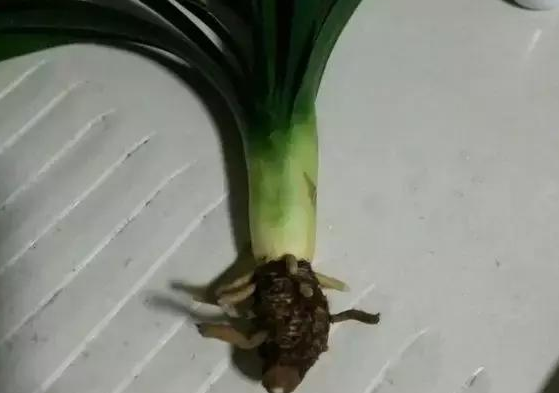
How to handle clivia root rot:
Take the clivia out of the pot, and after cleaning it, use a sterilized sharp knife to cut off the rotted roots. If the rhizome is rotted, it must also be cut off. Soak it in potassium permanganate solution, and when it is almost dry, insert it into moist fine sand. After it has grown roots, transplant it into soil.
If you have rooting powder, you can apply a little after soaking in potassium permanganate solution, but the amount must not be too much.
If there is no fine sand, you can plant it directly into new humus soil. The new soil can first be watered with carbendazim before potting to avoid secondary infection. After that, keep it in a bright place, do not expose it to the sun at first, and water when the potting soil is dry.
Can beer be used to water clivia with root rot:
Yes, it can be watered with beer, but it cannot relieve the root rot condition. Also, this beer is not just poured like that; it needs to be diluted. After mixing water and beer evenly at a ratio of 1:10, spray the leaves, and it can likewise achieve the effect of foliar fertilization.
That is all for the methods of handling clivia root rot. Beer can be used to water clivia.
How to handle clivia root rot: easy solutions to solve it
Clivia rather likes slightly acidic soil. The best planting soil is a mix of sandy soil and some humus soil combined with some pine leaves. A mix of river sand soil with furnace ash residue plus some leaf mold soil is also quite good. If the soil has good air permeability and water permeability when planting, and the cultivation materials are sterilized before use, clivia will suffer from fewer diseases.
Some flower lovers water clivia with some beer to supplement nutrients. What needs to be noted is that when watering clivia with beer, it must be mixed with water and watered once a week.
Do not always water it normally. If you water too frequently, the water in the flowerpot cannot drain out of the pot, causing water accumulation in the pot that soaks and rots the flower roots. After the flower roots rot, the leaves of the clivia will turn yellow and some small spots will appear. At this time, it needs to be handled promptly. If ignored, the leaves will drop whole.
When watering clivia normally, water only after you find that the soil in the flowerpot is dry. It is best to use a small watering can for flowers to spray and water, but do not water from the leaf core, to prevent the core from rotting.
If clivia has leaf spot disease caused by root rot, spray it promptly with carbendazim. You can also use some medicine mixed with water into a paste and apply it to the affected area. When fertilizing clivia normally, the fertilizer must be fully fermented. If fertilizer is applied before it is rotted, clivia will develop root rot and leaf spots.
After clivia roots rot, promptly replace the potting soil, carefully remove the potting soil completely, and remove the rotted roots. Soak in potassium permanganate water for 60 minutes. After soaking, dip it in a layer of plant ash and leave it for one day, then replant it in new soil. Normally, do not place it in an environment with too high a temperature to grow. At noon when the sun is too strong, it needs to be kept in a ventilated place.
Clivia - Clivia growing methods | Clivia pictures | What to do about clivia root rot | Clivia leaves turning yellow
Clivia
Clivia is also called large-flowered clivia, large-leaf lycoris, sword-leaf lycoris, da mu lan, etc. It is a perennial herbaceous plant of the genus Clivia in the Amaryllidaceae family. The flowering period lasts 30-50 days, mainly in winter and spring, and it also blooms around New Year's Day to the Spring Festival. It avoids strong light, is a semi-shade plant, likes coolness, and avoids high temperatures.Clivia growing methods
1. Soil: Fertile, loose neutral or weakly acidic humus soil is the most suitable seedbed for clivia. The choice of soil is the first key factor for clivia, and it is also one of the reasons many people fail to grow it well.
Clivia prices
1. Price of drooping clivia. The growth cycle of drooping clivia is extremely long, generally requiring about 10 years. Its fruit generally has about 2 seeds, the peel is red, and the maturity period takes 9 months. The price of drooping clivia is generally around 400 to 500 yuan.
Clivia leaves turning yellow
[Solutions for clivia leaves turning yellow]
1. Clivia leaves turn yellow, and the small leaves in the middle turn black and rot. Solution: When this symptom appears, you first need to use the above 9 methods to treat the cause. If the small leaves in the middle turn black and rot, further judgment is needed. Pry open the two leaves to check. If the gap between the leaves is black and exuding decayed juice, it can be judged that the formed clivia flower scape did not have time to grow out from between the leaves and directly rotted in the middle of the leaves.
What to do about clivia root rot
The living habits of clivia are roughly like this, so when growing clivia, it should be placed in a semi-shaded environment, and then watered every day in the evening. In hot seasons, methods such as building a shade can be used to keep clivia cool. As for fertilizing, it should be done in moderation. Excessive fertilization will instead cause root rot and other conditions.
The role of clivia
The role of clivia: 1. Cultural accomplishment. Clivia is a high-grade precious flower, with meanings of wealth, nobility, beauty, and magnificence. It can satisfy people's many needs such as beautifying the home, cultivating character, purifying air, improving health, and enhancing cultural and artistic accomplishment, making the home show an elegant and luxurious style and adding brilliance and charm to enrich and adjust people's lives.
Clivia virus prevention and control
1. Southern blight: When this disease occurs, the stem near the roots develops water-soaked brown irregular lesions, the cortex soft-rots, then white silky mycelium grows and spreads over the soil surface around the roots, later forming small sclerotia, and finally becoming rapeseed-like in color, expanding until the entire base rots and dies.
Methods to force clivia to bloom
Method one: force flowering and promote the scape. To make a pot of clivia bloom as soon as possible, it can mainly be achieved by using fertilizer, lowering the temperature, and increasing the temperature difference. First, about fertilizing: the simplest and most practical method is to water with beer (using flowering fertilizer sold on the market also works very well). Beer can be poured directly into the pot, then rinsed with clean water to increase air permeability.
Clivia flower language
The flower language of clivia: noble, with the demeanor of a gentleman
It has the meaning of "nobility": a gentleman is modest, gentle and courteous, talented but not arrogant, successful but not proud, and living in a valley without feeling inferior
Clivia varieties
There are two common types of clivia, one is drooping clivia; the other is large-flowered clivia.
Clivia variants include yellow clivia, variegated-leaf clivia (leaves with markings), and fine-leaf clivia (leaves narrower, darker in color, drooping or arched, with 10-14 flowers, flower color yellow or orange-yellow, and earlier flowering period).
Can clivia be placed in the bedroom
Yes. Clivia is an evergreen perennial herbaceous plant with strong shade tolerance and thick, large, dark green leaves. The leaf mesophyll contains a large amount of chlorophyll and can absorb carbon dioxide and water in sunlight, synthesize organic matter for its own growth and development, and at the same time release oxygen. In addition, on the broad, thick leaves of clivia, there are many stomata and hairs that can secrete a large amount of mucus. During gas exchange, it can absorb a large amount of indoor dust, dirt, and harmful gases, making the indoor air clean. Therefore, clivia is also praised by people as an "absorption machine" and a "dust remover," and the guardian of human health.
Points to note when repotting clivia
1. Preparation for changing soil
(1) Prepare soil: mix leaf mold, pine needles, river sand, and charcoal residue in a ratio of 4, 2, 3, 1 in spring and summer, stir evenly, spray with water until semi-moist, put in a plastic bag, and let it sit for three to five days for later use (in autumn and winter, the leaf mold and river sand can be increased or decreased for use); (2) Fry small hemp seeds or sunflower seeds for later use, no more than 10% in autumn and winter, reduced or not used in spring and summer;
Related encyclopedia
Pocket scale non-woven bag rush pith bamboo shoot crab claw redmi note 3 ykk zipper ybs zipper large mountain cherry creeping wall plum wild senna winter plum green pine wristwatch Omega Longines famous watch children's building blocks flint cymbidium curly stick soursop