What to Do When Rose Leaves Turn Yellow? Find the Cause and Treat It Accordingly
Rose flowers are the blooms of the deciduous small shrub wild rose. Rose is also known as white canhua, cimi, and maixiao, and has been a fine and famous flower since ancient times. Roses and Chinese roses look similar and are cared for in similar ways, except that roses are managed relatively extensively. But during this rough-care process, roses can develop yellowing leaves. So what should you do when rose leaves turn yellow?
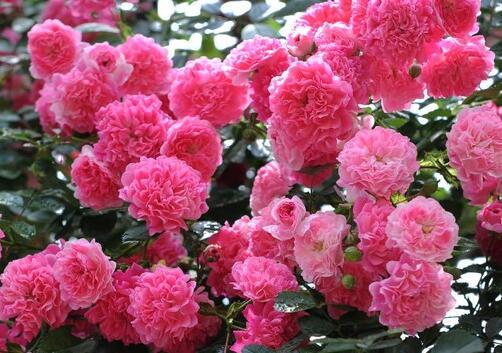
What to do when rose leaves turn yellow:
1. Improper watering
Roses like a moist environment and are afraid of waterlogging. Improper watering, whether too dry or too wet, can affect root growth and cause leaves to turn yellow.
Solution: From early spring budding to the flowering period, water according to weather conditions, generally watering 3-4 times, just keeping the soil moist. If watering is reduced, it will affect the number of flowers. In summer during drought, water another 2-3 times, and in autumn water 2-3 times. Ensure watering does not allow water to accumulate at the roots.
2. Improper fertilizing
Roses are generally fertilized in autumn. If fertilized too early, it will affect root growth. In addition, the amount of fertilizer also matters. Too much fertilizer burns the roots, while too little fertilizer means insufficient nutrients, and both can cause leaves to turn yellow.
Solution: Do not fertilize immediately after planting. If the rose is very weak, you can appropriately spray foliar fertilizer, and wait until autumn to fertilize the soil. For example, urea or monopotassium phosphate solution. Pay attention to the nitrogen content and do not overdose, so as to avoid excessive vegetative growth of branches and leaves that affects flowering.
3. Disease
Yellowing rose leaves may also be threatened by disease. Common diseases include: black spot, powdery mildew, and rust. When the disease occurs, spots of varying degrees appear on the leaves, the leaves lose green, and in severe cases the leaves drop.
Solution: No matter which disease it is, once it appears, it will greatly weaken the rose, so prevention must be done in time. If disease is found, treat it promptly and spray the corresponding pesticide, once a week. Continuous spraying gives better results.
What to do when rose leaves turn yellow
Reason one for rose leaves turning yellow: improper watering
Roses like a moist environment and are afraid of waterlogging. Improper watering, whether too dry or too wet, can affect root growth and cause leaves to turn yellow.
Solution: From early spring budding to the flowering period, water according to weather conditions, generally watering 3-4 times, just keeping the soil moist. If watering is reduced, it will affect the number of flowers. In summer during drought, water another 2-3 times, and in autumn water 2-3 times. Ensure watering does not allow water to accumulate at the roots.
Reason two for rose leaves turning yellow: improper fertilizing
Roses are generally fertilized in autumn. If fertilized too early, it will affect root growth. In addition, the amount of fertilizer also matters. Too much fertilizer burns the roots, while too little fertilizer means insufficient nutrients, and both can cause leaves to turn yellow.
Solution: Do not fertilize immediately after planting. If the rose is very weak, you can appropriately spray foliar fertilizer, and wait until autumn to fertilize the soil. For example, urea or monopotassium phosphate solution. Pay attention to the nitrogen content and do not overdose, so as to avoid excessive vegetative growth of branches and leaves that affects flowering.
Reason three for rose leaves turning yellow: disease
Yellowing rose leaves may also be threatened by disease. Common diseases include: black spot, powdery mildew, and rust. When the disease occurs, spots of varying degrees appear on the leaves, the leaves lose green, and in severe cases the leaves drop.
Solution: No matter which disease it is, once it appears, it will greatly weaken the rose, so prevention must be done in time. If disease is found, treat it promptly and spray the corresponding pesticide, once a week. Continuous spraying gives better results.
What to do when rose leaves turn yellow: 5 causes and treatments
What should you do if the rose you are growing has yellow leaves? I believe many rose growers have encountered this. In fact, there are quite a few causes of yellowing rose leaves. Below are 5 common causes and treatments.
What to do when rose leaves turn yellow 1. Unreasonable lightWhen caring for roses, if the rose is placed in a spot with overly strong light, it will cause the rose leaves to turn yellow and lose their vitality. If the light is too dim, muggy and poorly ventilated, or the air is dry, it will likewise cause rose leaves to turn yellow.
What to doIt is recommended that growers place potted roses in a place with moderate sunlight and a ventilated environment, such as a balcony.
2. Unreasonable wateringRoses are afraid of too much water. If you water slightly too much or too little, it will affect the root growth of the rose and also make the rose leaves turn yellow. Especially in seasons with too much rain, it can easily cause the rose root system to rot, so water and nutrients cannot be transported in time, and the rose leaves will show yellowing.
What to doIt is recommended that growers water according to weather changes. Generally, when roses bud in early spring, water 3-4 times a day, as long as the soil is kept moist.
In summer during high temperature and drought, water another 2-3 times. Generally, watering 2-3 times in autumn is enough, so be sure to water reasonably in different seasons.
3. Unreasonable fertilizingGenerally, newly planted roses should not be fertilized as soon as they are planted. Usually they can only be fertilized in autumn. If fertilized too early, it will cause root burn and kill the rose plant.
At the same time, if too much fertilizer is applied, it will burn the rose roots, and if too little fertilizer is applied, nutrients will be insufficient. Both can cause leaves to turn yellow.
What to doBecause newly planted rose plants are very fragile, it is recommended that growers appropriately spray foliar fertilizer, and wait until autumn to fertilize the soil. Reasonable fertilizing can make roses produce large flowers and lush leaves.
4. Not changing the soil for a long timeIf potted roses are grown, the soil should be changed once every 3 to 6 months. If the soil is not changed for a long time, the soil nutrients will be insufficient, the rose cannot get enough nutrients, and the rose leaves will also turn yellow.
What to doWhen changing the soil for potted roses, take special care not to damage the rose roots. At the same time, when moving the rose back, do not press the soil too tightly. Water appropriately and place it in a sunny spot to wait for the rose to recover.
5. Pests and diseases causing yellow leavesCommon rose diseases include: black spot, powdery mildew, rust, etc. As soon as a rose becomes diseased, spots or symptoms of varying degrees appear on the leaves, and the leaves gradually lose green and turn yellow. In severe cases, the leaves drop in large numbers.
What to doAs soon as growers find signs of disease on roses, they must deal with it promptly and spray the corresponding pesticide on the rose leaves, generally once a week, but note that different pesticides have different spraying frequencies and durations.