How to grow potted blueberries? Potting soil mix is very important
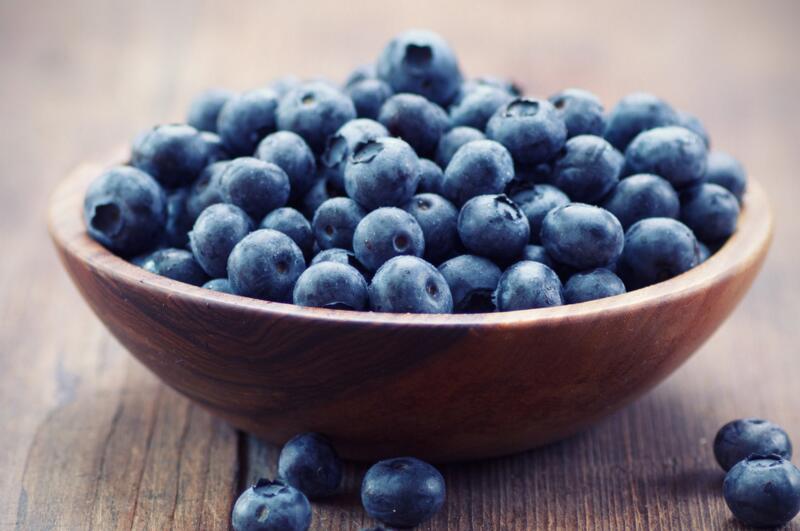
Blueberry, also known as lanmei, dusi, dushi, etc., is a low shrub of the genus Vaccinium in the family Ericaceae. In increasingly compact cities where land is worth its weight in gold, it is mainly grown in pots, and almost all blueberries are suitable for pot cultivation. Now let's take a closer look at the planting methods for potted blueberries.
1. Potting soil mix
Blueberries can only grow healthily in acidic media. A pH value of the growing soil between 4.5 and 5.5 is most suitable for blueberry growth. The pH value of garden soil is generally between 6 and 7. Even the acidic soil sold at flower and bird markets has a pH value of at least between 5.5 and 6. General planting bases use sulfur powder to acidify the soil. Adding one gram of sulfur powder per liter of soil can lower the soil pH value by 1. Some individual varieties do not have high acidity requirements, but none grow as well as those planted in acidic soil.
2. Reasonable fertilization
Blueberries dislike heavy fertilizer and calcium. During planting, it is generally enough to add decomposed cow, sheep, or rabbit manure or use leaf mold at the initial stage of planting. They dislike heavy fertilizer, but that does not mean no topdressing is allowed, so a small amount of topdressing is still necessary in later planting. Avoid heavy fertilization. Generally, a compound fertilizer with a nitrogen-phosphorus-potassium ratio of 1:1:1 or a 1:2000 ammonium sulfate solution is used. Also note to keep away from calcium-containing things, such as eggshells that some people often put in flower pots.
3. Timely watering
Blueberry roots are shallowly distributed and like moisture, so timely watering is very necessary. When watering blueberries, pay attention to the water source and water quality. Deep well water generally has a relatively high pH value and high sodium and calcium content. Long-term use will affect blueberry growth. When irrigating, sulfuric acid can be used to adjust the pH value to about 4.5-5.5 before watering, but after about every 3 irrigations, water once with acid water. Proper watering can help blueberries resist high temperatures and safely get through summer.
4. Light control
Blueberries' demand for light, like that of other plants, is indispensable. Comparatively speaking, for the same variety, if light intensity is insufficient, fewer flower buds will be produced and fruit quality will decrease. For orchards with excessively high planting density, proper pruning helps photosynthesis proceed. For balcony and terrace growers, blueberry light management is somewhat simpler than in orchards, but attention should still be paid to ventilation.
5. Cold protection management
Lowbush and half-highbush blueberries have relatively strong cold resistance, but due to different low temperatures in various regions, freezing damage still occurs when extreme weather appears. The main issues are freezing damage to the ends of branches and flower buds during open-air overwintering, and even the death of the entire plant from freezing. Therefore, in cold regions, blueberry cultivation and overwintering protection are also important measures to increase yield.
Key points for selecting blueberry seedlings for pot cultivation
Potted blueberries have gradually become a plant grown on balconies by many flower lovers. They can not only be used for ornamental purposes, but their fruit also has certain health benefits, making them very suitable for growing on one's own balcony or in a courtyard. Before keeping potted blueberries, choosing a good seedling is very important.
Potted blueberry
However, because blueberry care is somewhat difficult, the following points should be noted when purchasing blueberry seedlings:
1. When purchasing seedlings, first choose the right variety. A variety is key to whether a fruit tree bears fruit. When cultivating blueberries, be sure to purchase large-fruited varieties, that is, blueberry varieties suitable for local cultivation.
2. It is best to choose large seedlings of two years, three years, or more for cultivation. Choose healthy seedlings with 3-5 branches, over 30 cm, free of pests and diseases, with complete root systems, and no mechanical damage for cultivation.
3. It is best to choose varieties propagated in nutrient pots. This kind of seedling has a high survival rate and can be cultivated at any time in spring, summer, and autumn, without being limited by season.
4. Before the seedlings are purchased and brought back, be sure to prepare the cultivation soil in advance and adjust the acidity and alkalinity properly, because blueberries are perennial fruit trees and can grow for decades after one planting. Therefore, when planting, the first soil use must be adjusted well to avoid being unfavorable for later growth.
What potted fruit trees are there, potted fruit tree pictures, potted fruit tree techniques, potted fruit tree price list
Potted fruit trees
Potted fruit trees, as the name suggests, means planting fruit trees in flower pots.Potted fruit tree pictures
Potted fruit trees can be any kind of fruit tree. Basically, current technological development can satisfy the grafting and transplanting of every kind of fruit tree. The most common types of potted fruit trees include Citrus unshiu, apple, grape, and strawberry, etc. Of course, some uncommon fruits can also be grown as potted plants, such as blueberry and dragon fruit. No matter which kind of fruit tree is grown in a pot, the first condition is to ensure that the plant seedlings are virus-free and pest-free. This is the primary basic condition for the survival of potted fruit trees.
What potted fruit trees are there
1. General fruits can all be grown in pots, such as grape, apple, apricot, plum, crabapple, fig, plum, peach, and so on.
2. Dwarfed fruit trees (flat peach, apricot, pomegranate, apple, ginkgo, etc.), fig, kumquat, jujube tree.
Potted fruit tree price list
1. Potted blueberry
Seller: Suqian Hualuoge Landscape Construction Co., Ltd.
Price: 40 yuan/tree (1-19 trees)
38 yuan/tree (20-999 trees)
Tree age: 1-10 years
2. Potted pomegranate
Seller: Jinan Jinxiuyuan Pomegranate Bonsai Horticulture
Price: 1200 yuan/pot (1-4 pots)
960 yuan/pot (5-99 pots)
840 yuan/pot (100 pots and above)
Potted fruit tree techniques
1. Selection of flower pots: Flower pots with good breathability should be used, so that the root system of our fruit trees can grow better, and the price is not very expensive, while the appearance is also attractive. For example, our clay pots, wooden barrels, etc., with a round shape. Among various types of containers, our unglazed clay pots are most beneficial for potted fruit trees. The size of the flower pot can be selected according to the number of fruits we are cultivating. Usually, for indoor placement or on a balcony, flower pots with a mouth between 25 cm and 45 cm can be used.
2. Selection of potting soil: The potting soil for fruit tree growth is usually neutral soil, such as sandy soil and sandy loam soil. There are many types of formulations, and we can choose nearby.
3. Potting: We should cultivate saplings free from pest and disease damage, with relatively thick trunks, and transplant them into pots before buds sprout in spring. Before potting, we should properly prune their root systems, cut off already withered roots, trim the lateral roots flat, and cut particularly long lateral roots into short roots, so as to facilitate the later growth of fibrous roots. When potting, we should place a few broken tile pieces at the small hole at the bottom of the pot, put a layer of coarse sand, then place part of the nutrient soil with nutrients inside, then place our small sapling in the pot. Its roots should be placed evenly in the pot, then put nutrient soil on top to completely cover them, and press firmly, then pour water into it, and at the same time cover with a layer of plastic film.
Related encyclopedia
Pocket scale non-woven bag lamp rush bamboo shoot crab claw redmi note 3 ykk zipper ybs zipper Prunus sargentii climbing rose Senna nomame wintersweet pine watch Omega Longines famous watch children's building blocks flint Cremastra appendiculata curling iron soursop