How to Grow Golden Pothos Philodendron and the Origin of the Name "Evil-Warding King"
When it comes to the golden pothos philodendron, many people enjoy growing it, and its name is extremely auspicious. Let's take a look at how to grow it. Why is it called the "Evil-Warding King"?
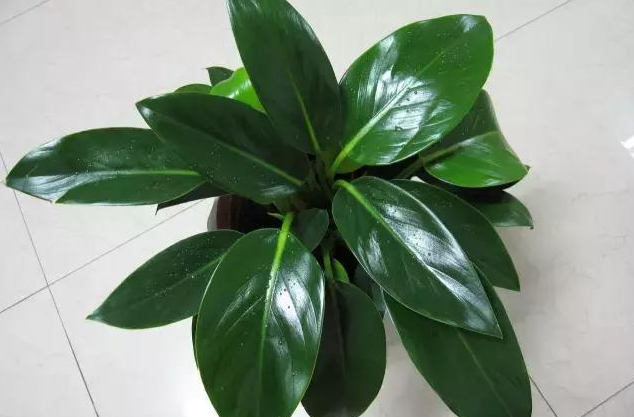
Growing methods for the golden pothos philodendron:
1. Soil selection: The golden pothos philodendron is not very demanding about soil; as long as the soil is loose, fertile and airy, it is basically fine.
2. Temperature: In summer, do not leave it in direct sunlight for long periods. If the temperature gets too high, you can wipe the leaves with a damp cloth. Remember, never place the golden pothos philodendron next to a heater.
It should be placed in a ventilated spot, preferably near a window. When the temperature is high, it is best to keep the window open all day; in winter, open it for a while at noon, and do not open it in the morning or evening, for fear the plant will get too cold.
3. Watering: The golden pothos philodendron prefers moist soil. Summer temperatures are relatively high, so water evaporates quickly, so you can water once a day. Also remember to spray a little water on the leaves (you can add a small amount of nutrient solution).
In winter, water once every one to two weeks, but if the indoor temperature is too high and evaporation is significant, you can water a bit more as appropriate. The potting soil must not be too wet and must not hold standing water.
4. Fertilizing: During the growing season (generally May to September), apply a small amount of fertilizer every three days; at other stages, just apply a little fertilizer. In winter, basically no fertilizing is needed. The principle is to apply thin fertilizer frequently, mainly nitrogen fertilizer.
Why is the golden pothos philodendron called the "Evil-Warding King"?
Because the golden pothos philodendron absorbs various toxic gases as nutrients (SO2, SO3, NO, etc.) and has the effect of purifying the air. That is why it has the title of "Evil-Warding King."
That is all for the growing methods of the golden pothos philodendron. This plant has the title of "Evil-Warding King" and can purify the air, so why not get one for your home right away?
Why Can the Golden Pothos Philodendron Ward Off Evil? Why Is It Called the Evil-Warding King?
The golden pothos philodendron is also called spring feather. There is likewise a type whose leaves turn dark red or slightly red, called red emerald, with wide, palm-shaped leaves, a well-developed root system and strong vitality. It can absorb toxic gases such as sulfur dioxide from the air very well and has the effect of purifying the air, making it quite suitable as an indoor foliage plant. So why can the golden pothos philodendron ward off evil? Why is it called the Evil-Warding King? Below, the editor of wed114 wedding website brings you the detailed content.
Why Can the Golden Pothos Philodendron Ward Off Evil?
The golden pothos philodendron is a plant whose full name is Philodendron 'Golden Diamond', in the Araceae family and Philodendron genus, also known as golden diamond. It is a relatively popular indoor foliage plant at present. Its leaves are thick and emerald green, with a glossy, firm surface, and its leaf stalks are long and sturdy. Placed indoors, it looks elegant and refined, rich in tropical rainforest atmosphere. Philodendron 'Golden Diamond' can also absorb various toxic gases, such as sulfur dioxide, sulfur trioxide, nitric oxide, etc., playing a role in purifying the air, and is therefore called the “Evil-Warding King.”
Habits of the Golden Pothos Philodendron
The golden pothos philodendron has strong vitality. Its leaves are wide and palm-shaped, and each leaf lives as long as 30 months. It is often placed indoors and looks elegant and refined, making it an excellent foliage plant.
Large golden pothos philodendrons can be placed in living rooms, hotel lobbies and offices for viewing. Small plants can be placed on desks, dining tables, coffee tables and other places for appreciation.
The golden pothos philodendron likes a warm, humid, semi-shaded environment. It is not cold-tolerant and fears strong light. It is not strict about soil, and grows best in sandy loam rich in humus and with good drainage. For potting, a nutrient soil mixed with peat and perlite is often used.
The Flower Language and Meaning of the Golden Pothos Philodendron
A golden pothos philodendron with luxuriant branches and leaves gives people a feeling of prosperity, and its vitality is extremely strong. Its leaves are emerald green and verdant, symbolizing vigorous life. Therefore, its flower language is many children and great blessings.
Growing Tips for the Golden Pothos Philodendron
The golden pothos philodendron is an indoor potted foliage plant. Its plant shape is very graceful, its leaves are broad and thick, and it appears simple and dignified with remarkable momentum, making it very popular. It grows in a warm and humid environment and likes bright scattered light. It is suitable at 20—30°C, and its overwintering temperature is 10°C. When planting in pots, equal parts peat soil, leaf mold, garden soil and river sand can be mixed as a substrate, with farmyard manure as fertilizer, and in summer the sun should not shine directly on it.
When growing the golden pothos philodendron, it should be placed in a warm and humid environment. When watering, the potting soil should not be too wet. In winter, water once every two weeks; in summer, water once a day. In summer, do not let the sun scorch it, otherwise the leaves are prone to scorch spots. In winter, watering too frequently can easily cause leaf drop and rot.
The growing tip for the golden pothos philodendron is to keep the temperature at around 20°C, not below 10°C, and avoid exposure to heating, air conditioning and cold drafts. Also, the air humidity should be kept between 50-75%. Sunlight must not shine directly on it. Fertilizing should follow the principle of thin fertilizer applied frequently. Do not water too frequently; water again when about 70% dry, and it is best with relatively strong scattered light.
Cultivation of the Golden Pothos Philodendron
Propagation can be done by division or cuttings. Generally, healthy and robust plants can produce tillers at the base; after they take root, they can be removed and planted separately. Alternatively, the upper part of the plant can be cut off and rooted as a cutting, and the base of the old plant will sprout several young shoots, which can be used for propagation. In tropical regions, fresh seeds can also be used for propagation, with an optimum germination temperature of 25-30°C.
The potting substrate is commonly made by mixing leaf mold, peat soil and river sand. When repotting each time, apply enough base fertilizer. During the growing season, some light fertilizer can be applied appropriately, but not too much. Usually spray water on the leaves more often, and in winter watering should be properly controlled. When maintained outdoors, it should be placed in a shaded spot. It can grow in any indoor position, but a bright spot is better. Pests and diseases are relatively few. In dry climates, ** it has a certain tolerance to both high and low temperatures.
It is not cold-tolerant. In the north, it is overwintered indoors in pots. Bring it indoors before the first frost and place it in a sunny spot. As long as the room temperature stays above 8°C, it can overwinter safely. Winter management should control moisture, watering when the potting soil looks dry. For mature plants, before bringing them out each year, replace the soil with loose, fertile nutrient soil, and place hoof and horn pieces or oil residue in the pot as base fertilizer.
In late April, move the flowerpot outdoors to a sheltered, sunny spot for management. In summer, high temperatures make it averse to intense direct sunlight, so shade measures should be taken. Spring feather has a high water requirement. In summer, water thoroughly twice a day, frequently spray the leaves, and clean the leaf surfaces to maintain a fresh and humid microclimate. Usually water with rice-washing water or diluted chicken or fish blood water to increase soil fertility and prevent the potting soil from compacting. Spring feather grows quickly. With water, fertilizer, light and temperature well adjusted, it can grow 375 leaves in a year.
Why Do Golden Pothos Philodendron Leaves Develop Yellow Spots? Winter Growing Techniques for the "Evil-Warding King"
Why do golden pothos philodendron leaves develop yellow spots? The golden pothos philodendron, also called Philodendron 'Golden Diamond' or the "Evil-Warding King," is an indoor foliage plant that can purify the air and has become quite popular in the flower market in recent years. But recently a flower-growing friend left a message saying that when growing the golden pothos philodendron in winter, its leaves develop yellow spots, which is not good for its growth. So the editor will now talk about winter growing techniques for the golden pothos philodendron.
1. How to grow the golden pothos philodendron in winter?
1. Soil: The soil should be loose, fertile and airy. Of course, you can also go to a place that specializes in selling flowers or flower fertilizer and buy pre-mixed soil. Generally, slightly acidic soil is more conducive to the growth of the golden pothos philodendron.
2. Temperature: The golden pothos philodendron has a relatively strong ability to adapt to the environment. In winter, keeping the temperature above 5°C is enough.
3. Water: In winter, watering once every 7-14 days can ensure its normal growth. If the temperature is relatively high, evaporation will also be relatively high, so you can water a bit more as appropriate.
4. Fertilizing: In winter, fertilizing depends on the growth condition of the golden pothos philodendron.
5. Repotting: It needs repotting every spring. The golden pothos philodendron grows slowly in winter, so fertilizing should be stopped and water reduced. For home cultivation, it should be renewed after 3 to 4 years.
6. Environment: In winter, you can open the window for ventilation during the slightly warmer period at noon, but be sure to remember not to open the window in the morning or evening, to prevent the golden pothos philodendron from freezing.
2. What to do if the golden pothos philodendron leaves have yellow spots? How to remedy it?
1. Overwatering: Tender leaves turn dark yellow and lack luster, indicating overwatering. Therefore, you can take the plant out of the pot, place it in a ventilated and shady area to let the root ball dry naturally, and then put it back in the pot.
2. Underwatering: Yellowing caused by lack of water shows as withered, dry leaf tips or edges, with old leaves turning yellow and falling from the bottom up, but new leaves growing relatively normally. When growing the golden pothos philodendron, just be sure to water enough and water thoroughly.
3. Too much light: Strong direct sunlight on some shade-loving flowers can easily cause the leaf tips and leaf edges to wither, with yellow spots appearing on the sun-facing parts of the leaves. So simply move it to a shaded spot.
4. Insufficient light: Placing it in a shaded environment for a long time prevents the leaves from getting enough sunlight, so they cannot form chlorophyll. Supplementing light can avoid this problem.
5. Too much fertilizer: Yellowing of flowers caused by too much fertilizer or overly high concentration, with old leaves turning scorched yellow and falling off, means fertilizing should be stopped; in severe cases, use a large amount of clean water to flush out part of the fertilizer.
6. Soil pH: The golden pothos philodendron likes acidic soil, while water in the north tends to be alkaline. When growing the golden pothos philodendron, the leaves will gradually fade and turn yellow, or even fall off. Therefore, when watering, use fermented rice-washing water or rainwater.
3. Prevention and control methods for yellowing leaves of the golden pothos philodendron
It is often improved by spraying or sprinkling water to increase air humidity; keep the temperature at 20 degrees, and at the same time avoid exposure to heating, air conditioning and cold drafts; avoid direct sunlight, and do not place it in a shaded environment for a long time; fertilizing should follow the principle of thin fertilizer applied frequently, mainly nitrogen fertilizer; frequently spraying water and wiping the leaves can effectively prevent pests, and when diseases appear, they can be controlled by spraying carbendazim, chlorothalonil, etc.