How do you tell if a hydroponic plant has root rot, and how do you deal with it?
When it comes to hydroponic plants, many people absolutely love them, and they are also super convenient to grow. Let's take a look at what to do about root rot in hydroponic plants. How to tell whether a hydroponic plant has root rot:
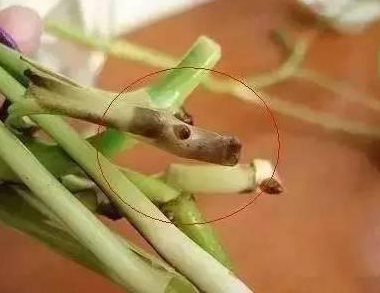
What to do about root rot in hydroponic plants:
1. If a hydroponic plant has root rot, you must promptly cut off the rotted parts, then use some carbendazim or thiophanate-methyl (sold at flower shops) for disinfection. You can put the fungicide into the water and soak the roots for one day, then change to fresh tap water the next day;
2. Rinse the hydroponic pot clean;
3. After cutting off the rotted parts of the plant, grow it in clean water only, and wait for a period of time until the plant grows new roots before adding nutrient solution.
How to tell whether a hydroponic plant has root rot:
1. Pick up the plant and check whether the roots soaked in water have turned yellow, black or soft. If so, it means the plant has already begun to rot at the roots;
2. Smell it with your nose. If there is a foul odor, it means the plant's roots have already rotted;
How to prevent root rot in hydroponic plants:
1. The water for hydroponic plants should be kept within the range of 18-28°C. If the temperature is relatively high, we can use a larger container for the hydroponic plant, and we can also place the hydroponic plant in a cool place. In addition, we can add a certain concentration of hydrogen peroxide to the solution, or sterilize it by methods such as ozonation and ultraviolet irradiation. This is an effective way to prevent bacterial root rot.
2. Make sure the nutrient solution has a sufficient supply of oxygen, and maintain a suitable temperature for plant growth.
3. Do not submerge the entire roots and stems in water. Generally, it is best to leave half of the roots in the water and expose the other half to the air. This can greatly increase the oxygen supply to the plant's roots and effectively reduce the occurrence of root rot.
That is all for the methods of dealing with root rot in hydroponic plants. It is best not to grow hydroponic plants in winter, as they die easily and waste your money.
What to do about root rot in hydroponic plants? Methods to avoid root rot in hydroponic plants
Compared with soil-grown potted plants, hydroponic flowers are cleaner and do not need watering, so many flower lovers like hydroponic flowers. For example, hydroponic Monstera deliciosa, pothos, Aglaonema modestum, lucky bamboo, spider plant, as well as bulb flowers such as tulips, lilies, hyacinths and so on. But during hydroponic growing, many flower lovers encounter the problem of root rot, so how can hydroponic root rot be avoided?
1. How can root rot be avoided?
First, we should change the water regularly according to the type of flower and how well it adapts to hydroponic growing.
Flowers that especially love water, or aquatic flowers, adapt very well to the hydroponic growing environment. After being grown hydroponically, they can quickly produce roots and grow well, so the water-changing interval for this type of flower can be longer.
Some flowers cannot adapt well to the hydroponic environment. After being grown hydroponically, they grow slowly and may even develop root rot, so this type of flower needs more frequent water changes.
In the early stage of hydroponic growing, you should sterilize and change the water frequently, even changing the water once every 1-2 days. After roots appear and growth recovers, gradually reduce the frequency of water changes.
2. How can flowers quickly adapt to the hydroponic environment?
1. Root washing
The root-washing hydroponic method refers to washing the soil off the roots of a finished soil-grown flower before growing it hydroponically. When washing, try to use running water.
After the flower roots are washed clean, place them in a prepared container, secure them, and add clean water that covers half of the roots, or more than half.
At the beginning, change the clean water once a day, and at the same time wash the roots and container. After one week, reduce the frequency of water changes.
When the hydroponic flower grows new roots in the water, or clearly grows, it means it has adapted to the hydroponic environment. At this point, the water can be changed once every 7-10 days.
2. Water cuttings
The water cutting method is the simplest and easiest hydroponic method for survival.
From a selected mother flower plant, cut a section of branch. When cutting the branch, the cut surface should remain flat and must not have longitudinal cracks. Then insert the branch into water and change the clean water once every 2-3 days until new roots grow.
The above is the method compiled by the Huinong website editors on how to better grow hydroponic plants and keep hydroponic plants from developing root rot. Finally, no matter which hydroponic method is used, frequently changing the water, washing the roots, and sterilizing and disinfecting during the hydroponic process are especially important for hydroponic flowers to prevent root rot!
What to do about root rot in hydroponic plants? How to tell whether a hydroponic plant has root rot
What to do about root rot in hydroponic plants?How to tell whether a hydroponic plant has root rot
Everyone who loves growing green plants knows that hydroponic plants are generally easier to grow than soil-grown plants, but if the plant develops root rot, it is no longer lovely. What should be done at this time? Today Huahua will tell everyone about the series of problems related to root rot in hydroponic plants~
How to tell whether a hydroponic plant has root rot
1. Look at the plant roots. If you find that the roots have turned yellow, black or soft, gently pull at the root collar, and the outer skin tears off very easily, leaving only the lignified part, it means the plant already has root rot.
2. Smell the plant roots with your nose. If there is a foul odor, it means the plant's roots have already rotted.
3. Smell the water of the hydroponic plant with your nose. If the water has a foul odor, it means the plant's roots may also have rotted and deteriorated.
Causes of root rot in hydroponic plants
1. The dissolved oxygen content in the hydroponic water is low, causing the plant roots to die from lack of oxygen.
This situation is more obvious in summer. You can directly shake the container to increase the dissolved oxygen content in the nutrient solution.
2. The water submerges all the roots or even the root-stem part.
This is also a place that people easily overlook in home soilless cultivation. Generally, the best cultivation is to leave half of the roots in the water and expose the other half to the air. This can greatly increase the oxygen supply to the plant's roots and effectively reduce the occurrence of root rot.
3. Check the water quality.Residual plant fragments and so on in the water cause the water quality to deteriorate. If the water is found to be relatively cloudy or has an abnormal odor, the water should be changed promptly to ensure normal plant growth.
4. Temperature.
Temperature here largely refers to the water temperature, because high temperatures can cause the aging of the plant's root system. Therefore, the maximum water temperature should not be maintained above 30°C for a long time. This is a major factor in summer. The usual solution is to avoid direct sunlight and add a shade net when necessary.
Methods for dealing with root rot in hydroponic plants
1. After discovering root rot, all the rotted roots must be removed or cut off. If the stem is infected, the infected part must also be cut off.
2. Soak the treated flower in a 0.5% potassium permanganate solution for 10-20 minutes to sterilize it, and spray a 0.5% potassium permanganate solution into the original growing container to disinfect it.
3. Take out the soaked flower, rinse it with clean water, and at the same time wash the original growing container.
4. After the plant develops root rot, just grow it in clean water. Wait until the plant adapts to the environment and grows new roots before adding nutrient solution.