Reasons for yellowing leaves on yew (Taxus) and how to fix them, plus placement suggestions
Every Christmas, we often use yew to make Christmas wreaths. It is a common plant in daily life and is also often used as a garden landscape tree. So it is also common for yew to get sick, and the most important thing is that the grower knows how to care for it, which would be ideal.
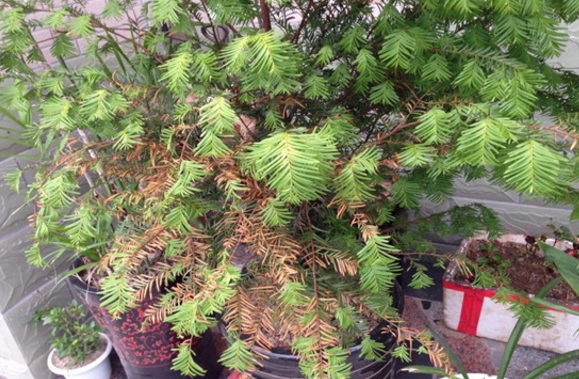
Reasons for yellowing leaves on yew and how to fix them
1. Sudden changes in the yew's growing environment
Sudden changes in the growing environment can prevent the yew from adapting all at once, leading to poor growth and the appearance of yellowing leaves.
Solution:
When transplanting yew, create an environment similar to the original one, then adjust it gradually. When the growing environment suddenly changes, do the same and adjust gradually.
2. Overwatering or underwatering the yew
During cultivation, overwatering can cause the yew's young leaves to become dull and lusterless, and the growing tips of new shoots to wilt. Prolonged lack of water can cause the leaf edges to dry out, lack moisture, and turn yellow.
Solution:
When the situation is not very serious, control the amount of water given, use a trowel to gently loosen the surface soil of the pot to let the soil breathe, and move it to a place with dew every night. When the situation is serious, replace the soil directly. When watering, follow the principle of not watering until dry, and watering thoroughly when you do. Note that the surface of the potting soil may be dry while the soil in the middle is not necessarily lacking water. When watering, you can use some medication to prevent root rot.
3. Yew exposed to scorching sun
In high-temperature summer weather, exposing the yew to direct sunlight causes excessively strong transpiration, and the roots cannot replenish water fast enough, causing the leaves to lack water and thus wilt and turn yellow.
Solution:
Move the yew indoors, spray water on the leaves, and it will recover after some time.
4. Dry air around the yew
Yew is not suitable for placement at the air outlet of an air conditioner, as this increases water evaporation from the yew's leaves, causing the branches and leaves to dehydrate quickly, the leaf surfaces to curl and dry out, and wilting and drooping to occur.
Solution:
If the air conditioner is on indoors, spray water on the yew's leaves to maintain leaf moisture, and place a basin of water in the room.
5. Insufficient sunlight for the yew
Insufficient light. Photosynthesis is weak, and photosynthetic products cannot circulate back to supply the roots, so the roots lack nutrients, causing the leaves to turn yellow and drop.
Solution:
Move it to a balcony or outdoors in the morning and evening, doing this once every few days.
6. Temperature too high or too low for the yew
If the ambient temperature where the yew is kept is too high, the leaves will lack water and appear scorched yellow. If the temperature is too low, it will affect the plant's internal nutrient transport, leading to nutrient deficiency and yellowing leaves.
Solution:
When the temperature is too high, spray a mist of water on the yew's leaves to keep them moist. When outdoor weather changes greatly, pay attention to protecting the yew from cold and keeping it warm.
7. Overfertilizing or underfertilizing the yew
Newly purchased yew should not have fertilizer liquid sprayed on the surfaces of new buds and leaves, as this can cause the yew's young leaves or buds to shrink and curl. Long-term lack of fertilizer can cause the yew's leaves to turn yellow and growth to slow down.
Solution:
When too much fertilizer has been applied, dilute the fertilizer water appropriately, or replace the potting soil. When there is a long-term lack of fertilizer, apply nitrogen, phosphorus, and potassium.
8. Yew affected by pests and diseases
Pests and diseases can cause small brown spots to appear on the lower needles and small twigs of the seedling, gradually expanding into dark brown, and finally causing the leaves to die.
Solution:
When leaf blight and red blight occur, treat them, using Bordeaux mixture or Tuzet (thiram) for control.
Where is yew suitable for placement
1. The placement environment for yew
When cultivating yew, placing it in a suitable location is very important. First, you need to see what environment the yew is suitable for growing in.
Yew prefers somewhat dry conditions, and the growing environment should not be too humid. Generally, when grown indoors, it should be placed in a spot with good sunlight and relatively good ventilation. However, be careful not to place it in too shady a spot, as this will cause the yew's branches and leaves to grow leggy. Generally, placing the yew on a balcony or windowsill is fine, but in summer, be careful to shade it in time to prevent strong light from scorching its leaves.
In addition, it is best not to place yew next to a television. One reason is that the yew's moisture will have a negative effect on the television, and another is that the television emits some radiation, which will damage the yew's cells and cause it to wither and die.
2. The placement direction for yew
In terms of feng shui, yew is more suitable for placement in the southeast direction. Placing the yew here represents having family and health. From the perspective of the five elements, yew combines the characteristics of the five elements; it contains five colors. The root bark of the yew is purplish red, representing fire; the leaves are green, representing wood; the stem is yellowish brown, representing earth; and the seeds have red skin and black cores, representing metal. From these aspects, if the wood energy in the home is relatively strong or the water energy is insufficient, the yew can be placed at the entrance of the hall. If there is too much yellow in the home or the fire energy is too weak, the yew can be placed at a screen wall or on a small table. If there are too many images in the home or the wood energy is too weak, the yew can be placed in a wall corner and beside the bed. If there is too much black in the home or the earth energy is too weak, the yew can be placed in the bedroom or at the entrance door.
Reasons for yellowing leaves on yew and how to fix them
Sudden changes in the yew's growing environment
Sudden changes in the growing environment can prevent the yew from adapting all at once, leading to poor growth and the appearance of yellowing leaves.
Solution
When transplanting yew, create an environment similar to the original one, then adjust it gradually. When the growing environment suddenly changes, do the same and adjust gradually.
Overwatering or underwatering the yew
During cultivation, overwatering can cause the yew's young leaves to become dull and lusterless, and the growing tips of new shoots to wilt. Prolonged lack of water can cause the leaf edges to dry out, lack moisture, and turn yellow.
Solution
When the situation is not very serious, control the amount of water given, use a trowel to gently loosen the surface soil of the pot to let the soil breathe, and move it to a place with dew every night. When the situation is serious, replace the soil directly. When watering, follow the principle of not watering until dry, and watering thoroughly when you do. Note that the surface of the potting soil may be dry while the soil in the middle is not necessarily lacking water. When watering, you can use some medication to prevent root rot.
Yew exposed to scorching sun
In high-temperature summer weather, exposing the yew to direct sunlight causes excessively strong transpiration, and the roots cannot replenish water fast enough, causing the leaves to lack water and thus wilt and turn yellow.
Solution
Move the yew indoors, spray water on the leaves, and it will recover after some time.
Dry air around the yew
Yew is not suitable for placement at the air outlet of an air conditioner, as this increases water evaporation from the yew's leaves, causing the branches and leaves to dehydrate quickly, the leaf surfaces to curl and dry out, and wilting and drooping to occur.
Solution
If the air conditioner is on indoors, spray water on the yew's leaves to maintain leaf moisture, and place a basin of water in the room.
Insufficient sunlight for the yew
Insufficient light. Photosynthesis is weak, and photosynthetic products cannot circulate back to supply the roots, so the roots lack nutrients, causing the leaves to turn yellow and drop.
Solution
Move it to a balcony or outdoors in the morning and evening, doing this once every few days.
Temperature too high or too low for the yew
If the ambient temperature where the yew is kept is too high, the leaves will lack water and appear scorched yellow. If the temperature is too low, it will affect the plant's internal nutrient transport, leading to nutrient deficiency and yellowing leaves.
Solution
When the temperature is too high, spray a mist of water on the yew's leaves to keep them moist. When outdoor weather changes greatly, pay attention to protecting the yew from cold and keeping it warm.
Overfertilizing or underfertilizing the yew
Newly purchased yew should not have fertilizer liquid sprayed on the surfaces of new buds and leaves, as this can cause the yew's young leaves or buds to shrink and curl. Long-term lack of fertilizer can cause the yew's leaves to turn yellow and growth to slow down.
Solution
When too much fertilizer has been applied, dilute the fertilizer water appropriately, or replace the potting soil. When there is a long-term lack of fertilizer, apply nitrogen, phosphorus, and potassium.
Yew affected by pests and diseases
Pests and diseases can cause small brown spots to appear on the lower needles and small twigs of the seedling, gradually expanding into dark brown, and finally causing the leaves to die.
Solution
When leaf blight and red blight occur, treat them, using Bordeaux mixture or Tuzet (thiram) for control.
Causes of yellowing leaves on yew: what to do when yew leaves dry up
Yew is an ornamental flowering plant that many people most enjoy growing at home, but during cultivation it often shows symptoms of yellowing or drying leaves. What should be done then? In fact, there are many reasons that cause yew leaves to turn yellow and dry up, and they should be addressed according to the cause. Below I will explain in detail the reasons for yellowing leaves on yew and what to do when yew leaves dry up.
Causes of yellowing leaves on yew: what to do when yew leaves dry up1. Insufficient light causes yellowing leaves
If yew receives insufficient light during cultivation, it will cause the leaves to turn yellow or dry up. Although this plant is very shade-tolerant, it still needs a moderate amount of sunlight while growing. If light is insufficient, photosynthesis cannot proceed, which will also cause the leaves to turn yellow and dry up. At this time, simply moving the yew to the sunlight in the morning and evening for placement can prevent these yellowing and drying leaves from appearing.
2. Water imbalance causes yellowing leaves
Water imbalance is also an important cause of yellowing or drying leaves on yew. Therefore, when watering yew normally, pay special attention: when you water, water thoroughly, but do not overdo it. In addition, adding some carbendazim or ferrous sulfate when watering is also very beneficial for preventing yellowing leaves and dried leaves.
3. A small pot with a large seedling can also cause yellowing leaves
When growing yew normally, repot it in time. If a small pot with a large seedling occurs, it will also cause the yew's leaves to show symptoms of yellowing or drying up, because when the seedling is large and the pot is small, it simply cannot provide the necessary nutrients for the yew, and its root system will extend to the edge of the flowerpot, causing root tip death. After this happens, the yew's leaves will turn yellow or directly dry up and fall off.