What to Do When Golden Diamond Philodendron Leaves Turn Yellow? Detailed Propagation Methods
The Golden Diamond Philodendron has a lovely name and looks beautiful too. Grown in an office or at home, it purifies the air and lifts your mood. The name "Golden Diamond" sounds like something very precious, so we should care for it with all our hearts.
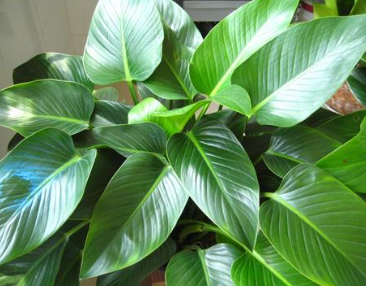
What to Do When Golden Diamond Philodendron Leaves Turn Yellow
Causes of Yellowing Leaves in Golden Diamond Philodendron:
1. Potting soil causes
Poor soil selection can affect the growth of the Golden Diamond Philodendron. When the soil lacks trace elements such as nitrogen, phosphorus, potassium and magnesium, the leaves will turn yellow.
Nitrogen deficiency in potting soil: leaves are small, pale yellow in color, with lower leaves yellowing first, gradually the whole plant loses its green color, and the lower part becomes even more yellow and pale.
Phosphorus deficiency in potting soil: leaves curl, color turns dark green, and the areas between the veins of lower leaves turn yellow.
Potassium deficiency in potting soil: the edges of lower leaves turn brown and the plant easily lodges.
Magnesium deficiency in potting soil: leaf edges and centers lose their green color and turn white, progressing from bottom to top.
Iron deficiency in potting soil: scorched brown spots appear on the leaves and they dry up.
2. Improper watering
Both overwatering and underwatering can cause leaves to turn yellow, but the symptoms differ slightly.
When the Golden Diamond Philodendron is overwatered, the young leaves turn dark yellow and lose their luster, the stems become thin, and new shoots grow slowly; when underwatered, the leaf tips and edges dry up, and the old leaves turn yellow and drop from top to bottom, but the new leaves grow normally.
3. Improper lighting
The Golden Diamond Philodendron is a shade-loving plant that grows well with appropriate indirect light. If the light is too strong, the leaves get scorched and turn yellow; if it is kept in a shady spot for a long time with no light, the plant turns yellow due to slowed growth.
4. Pests and diseases
The Golden Diamond Philodendron is a foliage plant, and pests and diseases mainly harm the leaves, slowing the plant's growth and making the leaves dull and lusterless. In severe cases, the whole plant dies.
Prevention and Treatment Methods for Yellowing Leaves in Golden Diamond Philodendron:
1. Control temperature and increase humidity
The Golden Diamond Philodendron likes a warm, humid environment. Keep the temperature around 20°C, and no lower than 10°C. Also, keep it away from heating, air conditioning and cold drafts. Indoor humidity should also be raised relatively, kept between 50% and 70%; below 50%, the Golden Diamond Philodendron easily develops yellow leaves and dry edges. You can increase air humidity by misting and sprinkling water.
2. Shade and fertilize
The Golden Diamond Philodendron likes light but dislikes strong direct sunlight. It is best to grow it under semi-shade or indirect light conditions. Do not place it in a shady environment for a long time, otherwise the leaves will very easily turn yellow.
Fertilize according to the principle of light but frequent applications, mainly with nitrogen fertilizer.
3. Water appropriately
It is best to water when the surface of the potting soil looks dry. During the high-temperature period in summer, keep it moist; in winter, if the ambient temperature is below 15°C, water alternately between dry and wet.
4. Pest prevention
The main pest is the red spider mite, generally caused by dry air. Frequent misting and wiping of the leaves can effectively prevent it. When there is a pest infestation, spray a specific pesticide for control, such as dicofol. Usually, as long as the environment is suitable, all pests and diseases simply vanish!
How to propagate
1. Cutting propagation of Golden Diamond Philodendron
Cutting time:
The Golden Diamond Philodendron can be propagated in both spring and autumn, with May to September being the most suitable. But you need to start preparing in early spring, strengthening care, controlling water and fertilizing, to raise the mother plant nice and plump with sturdy branches.
Cutting method:
To use cutting propagation, you first need a healthy, robust mother plant.
In spring, select a healthy Golden Diamond Philodendron branch and cut a 12-15 cm section. Make sure the cut is smooth. After cutting, place the branch in a cool place to dry naturally, then insert it for cuttings.
Prepare a container for the cutting, using a soil mix of vermiculite and river sand. Water thoroughly the day before inserting the cutting.
Insert the prepared branch into the soil at a depth of about 4-6 cm. If the soil is still fairly moist, there is no need to water. If the potting soil is dry, water thoroughly until water flows out from the bottom of the pot.
After inserting the cutting, mist the leaves and surrounding environment 2-3 times a day to maintain air humidity. Keep the indoor temperature at around 22°C. After 4 weeks, it will take root and sprout, and once new leaves grow, it can be cared for normally.
2. Division propagation of Golden Diamond Philodendron
Division time:
Miniature Golden Diamond Philodendrons can also be propagated by division. This is generally done from May to July. At this time, both temperature and light favor the growth of the Golden Diamond Philodendron.
The necessary condition for division is that the mother plant has already grown for 2-3 years and several small offshoots have sprouted around it.
Division method:
Remove the Golden Diamond Philodendron from its pot and trim the tangled root system. Check the growth of the surrounding small offshoots; if they are growing normally, division can be carried out.
Use a sharp knife to cut away the small offshoots growing from the base of the plant. Avoid repeated cuts when cutting, do it in one go to minimize wounds. After cutting away, place the small offshoots in a cool place to dry for 1-2 hours, and plant them once the wounds have dried.
Choose a suitable pot to plant the small offshoots. After new leaves grow, pay attention to shaping: tie the spreading leaves with fine string, and gradually loosen the string as the leaves grow well, so that the leaves do not spread too much and take up space.
Having read this far, everyone should now understand the issues of Golden Diamond Philodendron propagation and yellowing leaves.
What to Do When Golden Diamond Philodendron Leaves Turn Yellow; How to Treat Yellow Spots on Golden Diamond Philodendron Leaves
The Golden Diamond Philodendron likes a warm, humid, semi-shady environment and fears severe cold. Its wintering temperature should not be lower than 5°C. It dislikes strong light. Its optimum growth temperature is 20°C-30°C, and it starts growing at around 10°C. It is not demanding about soil, growing best in sandy loam rich in humus and with good drainage. For potting, a nutrient soil mixed with peat and perlite is often used. What to do when Golden Diamond Philodendron leaves turn yellow? How to treat yellow spots on Golden Diamond Philodendron leaves? Below, the editor of wed114 wedding website brings you the detailed content.
Causes of Yellowing Leaves in Golden Diamond Philodendron
1. Potting soil causes
Poor soil selection can affect the growth of the Golden Diamond Philodendron. When the soil lacks trace elements such as nitrogen, phosphorus, potassium and magnesium, the leaves will turn yellow.
Nitrogen deficiency in potting soil: leaves are small, pale yellow in color, with lower leaves yellowing first, gradually the whole plant loses its green color, and the lower part becomes even more yellow and pale.
Phosphorus deficiency in potting soil: leaves curl, color turns dark green, and the areas between the veins of lower leaves turn yellow.
Potassium deficiency in potting soil: the edges of lower leaves turn brown and the plant easily lodges.
Magnesium deficiency in potting soil: leaf edges and centers lose their green color and turn white, progressing from bottom to top.
Iron deficiency in potting soil: scorched brown spots appear on the leaves and they dry up.
2. Improper watering
Both overwatering and underwatering can cause leaves to turn yellow, but the symptoms differ slightly.
When the Golden Diamond Philodendron is overwatered, the young leaves turn dark yellow and lose their luster, the stems become thin, and new shoots grow slowly; when underwatered, the leaf tips and edges dry up, and the old leaves turn yellow and drop from top to bottom, but the new leaves grow normally.
3. Improper lighting
The Golden Diamond Philodendron is a shade-loving plant that grows well with appropriate indirect light. If the light is too strong, the leaves get scorched and turn yellow; if it is kept in a shady spot for a long time with no light, the plant turns yellow due to slowed growth.
4. Pests and diseases
The Golden Diamond Philodendron is a foliage plant, and pests and diseases mainly harm the leaves, slowing the plant's growth and making the leaves dull and lusterless. In severe cases, the whole plant dies.
How to Prevent Yellowing Leaves in Golden Diamond Philodendron
1. Control temperature and increase humidity
The Golden Diamond Philodendron likes a warm, humid environment. Keep the temperature around 20°C, and no lower than 10°C. Also, keep it away from heating, air conditioning and cold drafts. Indoor humidity should also be raised relatively, kept between 50% and 70%; below 50%, the Golden Diamond Philodendron easily develops yellow leaves and dry edges. You can increase air humidity by misting and sprinkling water.
2. Shade and fertilize
The Golden Diamond Philodendron likes light but dislikes strong direct sunlight. It is best to grow it under semi-shade or indirect light conditions. Do not place it in a shady environment for a long time, otherwise the leaves will very easily turn yellow.
Fertilize according to the principle of light but frequent applications, mainly with nitrogen fertilizer.
3. Water appropriately
It is best to water when the surface of the potting soil looks dry. During the high-temperature period in summer, keep it moist; in winter, if the ambient temperature is below 15°C, water alternately between dry and wet.
4. Pest prevention
The main pest is the red spider mite, generally caused by dry air. Frequent misting and wiping of the leaves can effectively prevent it. When there is a pest infestation, spray a specific pesticide for control, such as dicofol. Usually, as long as the environment is suitable, all pests and diseases simply vanish!
What to Do When Golden Diamond Philodendron Leaves Turn Yellow; Prevention and Treatment Methods for Yellowing Leaves
The Golden Diamond Philodendron is a green foliage plant whose Chinese scientific name is Spring Feather (Thaumatophyllum bipinnatifidum). During the process of growing the Golden Diamond Philodendron, what should you do when its leaves turn yellow? Let's take a look at the prevention and treatment methods for yellowing Golden Diamond Philodendron leaves.
What to Do When Golden Diamond Philodendron Leaves Turn Yellow
1. Too much light
Strong direct sunlight hitting the leaves of the Golden Diamond Philodendron easily causes the leaf tips and edges to dry up, and yellow spots appear on the sun-facing parts of the leaves. Simply move the Golden Diamond Philodendron to a shady spot to grow.
2. Lack of light
If placed in a shady environment for a long time, the leaves of the Golden Diamond Philodendron cannot get enough sunlight and cannot form chlorophyll, causing the entire plant's leaves to turn yellow and then drop. Supplementing light can prevent the leaves from turning yellow.
3. Overwatering
The young leaves turn dark yellow and lusterless, the old leaves show no obvious change, the stems are thin and yellow-green, and new shoots shrink and stop growing, indicating that the Golden Diamond Philodendron has been overwatered. Remove it from the pot and place it in a ventilated, cool place, let the soil ball dry, then put it back in the pot.
4. Underwatering
Underwatering the Golden Diamond Philodendron causes the leaf tips or edges to dry up and wither, and the old leaves turn yellow and drop from bottom to top, but the new leaves grow fairly normally. Just be careful to water thoroughly and sufficiently.
5. Too much fertilizer
Yellowing leaves caused by too much or excessively concentrated fertilizer show as dry brown tips on the new leaves of the Golden Diamond Philodendron. Generally the leaf surface is thick and lusterless, and uneven and not smooth, while the old leaves turn scorched yellow and drop. Fertilizing should be stopped immediately; in severe cases, flush out part of the fertilizer with a large amount of clean water.
6. Lack of fertilizer
Lack of fertilizer can also cause the Golden Diamond Philodendron's leaves to turn yellow, showing as the young leaves becoming paler in color, yellow or pale green, while the old leaves remain fairly normal or gradually turn from green to yellow. Check the potting soil; if it has become dry and compacted, repot it. Usually apply light but frequent fertilizer and water with some alum water at the appropriate time.
7. Alkaline soil
The Golden Diamond Philodendron likes acidic soil, while water in the north tends to be alkaline. Alkaline soil causes the leaves of the Golden Diamond Philodendron to gradually fade, turn yellow and even drop. The simplest solution is to water with fermented rice-washing water or rainwater.
8. Missing elements
Nitrogen deficiency in the potting soil of the Golden Diamond Philodendron causes its leaves to be small and pale yellow, with lower leaves yellowing first, and the whole plant gradually losing its green color, with the lower part becoming even more yellow and pale. Phosphorus deficiency in the potting soil causes its leaves to curl, turn dark green, and the areas between the veins of lower leaves to turn yellow. Potassium deficiency in the potting soil causes the edges of its lower leaves to turn brown and the plant to easily lodge. Magnesium deficiency in the potting soil causes its leaf edges and centers to lose their green color and turn white, progressing from bottom to top. Iron deficiency in the potting soil causes scorched brown spots and drying on it. Supplementing the needed elements can prevent the Golden Diamond Philodendron's leaves from turning yellow.
Prevention and Treatment Methods for Yellowing Leaves in Golden Diamond Philodendron
1. Improve it by frequently misting and sprinkling water to increase air humidity.
2. The temperature needs to be kept at around 20°C, away from heating, air conditioning and cold drafts.
3. Avoid strong direct sunlight, and do not place it in a shady environment for a long time.
4. Fertilize according to the principle of light but frequent applications, mainly with nitrogen fertilizer.
5. In winter, water when the surface of the potting soil looks dry; during the high-temperature period in summer, keep it moist.
6. Frequent misting and wiping of the leaves can effectively prevent pests. For diseases, control them by spraying carbendazim, chlorothalonil, etc.
More information