Five things to avoid in peony cultivation, and how to water potted peonies?
Peonies, noble and elegant, are beloved by everyone, I believe. When you like them, you want to grow one or two. With careful tending during cultivation, I believe that under your attentive care, peonies will surely produce vivid colors.
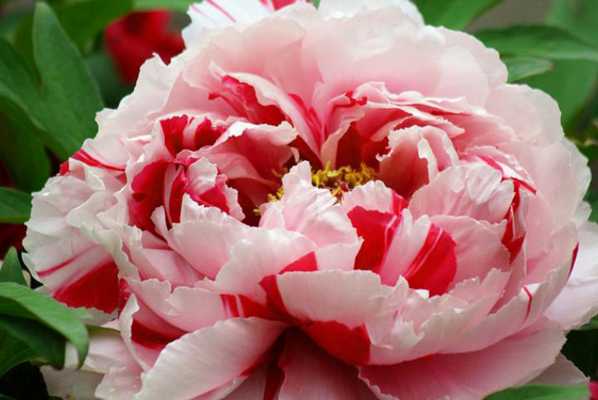
Five things to avoid in peony cultivation
1. Do not shade peonies during their flowering period
During the full bloom period of peonies, not providing shade is inadvisable. During this time, if shade is not provided appropriately and they are exposed to the sun, the flowering period of the peony will be greatly shortened, and the blooming flowers will also lose their luster, which reduces the ornamental value of the peony.
2. Moving peonies outdoors too early in spring
In spring, peonies should not be moved outdoors too early. In spring, although the temperature has gradually begun to rise, low-temperature weather can still occur at times. The normal flowering time of peonies is April to May, depending on the maintenance temperature. If peonies are moved outdoors too early, once they encounter low temperatures, their flower buds will stop growing or even drop off, and in severe cases the plant may wither and die.
3. Waterlogged soil for peonies
Peonies themselves have fleshy roots and are relatively afraid of waterlogging. When cultivating peonies, if overwatering occurs, it easily leads to root rot, affecting the plant's growth and flowering. When watering peonies, be sure to water at the right time and in the right amount, keeping the soil slightly moist, and strengthen drainage during the rainy season.
4. Improper pruning of peonies
Reasonable pruning is an essential process for peonies to bloom; improper pruning will cause peony flowers to be small, dull in color, and even deformed. When pruning peonies, the terminal buds and flower buds should be cut off, retaining the side buds, and after flowering the spent flowers should be cut off to avoid consuming nutrients.
5. Pests and diseases of peonies
When cultivating peonies, pests and diseases should not occur, as they can lead to many adverse consequences, and the plant may even die. Common peony pests and diseases include gray mold, sclerotinia rot, rust, and southern blight, as well as damage from scale insects, stinging caterpillars, and underground pests, all of which need timely prevention and control.
How to water potted peonies
Peonies have fleshy roots, so they should not be watered too much. Usually no watering is done in winter, and at other times there is no obvious time interval for watering; water in a timely manner according to weather conditions and the condition of the potting soil.
After May, the weather gradually turns hotter. If the weather is relatively dry, you can water appropriately, but the potting soil should be dry rather than wet.
In the event of showers or continuous rainy weather, be careful not to let water accumulate in the pot, so as not to damage the plant. After heavy rain, loosen the soil in a timely manner to improve soil aeration.
Notes on watering potted peonies:
Water potted peonies mainly with soft water; natural water is what plants love most, followed by pond and river water. Tap water at home should be left to stand for a day before use; tap water contains chlorine, which is unfavorable for peony growth. You should know that plants are sometimes picky eaters too.
Do not use dishwashing water or laundry water to water flowers, otherwise the peonies will grow very unattractively.
Pay attention to water temperature; do not let it go from cold to hot abruptly, and it is best to use room-temperature water. Do not use ice water in summer (do you think peonies are like you, wanting an icy chill?), and in winter, let the water sit indoors for a while so the water temperature is close to room temperature before use.
In addition, watering time and watering amount should be properly controlled. In spring, you can water a bit more, concentrated at noon; in summer, water thoroughly, in the morning and evening; in autumn and winter, water less, on sunny days when the temperature is high.
If you have peonies at home, then you should pay more attention to this kind of cultivation, because they can be considered the national flower, symbolizing prosperity.
How to grow potted peonies at home: cultivation methods for peonies
Since ancient times, peonies have been widely loved by people; they are a flowering plant symbolizing wealth and honor, and have long been known as the "king of flowers." Since ancient times, peonies have been widely planted among the people. As an ornamental flowering plant, the peony is something every household is willing to place at home to decorate interior spaces. So below let us learn about the cultivation methods of peonies together and see how to grow potted peonies at home.PeonyPeony introduction:
The peony is a plant in the Ranunculaceae family and the Paeonia genus. It is a perennial deciduous small shrub, with stems reaching up to 2 m tall; the branches are short and thick. The leaves are usually biternate compound leaves. The flowers are solitary at the top of the branches, with a diameter of 10-17 cm; flower colors are rose, red-purple, pink to white, usually highly variable, obovate, with an irregularly wavy apex. The flowers are bright and gorgeous, jade-like in laughter and pearl-fragrant, elegant and unrestrained, magnificent and splendid, and have long been known as the "king of flowers."White peony
Growth habits of peonies:
Peonies like warm, cool, dry, and sunny environments. They like sunlight, but cannot tolerate harsh summer sun exposure, and also tolerate partial shade, cold, drought, and mild alkalinity; they dislike waterlogging, fear heat, and fear direct sunlight. They are suitable for growing in loose, deep, fertile, high and dry, well-drained neutral sandy loam. They grow poorly in acidic or heavy clay soil. When the temperature is above 25°C, the plant will enter a dormant state. The suitable temperature for flowering is 17-20°C, but before flowering it must undergo low-temperature treatment at 1-10°C for 2-3 months.Home potted peony
Cultivation methods for peonies:
1. Soil: Peonies are suitable for loose, fertile soil with a deep soil layer. The soil's drainage capacity must be good. For pot cultivation, general potting soil can be used. The soil pH value is best neutral; slightly acidic or slightly alkaline is also acceptable.
2. Temperature: Peonies are cold-tolerant and not tolerant of high temperatures. In East China and central regions, they can overwinter outdoors; when the temperature reaches 4°C, the flower buds begin to gradually swell. Suitable temperature: 16-20°C; below 16°C they will not bloom. In summer high temperatures, the plant enters a semi-dormant state.
3. Light: Camellias prefer shade, peonies prefer sun. Peonies like sunlight, but do not like being scorched. When planted in the ground, choose a higher, east-facing sunny spot; for pot cultivation, place them on a sunny east-facing balcony. If placed on a south balcony or rooftop platform, shade must be provided on the west side.Pink peony
4. Planting: The peony is a deep-rooted flowering tree or shrub, so before planting, deep plowing should be carried out and base fertilizer applied (such as bone meal, oil cake, chicken manure, etc.).
5. Watering: Peonies should not be watered too much, and generally no watering is done in winter. After May the weather gradually becomes hotter; if there is drought and the soil is dry, water appropriately, but it is better dry than wet, and water only after the soil is dry.
6. Fertilizing: It is best to fertilize 3 times each year. The first time is when new shoots emerge and the leaves and flower buds are extending, mainly with quick-acting fertilizer; the second time is after flowering, still mainly with quick-acting fertilizer; the third time is in autumn and winter, mainly with base fertilizer.
7. Training and pruning: After flowering, cut off the spent flowers. To make the crown low and the flowers dense, pruning can be done before July to avoid excessive branch density affecting flowering; it is appropriate to keep 5-6 main branches per plant.Red peony
How to grow potted peonies at home:
1. Extensive management and simple care. Except for the strong light at noon in midsummer, which should be properly shaded, sufficient light should be given at other times, especially in winter.
2. From March to September, during the peak growth period, water demand is relatively high, so water and spray frequently to increase humidity; after autumn, gradually reduce watering to improve the plant's cold resistance.
3. They like semi-shaded environments. If the placement site has too strong or insufficient light, the leaves easily turn light green or yellow-green, lose vitality, and lose their proper ornamental value, or even dry up and die; if exposed to direct sunlight and dry air, they are most likely to scorch, so they should be placed in a cool, ventilated place, and attention should be paid to maintaining environmental humidity.Green peony
4. Pests and diseases are unlikely to occur, but if the potting soil is waterlogged and ventilation is poor, besides causing root rot, root rot disease may also occur, so attention should be paid to spraying for prevention and control.
5. Place it in a ventilated location with sufficient scattered light. Since winter is not the growth period of the peony hanging orchid, to prevent root rot, water only when the soil looks dry, and when watering, water thoroughly, depending on the situation.
Summary: The above is an introduction to peony cultivation. Growing potted peonies at home also requires us to pay attention to some related points. When the beautiful peonies are in full bloom, our indoor environment will gain a lot of color. I hope the above content is helpful to everyone.
How to grow peonies? Peony cultivation tips
[Common questions] How to grow potted peonies? What are the cultivation tips for peonies?
[Expert answers]
Peonies like coolness and dislike heat, prefer dryness and fear dampness, and can tolerate low temperatures of -30°C. They like shade and require loose, fertile, well-drained neutral soil or sandy soil, and avoid heavy clay soil or planting in low-temperature locations. The flowering period is April-May.
Soil: 1. Soil texture: Peonies are suitable for loose, fertile soil with a deep soil layer. The soil's drainage capacity must be good. For pot cultivation, general potting soil can be used. 2. Soil nature: neutral or neutral slightly alkaline soil.
Watering: "Peonies should be dry rather than wet." Peonies have deep-rooted fleshy roots and are afraid of long-term waterlogging. Usually they should not be watered much and should be kept appropriately on the dry side. Before planting, water thoroughly 2 times. Before winter begins, irrigate once to ensure they overwinter safely. After spring begins, supply water according to whether the soil is dry or wet, but do not water too much.
Image: Peony
Fertilizing: When cultivating peonies, the base fertilizer must be sufficient. Base fertilizer can be compost, cake fertilizer, or manure. Usually it is best to fertilize three times a year, namely: half a month before flowering, spray once with a phosphorus-based fertilizer solution plus flower-strengthening agent; half a month after flowering, apply a compound fertilizer once; before winter begins, apply compost once to ensure flowering the next year.
Pruning: After flowering, promptly remove flowers and prune branches. Cut according to the tree's natural growth trend combined with the tree shape you desire. At the same time, apply a wound-healing and antiseptic membrane to the pruning cuts to protect the wounds and prevent pathogen invasion and infection. If you want the plant low and the flower clusters dense, prune more heavily to inhibit branch expansion and root suckering. Generally it is appropriate to retain 5-6 branches per plant.
Pest and disease control: Common peony diseases are brown spot disease, root rot, and scale insects. When brown spot disease occurs, brown or black spots appear on the leaf surface. Bordeaux mixture can be sprayed 1-2 times per month; if the condition is severe, it can be sprayed 3 times. Leaves with heavier infection should be cut off and burned to prevent spread. If root rot is found, the diseased roots should be cut off and burned, and when planting, sprinkle some sulfur powder in the planting hole. For scale insects, spraying with 40% omethoate emulsifiable concentrate plus a 1500-fold water solution has a relatively good effect.
[Editor's comments] The peony is a precious flower variety. Its wealth and magnificence have long been admired by the world. Compared with Chinese roses and narcissus, it is more difficult to grow. So, do you know what matters need attention in potted peony cultivation? Above, the First Agricultural Economics editor shares with you the cultivation methods and precautions for peonies, and hopes it is helpful to you.