How to grow bowl lotus? Water cultivation methods and water use tips
Bowl lotus, literally meaning lotus grown in a bowl, though of course it is not limited to bowls. The bowl lotus is small and lovely, elegant in form, and if grown properly, it makes a highly artistic ornamental bonsai. Today let us learn how to grow the bowl lotus!
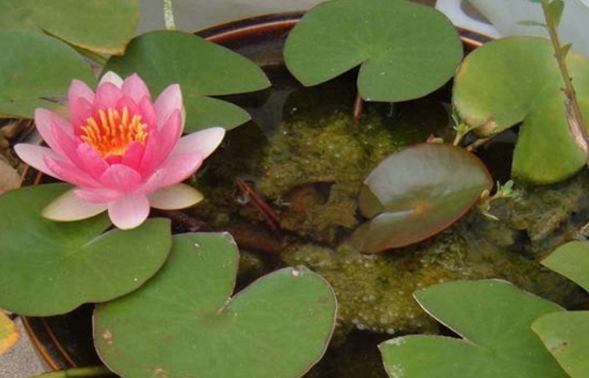
How to grow bowl lotus
1. Cultivation methods for bowl lotus
Choosing pots and soil:
Although it is called bowl lotus, growing it in a household rice bowl would be a bit awkward. So it is best to choose a porcelain or glazed pot with a watertight bottom; an attractive pot can add a great deal to the bowl lotus. In addition, the container should ideally be 25-35 cm in diameter and 20-25 cm deep, so that it can hold enough nutrient soil while allowing the roots to grow fully.
River pond mud is the best soil for growing bowl lotus; field soil rich in organic matter also works. Generally the soil layer should be about 15 cm thick.
Plenty of light:
The bowl lotus is a light-loving plant and needs 7 to 8 hours of light per day, so it must receive plenty of light and should not be kept indoors for long periods.
Controlling water volume:
The bowl lotus is an aquatic plant, and the amount of water given varies at different growth stages.
When the bowl lotus is first planted, do not use too much water; too much water hinders young root growth and causes root rot. As the leaves grow larger, gradually add more clean water. In summer, water once in the morning and once in the evening.
The water should be left to stand for 1-2 days so its temperature is suitable, and care should be taken to keep the water clean, otherwise it easily causes bacterial infection and affects growth.
Moderate fertilizing:
The bowl lotus likes fertilizer, so before planting, add decomposed bean cake, bean bran and similar materials to the pot soil as a base fertilizer. When the standing leaves emerge, add potassium fertilizer to promote flower bud formation.
However, the amount of fertilizer should be controlled and not excessive. If too much fertilizer is applied, change the water frequently to dilute and dissipate the fertilizer strength.
2. Precautions for growing bowl lotus
Protect the terminal bud:
When growing bowl lotus at home, especially during the initial planting, be sure to protect the terminal bud of the bowl lotus and do not damage it. Otherwise it will hinder normal growth, slow development, and may even cause rot.
Pruning:
Too many leaves affect air permeability, so when the leaves grow too abundantly, remove some appropriately. Promptly removing diseased and withered leaves also helps the bowl lotus bloom and grow healthily.
3. How to grow bowl lotus so it blooms
For the bowl lotus to bloom, it needs plenty of light, at least 5 hours a day; the temperature must be above 20°C to ensure normal blooming. If you are an impatient person like the editor, then just plant lotus root directly; the plant will grow faster and naturally bloom a bit sooner.
What water should be used for water-grown bowl lotus?
The bowl lotus is a perennial aquatic herbaceous flower of the lotus family, so what are the water requirements for water-grown bowl lotus?
How to use water for water-grown bowl lotus
1. Water with a neutral pH
When growing bowl lotus in water, be sure to follow the growth habits of the bowl lotus and use water that suits them.
So water-grown bowl lotus can use water with a neutral pH, which is more favorable for its growth. When using it, there is no need to measure the pH with test paper; in general it can be used directly.
2. Tap water
Ordinary household tap water can also be used for water-grown bowl lotus, but note that if you use tap water to grow bowl lotus, you must let it sit for 24 hours before use, because tap water contains a lot of chlorine, which affects the growth of the bowl lotus plant and may damage the roots, harm the leaves, and so on.
3. Water temperature
Once the above two kinds of water are properly treated, they can be used to grow bowl lotus, but special attention must also be paid to temperature.
You can prepare a vat in advance, fill it with tap water, and place it outdoors; this ensures there is basically no difference between the water temperature in the vat and in the pot. When the water temperature stays balanced, the bowl lotus can grow steadily.
Does bowl lotus usually need its water changed?
Under normal circumstances, water-grown bowl lotus does not need its water changed; this keeps nutrients in the water from being lost and prevents the bowl lotus from lacking nutrients for growth.
But water does evaporate, so add water to the container on time and in the right amount. Sometimes after sun exposure there is a lot of green algae in the water and you may worry it is too dirty, but it is actually fine; in this situation the bowl lotus and the algae help each other grow, so there is no need to change the water.
What water should be used for water-grown bowl lotus?
How to use water for water-grown bowl lotus
1. Water with a neutral pH
When growing bowl lotus in water, be sure to follow the growth habits of the bowl lotus and use water that suits them.
So water-grown bowl lotus can use water with a neutral pH, which is more favorable for its growth. When using it, there is no need to measure the pH with test paper; in general it can be used directly.
2. Tap water
Ordinary household tap water can also be used for water-grown bowl lotus, but note that if you use tap water to grow bowl lotus, you must let it sit for 24 hours before use, because tap water contains a lot of chlorine, which affects the growth of the bowl lotus plant and may damage the roots, harm the leaves, and so on.
3. Water temperature
Once the above two kinds of water are properly treated, they can be used to grow bowl lotus, but special attention must also be paid to temperature.
You can prepare a vat in advance, fill it with tap water, and place it outdoors; this ensures there is basically no difference between the water temperature in the vat and in the pot. When the water temperature stays balanced, the bowl lotus can grow steadily.
Does bowl lotus usually need its water changed
Under normal circumstances, water-grown bowl lotus does not need its water changed; this keeps nutrients in the water from being lost and prevents the bowl lotus from lacking nutrients for growth.
But water does evaporate, so add water to the container on time and in the right amount. Sometimes after sun exposure there is a lot of green algae in the water and you may worry it is too dirty, but it is actually fine; in this situation the bowl lotus and the algae help each other grow, so there is no need to change the water.
Bowl lotus growing tips and precautions
Right now is the season when lotuses bloom. Is there no other way to see lotuses besides going to lakes outside? The editor of Huinong Network introduces a lotus you can grow at home: the bowl lotus.
The bowl lotus usually refers to the small and medium types of lotus, also known as pot lotus, bowl lotus, and table lotus. It belongs to the water lily family and is a perennial aquatic plant with multi-noded rhizomes. Its flowering period is from June to September, and the number of days a single flower stays open varies by variety, from as few as 3-4 days to more than 10 days. The bowl lotus is very suitable for home cultivation, so what should you know when growing it?
Water requirements for bowl lotus
1. Water with a neutral pH
According to the growth habits of the bowl lotus, use water that suits its growth; generally neutral water is more favorable for its growth.
2. Tap water needs to be stored before use
The tap water we generally use at home can also be used to grow bowl lotus, but note that before use, it must be stored for 1-2 days first, because tap water contains a lot of chlorine, which affects the growth of the bowl lotus, and may cause root damage, leaf damage, and so on.
3. Balanced water temperature
After using the two treated kinds of water above to grow bowl lotus, pay attention to regulating the water temperature. You can prepare a vat in advance, fill it with tap water, and place it outdoors; this ensures there is basically no difference between the water temperature in the vat and in the pot. With balanced water temperature, the bowl lotus can also grow steadily.
Does bowl lotus need its water changed normally
For this question, the general answer is no. Under normal circumstances, water-grown bowl lotus does not need its water changed; doing so keeps nutrients in the water from being lost, so the bowl lotus has nutrients for growth. However, over time the water will still evaporate, so add water to the container on time and in the right amount. Sometimes after sun exposure there is a lot of green algae that may dirty the water color, but this is actually fine; in this situation the bowl lotus and the algae grow in mutual aid, so there is no need to change the water.
Bowl lotus growing steps
1. Seed treatment
Because the seed shell of the bowl lotus is fairly hard and dense, it needs treatment before sowing. Before soaking the seeds, you can make an artificial opening. The method is fairly simple: one end of the lotus seed has a small pointed tip, and the other end is round. You can rub the round end on rough cement ground until it breaks, or use a small knife to file it open. However, be very careful never to damage the kernel inside the lotus seed, and do not peel the shell off directly.
2. Soaking seeds to promote sprouting
After the lotus seed is opened, you can soak it to promote sprouting. The specific steps are: place the cracked seed in warm water at about 20-40°C, then change the water 2-3 times a day. Generally after two days there will be signs of sprouting, and in about five days the sprout will be 1 cm long. At this point the bowl lotus can be given some sunlight to speed up its growth.
3. Transplanting the sprouts
When transplanting, first choose a ceramic pot or plastic flowerpot without a drainage hole. Add garden soil or unpolluted river pond mud to the pot, and soak it with water two weeks in advance; be sure not to fertilize. When transplanting, press the fine roots of the small lotus seedling into the mud, one plant per pot, then add an appropriate amount of water after transplanting, with the standard being that the water does not submerge the small lotus leaves.
4. Decorative touches
After the bowl lotus has grown, if you feel something is missing in the pot, you can first buy some sand from an aquarium shop and sprinkle it little by little onto the mud in several rounds. After the water settles, sprinkle once more, until the whole vat is evenly covered. With this sand, the water will quickly become clear. After changing to clean water, you can also keep a few small fish in the pot; not only can the fish eat insects in the water, but their waste can also serve as fertilizer, achieving two benefits at once.
The above are the bowl lotus growing tips compiled for you by the editor of Huinong Network. We hope they are helpful to you.