The Benefits and Uses of the Morningstar Lily and How to Care for It After the Flowers Fade
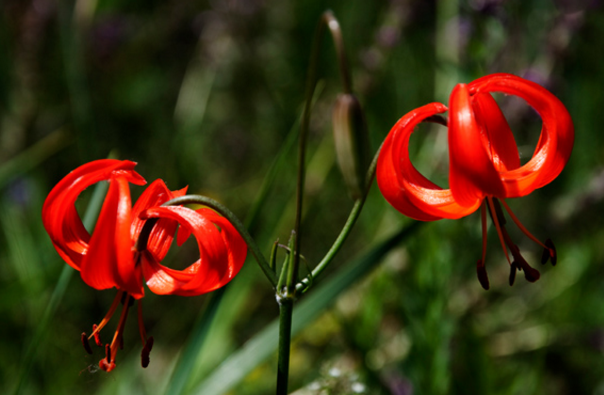
The morningstar lily, also known as the mountain lily, is a flower that blooms quietly in the uninhabited corners of the frontier plateaus. At the turn of spring and summer, the morningstar lily stretches out her slender waist and reveals her smiling face. Though few stop to admire her, she still shines and gives off warmth. It is not that she is admiring her own beauty in solitude; it is simply that you do not yet understand the morningstar lily!
The Benefits and Uses of the Morningstar Lily
1. The ornamental value of the morningstar lily
A poet of the Southern Song Dynasty once praised the morningstar lily: "When spring has gone and no fragrance remains to seek, the morningstar lily is the last to emerge from the cloudy woods." In the eyes of many, the morningstar lily is not merely a flower, but a crimson poem that unites natural beauty with the philosophy of life.
Anyone who loves the morningstar lily knows it has a very distinctive trait: the number of flowers on its stem is the age of the plant. Quite clearly, one flower in the first year, two in the second year, three in the third year. Amidst the green leaves, the morningstar lily stands gracefully, its crimson blossoms like evening clouds or flames swaying in the wind, with a lovely posture, green waves and red billows rippling in the breeze.
2. The medicinal value of the morningstar lily
The morningstar lily is also an excellent medicinal herb. Take the stamens of the morningstar lily, decoct them in water for oral use, or crush them and apply them to wounds. It is mainly used to treat trauma, reduce swelling and expel toxins. The Compendium of Materia Medica contains detailed records of the morningstar lily treating stubborn ailments. In addition, the morningstar lily can also treat coughing with blood, palpitations and insomnia. Grind the mountain lily together with jujube seed and bletilla striata into powder and take a small amount daily to achieve good therapeutic results.
3. The culinary value of the morningstar lily
The morningstar lily is also edible and can be added to other dishes, such as stir-fried with Chinese yam. The morningstar lily is rich in trace elements needed by the human body and has high nutritional value. Paired with other vegetables, it is moistening, refreshing and appetizing. Moreover, the preparation method is simple; even without leaving home, you can make it, making it a great choice for a home-style dish.
How to care for it after the flowers fade
The flowering period of the morningstar lily is from June to September. After September, the stems and leaves above ground will slowly wither, and the bulb enters dormancy. If you want the morningstar lily to continue blooming the following year, you need to take appropriate measures to rejuvenate the bulb and build up its strength.
1. Cut off the flower stems after the morningstar lily fades
Plants consume a great deal of nutrients when flowering, and even after the flowers fade, the growth of the flower stems continues to consume nutrients. So when the morningstar lily is about to wither and has little ornamental value left, promptly cut off the flowers together with the flower stems. This saves nutrients and promotes the growth and enlargement of the bulb.
If there are many leaves and they have already begun to wither, you can also appropriately cut off some dead leaves at this time, but do not prune too heavily, lest there be too few branches, which would affect the bulb's accumulation of nutrients.
2. Storing the morningstar lily's bulb
After cutting off the flower stems, the above-ground part will gradually weaken and wither; simply leave it aside and let it wither. Once the above-ground part has completely withered, do a good job of protecting the bulb. There are two methods: the first is to overwinter directly in the original pot, in a cool place at around 10°C at the winter solstice; the second is to dig out the bulb, wrap it in newspaper, and keep it in a dry, well-ventilated environment.
During the bulb-care period, check the bulb's condition once a week to avoid root rot or other adverse conditions. Wait until temperatures rise again in spring, then replant.
3. How to plant the morningstar lily in spring
Take out the stored bulb, cut off the rotten and blackened parts, let the wounds dry in a cool place, then coat them with a layer of plant ash to prevent root rot.
Choose a flower pot and soil. It is best not to use last year's old soil entirely. Place a layer of large-grained gravel at the bottom of the pot as drainage material, then replace 1/3 with new soil. After disinfecting, plant the bulb.
After planting the bulb, care for it in a cool place for one week to let the bulb adapt to the new environment. Then water once to settle the roots, and normal care is all that is needed.
How to care for the morningstar lily after the flowers fade
Cut off the flower stems after the morningstar lily fades
Plants consume a great deal of nutrients when flowering, and even after the flowers fade, the growth of the flower stems continues to consume nutrients. So when the morningstar lily is about to wither and has little ornamental value left, promptly cut off the flowers together with the flower stems. This saves nutrients and promotes the growth and enlargement of the bulb.
If there are many leaves and they have already begun to wither, you can also appropriately cut off some dead leaves at this time, but do not prune too heavily, lest there be too few branches, which would affect the bulb's accumulation of nutrients.
Storing the morningstar lily's bulb
After cutting off the flower stems, the above-ground part will gradually weaken and wither; simply leave it aside and let it wither. Once the above-ground part has completely withered, do a good job of protecting the bulb. There are two methods: the first is to overwinter directly in the original pot, in a cool place at around 10°C at the winter solstice; the second is to dig out the bulb, wrap it in newspaper, and keep it in a dry, well-ventilated environment.
During the bulb-care period, check the bulb's condition once a week to avoid root rot or other adverse conditions. Wait until temperatures rise again in spring, then replant.
How to plant the morningstar lily in spring
Take out the stored bulb, cut off the rotten and blackened parts, let the wounds dry in a cool place, then coat them with a layer of plant ash to prevent root rot.
Choose a flower pot and soil. It is best not to use last year's old soil entirely. Place a layer of large-grained gravel at the bottom of the pot as drainage material, then replace 1/3 with new soil. After disinfecting, plant the bulb.
After planting the bulb, care for it in a cool place for one week to let the bulb adapt to the new environment. Then water once to settle the roots, and normal care is all that is needed.