Is Jerusalem Cherry Poisonous? Detailed Guide to Indoor Cultivation and Propagation
Jerusalem cherry is a fairly popular ornamental fruit potted plant. Keeping one at home, with its round, adorable fruits, is surely a great choice for flower enthusiasts who love fruit-bearing ornamental plants.
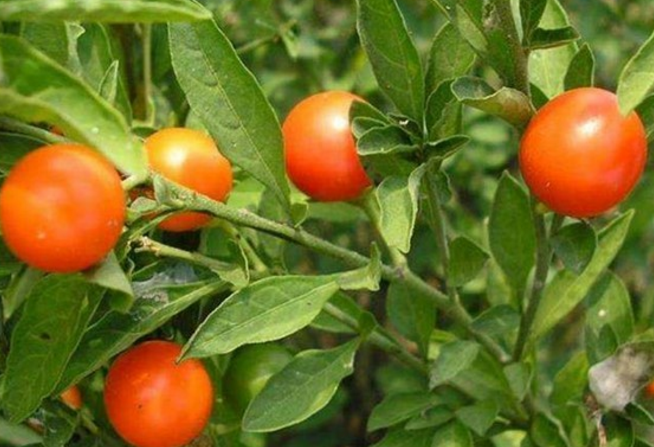
Is Jerusalem Cherry Poisonous? Can It Be Kept Indoors?
1. Is Jerusalem cherry poisonous?
In fact, Jerusalem cherry is indeed poisonous, and the entire plant is toxic. The leaves of Jerusalem cherry are more toxic than the fruits. If we accidentally eat Jerusalem cherry, we will feel dizzy, nauseous, and extremely sleepy; in more severe cases, we will feel intense abdominal pain and the pupils will dilate. Therefore, we must never attempt to eat any part of the Jerusalem cherry plant.
2. Can Jerusalem cherry be kept indoors?
Since the entire Jerusalem cherry plant is toxic, people worry whether the toxicity will be released through the plant's respiration. This worry is completely unnecessary. Although the entire Jerusalem cherry plant is toxic, the toxicity does not volatilize, so people will not be poisoned by breathing. As long as we do not eat any part of the Jerusalem cherry, we will not be poisoned. Therefore, although Jerusalem cherry is toxic, it can still be kept indoors, because the toxicity of Jerusalem cherry does not volatilize into the air, and on the other hand, plants have the function of purifying air, and Jerusalem cherry is no exception. If you want to keep Jerusalem cherry indoors, be sure to supervise children and pets well to prevent children and pets from accidentally eating the branches, leaves, or fruits of Jerusalem cherry, causing poisoning. Of course, if there are young children or pets in the home, it is still not recommended to grow Jerusalem cherry at home.
What propagation methods does Jerusalem cherry have?
1. Seed propagation of Jerusalem cherry
For Jerusalem cherry, the more commonly used propagation method is sowing. Sowing of Jerusalem cherry is generally carried out in spring, roughly between March and June each year. The seeds of Jerusalem cherry mature in winter. After collecting the mature Jerusalem cherry seeds, we should rinse them and dry them, and they can be planted around Qingming the following year. Of course, we can also directly buy prepared Jerusalem cherry seeds and sow them directly. When sowing, evenly scatter the Jerusalem cherry seeds on the prepared soil, then cover with a thin layer of soil, water thoroughly, and if necessary, add a layer of plastic film to retain moisture and promote germination of the Jerusalem cherry seeds. Seed germination takes about one week. After cultivation until new leaves grow, the seedlings can be divided and transplanted.
2. Cutting propagation of Jerusalem cherry
Jerusalem cherry can also be propagated by cuttings, and cutting propagation is mainly carried out in spring and autumn, but when carried out during the summer growing season, the survival rate is actually very high. The advantage of autumn cuttings is that you can enjoy the fruits of Jerusalem cherry in the winter of the same year. When taking cuttings, we first need to trim a top-growing branch of Jerusalem cherry about 8 cm to 10 cm long. If there are flower buds, remove them, then insert the trimmed branch into the soil, keep the soil moist, and regularly spray water mist on the tender buds and leaves at the top of the branch. If the temperature can be maintained between 18°C—28°C, the cutting branch will take about ten days to root and survive.
Jerusalem Cherry Solanum Pseudo-capsccicum Jerusalem Cherry Guide: How to Grow Jerusalem Cherry / How to Propagate Jerusalem Cherry
Jerusalem Cherry ProfileJerusalem Cherry Solanum Pseudo-capsccicum
Jerusalem Cherry Cultivation Methods and Precautions Introduction to Jerusalem Cherry
Perennial woody plant, upright form, reaching 40 cm in height if not controlled, smooth and hairless, leaves alternate, oblong; flowers white, fruits red when mature, spherical, more than 1 cm in diameter. Not cold-tolerant, prefers warmth and sunshine, soil should be loose, fertile, and well-drained, rich in phosphorus fertilizer to prolong the fruiting period. Potted plants should be pinched to promote more branches, more flowers, and more fruits.
Aliases: Coral Cherry, Jiqing Fruit, Coral Seed, Coral Bean, Jade Coral, Red Coral, Wild Chili, Wild Sea Pepper, False Cherry, Four-Season Fruit,
Scientific name: Solanum Pseudo-capsccicum
Family and genus: Solanaceae, Solanum
Native to tropical Eurasia; wild distribution exists in East China and South China regions of China.
Besides being grown as a potted ornamental fruit plant, it can also be planted in flower beds as a decorative accent. The fruit can be used as medicinal material but is not edible.
Morphological Characteristics of Jerusalem Cherry
Erect branching small shrub, 0.3-1.5 m tall, branchlets when young covered with dendritically clustered hairs, gradually falling off later. Leaves paired, unequal in size, elliptic-lanceolate, 2-5 cm long or slightly longer, 1-1.5 cm wide or slightly wider, apex obtuse or short-acuminate, base cuneate and decurrent into a short petiole, leaf surface hairless, lower leaf surface along veins often with dendritically clustered hairs, margin entire or slightly wavy, midrib protruding on the lower surface, lateral veins 4-7 per side, obvious on the lower surface; petiole about 2-5 mm long, when young covered with dendritically clustered hairs, gradually falling off later. Inflorescence short, axillary, usually 1-3 flowers, solitary or in scorpioid cymes, peduncle short and nearly absent, pedicel about 5 mm long, flowers small, about 8-10 mm in diameter; calyx green, 5-parted deeply, lobes ovate-lanceolate, apex obtuse, about 5 mm long, corolla white, tube hidden within the calyx, about 1.5 mm long, limb about 6.5-8.5 mm long, 5-parted deeply, lobes ovate-round, about 4-6 mm long, about 4 mm wide, apex acute or obtuse; filaments about 1 mm long, anthers oblong, about 2 times the length of the filaments, apical pores slightly inward; ovary nearly round, about 1.5 mm in diameter, style about 4-6 mm long, stigma truncate. Berry solitary, spherical, coral red or orange-yellow, 1-2 cm in diameter; seeds flat, about 3 mm in diameter. Flowering period April-July, fruit ripening period August-December.
Distribution Region of Jerusalem Cherry
Native to tropical Eurasia; wild distribution exists in East China and South China regions of China.
Cultivation Techniques of Jerusalem Cherry
Jerusalem cherry wins people's affection with abundant red fruits hanging all over the branches. Jerusalem cherry is a perennial herb of the Solanaceae family, often cultivated as an annual. The conventional cultivation technique is to sow and raise seedlings in spring, plant the seedlings in the ground or in pots, and enjoy the bright red fruits in autumn and winter; it is known as "Jiqing Fruit." Jerusalem cherry likes sunlight and prefers a warm environment; the suitable growth temperature is 18-25°C; it requires fertile, loose soil. Practice has shown that as long as there is suitable temperature and sufficient light during the growth period, it can continuously bloom and bear fruit. Heating measures should be taken to raise the room temperature to 18-20°C. When the branches continue to grow, pinch 1-2 times to promote more branching. In the following spring from February to March, try to maintain a relatively high room temperature, strengthen water and fertilizer management, and apply liquid fertilizer mainly based on phosphorus and potassium; buds and flowers will soon appear. During the flowering period, although the plant can self-pollinate, gently brushing inside the flowers with a brush around 9 a.m. every day to promote pollination can significantly increase the fruit-setting rate; around May Day, you can be sure to see red fruits. With proper care, the fruits can reach dozens to hundreds. If the seeds are sown indoors in pots and the room temperature reaches 10-15°C, they can also germinate, emerge, and form new plants, then be kept warm for overwintering. In the following spring from February to March, strengthen management and careful maintenance, and the plant can enter the flowering period relatively quickly. In this way, by May-June, red fruits can be displayed on the plant, about 3-4 months earlier than the conventional cultivation method for fruit viewing.
Potted Management and Transplanting
Potted Jerusalem cherry requires loose, fertile, well-drained sandy loam rich in organic matter, with 5% decomposed cake fertilizer or chicken and duck manure added. After the seedlings are transplanted into pots, spray with Xin Gao Zhi Mo, which can effectively prevent aboveground moisture from evaporating, prevent seedling moisture from transpiring, isolate pests and diseases, shorten the seedling recovery period, and help them quickly adapt to the new environment and grow healthily.
Growing Season
After the seedling recovery period and survival, carry out normal watering, just enough to keep the pot soil moist, and loosen the soil and fertilize once every half month. Provide sufficient light. When the plant reaches about 10 cm tall, pinch the top to promote sprouting. Spray with Chu Hua Wang No. 3, which can transform the plant's vegetative growth into reproductive nutrition, inhibit excessive growth of the main shoot, and promote flower bud differentiation.
Flowering Period Management
When the plant enters the bud stage, pause fertilization, control watering at the same time, and try not to spray water, which can avoid washing away pollen. Spray with Zhuang Guo Di Ling to thicken the fruit stalk, improve nutrient transport, and prevent flower and fruit drop. When the fruits grow to the size of mung beans, resume watering with cake fertilizer water, increase the amount of watering, and at the same time give appropriate foliar water spraying.
Potted Cultivation Techniques
When Jerusalem cherry is planted in the ground, conditions such as soil, water and fertilizer, and light are all favorable for the plant's normal growth, flowering, and fruiting, so it can flourish with abundant branches and red fruits even without careful management. However, due to the limitations of the cultivation container and the constraints of climatic factors, potted plants are prone to root rot and leaf drop or flower drop when there is too much water, while too dry pot soil can easily cause root shrinkage, plant withering, and leaf drop, making it difficult to bloom and fruit normally. Especially during the flowering period, if the pot soil is alternately dry and wet unpredictably and fertilizer concentration is uncontrolled, it is very easy for the plant to bloom but not set fruit, or bloom heavily but set few fruits.
Potted Jerusalem cherry requires loose, fertile, well-drained sandy loam rich in organic matter, with 5% decomposed cake fertilizer or chicken and duck manure added. During the growing season, loosen the soil and fertilize once every half month. When the plant reaches about 10 cm tall, pinch the top to promote sprouting. When the temperature reaches above 30°C, it can be moved to a well-ventilated greenhouse or under tree shade with about 40% shading. When the plant enters the bud stage, add 0.2% potassium dihydrogen phosphate to the organic fertilizer liquid applied, which can promote more buds and flowers. During the flowering period, pause fertilization, control watering at the same time, and try not to spray water, just enough to keep the pot soil moist, which can avoid washing away pollen and also prevent flower and fruit drop. When the fruits grow to the size of mung beans, resume watering with cake fertilizer water, increase the amount of watering, and at the same time give appropriate foliar water spraying. From fruit set to before the fruits color, apply quick-acting phosphorus fertilizer 2 to 3 times, such as watering with 0.2% potassium dihydrogen phosphate solution, which can promote brighter fruit color. When the fruit diameter grows to 0.5 cm to 0.6 cm, appropriately thin out excessively dense small fruits and remove diseased and insect-damaged fruits, which can make the fruits on the potted plant evenly distributed and uniform in size, thereby improving the ornamental value of the potted plant.
Disease Control of Jerusalem Cherry
Potted Jerusalem cherry is prone to anthracnose during high summer temperatures. It mainly damages leaves and can also damage stems. There are two types of symptoms: one occurs on leaves. In the early stage of the disease, round lesions appear on the leaves, changing from round reddish-brown to grayish-white, then to dark brown, and producing black dots arranged in concentric rings, namely the pathogen's acervuli. This disease occurs at leaf margins and leaf tips, and in severe cases the leaves wither, blacken, and die. The pathogen is a fungal disease. The pathogen overwinters as mycelium in host residues or soil. Old leaves begin to show disease from late April to early May, develop faster from June to July, and are more severe in the rainy season; new leaves begin to show disease from August. When potted flowers are placed too densely and leaves cross each other, the disease spreads easily, but disease resistance varies among varieties.
Control Methods
1. Disease control:
①. Select excellent disease-resistant varieties.
②. In the early stage of the disease, cut off diseased leaves and burn them promptly to prevent the pathogen from spreading, avoid placing plants too densely and avoid overhead watering, and always maintain ventilation and light transmission. ③. In the early stage of the disease, spray with 50% carbendazim wettable powder 700-800 times solution or 75% chlorothalonil 500 times solution.
2. Pest control: The main pest of Jerusalem cherry is aphids, which are small, green or black, and often gather on the tender branches and leaves of various flowers to suck nutrients. Control method: spray with 40% omethoate emulsion oil 2000 times solution or 50% dichlorvos emulsifiable concentrate 1500-2000 times solution.
Propagation Methods of Jerusalem Cherry
Propagation methods: sowing or cutting propagation. Sowing time is spring from March to April; cutting propagation can be carried out in both spring and autumn.
Propagation mostly uses sowing. Collect mature seeds in winter, rinse them, dry them in the sun, and sow before Qingming the following year. For small-scale propagation, it can be done in flower pots. Evenly scatter the seeds on top, cover with a thin layer of soil, then soak thoroughly with water in a water basin. To maintain moisture, cover the pot mouth with glass or plastic film, so that germination can occur in about a week. When new leaves grow, the seedlings can be divided and transplanted. For large-scale seedling cultivation, sow in a seedling bed, then spray thoroughly with a fine-hole watering can after sowing, and thereafter spray when dry, just keeping it moist. After transplanting, apply a thin fertilizer once and place in a place with sufficient light.
During the summer and autumn growing season, cutting propagation can also be used, with a relatively high survival rate. When taking cuttings, cut (or thin out) growing branches about 8-10 cm long with terminal buds (remove flower buds if any), insert them by the conventional method, keep the seedling bed or pot soil moist, and regularly spray water mist on the terminal buds and terminal leaves of the cuttings. At a temperature between 18-28°C, they will survive in about 10 days. If the rooted cuttings have well-developed roots and the plants are short, they are suitable for cultivation into small ornamental fruit potted flowers. After autumn cuttings, in winter you can enjoy the brilliant red abundant fruits.
Cultivation management: Jerusalem cherry likes sunlight and prefers a warm, sunny environment. The suitable growth temperature is 18-25°C; it is not drought-tolerant, avoids waterlogging, and fears flooding. The soil should be well-drained. It requires fertile, loose soil. Jerusalem cherry grows vigorously and is relatively easy to cultivate and manage. During the growing season, keep the soil moist and apply diluted liquid fertilizer plus decomposed sheep manure water once every two weeks. Apply phosphorus-containing topdressing before flowering, which can make flowers abundant and fruits plentiful. During flowering, moderately control the amount of water; if the soil is too wet, flowers are likely to drop and fruits will not set. After the flowers have largely opened and small fruits are hanging on the branches, increase the water amount, which can promote the development and growth of the fruits. During high summer temperatures, avoid midday thunderstorm washing; after being washed by rain, the plant is prone to disease, shrinking, and death. During high summer temperatures with continuous rainfall, divided transplanted plants are prone to anthracnose, but ground-planted ones are less affected, so in summer the plants can be moved into the ground for about the summer, then potted with soil in September, and moved indoors in late October for cultivation, keeping the room temperature not lower than 5°C to help them overwinter safely. Jerusalem cherry looks beautiful even without pruning its tree shape. But if cultivated as a biennial, when repotting in the second spring, in order to control plant height and improve ventilation and light transmission inside the plant, some branches should be thinned out from inside the plant.
Practice has shown that as long as there is suitable temperature and sufficient light during the growth period, Jerusalem cherry can continuously bloom and bear fruit. If you want to view fruits or use them for decoration or arranging scenic spots during the "May Day" holiday the following year, then around mid-December remove all fruits from the fruited plant, but do not damage the branches, then repot the plant. After the seedling recovery period and survival, carry out normal water and fertilizer management and provide sufficient light, and keep warm for overwintering. Heating measures should be taken to raise the room temperature to 18-20°C. When the branches continue to grow, pinch 1-2 times to promote more branching. In the following spring from February to March, try to maintain a relatively high room temperature, strengthen water and fertilizer management, and apply liquid fertilizer mainly based on phosphorus and potassium; buds and flowers will soon appear. During the flowering period, although the plant can self-pollinate, gently brushing inside the flowers with a brush around 9 a.m. every day to promote pollination can significantly increase the fruit-setting rate; around "May Day," you can be sure to see red fruits. With proper care, the fruits can reach dozens to hundreds. If the seeds are sown indoors in pots and the room temperature reaches 10-15°C, they can also germinate, emerge, and form new plants, then be kept warm for overwintering. In the following spring from February to March, strengthen management and careful maintenance, and the plant can enter the flowering period relatively quickly. In this way, by May-June, red fruits can be displayed on the plant, about 3-4 months earlier than the conventional cultivation method for fruit viewing.
Landscape Uses of Jerusalem Cherry
Small and medium-sized potted plants. The fruit ripening period coincides with New Year's Day and the Spring Festival. Displayed on hall stands and windowsills, it can add a festive atmosphere.
Dietary Therapy or Medicinal Value of Jerusalem Cherry
The medical information and health dietary therapy information on Huahua Network is for reference only and cannot be used as a basis for diagnosis or medical treatment. Any health problems should be consulted with professional medical personnel, and treatment of any disease should follow doctor's advice.
Ultimate flower-protecting task: Love yourself, start from reality, and follow doctor's advice. For illness, do not be careless, do not delay, do not give up hope, face it bravely, warm the silent world with love, and care for the flower field in your heart with your heart.
Medicinal Value
Solanum pseudocapsicum L., a plant of the Solanaceae family and Solanum genus, is used medicinally with its roots. Collected in autumn, dried in the sun.
Nature, Flavor, and Meridian Tropism
Salty, slightly bitter, warm. Toxic.
Functions and Indications
Pain relief. Used for lumbar muscle strain.
Usage and Dosage
0.5-1 qian. Take soaked in wine.
Notes
(1) The entire plant of this product is toxic, and the leaves are more toxic than the fruits. Symptoms of poisoning include dizziness, nausea, drowsiness, severe abdominal pain, and dilated pupils.
(2) Coral Bean Solanum pseudo-capsicum L. var. diflorum (Vell.) Bitt., distributed in Hebei, Shaanxi, as well as central, southwestern, and southern regions.
Jerusalem Cherry Pictures
How to Grow Jerusalem Cherry Is Jerusalem Cherry Suitable for Growing in the Bedroom
Is Jerusalem Cherry Suitable for Growing in the Bedroom
Generally speaking, Jerusalem cherry is not suitable for growing in the bedroom. First, Jerusalem cherry likes sunlight and does not need shade, requiring at least 4 hours of direct light per day. Indoors, it should be placed at a bright southeast-facing window.
Second, the entire Jerusalem cherry plant is toxic, and the leaves are more toxic than the fruits. Symptoms of poisoning include dizziness, nausea, drowsiness, severe abdominal pain, and dilated pupils.
Therefore, Jerusalem cherry is generally placed on windowsills for cultivation, to increase the festive atmosphere.
How to Grow Jerusalem Cherry
[Propagation and Cultivation]
(1) Propagation: All use seed propagation. After the fruits mature, pick a few, and the rest can continue to be enjoyed ornamentally. After picking, remove the flesh and skin as soon as possible, wash clean with water, and dry in the sun for later use. Sowing can be done in all four seasons. If sown in a greenhouse in spring, seedlings emerge in about 1 week. When the seedlings are 5-8 cm tall, transplant or pot them, and they can bear fruit in the same summer.
(2) Cultivation:
① Soil: Requires fertile and well-drained soil. It is not strict about acidity or alkalinity and is most suitable for pot cultivation.
② Watering and fertilizing: After potting, often apply liquid fertilizer (twice a month). Apply phosphorus fertilizer before flowering, and then flowers will be abundant and fruits plentiful. When flowers are in full bloom, apply less fertilizer and water less to reduce flower drop and increase the fruit-setting rate. When the fruits are the size of mung beans, apply more fertilizer and water more to make the fruits large and red.
③ Pruning: For those used as potted flowers, when the plant height reaches 10-15 cm, pinch multiple times to remove apical dominance, so that it produces more new branches and more fruits. For those used as cut branches for vase display (for fruit viewing), when the plant height is 10-15 cm, remove lateral buds to let the main branch grow taller.
④ Other: Old Jerusalem cherry plants should have the soil loosened and be fertilized in spring. Old plants over 3 years old should be discarded because their branches are sparse and fruits few.
[Pest and Disease Control] Potted Jerusalem cherry is prone to anthracnose during high summer temperatures, while ground-planted ones have fewer pests and diseases.