A Detailed Explanation of the Causes of Leaf Drop in the Radermachera sinica and Its Propagation Methods
“Radermachera sinica” has the scientific name Radermachera sinica; it is a plant that thrives in high temperatures, high humidity, and plenty of sunlight. It tolerates high temperatures, fears the cold, prefers moisture, and dislikes dryness. But even the best plants will have their day of disease, so let us take a look at one of the causes of leaf drop in the Radermachera sinica.
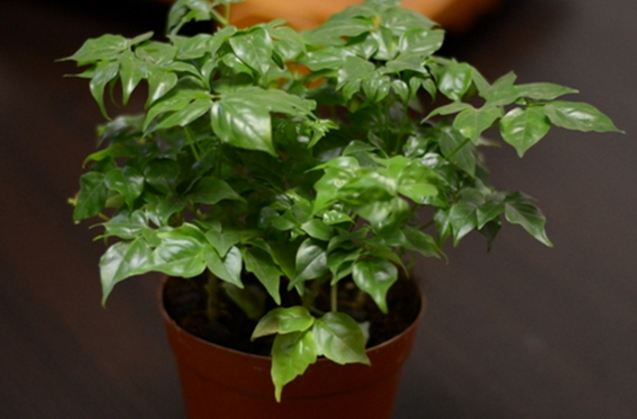
What Causes Leaf Drop in the Radermachera sinica
1. Light causes leading to leaf drop in the Radermachera sinica
The Radermachera sinica is a light-loving plant that is fairly shade-tolerant, but it can only grow well with light. In summer, when it is hot, it needs shading, and the Radermachera sinica should be placed in a cool spot. If the Radermachera sinica is shaded for a long time and does not get enough light, it is prone to dropping leaves.
Solution:
When growing the Radermachera sinica, in daily life you can move it to a balcony or another spot with ventilation and light, and provide appropriate shading in summer, but be sure to ensure sufficient light. In the cold winter, the Radermachera sinica can be placed indoors in a spot with relatively abundant light so that it can get more sun exposure.
2. Temperature causes leading to leaf drop in the Radermachera sinica
The Radermachera sinica likes a warm growing environment, and the suitable temperature for growth is 20-30℃. In summer, when it is hot and the temperature reaches above 30 degrees, the Radermachera sinica stops growing, and in severe cases leaf drop occurs.
Solution:
When the Radermachera sinica shows signs of leaf drop, it should be moved to a cool place, and water should be sprayed on the leaves to lower the temperature.
3. Watering causes leading to leaf drop in the Radermachera sinica
Both overwatering and underwatering can cause the Radermachera sinica to drop leaves. When overwatered, the root system of the Radermachera sinica rots, and the leaves fall off. When underwatered and ventilation is poor, the air becomes dry and humidity drops, which can also cause the Radermachera sinica to drop leaves.
Solution:
When caring for the Radermachera sinica, watering should be reasonable. Keep the potting soil moist, but there should be no standing water. In the hot summer, give the Radermachera sinica sufficient water, and you can spray the plant every day.
4. Fertilization causes leading to leaf drop in the Radermachera sinica
When caring for the Radermachera sinica, fertilization is very important. First, the soil should be fertile and rich in organic matter, and fertilization should be reasonable; otherwise, it will cause poor growth of the Radermachera sinica and even leaf drop.
Solution:
When growing the Radermachera sinica, add a certain amount of base fertilizer to the soil, and keep topdressing continuously during the growth period. Apply fertilizer once a month during the growing season, usually liquid fertilizer or decomposed cake fertilizer water, to ensure that the Radermachera sinica has enough nutrients for growth.
What Propagation Methods Are There
Many people like the Radermachera sinica but do not know how to propagate it. Common propagation methods for the Radermachera sinica include cuttings, sowing, and layering.
1. Cutting propagation of the Radermachera sinica
Cutting time:
Considering the growth temperature of the roots of the Radermachera sinica, cuttings are generally taken from March to April, when the temperature is around 15℃, so the roots can grow relatively quickly and the survival rate is high.
Selection of branches:
Choose 1-2 year old woody branches, about 15-20 cm long, cut off all the leaves, and keep the distance between the cut and the stem node at about 0.5 cm.
Insert the cut branches directly into sandy soil, with a depth of 1/3 or 1/2 of the branch. If too shallow, the branch will not be fixed and it will be difficult to root.
Care after cutting:
After cutting, keep the soil moist. After 20 days, gently pull the branch with your hand to check the growth of the root system. If it is relatively firm and difficult to pull up, it means it has rooted. Dig out the entire branch with the soil ball and plant it in a pot. After that, just care for it normally according to the care methods for the Radermachera sinica.
2. Seed propagation of the Radermachera sinica
Selecting seeds:
The seeds of the Radermachera sinica generally mature in December each year. It is recommended not to buy seeds at this time; beginners do not know how to store them, and it is very difficult to grow the Radermachera sinica from them.
Soaking seeds to promote germination:
In early March, purchase plump, dry seeds. Soak the seeds in water for 3-4 hours, then remove and dry them. The seed coat of the Radermachera sinica is not very hard, so do not soak for too long, to avoid the seeds rotting from water.
Sowing:
Sow the treated seeds evenly in the soil, keeping a certain distance between each one, and cover with a thin layer of soil. Then cover the flowerpot with a protective film to ensure enough humidity for the seeds to germinate.
After the seeds germinate, remove the film and provide appropriate shading. When they have 4-5 leaves, they can be planted in pots.
3. Layering propagation of the Radermachera sinica
Layering propagation is the least labor-intensive method, but its disadvantage is that if layering is done improperly, not only will no new plant be produced, but the layered branch will also be difficult to grow.
Layering time:
Spring each year is the growing season for the Radermachera sinica, and layering at this time can increase the survival rate. In addition, if layering is unsuccessful, the branch can be cut back in time and it can regrow.
Layering method:
Choose a two-year-old branch and perform ring-barking at the lower end of the branch, with the width of the ring bark being 2-3 times the diameter.
Then wrap the ring-barked area with mud and shape it into a soil ball with a diameter of 8-10 cm. Then wrap the soil ball with plastic film, leaving a small opening at the top for convenient watering. Then tie the ring-barked branch against a thick branch to secure it, so as to prevent the branch from breaking and affecting growth.
After three seasons, by autumn, a relatively complete root system will grow at the ring-barked area. At this time, it can be cut off and planted separately in a pot.
Leaf drop in the Radermachera sinica, causes of leaf drop in the Radermachera sinica, what to do about leaf drop in the Radermachera sinica?
The Radermachera sinica is also called Radermachera sinica and is a tree of the genus Radermachera. Its requirements for the growing environment are high temperature, high humidity, and sufficient sunlight. It fears cold and dislikes dryness. For cultivation, loose, fertile, well-drained loam and sandy loam rich in organic matter should be used. The Radermachera sinica flowers from May to September and fruits from October to December.
Editor's recommendations: What are the characteristics of the peony? Is the Plectranthus amboinicus toxic? How to grow azaleas
>>Click the image to learn more related content<<
The Radermachera sinica is usually grown indoors in pots, and occasionally leaf curling or yellowing leaves occur. What exactly causes this?What to do about leaf drop in the Radermachera sinica? For indoor potted plants, this is caused by indoor light being too dim and poor ventilation. If it is not the cold winter, it can be moved to a balcony to let it get ventilation and light, and it can quickly grow new leaves. In winter, it should be placed in a south-facing balcony or in front of a floor-to-ceiling window with sufficient light. In northern indoors, yellowing leaves may also be due to dry indoor air; appropriately spray the leaves of the Radermachera sinica with water, 2-3 times per day is enough.
>>Click the image to learn more related content<<
Causes of leaf drop in the Radermachera sinica:
1. Temperature cause: The Radermachera sinica likes a warm and hot environment, and the suitable growth temperature is 20℃ to 30℃. During the intense heat of midsummer, when the ambient temperature reaches above 30℃, appropriate shade should be provided with a shed, and water should be sprayed in the environment and on the leaves, or it should be moved to a ventilated, cool place with dappled shade to spend the summer. When late autumn arrives and the ambient temperature drops to around 10℃, it should be moved indoors into a shed in time.
>>Click the image to learn more related content<<
2. Light cause: The Radermachera sinica is a light-loving plant and can also tolerate some shade; full sun and semi-shade environments are both acceptable. Its seedlings are relatively shade-tolerant, and in summer a shed should be built for shading. For potted plants displayed indoors, they should be placed in front of a window with sufficient light or indoors. If placed in a dim indoor area for a long time, it is easy to cause leaf drop. For household potted plants, during the overwintering period they can be placed in front of a window or in a relatively high position in front of a balcony to let them receive more light.
>>Click the image to learn more related content<<
3. Moisture cause: During cultivation, the soil and display environment should be relatively moist. During the seedling stage, the seedbed should be kept moist. In hot seasons, sufficient water should be supplied, and in hot seasons the plant should be sprayed with water 2 to 3 times a day. Plants placed outdoors for care in summer and autumn. For plants placed indoors in winter, the plant enters dormancy, so do not water too much to avoid root rot.
4. Soil cause: For potted Radermachera sinica, use loose, fertile culture soil that drains well, is breathable, and is rich in organic matter. Usually mix garden soil: leaf mold: decomposed organic fertilizer: river sand = 5:3:1:1. Loosen the soil once a month during the growing season to ensure that the root area is always in a well-aerated state. Generally, for small and medium-sized household potted plants, repot once a year in early April when they are moved out, to meet the soil fertility requirements for a full year of growth.
>>Click the image to learn more related content<<
5. Fertilizer cause: For potted Radermachera sinica, in addition to adding an appropriate amount of decomposed cake fertilizer and 3% multi-element compound fertilizer to the culture soil, topdressing should also be given continuously. During the growing season, apply a quick-acting liquid fertilizer once a month, usually decomposed cake fertilizer water. For a small number of household potted plants, or for large potted plants displayed in public places for a long time, a small amount of multi-element slow-release compound fertilizer granules can be buried regularly, or a mixed solution of 0.2% urea plus 0.1% potassium dihydrogen phosphate can be applied.
Related recommendations:
What is the propagation method of the Kalanchoe blossfeldiana?
How to plant peony seeds
Cyclamen, how to make cyclamen bloom more?
What to do about yellowing leaves on cyclamen?
What are the effects and functions of lilies?
What is the cultivation method for the Clivia?
Causes of leaf drop in the Radermachera sinica
The first cause - temperature
We all know that the Radermachera sinica likes a warm and hot environment, and the suitable temperature for growth is about 20 degrees to 30 degrees, so the growing temperature of the Radermachera sinica must be well controlled. Generally speaking, full sun can be given in summer, but it cannot be exposed to scorching sun. In winter, be sure to keep the Radermachera sinica warm; otherwise, the Radermachera sinica will begin to drop leaves or have yellowing leaves.
The second cause - watering
The Radermachera sinica likes sufficient moisture, but it cannot be overwatered. Once overwatered, the roots will rot, and then the Radermachera sinica will begin to drop leaves. If underwatered, the Radermachera sinica will die from drought, and leaf drop will also occur. So watering is something that must be done with care!
The third cause - fertilization
Caring for the Radermachera sinica requires not only light and moisture, but also enough nutrients, which means fertilization! Once the Radermachera sinica lacks nutrients, it will begin to slowly wither and cause leaf drop, so fertilization must be done regularly. Of course, it cannot be overfertilized either, otherwise it will also cause leaf drop in the Radermachera sinica.
The above are the main causes of leaf drop in the Radermachera sinica, so the Radermachera sinica must be cared for well to stop it from dropping leaves. Now that the problem of leaf drop in the Radermachera sinica has been solved, follow the editor to take a look at the propagation methods of the Radermachera sinica!