How to grow a bonsai banyan tree? Analysis of leaf drop causes and care precautions
The banyan tree has a peculiar shape, lush branches and leaves, and a long lifespan, some can reach a thousand years. It has tenacious vitality, is miraculously evergreen, and is often grown as an ornamental bonsai. So let's take a look together at what methods there are for growing a bonsai banyan tree.
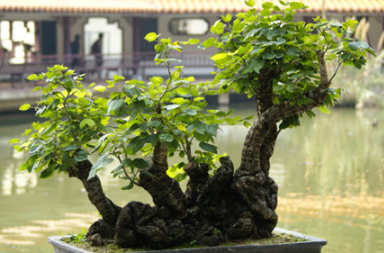
What growing methods and precautions are there for a bonsai banyan tree
Growing methods:
1. Placement of the bonsai banyan tree
Many flower enthusiasts do not know much about growing banyan trees. The banyan tree is different from many flowers and plants; it likes a warm, sunny, humid and well-ventilated environment, so the care location must meet these requirements, otherwise it can easily lead to the death of the banyan tree. Some flower enthusiasts place it on a sunny but poorly ventilated balcony or indoors, causing the banyan tree to drop leaves over a large area, until it finally becomes a bare trunk.
2. Watering method for the banyan tree
If a potted banyan tree is not watered for a long time, the plant will wilt due to lack of water, so you should promptly observe the plant's growth and water it in good time according to the soil. When watering, keep watering until water flows out of the drainage hole at the bottom of the pot; after watering once, wait until the soil surface turns white before watering again.
When the humidity in the environment is usually low, you can place a small trough under the flower pot and put in a little water as appropriate, which helps increase humidity. You should also spray water frequently, especially in the hot season.
3. Fertilizing method for the banyan tree
Because the soil in a potted banyan tree is limited, the nutrients available to support its growth are also limited, and only by replenishing nutrients in time can the banyan tree grow vigorously. In summer and autumn, apply decomposed fertilizer water once a month, and in winter apply less or no fertilizer. In short, everything should be based on the plant's growth condition.
4. Pruning method for the banyan tree
The banyan tree is very tolerant of pruning and grows quickly, so you can reshape it in early spring. Thin out the branches appropriately to enhance ventilation and light penetration and reduce the occurrence of pests and diseases. According to your own preferences, reshape it to improve its ornamental value.
Precautions for growing a banyan tree:
Banyan tree pruning is mostly done during the dormant period; when pruning during the growing period, a white sticky sap will flow out, which is very unfavorable to the plant's growth. During pruning, be sure to sharpen the knife a bit to avoid too many wounds.
For any potted plant, the nutrients in the potting soil will eventually be exhausted one day, so the pot must be changed once every two years. When changing the pot, add a small amount of base fertilizer. The best time to change the pot is early spring or late autumn.
What causes a bonsai banyan tree to drop leaves
1. Cause of banyan tree leaf drop: improper watering
The banyan tree likes a humid environment, and if the potting soil is too dry, leaf drop will occur. Of course, there is an even more serious type: watering in fits and starts, watering or not depending on mood. This kind of person cannot grow a banyan tree well, and leaf drop is only a small warning to you.
Solution: In fact, the banyan tree's root system is very developed, and even if the potting soil dries out, there will not be much harm in a short time; but if you go too far, it is hard to say. If you have not given water for more than 1 month and leaves have dropped, do not give a large amount of water all at once; proceed gradually and water little by little, otherwise it can easily cause poor root growth.
2. Cause of banyan tree leaf drop: improper fertilizing
Applying too much fertilizer causes fertilizer burn, affecting the plant's growth; in mild cases it drops leaves, in severe cases it dies.
Solution: Fertilize according to the method of light fertilizer applied frequently, and avoid using high-concentration chemical fertilizers or undecomposed organic fertilizers. Water promptly the next day after fertilizing to dilute the fertilizer in the potting soil. If too much fertilizer was applied, you can let the excess fertilizer flow out from the bottom of the pot with water by watering, then dry the potting soil.
3. Cause of banyan tree leaf drop: insufficient light
The banyan tree has lush leaves and needs more nutrients to support them, and an important source of these nutrients is sunlight. When light is insufficient, the leaves grow poorly and leaf drop occurs. Of course, in the stuffy summer environment with excessive light, the leaves will also drop.
Solution: Adjust the light time according to seasonal changes. In summer, when light is stronger, provide 50% shade at noon; in other seasons, normal light is enough. When the temperature is below 32°C, no shading is needed.
4. Cause of banyan tree leaf drop: pests and diseases
Common pests of the banyan tree include scale insects and red spider mites, which are prone to appear in poorly ventilated and dry environments. They are relatively small but cause serious damage and are not easy to control.
Solution: Wash the insects off with water and spray miticides. Alternatively, use laundry detergent solution or essential balm solution for spraying, which is non-toxic and has a very good control effect.
How to grow a bonsai banyan tree, banyan tree growing methods and precautions / needs shade in summer
The banyan tree is certainly familiar to everyone. It is the provincial tree of Fujian Province and has a very beautiful appearance. Made into a bonsai, it decorates courtyards and bedrooms with extremely high ornamental value. In daily life, many people want to grow a pot of banyan tree, so how do you grow a bonsai banyan tree? Below are the banyan tree growing methods and precautions carefully selected by the editor, very detailed. Friends who want to grow one should definitely take a look.
1. How to grow a bonsai banyan tree: understand its habits
The banyan tree likes a warm, humid environment with sufficient light. It is not drought-tolerant and not cold-tolerant, is relatively tolerant of waterlogging, and short-term waterlogging will not cause root rot. When growing it indoors, you should place it in a place with good light and take good cold protection measures in winter. As for soil, it is best to choose loose, fertile acidic soil. So how to grow a bonsai banyan tree is very simple: just meet its growth habits.
2. Banyan tree growing methods and precautions
1. Soil
How to grow a bonsai banyan tree: first of all, you should reselect the potting soil. The reason is that many flower enthusiasts' bonsai banyan trees are existing potted plants bought from flower shops or online, and normal care can ensure the plant's growth. But that soil is all very cheap, and if you want the banyan tree to grow well, it is best to choose new soil.
Soil selection: According to the banyan tree's growth habits, it likes loose, fertile acidic soil, and in alkaline soil the leaves turn yellow, which will cause the banyan tree leaves to yellow. For this, the editor recommends using loose leaf mold soil with good water permeability, usually in the ratio of garden soil: humus soil: sand = 2:2:1.
2. Light
As a green plant, the banyan tree has a great demand for light. Under normal circumstances, we should place it in a ventilated environment with sufficient light, but the banyan tree avoids strong light, so shade measures should be taken in summer when sunlight is abundant.
Precautions: During the banyan tree's growth process, you must give it sufficient light, otherwise long-term lack of light can make the plant yellow and dry, leading to pests and diseases, and even death.
3. Temperature
How to grow a bonsai banyan tree: adjusting the temperature in good time is also very important. The banyan tree likes a warm environment, and the difference between day and night for its suitable growth temperature should not be too large. Once the day-night temperature difference is above 10°C, it is very easy for it to drop leaves and die. The banyan tree is not cold-tolerant, and in winter the room temperature should be kept above 5°C.
4. Watering
Water is the source of life, so in the banyan tree growing methods and precautions, watering is a very important part. The banyan tree likes a humid environment, and it is tolerant of waterlogging, and short-term waterlogging will not cause root rot. So when watering the banyan tree, keep watering until water flows out of the drainage hole at the bottom of the pot; after watering once, wait until the soil surface turns white before watering again.
Precautions: Watering the banyan tree should be based on weather conditions, keeping the growing soil moist but not waterlogged. Once too much water is applied, causing water accumulation in the pot, it can easily cause the roots to turn black and necrotic. In addition, the banyan tree is more difficult to grow in the north, and households should spray more water on the leaves to increase the humidity around the air.
5. Fertilizing
After watering, let's talk about fertilizing. It is also indispensable in the banyan tree growing methods and precautions. In order to meet the banyan tree's growth needs, flower enthusiasts should apply decomposed fertilizer water once a month in summer and autumn, and apply less or no fertilizer in winter.
Precautions: Although the banyan tree likes fertilizer, applying fertilizer too many times or too concentratedly will harm the plant's growth, so everyone should vary the amount of fertilizer according to the season.
6. Pruning
The banyan tree is very tolerant of pruning and grows quickly. In order to maintain the beautiful shape of the bonsai, flower enthusiasts need to prune it in good time. The pruning time is generally chosen in early spring. Thin out the branches appropriately to enhance ventilation and light penetration and reduce the occurrence of pests and diseases. When pruning, everyone can reshape it according to their own preferences to improve its ornamental value.
7. Changing the pot
In the banyan tree growing methods and precautions, changing the pot is also a point that cannot be ignored. Because for any potted plant, the nutrients in the soil will eventually be exhausted one day, so timely repotting is indispensable. Everyone should change the pot once every two years. When changing the pot, add a small amount of base fertilizer. The best time to change the pot is early spring or late autumn.
8. Pest and disease control
During the banyan tree's growth process, the plant will inevitably get insects and diseases. The main pests are aphids, red spider mites, scale insects, etc., and their appearance will affect the banyan tree's growth. So once discovered, pesticide should be sprayed immediately for control. As for what pesticide to spray, you can refer to banyan tree pest and disease control.
Precautions for growing a bonsai banyan tree
We know that the banyan tree is a tree that grows in the south. If we need to plant it in the south, winter care needs some attention; in winter it should be placed indoors and watered frequently. Winter in northern regions is relatively dry, so we should pay attention to maintaining air humidity. Also there is the choice of flower pot; the pot must be deep enough, otherwise it is not conducive to root growth. Also, you need to prevent the banyan tree from dropping leaves; once the leaves drop, the banyan tree loses its ornamental value. There are many reasons that cause a bonsai banyan tree to drop leaves, such as improper watering, insufficient light, and pests and diseases, all of which can cause it to drop leaves. We should pay attention to observation in daily care and solve problems promptly when found.
The editor will introduce the feng shui role of the bonsai banyan tree here, hoping it is helpful to flower enthusiasts growing bonsai banyan trees. To learn more plant information, you can pay more attention to our Four Seasons Plant Network!