How to Grow Red-Backed Excoecaria and Precautions: The Cutting Propagation Method
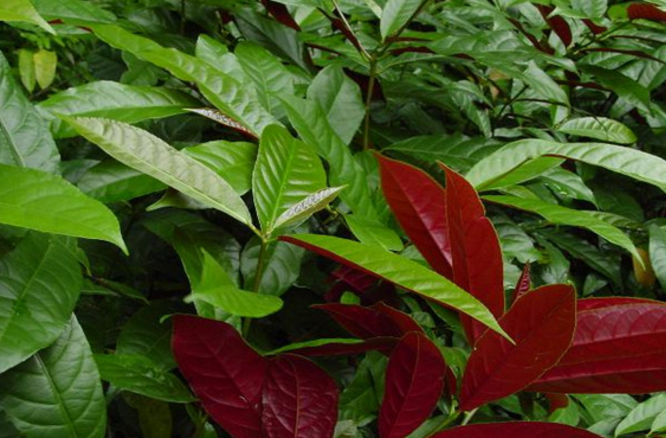
Red-backed excoecaria is an evergreen plant in the Euphorbiaceae family. The upper surface of its leaves is green, while the underside is red, so at first glance it looks like a tree full of red flowers, which is why it is so popular with flower-growing enthusiasts.
How to Grow Red-Backed Excoecaria and Precautions
Red-backed excoecaria is an evergreen shrub in the Euphorbiaceae family with high ornamental value. Its leaf surface is green, while the leaf underside is red; the interplay of red and green is very distinctive,
How to grow red-backed excoecaria:
1. Temperature
Red-backed excoecaria is a subtropical plant and is not cold-tolerant. The suitable growing temperature is between 15-25°C, and the overwintering temperature must not be lower than 5°C.
2. Light
It tolerates partial shade and prefers diffused light; never expose it to strong direct sunlight. In summer it needs to be placed in a shaded, ventilated spot, which helps keep the red-backed excoecaria's leaves a deep green.
3. Watering
Red-backed excoecaria likes a moist growing environment but dislikes waterlogging. During the growing season, water thoroughly to keep the potting soil and the surrounding environment moist, but be careful to avoid standing water. In winter, control watering; generally watering once every 7-10 days is enough, and the potting soil should be slightly moist to fairly dry.
4. Fertilizing
When planting or when repotting and changing the soil, you can apply an appropriate amount of compound fertilizer as a base fertilizer. During the growing season, apply a compound fertilizer containing nitrogen, phosphorus and potassium about once every half month, and during the flowering period you can add two sprays of a 0.2% potassium dihydrogen phosphate solution. No fertilizing is needed in midsummer and winter.
5. Soil
It likes fertile, loose sandy loam with good drainage.
6. Propagation methods
Two propagation methods can be used: root division and cutting. The root division method is generally carried out in March and April each year, selecting 2-3 year old seedlings for division and planting. The most common is cutting propagation: choose one-year-old robust branches as cuttings, cut them into sections of three nodes each and insert them into plain soil to a depth of about 23 cm; with shade and moisture retention, they will root in about two months.
Precautions for red-backed excoecaria:
In terms of pest and disease control, anthracnose, leaf blight and root-knot nematode disease are common. For the first two diseases, spraying a 500-fold dilution of 65% zineb wettable powder can be used, and for nematode control, a 3% carbofuran granule formulation can be applied. Red-backed excoecaria is easily harmed by scale insects, so pay attention to controlling them.
The soil used for cultivation must be an acid soil mix, and according to its growth, repot generally once every two years. In hot seasons it should be kept under a shade frame, and an acid liquid fertilizer should be applied every 2-3 weeks, which can make the branches and leaves luxuriant and keep the leaf color bright.
In winter, the room temperature must not be lower than 12°C, otherwise it will cause heavy leaf drop and the plant will enter dormancy, and the young branches will also wither. If this happens, immediately prune back hard to encourage new branches. When moving it outdoors in spring, be careful to protect it from wind, otherwise the leaves are prone to curling and even the leaf edges drying up.
The cutting propagation method for red-backed excoecaria
1. Cutting time for red-backed excoecaria
Cuttings can be taken during the growing season, and the most suitable time is before the spring buds have sprouted, when the hormones in the branches are relatively abundant and nutrients have accumulated relatively well, giving a high survival rate after cutting. If this timing is missed, you can also take cuttings from late July to mid-August, after the spring shoots have stopped growing and before the autumn shoots have sprouted.
2. Selecting cuttings for red-backed excoecaria
Select 1-2 year old robust, disease-free branches, keep 2-3 leaves at the tip, remove the lower leaves, and cut them into cuttings about 10 cm long. The lower cut end can be soaked in a naphthaleneacetic acid solution for about 5 minutes before cutting.
3. Preparing for red-backed excoecaria cuttings
When taking cuttings, choose a spot away from the sun and dig an oblong pit, about 12 m long, 1.2 m wide and 70 cm deep. Then bring in some manure, about 0.4 m, and on top spread a layer of perlite about 20 cm thick. After cutting, it is best to set up a plastic shade shed. Once the seedbed is ready, disinfect the soil with a potassium permanganate solution.
4. Cutting method for red-backed excoecaria
First make a hole with a small stick, then insert the cutting to a depth of 3-4 cm, spray with water until thoroughly wet, then cover and seal with plastic film to keep warm and moist.
5. Post-cutting care for red-backed excoecaria
Keep the temperature at around 25°C, mist two or three times a day, and ventilate every two or three days. Once the cuttings have rooted, spray a potassium dihydrogen phosphate aqueous solution once a week. They can root in about one month, and in about 50 days they can be potted up.
How to grow red-backed excoecaria and precautions
How to grow red-backed excoecaria
Temperature
Red-backed excoecaria is a subtropical plant and is not cold-tolerant. The suitable growing temperature is between 15-25°C, and the overwintering temperature must not be lower than 5°C.
Light
It tolerates partial shade and prefers diffused light; never expose it to strong direct sunlight. In summer it needs to be placed in a shaded, ventilated spot, which helps keep the red-backed excoecaria's leaves a deep green.
Watering
Red-backed excoecaria likes a moist growing environment but dislikes waterlogging. During the growing season, water thoroughly to keep the potting soil and the surrounding environment moist, but be careful to avoid standing water. In winter, control watering; generally watering once every 7-10 days is enough, and the potting soil should be slightly moist to fairly dry.
Fertilizing
When planting or when repotting and changing the soil, you can apply an appropriate amount of compound fertilizer as a base fertilizer. During the growing season, apply a compound fertilizer containing nitrogen, phosphorus and potassium about once every half month, and during the flowering period you can add two sprays of a 0.2% potassium dihydrogen phosphate solution. No fertilizing is needed in midsummer and winter.
Soil
It likes fertile, loose sandy loam with good drainage.
Propagation methods
Two propagation methods can be used: root division and cutting. The root division method is generally carried out in March and April each year, selecting 2-3 year old seedlings for division and planting. The most common is cutting propagation: choose one-year-old robust branches as cuttings, cut them into sections of three nodes each and insert them into plain soil to a depth of about 23 cm; with shade and moisture retention, they will root in about two months.
Precautions for red-backed excoecaria
In terms of pest and disease control, anthracnose, leaf blight and root-knot nematode disease are common. For the first two diseases, spraying a 500-fold dilution of 65% zineb wettable powder can be used, and for nematode control, a 3% carbofuran granule formulation can be applied. Red-backed excoecaria is easily harmed by scale insects, so pay attention to controlling them.
The soil used for cultivation must be an acid soil mix, and according to its growth, repot generally once every two years. In hot seasons it should be kept under a shade frame, and an acid liquid fertilizer should be applied every 2-3 weeks, which can make the branches and leaves luxuriant and keep the leaf color bright.
In winter, the room temperature must not be lower than 12°C, otherwise it will cause heavy leaf drop and the plant will enter dormancy, and the young branches will also wither. If this happens, immediately prune back hard to encourage new branches. When moving it outdoors in spring, be careful to protect it from wind, otherwise the leaves are prone to curling and even the leaf edges drying up.
How to Grow Red-Backed Excoecaria and What Uses Does Red-Backed Excoecaria Have
Red-backed excoecaria, also known as qingzi wood, red wood, red-backed osmanthus and oriental osmanthus, is an excellent foliage plant for indoor and outdoor pots. So what is the method for growing red-backed excoecaria? Below, the editor will introduce the growing method for red-backed excoecaria.
I. How to grow red-backed excoecaria
Red-backed excoecaria grows slowly. For potting, leaf mold or pond mud mixed with coarse sand is commonly used. When repotting in spring, add a little cake fertilizer, irrigation fertilizer or superphosphate as a base fertilizer to promote robust plant growth. During the growing season of red-backed excoecaria, keep the potting soil moist, apply a dilute cake liquid fertilizer 1-2 times a month, or use a 1% superphosphate water solution and a 0.5% ammonium sulfate water solution with a small amount of ferrous sulfate, applying these alternately with the liquid fertilizer; to keep the potting soil slightly acidic, applying some alum fertilizer water is more suitable; you can also spray the leaves with a 500-600-fold dilution of potassium dihydrogen phosphate.
In midsummer, it should be kept under a shade frame, with a foliar watering once in the morning and evening, and a thorough watering once every 3-4 days; when displayed indoors, do not water unless the soil is dry, as too much water will cause leaf drop and even death. At the end of autumn, red-backed excoecaria should be moved indoors for growing, keeping the indoor temperature above 10°C. When the temperature is below 5°C, red-backed excoecaria will drop its leaves and the young branches will suffer cold damage. When keeping red-backed excoecaria indoors in winter, pay attention to ventilation.
In the process of growing red-backed excoecaria, diseases and insect pests are often encountered. Leaf blight and anthracnose are common; choose a 600-800-fold dilution of 50% carbendazim wettable powder or spray a 500-700-fold dilution of 80% zineb wettable powder for control. There is also harm from root-knot nematodes, which can be controlled by applying a 3% carbofuran granule formulation.
Red-backed excoecaria is commonly propagated by cuttings, mainly carried out from June to August. You can choose robust 1-2 year old small branches, cut them into 8-10 cm long cuttings (containing 3-4 nodes), keep the 2 leaves at the tip, remove the lower leaves, and after the milky sap at the cut end has dried, insert them into a sand bed. After cutting, red-backed excoecaria should be properly shaded, watered in good time, and kept at a certain air humidity and temperature. At 20-25°C, red-backed excoecaria will root and grow leaves in about 30 days after cutting.
II. What uses does red-backed excoecaria have?
Red-backed excoecaria, also known as qingzi wood, red wood, red-backed osmanthus and oriental osmanthus, has branches and leaves of well-proportioned density, with red and green setting each other off, making it an excellent foliage plant for indoor and outdoor pots.
1. Landscape uses of red-backed excoecaria
Red-backed excoecaria is a very good foliage plant. Its leaf surface is dark green and glossy, while the leaf underside is purplish red, and the whole plant has red and green enhancing each other, giving it great ornamental value. Potted and placed indoors, it makes the indoor environment beautiful, warm and grand. Planted in courtyards and parks, its vivid leaf color forms a natural, leisurely landscape with buildings or tree clusters.
2. Medicinal uses of red-backed excoecaria
Besides its ornamental value, the whole plant of red-backed excoecaria can also be used as medicine. It has the functions of promoting meridians and activating collaterals, and relieving pain, and has a certain effect on treating measles, mumps, tonsillitis, angina pectoris and renal colic; as well as lumbar muscle strain.