How are kumquat bonsai made, and how much do they generally cost?
Kumquat bonsai stay evergreen all year round, with pure white fragrant flowers, abundant fruit, attractive fruit shape, a long fruit-viewing period and high nutritional value. Placed in a hall, living room or on a balcony, a potted kumquat not only adds to the festive atmosphere but also has very high ornamental value, which is why it is so popular with people in the north.
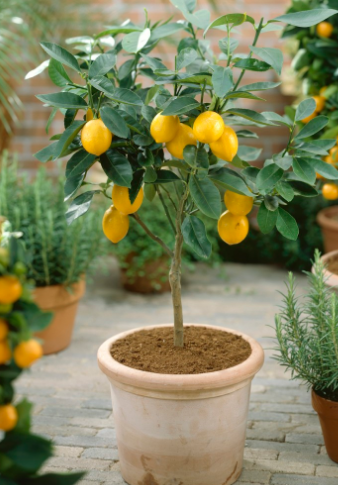
How to make a kumquat bonsai
Making a kumquat bonsai:
1. Raising the seedlings
Kumquat can be raised from seed, cuttings or grafting. Grafting is usually done in May and June, and the grafted plants can bear fruit one to two years later. Sowing is best done in March and April each year; when sowing, cover the seeds with 1-2 cm of soil and then with plastic film. After the seedlings emerge, gradually lift the film, remove it once the plants are hardened off, and stop fertilising in autumn to prevent the seedlings from growing too lushly and affecting their overwintering. During the growth of the seedlings, pinch out the growing tips to encourage thicker growth.
2. Potting and planting out
Choose seedlings with well-developed roots and vigorous growth, and pot them before they sprout in spring. Select a flower pot 20-25 cm in diameter and place a piece of broken tile over the drainage hole. For the growing medium, use a mix of leaf mould and compost, or horse manure soil. After potting, leave a 3 cm rim to make watering easier. Seven to ten days after planting, the seedlings will have developed new roots; at this point fertilise with diluted manure water. Generally, repot once every 2-3 years, adding 40-50 g of cake fertiliser or pomace as a base fertiliser; do this in autumn, after the autumn shoots have turned green.
Caring for a kumquat bonsai:
1. Water and fertiliser management
In spring and autumn, water once every 2-3 days; on sunny summer days, water once a day, keeping the moisture content of the potting soil at around 70 percent; in winter it depends on the overwintering environment, but generally water once every 7 days.
After the spring shoots sprout, increase fertilisation; during the flowering and fruiting periods, a small amount of urea can be added, and as the amount of growth increases, the concentration of liquid fertiliser should be increased accordingly.
2. Shaping and pruning
The kumquat is trained into a natural semi-round, columnar or pagoda shape. Before fruiting, the pruning principle is: for single-bud cut-graft seedlings, after the first flush of shoots matures, cut back heavily and set the trunk at 10 cm; once the main branches have lignified and before they push out new shoots, cut them back again to stimulate new growth. At the same time, step up water and fertiliser to encourage multiple flushes of shoots in the same year and expand the canopy.
How much does a kumquat bonsai generally cost?
That depends on how large the kumquat potted plant is, and prices differ from region to region. In slightly larger cities it is around 100-200 yuan, while in smaller places it is around 80 yuan.
The above prices all come from the internet; the actual price is subject to the actual purchase.
A guide to growing 24 common potted plants
1. Beaucarnea recurvata (ponytail palm)
Beaucarnea recurvata is an evergreen small tree in the family Agavaceae and the genus Beaucarnea.
Origin and habits: Beaucarnea recurvata is native to Mexico. It likes ample sunlight, is fairly fond of fertiliser, prefers sandy loam, tolerates drought and is strongly cold-resistant. In Hainan and along the southern coast of South China it can overwinter outdoors; in other regions varying degrees of insulation measures are needed.
Morphological characteristics: In the wild, Beaucarnea recurvata grows 2-3 m tall; as a potted plant it can reach 1 m in height. Its stem is oddly shaped, with the base of the trunk especially swollen, shaped like a wine bottle. The swollen part has bark with a thick cork layer, cracked into small squares. The leaves are slender, linear, thinly leathery and drooping; the leaf margins are finely serrated; they can reach 1.5-2 m long.
Growing and cultivation: Beaucarnea recurvata is mostly grown from seed. From April to November, during its growing period, it should not be moved or turned, ensuring it keeps one fixed position. At this time, give plenty of water and nutrients to encourage the stem to swell. According to how dry or wet the potting soil is and how deep the leaf colour is, water and fertilise at the right time and in the right amount, neither waterlogged nor short of water; from January to March, water should be strictly controlled, watering thoroughly only once a month with water at room temperature. When fertilising, do not use raw or concentrated fertiliser. In addition, spray once a month with dimethoate or decamethrin, and spray 1-2 times a year with chlorothalonil; this can greatly improve the cold resistance of Beaucarnea recurvata.
Ornamental value: Beaucarnea recurvata has a tall, full stem and glossy, flowing linear leaves, with a peculiar shape; it is a rare ornamental flowering plant.
2. Green Giant
Green Giant, commonly known as Green Giant white palm, belongs to the family Araceae and the genus Spathiphyllum.
Origin and habits: Green Giant is a perennial shade-loving herbaceous plant. It is mainly distributed in Colombia and is one of the most popular indoor foliage plants in Europe and America. Green Giant likes shady, cool, humid environments and fertile soil, and dislikes drought, high temperatures and direct sunlight; in tropical and subtropical regions it can grow all year round.
Morphological characteristics: Green Giant can reach 95 cm in height. Its leaves are broadly elliptical, entire and leathery; the leaf tissue is fairly thick; the leaf colour is dark green, slightly covered with white powder, and the petiole can reach 43 cm long. The inflorescence is a spathe, shaped like a long spoon; the flower colour changes from white to green within 25 days; the inflorescence can reach 1 m in length, and the spadix is also about 15 cm long. The flowering period is late spring to early summer.
Growing techniques: Green Giant can be propagated by division and tissue culture. Before the growing point has broken through the skin, no tiller buds will sprout until it matures. If the growing point is artificially damaged, each plant can produce 3-5 tiller buds; although the shoots are sturdy, their form is not as attractive as tissue-cultured shoots, so home growers can use this method for their own propagation.
Management techniques: When growing Green Giant, during the test-tube seedling stage it should be watered thoroughly, keeping air humidity above 80 percent. After the plants are established, water thoroughly once every 1-2 days, and in summer increase misting of the leaves, which has many effects such as washing off dust, lowering temperature, preventing sunscald and raising air humidity. To keep the plant upright and symmetrical, adjust the placement angle every six months. Whether Green Giant grows well depends mainly on whether the base fertiliser is sufficient. In addition, depending on the growth situation, apply water-soluble fertiliser or inorganic nitrogen fertiliser monthly or at irregular intervals to promote leaf growth, deepen the leaf colour and maintain the best ornamental condition.
Green Giant has fairly strong resistance to pests and diseases. When ventilation is poor, aphids and green stink bugs can occasionally be seen damaging the young leaves. Improving ventilation can prevent this; for potted plants, keep the leaves just touching. Once pests are found, they can be removed by hand or killed with insecticide.
Ornamental value: Green Giant is a majestic, imposing plant, and its gradually changing flower colour can inspire endless imagination. It is an ideal potted flower for decorating large halls such as hotels, and it also looks very impressive placed in a larger family living room.
3. Areca palm
The areca palm is an evergreen shrub in the family Palmae.
Origin and habits: It is native to Madagascar, and is mostly grown in pots in various parts of China. The areca palm likes warm, humid environments, and prefers light but is also fairly shade-tolerant. It grows slowly in height but its crown spreads quickly, and it self-prunes well. It requires slightly acidic, well-aerated sandy loam and dislikes alkaline soil.
Morphological characteristics: The plant is 3-4 m tall. The stems branch from ground level and have ring markings; the leaves spread in an arch shape and can reach 2 m long, with smooth yellow petioles; the pinnae are lance-shaped, 60 cm long, soft at the tip, with 3 raised main veins on the underside; the flowers are small, borne in strings, golden yellow, and bloom in March and April.
Growing techniques: The areca palm can be grown from seed or by division. Potted plants are generally propagated by division. Division can be done all year round, but autumn is best. From a vigorous mother plant, choose well-developed shoots, cut them away from the mother plant at the roots and replant them in a new pot. Newly planted divisions, since their root systems are not yet well developed, should be kept out of strong light for long periods. Water them moderately and mist the leaves several times a day to keep them moist. Keep the temperature at around 20-25 degrees C, and after about 20 days they will grow normally.
Management techniques: For indoor potted areca palms, choose slightly acidic soil; in the north, use sandy loam with a high humus content. Watering should follow the principle of "dry thoroughly, wet thoroughly" according to the season, watering more in dry, hot seasons and controlling watering in cold, rainy weather. In northern regions, especially where the water contains more salt and alkali, regularly use black alum to adjust the soil acidity. Liquid fertiliser can be applied all year round, with additional nitrogen-containing organic fertiliser in summer and organic flower fertiliser such as sesame paste residue in winter. Rotate the pot regularly, frequently prune the lower and inner dead leaves and pay attention to shaping the crown. In winter, be sure to keep the indoor temperature above 10 degrees C.
Ornamental value: The areca palm is a tall plant with drooping, emerald-green leaves; as a potted plant in the north it decorates halls and rooms and looks especially majestic.
4. Rubber tree
The rubber tree, also known as the Indian rubber fig, is an evergreen shrub or tree in the family Moraceae and the genus Ficus.
Origin and habits: It is native to India and Malaysia, and is widely distributed in China, with about 120 species. The rubber tree likes warm, humid environments, growing luxuriantly in a greenhouse at 30 degrees C in summer. In winter the minimum temperature is generally above 10 degrees C. It likes ample light and well-ventilated environments, and requires fertile soil.
� Morphological characteristics: The rubber tree is an evergreen large tree, reaching more than 30 m in height, smooth all over, with milky sap in the cortex and aerial roots growing on the stem. The leaves are oblong to elliptical, 10-30 cm long, dark green on the upper surface, pale yellow-green beneath, entire, leathery, with red stipules; the flowers are solitary and the plant is monoecious. The round-leaved rubber tree is an evergreen small shrub, 50-80 cm tall, much branched. Its leaves are broadly obovate, broadly rounded at the tip and narrow at the base, 1.5-5 cm long, leathery, dark green on the upper surface, with dark-coloured glands in the vein axils; the syconium is spherical to pear-shaped, about 6-8 mm in diameter, solitary, yellow or tinged with red when ripe.
Growing techniques: Rubber trees are mainly propagated by cuttings; the cutting method uses stem cuttings or bud-leaf cuttings, which root very easily, and can be done indoors all year round. For summer cuttings, keep the temperature at 18-25 degrees C and they will root in 2-3 weeks. In summer, seedlings can also be raised outdoors in the field.
Management techniques: The growing medium for rubber trees is loam mixed with leaf mould and rotted farmyard manure. Because it grows rapidly, it should be given plenty of water and fertiliser when cultivated; besides the base fertiliser, apply diluted fertiliser water at least once a month, and give ample light in summer. Potted plants are generally repotted once every 2-3 years according to their growth condition. Secondly, because the rubber tree has large, luxuriant leaves and strong respiration and transpiration, frequently spray the leaves with clean water; you can also wipe them with beer, which acts as a fertiliser and makes the leaves glossy and green.
Ornamental value: The rubber tree is a common garden tree or potted foliage plant. Its leaves are emerald green all year round and quite beautiful. In southern China it is often used for garden greening and beautification; in northern regions it is mostly grown indoors in pots, used to decorate hotels, halls, studies and living rooms, and it is much loved whether for its foliage or its form.
5. Norfolk Island pine
The Norfolk Island pine, also known as the heterophyllous Araucaria, belongs to the family Araucariaceae and the genus Araucaria.
Origin and habits: The Norfolk Island pine is native to Norfolk Island in Oceania and northeastern Australia. In China it is cultivated as a landscape tree in Guangdong, Hainan, Fujian and other places, while north of the Yangtze River basin it is commonly grown in pots for ornament. The Norfolk Island pine is shade-tolerant, not cold-tolerant and not drought-tolerant. It likes warm, humid climates and has fairly strong resistance to pests, diseases and pollution. The suitable growing temperature is 10-25 degrees C, and the minimum winter temperature should be kept above 5 degrees C.
Morphological characteristics: The Norfolk Island pine is an evergreen tree with a spire-shaped crown. The branches are regularly horizontal, with the branchlets spreading horizontally or drooping, and they are shed in rotation in winter; the leaves on young plants or branchlets are soft and sickle-shaped, about 1.5 cm long, while the leaves on large trees and old branches are ovate or triangular-ovate, about 0.6 m long. Potted plants are generally 1-2 m tall.
Growing techniques: The Norfolk Island pine can be grown from seed or cuttings. Norfolk Island pines planted in the north rarely set seed, so cuttings are often used. In spring, collect the upright new shoots or vigorous shoots growing out from the lateral buds as cuttings (if lateral or weak branches are used as cuttings, the resulting plant will have a deformed crown and lose its ornamental value). The cuttings are 7 cm long; inserted into a greenhouse sand bed at 13-16 degrees C with 60-80% relative air humidity, they will root. Alternatively, cut off the top of a young tree, wait for the lateral buds at the top to produce upright new shoots, and then cut the branches for cuttings in spring.
Growing from seed: Before sowing, it is best to scarify the seed coat to promote germination. Seed-grown seedlings have a long taproot and few fibrous roots, and are prone to dying when transplanted, so paying attention to techniques such as protecting the roots, planting carefully, keeping warm and shading will increase the survival rate of the seedlings. Seedlings with broken roots can be washed in clean water and inserted into plain sand, and at a suitable temperature they will re-root from the cut surface in 1-2 weeks. Seedlings with broken buds or stems but still bearing leaves can be planted as usual, and after they survive they will sprout new buds after a certain period.
Management techniques: The Norfolk Island pine likes light and needs full light, but dislikes strong light. In summer, place it in the shade of trees or in semi-shade outdoors. If kept for a long time in a cold, dark place, the plant will grow thin and tall. In September it should be moved into a frost-free, well-lit cool room. The temperature should change gradually; after October the ideal temperature is 5-10 degrees C. Water the plant regularly during the growing season, and keep the soil moist in winter. If the potting soil is too dry in summer, or there is too much water in winter, or the relative air humidity is below 60%, the lower leaves will droop. If the light is too dim or the temperature too high in winter, the needles will drop or turn yellow. During the growing season, apply a calcium-free fertiliser once every two weeks. Generally, repot once every 2-3 years in spring to prevent the plant from growing too tall. A mix of three parts loam, one part leaf mould, one part coarse sand and a small amount of plant ash is best for the potting soil. The depth of the soil layer should be such that the buds rooting in the upper layer are just exposed above the soil surface.
Ornamental value: The Norfolk Island pine has a beautiful tree shape and grows rapidly; it is used for row planting or as a specimen tree in courtyards, and young trees are precious foliage plants. In addition, the Norfolk Island pine has excellent timber and is an important timber species in Australia and South Africa.
6. Boston fern
The Boston fern is a terrestrial fern foliage plant in the family Nephrolepidaceae and the genus Nephrolepis.
Origin and habits: The Boston fern comes from tropical or subtropical regions. It likes shade and humidity, has no strict temperature requirements, is fairly cold-resistant and dislikes direct sunlight. The growing medium should be loose and well aerated.
Morphological characteristics: The Boston fern is a mutation of the genus Nephrolepis. It has once-pinnate compound leaves, and its pinnae are broader and more drooping than those of the original species; the pinnae are 90-100 cm long, lance-shaped and yellow-green. The leaflets spread horizontally, with wavy margins and twisted tips.
Growing techniques: The Boston fern does not produce spore-bearing leaves and can only be propagated by division or by runners. Division can be done at any time of year, but spring and autumn are best. After dividing, water thoroughly and place in a shady spot, and it will quickly resume growth.
Management techniques: For outdoor cultivation of the Boston fern, mix about half (by volume) expanded plastic artificial soil into ordinary growing medium and stir well. For indoor potted plants, you can use pure expanded plastic artificial soil, which is lightweight, clean and hygienic. The Boston fern is best grown under a shade frame covered with a layer of shading net. Covering it with an additional layer of colourless film is even better, as it both prevents rain from soaking it and avoids direct sunlight. During the growing season, water once a day; drip irrigation is best, so that water droplets do not settle on the leaves and cause them to yellow and rot. In hot summer, you can also spray water around the potted plant to raise humidity. In winter, control water appropriately, keeping it merely moist. During the growing season, nitrogen fertiliser must be applied. For outdoor cultivation, apply diluted organic fertiliser water twice a month, and never let it contaminate the leaves; for indoor cultivation, supplement with a nitrogen-based nutrient solution once every 2 months or so. To keep the plant shape attractive and promote air circulation, prune out dead and yellowed old leaves along with shaping.
Ornamental value: The Boston fern has fresh green leaves and an elegant plant shape; as a potted plant it is distinctive as an indoor display or as a wall-mounted or mosaic-style plant decoration material.
7. Asparagus fern
The asparagus fern, also known as cloud-leaf bamboo or mountain grass, belongs to the family Liliaceae and the genus Asparagus.
Origin and habits: The asparagus fern is native to South Africa. It likes warm, humid and semi-shady conditions, and is not tolerant of drought or frost. It requires soil rich in humus and well drained.
Morphological characteristics: The asparagus fern is a perennial herbaceous plant with smooth, slender, climbing stems. The leaves are fine and spread horizontally, small, about 3-5 mm long. The true leaves are reduced to scales or spines. The flowers are small, bisexual and white. The berry is spherical and purple-black. The flowering period is mostly in February and March or June and July, and some bloom twice.
Growing techniques: The asparagus fern is mostly grown from seed and by division. Sowing is done in March and April, soaking the seeds for 24 hours before sowing. Sow them in dots in a 10 cm deep pot, cover with glass or plastic film, keep the temperature at 20-25 degrees C and the potting soil moist, and they will germinate in 20-30 days. When the seedlings are 5-10 cm tall they can be planted out in a greenhouse or potted. Four- to five-year-old large plants can be divided in spring.
Management techniques: The asparagus fern is a shade plant and should not be placed in too bright a spot, otherwise the branches and leaves easily turn yellow. Water appropriately, keeping the potting soil alternately moist and dry; generally watering enough to moisten the surface soil is sufficient, and in dry seasons spray the leaves with clean water more often. The asparagus fern likes fertiliser; apply a fully rotted, diluted liquid fertiliser mainly of nitrogen and potassium, or leftover milk diluted with water, once every 10-15 days. The asparagus fern grows quickly, so promptly thin out overly weak, overly dense and old branches and dead stems, which helps ventilation and keeps it low-growing. The asparagus fern can also be grown in bamboo tubes, which have good drainage and water retention, so there is no need to drill holes in the bottom.
Ornamental value: The asparagus fern is mainly grown in pots for its foliage; it is fresh and elegant, and placed in a study it adds even more of a scholarly atmosphere. The roots, stems and leaves of the asparagus fern can all be used medicinally and can be collected all year round. Its branches and leaves are fine, upright and elegant, with an airy, well-spaced emerald green and a free and easy posture; it is a good companion material for cut flowers, bouquets and flower baskets.
8. Alexandra palm
The Alexandra palm is an evergreen tall tree in the family Palmae.
Origin and habits: The Alexandra palm is native to Oceania; in China it can be grown outdoors in Guangdong, Hainan, Taiwan, China and other places. The Alexandra palm likes high temperatures, high humidity, sheltered and sunny environments. In the north it is mostly grown in pots, and the potting soil should be well-drained, slightly acidic sandy loam.
Morphological characteristics: The Alexandra palm can reach more than 18 m in height, with a single, upright stem marked with rings; the leaves are pinnate compound leaves, 1-2 m long, with slender leaflets clustered at the top; the base of the petiole wraps around the stem, leaving a ring of scars when it falls off; it generally flowers in summer, with drooping panicle-like spicate inflorescences, cream-yellow in colour; the fruit is spherical and red.
Growing techniques: The Alexandra palm is mainly grown from seed; after harvesting, wash the flesh off the seeds, soak them in warm water for two days and then sow. They should be transplanted as they germinate; growth is fairly slow in the young stage and rapid once mature.
Management techniques: When planting the Alexandra palm, add base fertiliser, and during the vigorous growing season apply diluted liquid fertiliser once a month. In winter, keep the room temperature no lower than 10 degrees C. Control watering during the dormant period, keep the potting soil moist, and repot once every 1-2 years.
Ornamental value: The Alexandra palm is a tall, majestic plant that looks extraordinary when decorating an interior. Its emerald, drooping leaves flutter in the wind, making one feel as if surrounded by tropical scenery.
9. Golden barrel cactus
The golden barrel cactus, also known as the yellow-spined golden barrel, is the most charming barrel cactus species in the family Cactaceae and the genus Echinocactus. Among cultivated plants there are also several main varieties, such as the white-spined golden barrel, the wild-spined golden barrel, the short-spined golden barrel, the variegated golden barrel and the crested golden barrel.
Origin and habits: The golden barrel cactus is native to the desert regions of Mexico, and is now introduced and cultivated in both southern and northern China. The golden barrel cactus likes ample sunlight and mostly prefers fertile, well-drained sandy loam. During the hot summer period it should be shaded appropriately to prevent the body from being scorched by strong light.
Morphological characteristics: The golden barrel cactus has a spherical stem; the body is dark green, densely covered with yellow hard spines, and the top of the ball is densely covered with golden-yellow wool; the flowers are yellow, borne at the top among the wool, of medium size, very beautiful and spectacular; the fruit is covered with scales and wool, and the seeds are black and smooth.
Growing techniques: The golden barrel cactus is grown from seed and by grafting young offsets. 1. Sowing method: seeds harvested in the current year give a high germination rate. Sowing is done from May to September; 30-40 days after germination the seedling bodies are already the size of a grain of rice or a mung bean and can be transplanted or grafted onto a rootstock to speed up growth. 2. Offset grafting method: seedlings raised for more than 3 months are grafted onto tender Hylocereus undatus to speed up growth. When the scion has grown to a certain size or the rootstock can no longer support it, it can be cut off, and after the wound has dried it can be rooted and potted. In a fertile, well-ventilated environment, seed-grown seedlings that are not grafted also grow quickly. After potting, seed-grown seedlings or grafted offsets should be placed in semi-shade and kept out of direct sunlight; if the body does not shrivel after 7-10 days, they have taken.
Management techniques: The golden barrel cactus likes lime-containing sandy loam, which can be mixed from equal parts coarse sand, loam, leaf mould and a small amount of aged wall lime. Repot and change the soil and cut away old roots once a year. In mid-March, take the ball out of the pot and cut off the old roots, taking care not to damage the main root. After cutting, put the plant in a ventilated place to dry for 4-5 days so the cut surfaces dry out; for the new growing medium used when repotting, use fermented livestock and poultry manure as base fertiliser, add coal ash, plant ash and a small amount of animal bone meal, and mix well; the pot should be sterilised by sun exposure, boiling and spraying to prevent the ball from rotting.
The golden barrel cactus likes ample sunlight, but in summer it prefers semi-shade; when the temperature reaches above 35 degrees C, it should be shaded around midday to avoid strong sunlight scorching the body. Before 10 a.m. or after 5 p.m., it can be placed in the sun to encourage more flower buds and to avoid excessive shading, which makes the body elongate and reduces its ornamental value. Keep the overwintering temperature at 8-10 degrees C and keep the potting soil dry. If the temperature is too low, the body will develop yellow spots. In summer, protect it from rain.
Summer is the peak growing season for the golden barrel cactus, and its water requirement increases. If there is drought, water frequently, preferably in the early morning and evening; never water with very cold water at hot midday, as this easily causes "chilling" and damage. If the potting soil is too dry at midday, spraying a little water to moisten the surface is enough; do not spray water on the top of the ball or the graft union, to avoid water accumulating and causing rot. During the growing period, apply a diluted fertiliser solution containing nitrogen, phosphorus, potassium and other components once or twice every half month or so, together with watering. Organic fertiliser must be fully rotted and the concentration appropriate.
The golden barrel cactus is robust by nature and highly disease-resistant, but in summer, due to factors such as dampness, heat and poor ventilation, it is susceptible to red spider mites, scale insects, whiteflies and other pests, so control should be strengthened. For red spider mites, use a 1000-1500 times dilution of 40% dimethoate or 90% trichlorfon as a spray for control. When scale insects, whiteflies and the like are found causing damage, they can be removed by hand.
Ornamental value: The golden barrel cactus has a very long lifespan and is easy to cultivate; a mature large golden barrel cactus, with abundant flowers and a robust body, is resplendent and of very high ornamental value. Moreover, it is small in size and takes up little space, making it a very ideal ornamental plant for urban home greening.
10. Money tree
The money tree, whose scientific name is Pachira aquatica, also known as the money tree, Malabar chestnut or Chinese and American kapok, is a foliage plant in the family Bombacaceae and the genus Pachira (the Chinese and American kapok genus).
Origin and habits: The money tree is native to tropical America; China introduced it from Mexico in 1964 and cultivated it in the specimen garden of the Guangdong Forestry Research Institute, where it now flowers and sets fruit. It likes warm, humid conditions and requires soil with good drainage; a moderate temperature is suitable for growth. The money tree is not strict about light and can adapt fairly well whether in strong light or in a room with weak light.
Morphological characteristics: The money tree is an evergreen tree, reaching about 10 m in height. It has alternate palmately compound leaves, with petioles 10-28 cm long; there are 5-9 leaflets, oblong-elliptical and entire, with pointed tips, about 10-22 cm long, with pinnate veins and short petiolules. The flowers are solitary in the leaf axils, with 2-3 small bracts, and the flowers are pale yellow.
Growing techniques: The money tree is usually grown from seed to raise new plants, and can also be grown from cuttings. Because seed-grown plants have the characteristics of uniform emergence, straight roots and smooth stems, are easy to braid and can produce plump, lovely "radish heads", this has become the propagation method commonly used by horticultural producers; however, at present most of the seeds come from overseas, and Hainan can produce a small amount itself.
Money tree cuttings are easy to grow and can be done all year round in South China; enthusiasts in the north may do it in the warmer months of May to August each year. For cuttings, use the trimmed-off shoot tips or branches from potted plants, about 10-15 cm long, and insert them into plain sand or loam; the survival rate is high. Compared with seed-grown plants, cutting-grown plants have the drawbacks of a head stem that does not swell or only slightly swells and an unattractive stem, so this method is not used in horticultural production and is limited to home hobby cultivation.
Management techniques: The money tree requires heavy, moderately fertile soil with good drainage and a pH of about 6.5; generally a growing medium is made from 6 parts garden soil, 2 parts rotted organic fertiliser and 2 parts coarse sand, or 8 parts leaf mould and 2 parts coal cinder. The pot or container should be at least 40 cm deep to favour root growth and development. In summer, avoid direct sunlight and place it where there is scattered light; in winter, place it in a bright spot indoors. In winter, keep the room temperature at 15-25 degrees C, and never let the room temperature fall below 8 degrees C, otherwise cold damage easily occurs, with leaf drop in mild cases and death in severe cases. The money tree should not be watered too much, to prevent water accumulating in the potting soil, causing root rot and leading to the death of the plant. Spray the leaves with water every day to keep the leaf colour emerald green. Applying a moderate amount of phosphorus and potassium fertiliser can make the stem thick and sturdy, displaying a vigorous, antique beauty. In spring, prune the branches to encourage new shoots to sprout from the base of the stem, so that the new shoots are easy to braid into shapes.
Ornamental value: The money tree has an elegant tree posture and bright colours; besides braided shapes, it can also be grafted into animal shapes such as deer, dogs, sea lions and swimming dragons. It can be used for indoor greening decoration in major hotels, restaurants, shopping malls and homes, looking extraordinary, and is a good ornamental garden tree.
11. Poinsettia
The poinsettia, also known as the scarlet wood, ivory red or old-age beauty, is an upright shrub in the family Euphorbiaceae and the genus Euphorbia.
Origin and habits: The poinsettia is native to Mexico and tropical America. It likes warmth and ample sunlight, and needs fertile, loose soil with strong aeration and good drainage.
Morphological characteristics: The poinsettia is 1-3 m tall, with white milky sap in the stems; the leaves are alternate and simple, ovate-elliptical to broadly lance-shaped, 10-15 cm long, entire or with wavy teeth, green, with down on the underside. The inflorescence is terminal, and the leaves below it are vermilion red, 5-7 cm across; the involucre is pale green, and each bract has 1-2 large yellow glands.
Growing techniques: The poinsettia is grown from hardwood or softwood cuttings. 1. Hardwood cuttings are mostly done in March to May in spring; cut a one-year-old lignified or semi-lignified branch, about 10 cm long, as a cutting; remove the leaves from the cutting, dip the cut end in plant ash, and after the cut has dried insert it into fine sand to a depth of about 5 cm, water thoroughly and keep the temperature at 22-24 degrees C; it will root in about a month. 2. For softwood cuttings, choose a current-year soft shoot that has grown to 6-8 leaves, take a 6-8 cm long tender tip section with 3-4 nodes, cut it flat below a node, remove the large leaves at the base and immediately put it in clean water to stop the milky sap from flowing out, then insert it as a cutting and keep the medium moist; it will root in about 20 days.
Management techniques: The poinsettia can be grown outdoors in southern China and in a greenhouse in the north, but from May to September it needs to receive ample light so the plant can grow fully, and day length is an important factor affecting poinsettia flowering. The poinsettia has a higher fertiliser requirement than gladiolus and carnations; mature plants are usually given, 2 weeks before flower bud differentiation, one teaspoon per plant of a 14:14:14 nitrogen-phosphorus-potassium resin-coated slow-release fertiliser to make up for the lack of soluble fertiliser, and in winter the fertiliser concentration should be reduced by half. Apart from the period when cuttings are rooting, when the leaves like moisture, at other times the leaves are best kept dry. In summer and autumn, pinch out the growing tips 2-3 times, thin out weak branches and apply liquid fertiliser once a month. If you want it to flower early, choose a plant whose branches are 20 cm long, shorten the day length to 9 hours per day, and it can flower after 40 days. The overwintering temperature should not be lower than 5 degrees C.
Ornamental value: The poinsettia's natural flowering period is in mid-to-late December, right before Christmas and New Year's Day, adding a warm and joyful atmosphere to the festive season; it is a major festive potted flower. In recent years, because of its long flowering period, brilliant and eye-catching red bracts and easy control of flowering time, it has also been used in cut flower production and is generally welcomed by people.
12. Hyacinth
The hyacinth, hailed as the "Western narcissus", takes its name from the transliteration of Hyacinthus, originally the name of a handsome young man loved by the god Apollo in Greek mythology. It is native to southern Europe and Asia Minor. It is a world-famous fragrant flower today, cultivated most in the Netherlands and sold all over the world.
Abroad, the flower language of the hyacinth is "as long as you light the fire of life, you can share a rich life". These words exactly express the hyacinth's beautiful appearance and inner meaning. It is a perennial herb in the family Liliaceae, and its planting material is a spherical bulb; the plant is about half a chi tall, and the leaves are like short swords, thick and fleshly with no stalk, five or six in total. The flowers emerge from the bulb in a raceme, surrounded by twenty or thirty small flowers packed closely together; each flower has 6 petals, like a small bell with curled edges, opening section by section from bottom to top, and it can give off wave after wave of fragrance. Different varieties differ in how strongly they are scented: those with pink flowers have a light fragrance, those with pale purple flowers are more strongly fragrant, and those with pure white flowers have a weaker scent, so people with experience in appreciating hyacinths can tell them apart quickly.
Because of differences in national character, cultural attainment and level of appreciation, people's impressions of the narcissus differ greatly. Chinese people have deep feelings for the charm of Zhangzhou narcissus, which is elegant without being fawning, delicate without being arrogant, with icy flesh and jade bones, lofty and refined. Westerners, on the other hand, flock to the hyacinth's mood of dazzling colour, brilliant hues, curious charm and unrestrained freedom. The hyacinth happens to match their visual response. That is why flower beds and flower borders in European and American countries often plant hyacinths in large drifts, and when they bloom they look like one brilliant colourful painting after another. Many families also grow hyacinths in a specially made gourd-shaped glass bottle, where the upper part lets you admire the cluster of flowers and the lower part lets you see a bundle of thick white roots; this scene of flowers and roots flourishing together is rarely seen in other plants and flowers besides orchids.
Today, there are about 130 or more horticultural varieties of hyacinth in the world. They are mainly divided into two categories: "Dutch type" and "Roman type". The former are the authentic varieties, most of which produce only one flower scape per plant, with a thick, sturdy habit and larger flowers. The latter are mostly variant hybrids, each plant bearing two or three flower scapes, with a delicate, weak habit and smaller flowers; most consumers prefer to buy Dutch hyacinths. At present China is not yet able to produce its own seed stock and still needs to introduce it from abroad. When selecting bulbs, take care to choose ones with bright skin colour and a firm texture, free of disease spots and insect holes. Usually the colour of the seed coat can basically tell you what colour flowers it will produce; for example, one with a purple-red skin will produce purple-red flowers. If it is white, it will produce white flowers. But some varieties bred by hybridisation have more complex colours, and sometimes they cannot be clearly distinguished, so it is best to ask the seller clearly before buying.
After buying the bulbs, in order to break their dormancy, first put them in the lowest compartment of the refrigerator to chill for about a month, so that they will flower smoothly later. But when taking them out of the refrigerator, it is best to move them to a cool place for seven or eight days before planting. There are two ways to cultivate hyacinths: one is pot cultivation. That is, in October plant the bulbs into a pot with growing medium, one bulb per small pot or 3-4 bulbs per large pot, then cover with soil; after planting, take care to apply extra phosphorus and potassium fertiliser, and after about 120 days they will flower. The second is water culture. In December, place the bulbs in a wide-mouthed glass bottle with a grid, and add a little charcoal to help sterilise and prevent rot. The bulb only needs to be immersed down to the base of the bulb. Then place it in a dark place and cover the bottle with black cloth; after more than 20 days the roots will have sprouted in a completely dark environment. At this point it can be brought outside to receive sunlight. At first give it one or two hours a day, then gradually increase to seven or eight hours; if the weather does not change much, it may flower by the Spring Festival.
After the hyacinth has flowered, if the bulb is well preserved, planting it again the following year may hopefully produce flowers again. However, because this bulb has already degenerated, even if it may survive, the plant will become short and small and the flower scape will tend to shrivel, so it cannot be kept on; it is better to buy new bulbs for planting the following year.
13. Belgian azalea
� In the past, when people strolled through the Lunar New Year flower markets, most of them bought only some peach blossom, chrysanthemum or silver willow for vase arrangements. In recent years, with the emergence of large numbers of trendy flowers, many people have become interested in those light, delicate little potted flowers. In particular, the Belgian azalea, spreading red and green and outshining other flowers in beauty, is the most captivating, and people always pray to have one at Spring Festival.
The Belgian azalea, or Western azalea for short, is a new variety obtained by Dutch and Belgian experts through long-term hybridisation and selection. It is said to contain the bloodline of Chinese azaleas. Because it was first most widely grown and promoted in Belgium, it is also called "Belgian azalea", and it is one of the most widely popular famous flowers in the world today. Its characteristics are a short, sturdy plant shape, a compact crown, abundant flowers and luxuriant leaves, mostly double and semi-double; its petal shapes include round and broad, narrow and long, backward-curling, wavy and crinkled edges. Its patterns include dotted red, bordered, flying white, gold-sprinkled and cloud-patterned. Generally, a plant with a crown diameter of 25 cm can produce thirty or forty flowers, two or three times more than local azaleas; the flowers are dignified, delicate, elegant and charming, lasting from the first flower to the last for forty or fifty days, and at the Lantern Festival, China's Valentine's Day, its sweet smiling face can still be seen.
Originally, "in March the azaleas are red". According to the flowering calendar of China, azaleas mostly finish blooming before late spring. Their splendour of "a hundred kinds of red and purple vying in fragrance" often makes the mountains red all over and the earth embroidered. But it happens to be exactly when the cuckoo's calls are most intense, and their repeated "why not go home, why not go home" led some poets to "suspect it was blood from the mouth, dripping into flowers on the branch." Thus the saying "the cuckoo weeps blood" spread widely, leading many people to regard it as a "flower of sorrow and resentment". This was long ago solved by scientists. It turns out that azaleas mostly bloom abundantly from March to May, and at that time cuckoos generally come into season and seek mates; the inner wall of their mouths is originally red, and what they sing with open mouths are precisely love songs poured out in search of a mate. This is actually the happiest and most joyful time for the cuckoo, and for someone to call it sorrowful is completely wrong. In recent years, with the increasing spread of science, many flower lovers have further updated their thinking, and instead feel that the mass of Belgian azalea flowers is like an abundant hydrangea ball, carrying a strong auspicious meaning of "a full pot and a full bowl", so the Belgian azalea sells very well at Lunar New Year flower markets. Before the Spring Festival of 1994, Guangdong Province introduced 600,000 pots from abroad, each selling for forty or fifty yuan, and all of them entered thousands of households and bloomed magnificently. It really can be called "looking back, the peach and plum are all colourless; reflected in it, the lotus is not a flower".
The varieties of Belgian azalea are very rich, with about 300 or more in Europe and America alone. During the flowering period they can be distinguished by flower colour and form, and before and after flowering they can be identified by observing the shape of the leaves. In various parts of Lingnan, about 25-30 varieties have been introduced in recent years, while Shanghai has 40-50. The varieties that the public prefers are mostly those with red and pink flowers. Varieties such as the red-flowered "Aurora", "Red Unicorn" and "Crimson Hibiscus", the "Crown" with white flowers edged in red and wavy petals, and "Dance of the Heavenly Maiden" with red petals edged in white and crinkled petal margins, are fairly popular. But pure white varieties, because they do not suit the festive atmosphere, often have a price but no buyers. Today, the Belgian azaleas imported into the Pearl River Delta before Spring Festival are mostly grown from cuttings in artificial climate chambers abroad and generally have the features of standardisation, serialisation and intensification; after being shipped to the mainland, they need a period of adjusting light and temperature before they can go on the market before Spring Festival. If in future domestic breeding and cultivation of Belgian azalea varieties catch up with advanced levels, it will save the country a sum of foreign exchange.
The Belgian azalea is a perennial woody plant, and its vitality is much stronger than that of herbaceous flowers; as long as you understand its growth habits and manage it attentively, it can continue to flower the following year. According to observation, its life has "five likes and five fears". The "five likes" are: it likes a warm, cool climate, acidic soil, ventilation and light, moderate moisture and light but frequent fertilising. The "five fears" are: it fears strong sunlight, severe cold, muggy heat, dampness and concentrated fertiliser. After all its flowers have faded, take the plant out, cut off some old roots, repot it into a larger clay pot, add an appropriate amount of fresh growing medium, water thoroughly, avoid exposure to strong sunlight, and after 1 month use compound fertiliser dissolved in clean water and diluted 100 times as a top-dressing to promote the sprouting of new branches. In summer, move it to a cool place to escape the heat, and in winter take care to protect it from the cold; follow conventional methods for the rest of the care, and the Belgian azalea can then be enjoyed for another round.
14. Cyclamen
Cyclamen is also known as first-class crown, rabbit flower, monk's cap flower, radish begonia, etc. It belongs to the family Primulaceae and the genus Cyclamen.
Origin and habits: Cyclamen is native to southern Europe and the area around the Mediterranean. It likes mild, humid, cool, shady environments, but dislikes excessive moisture. The growing site should be rich in humus and lime and well drained.
Morphological characteristics: Cyclamen is a perennial cormous herbaceous plant. The corm is fleshy, flattened-round and block-like or spherical, purple-black, with dense fibrous roots at the base; the leaves grow from the top of the corm in a clustered form, and the petioles are purple-red. The leaves are ovate or heart-shaped, green on the upper surface, most with white markings, purple beneath, with serrated or shallowly wavy-incised margins; the flowers are solitary and drooping, with the perianth rolled upward like rabbit ears, and the pedicels are slender. The flowers come in white, pink, pale purple, deep purple, orange-yellow, orange-red and other colours, often with deep red or deep purple spots at the base. The capsule is spherical and contains many seeds. The flowering period runs from autumn to spring.
Growing techniques: Cyclamen is mainly grown from seed, and the corms can also be divided. Sowing can be done in spring or autumn. It is generally done in September and October. Before sowing, soak the seeds in 24 degrees C warm water for 12-24 hours, then sow them in dots or insert them at 1-2 cm spacing and cover with about 5 mm of soil. Place in a dark spot at 18-20 degrees C; roots will form in 2 weeks, and after 4-6 weeks one cotyledon will grow, at which point move it into the light. Division is generally done after the autumn dormant period: cut the old corm with a sharp knife into 2-4 pieces, making sure each piece has a terminal bud, coat the cut surfaces with plant ash and then plant; water after 1 day to avoid the wounds rotting.
Management techniques: The suitable growing temperature for cyclamen is 15-25 degrees C; above 30 degrees C it begins to go dormant. In the high heat of summer it should be placed in a cool, shady spot and must not be rained on. Cyclamen dislikes excessive moisture; water once a day in the morning, pouring slowly from the edge of the pot. Do not sprinkle water directly on the leaves or the centre of the plant. After the flowering period, reduce the amount of watering to once every 2-3 days, stop watering at the end of July to let the leaves wither and enter dormancy, then begin watering again the following spring and increase the amount after new leaves grow. During the growing period of cyclamen, apply diluted fertiliser water once a week or every 10 days; before flowering, apply liquid fertiliser 1-2 times intensively; stop fertilising during the flowering period to avoid bud drop. After flowering, the fruit of cyclamen ripens in May and June; when the fruit turns from green to yellow, harvest it and store it in a cool place, generally at a low temperature of 2 degrees C, where it can be kept for more than 4 years and still germinate.
Ornamental value: Cyclamen has a long flowering period and bright flower colors. Blooming in winter in particular adds a boundless touch of spring to any room.
15. Camellia
Camellia, also known as Sichuan camellia, Naidong, and tea flower, belongs to the family Theaceae and the genus Camellia.
Origin and habits: Camellia is native to southern and southwestern China, and is widely cultivated in Sichuan, Yunnan, Fujian, Zhejiang, Jiangsu, Hunan, Anhui and other provinces. Camellia prefers warm, humid, semi-shaded conditions. Sites that are too cold, too hot or too windy are all unsuitable. It dislikes direct sun exposure and requires loose, well-drained, humus-rich acidic soil, with a pH of 5.5 to 6.5 being optimal.
Morphological characteristics: Camellia is an evergreen shrub or small tree. The leaves are leathery, ovate, elliptic to obovate, with an obtuse acuminate apex and a wedge-shaped base, finely serrate, dark green and glossy on the surface, with the leaf surface arching upward, and the leaf margins and tips often curving downward; flowers are solitary or opposite, borne in the leaf axils or at the tips of branches, red, sessile, with 5 to 7 round petals; the fruit is a capsule, spherical or ridged.
Cultivation techniques: Camellia can be propagated by sowing, cuttings, grafting, layering and other methods. Sowing is generally used to breed new varieties or to grow rootstock. After the seeds mature in autumn and winter, they are harvested and sown immediately in a seedbed. At a temperature of 18 to 20°C, they germinate in 10 to 30 days, and plants grown from seed need 4 to 5 years to bloom. Cuttings are taken from April to June, selecting one-year-old hardwood branches about 10 to 15 cm long, keeping one terminal bud and one lateral bud at the upper end, with 2 to 3 leaves attached, ring-barking the stem, and all the lower leaves must be removed. The cutting medium can be sandy loam or humus soil. Place the cutting pot under a shade frame, maintaining a temperature of 18 to 20°C and a relative humidity of 80% to 85%; roots form in about 60 to 100 days, and new shoots can sprout the following spring. Softwood cuttings of the current year can also be used, rooting in about 30 days. Inbreeding of camellia horticultural varieties commonly uses approach grafting. The rootstock can be seedlings of camellia, oil tea or tea camellia; locally, rooted cuttings of the camellia variety Baichuicha are often used as rootstock. The scion should preferably be a 2- to 3-year-old branch about 30 to 40 cm long. Cut a 4 to 5 cm notch at the base of the scion and at the root crown of the rootstock, then join the two together. Approach grafting is suitable from May to June. About 100 to 120 days after grafting, the rootstock and scion have fully healed and can be cut away from the mother plant. Air layering is carried out from May to October. Select a healthy one-year-old branch, make a 1 cm wide ring bark, fill the wound with leaf mold in a plastic bag and tie it closed, keeping it moist; roots form in 2 months, after which it can be cut off and potted.
Management techniques: Camellia is sensitive to light, so avoid moving the potted plant's position relative to the light; Camellia likes fertilizer, and after flowering in April it should be fertilized to encourage the sprouting of spring shoots. In June, topdressing should be applied to promote the sprouting of summer shoots and the formation of flower buds. From October to November, fertilizer should be applied to improve the plant's cold resistance, mainly with monopotassium phosphate and fermented soybean cake water; during the growing period, Camellia needs ample water and humid air, and the leaves should be misted frequently. For watering, alkaline water can be used, or "alum fertilizer water" can be alternated with clear water; in summer, Camellia should be placed under a shade frame, or kept cool and ventilated indoors; after flowering or in September to October, the potting soil should be changed. The potting soil should be loose, mixed in equal parts of loam and leaf mold or peat soil, with a small amount of river sand added.
Ornamental value: Camellia is a precious flower native to China. Its plant form is elegant and its flowers are gorgeous, blooming in early spring, and it is highly prized by the horticultural world.
16. Kumquat
Kumquat, also known as Jindan and Jingan, belongs to the family Rutaceae and the genus Fortunella.
Origin and habits: Kumquat is native to the warm regions of southern China. It prefers humid and cool conditions, is relatively cold-tolerant and drought-tolerant, and slightly shade-tolerant. It requires deep, fertile, slightly acidic soil.
Morphological characteristics: Kumquat is an evergreen shrub or small tree. The plant can reach 3 m in height. The leaves are oblong-lanceolate, tapering at both ends, 4 to 9 cm long, with inconspicuous serrations at the tip; the petiole has narrow wings; the flowers are borne in the leaf axils, white, with 5 petals. The fruit is small, obovate, about 3 cm long, yellow when ripe, juicy and delicious, and can be eaten with the peel.
Cultivation techniques: Seedlings grown from kumquat seed vary greatly in their offspring, varieties tend to degenerate, and fruiting is late, so sowing is generally not used for propagation. Grafting is commonly used. The rootstock, using trifoliate orange or sour orange, can improve cold resistance, and budding and whip grafting are generally used. Budding is carried out from June to September; for potted plants, approach grafting is commonly used, and they are transplanted before budding the following year.
Management techniques: Potted kumquat requires proper water and fertilizer management. Before the spring buds sprout, prune away some of the previous year's branches, keeping 2 to 3 buds on vigorous ones, and keep 3 pruned one-year-old branches per plant to encourage the sprouting of spring shoots. When the new shoots reach 15 to 20 cm, pinch off the tips to make the branches full. When the branches are fully grown, apply a fast-acting phosphorus fertilizer, such as superphosphate, to prevent excessive vegetative growth and promote flower bud differentiation and flowering and fruiting. At the end of May, the current year's spring shoots flower and set fruit; during the flowering period, flowers should be thinned appropriately, and after fruit set, fruit should be thinned once according to the tree's vigor, with 2 to 3 per branch being appropriate. Remove autumn shoots promptly to prevent a second fruiting.
Ornamental value: Potted kumquat stays green all year round, with luxuriant foliage and a beautiful tree shape. It blooms in summer, with jade-white flowers whose fragrance spreads far. In autumn and winter, the ripe fruit is either yellow or red, dotted among the green leaves, truly "jade leaves and golden balls," graceful and flourishing, with extremely high ornamental value.
17. Sago Palm
Cycas, also known as iron tree, phoenix-tail banana, foreign banana, and fire-avoiding banana, belongs to the family Cycadaceae and the genus Cycas, an evergreen tree.
Origin and habits: Native to south-central China, India, Japan and Indonesia, originating in East Asia and Southeast Asia. It is widely cultivated in Zhejiang, Jiangxi, Hunan, Sichuan and other places. In North China, Northwest China and other places it is grown as a potted plant for indoor viewing. Cycas prefers sunny, dry and well-ventilated environments, is not cold-tolerant, likes fertilizer, prefers sandy soil, and grows slowly.
Morphological characteristics: In its place of origin, Cycas can reach 8 m in height, and as an indoor potted plant it can reach 3 m. The stem is thick and cylindrical, unbranched, with large leaf scars forming a fish-scale pattern. The leaves are clustered at the top of the stem, forming large pinnate compound leaves about 1 m long. The leaflets are linear, leathery, with hard tips, dark green and glossy, with revolute margins. Each spring it produces 2 to 3 whorls, while the old leaves fall off successively; the flowers are unisexual, borne at the top of the stem, with male and female flowers on separate plants. The male flower is arranged in a spiral, resembling a pineapple, covered with fine hairs, fresh pale yellow when first opened and turning brown when mature. The female flower is larger, with numerous palmate scales, shaped like a flat cylinder, gradually splitting to form a pinecone shape. Cycas rarely blooms; old plants of twenty or thirty years can bloom, hence the saying "the thousand-year iron tree blooms but once," with a flowering period from June to August.
Cultivation techniques: Cycas is mainly propagated by suckers, and can also be propagated by sowing or cuttings.
Propagation by sowing: In October, harvest Cycas seeds, or use plump seeds no more than two years old, soak them in warm water at about 50°C for 24 hours, then soak them in dilute hydrochloric acid or dilute sulfuric acid for 10 to 15 minutes, then rinse them clean with clear water. During soaking, change the clear water every other day. After the seed coat has completely absorbed water, swelled and softened, manually peel off the outer seed coat, wash off the fruit pulp, dry the seeds, and then store them properly. Around December, carry out sand stratification of the seeds. Because the seed coat is thick and hard, a variable temperature treatment can be used, followed by sand stratification. Use clean sandy loam, river sand, perlite and other materials with good water retention and aeration to make a sowing bed with a thickness of no less than 40 cm, and water it thoroughly. Sow the prepared seeds into the bed at a spacing of 5 to 20 cm, at a depth of about 3 cm. Then cover with river sand to a thickness of 3 cm, control the amount of watering according to the dryness of the bed soil and the fine sand cover, and after watering cover with plastic film to retain moisture and heat. Once a week, on a sunny morning, uncover the film to let air in, water when the soil is dry to keep it moist, and cover the film again at sunset in the afternoon. Generally, Cycas sand stratification takes 4 to 6 months, during which the temperature and humidity of the sand storage must be maintained, with an optimal temperature of 18 to 25°C and a relative humidity of 80% to 90%. Winter insulation must be done well, and the temperature must not fall below 12°C. In May to June of the following year, the seeds germinate and break through the shell, and in July to August they sprout and grow one true leaf.
Propagation by division: Division should be carried out in summer. Separate the suckers from the mother plant's stem and insert them into open ground or a pot, burying half in soil. The survival rate of division propagation can reach 80% to 90%. Suckers grow slowly, so it is best to separate suckers after 3 years; suckers with small wounds are easier to establish. The stem can also be cut into 15 to 20 cm long sections and buried in sandy soil so that new buds form around the stem section, which are then separated and grown on.
Management techniques: Cycas is suitable for growing in direct sunlight or bright diffused light. In summer it is best to provide half shade, maintain a temperature of 15 to 20°C, and keep soil and air humidity somewhat high, misting the leaf cluster frequently. This plant has no dormant period, and the winter temperature should preferably be 12 to 16°C; the plant has a considerable degree of cold resistance. From March to September, apply liquid fertilizer once a month. The growing medium should preferably be a mixture of equal parts organic soil, peat and fine sand. Change the potting soil every 2 to 3 years, adding new soil and base fertilizer to aid growth. In summer, liquid fertilizer can be applied several times, with ferrous sulfate solution added, which can make the leaf color more dark green. After autumn begins, reduce watering. The most common pest of Cycas is scale insects damaging the leaves. First of all, keep good ventilation; after discovering scale insects, observe the hatching period and spray with lime sulfur mixture or fluoroacetamide.
Ornamental value: Cycas leaves are impressive and magnificent, and it is often used as an excellent foliage plant, for decorating the center of garden flower beds and flower mounds, or for arrangement in large indoor conference halls and entrances. The leaves can also be used in cut flowers to arrange flower baskets and wreaths. Moreover, its leaves, flowers and fruits can all be used as medicine.
18. Dieffenbachia
Dieffenbachia belongs to the family Araceae and the genus Dieffenbachia (also known as the genus Dieffenbachia), and is the most common species in the genus Dieffenbachia.
Origin and habits: Native to Brazil. The minimum temperature for Dieffenbachia overwintering in northern greenhouses must not be lower than 14°C; when the temperature drops to 7°C, the leaves fall off and the plant dies (otherwise the same as June Snow Dieffenbachia).
Morphological characteristics: Dieffenbachia is a perennial evergreen shrub-like herbaceous plant. The stem is thick and upright; the leaves are oblong to oblong-lanceolate, with smooth tips, green, often clustered at the top of the stem, 15 to 30 cm long and about 15 cm wide, with irregular white or pale yellow patches and bright coloring.??
The cultivation, management techniques and ornamental value of Dieffenbachia are the same as those of June Snow Dieffenbachia. It is worth noting that the sap in the leaves and stems of plants in the genus Dieffenbachia is toxic, and ingestion causes severe swelling and pain.
19. Philodendron
Green Emperor Philodendron, also known as Green Emperor and Emperor, belongs to the family Araceae and the genus Philodendron, an evergreen woody climbing plant.
Origin and habits: Native to Central and South America. It prefers high humidity and high temperatures, and is suitable for planting in slightly acidic soil.
Morphological characteristics: The stem of Green Emperor has short internodes, with a spacing of about 1 to 2 cm, and adventitious aerial roots often grow at the nodes. The stem can be 2 to 4 cm thick, light brown, and poor at standing upright. The leaves are large, clustered in a rosette, gradually changing from yellow-green to green or dark green, and glossy. The inflorescence is a spathe, borne in the leaf axils.
Cultivation techniques: Green Emperor is mainly propagated by tissue culture, cuttings and division. When taking cuttings, the cut end of the cutting should be below a node; the cutting temperature should be 25 to 30°C, and humidity should be maintained, making it easy to establish. Division can be carried out together with repotting, and the method is simple.
Management techniques: When cultivating Green Emperor, use slightly acidic peat soil or soil with high humus content plus a small amount of sandy soil or perlite. Use decomposed farmyard manure as base fertilizer, and topdressing can be applied as conditions allow during growth. Watering should be thorough, and should be flexibly controlled according to the season and temperature; in principle, keep the potting soil in a moist state. The suitable growth temperature for Green Emperor is 20 to 30°C, the air humidity should not be lower than 70%, and in autumn the temperature should be kept above 14°C. Repot once every spring, and remove the shoots and old leaves to keep the stem's shape attractive.
Ornamental value: Green Emperor has a beautiful shape, is evergreen, and is full of elegance. It is deeply loved by people and is an excellent ornamental foliage plant for decorating hotels, conference rooms, living rooms and so on.
20. Pothos
Pothos belongs to the family Araceae and the genus Philodendron, a climbing vine foliage flower.
Origin and habits: Pothos is native to Central and South America. It prefers warm, humid environments and requires loose, fertile, well-drained soil.
Morphological characteristics: The pothos vine grows several meters long, with aerial roots at the nodes. As the plant ages, the stem thickens and the leaves also grow larger and larger. The leaves are alternate, green, with a few leaves also slightly mottled with yellow, entire, and heart-shaped.
Cultivation techniques: Pothos is generally propagated by cuttings. Insert stem sections with aerial roots directly into plain sand or vermiculite, at a depth of 1/3 of the cutting, water thoroughly, place in a shaded spot, mist the leaves daily or cover with plastic film to retain moisture, and keep the ambient temperature no lower than 20°C.
Management techniques: Home potting of pothos is relatively simple. First, there should be at least 4 established seedlings per pot. The potting soil should be loose, fertile and rich in organic matter, which helps it take shape. Second, pothos requires growth in an environment with relatively high temperatures (indoor room temperature in winter must not be lower than 10°C, otherwise yellowing and leaf drop are likely to occur) and relatively strong diffused light. If it is too dark for a long time, the internodes will become thin and weak, and the leaves will also become thinner, paler and lose their gloss.
The root system of pothos prefers a moderately moist environment. The leaves require a relative humidity above 60%, so while watering moderately and keeping the potting soil on the dry side, mist the leaves and the undersides of the leaves frequently. In summer and autumn, mist the leaves every morning, noon and evening to increase humidity. Apply dilute liquid fertilizer once every 10 to 1 days; the plant branches a lot, so it should be pruned appropriately.
Ornamental value: Pothos is one of the very best indoor decorative plants. Its vines are slender and soft, and its leaves are delicate and elegant. Place a pot high on top of a furniture cabinet and let its vines hang down gracefully, or after the vines have hung too long, loop and hang them into a circle, just like an emerald relief. This not only makes full use of space and purifies the air, but also adds a lively, brightly colored green decoration to a rigid cabinet surface, full of vitality, adding a warm touch of charm to the room.
21. Cordyline
Cordyline, also known as red-leaf iron tree, is a foliage plant in the family Liliaceae and the genus Cordyline.
Origin and habits: Native to Oceania and the tropical regions of China, and also distributed in eastern India and the Pacific islands. Cordyline prefers a warm, humid climate, is not cold-tolerant, and is slightly shade-tolerant. It is suitable for growing in fertile, loose loam, and dislikes alkaline soil.
Morphological characteristics: Cordyline is an evergreen shrub, with a plant height of up to 3 m, single-stemmed or sparsely branched. The leaves are lanceolate-elliptic to oblong, clustered at the top of the stem, 25 to 50 cm long and 5 to 10 cm wide, green or with purplish-red; the petiole is grooved, 10 to 30 cm long, broadened at the base and clasping the stem. The panicle is borne in the upper leaf axils, with small flowers, pale red or purple, rarely pale yellow, with a flowering period from spring to summer.
Cultivation techniques: Cordyline can be propagated by sowing, cuttings, layering and root division, but cuttings and root division are commonly used. The stems and leaves of Cordyline readily produce adventitious buds; when the buds are 3 to 5 cm long, they can be cut off for cuttings and root very easily. Stem tips can also be cut for cuttings. Cuttings can also use the buried-stem method. Cut mature branches into 5 to 10 cm sections, with at least three nodes, remove the leaves, and bury them horizontally in sand, keeping them moist; they root after one month. The cutting medium is preferably a mixture of peat and river sand, at a temperature of 21 to 25°C. For old plants cultivated for several years, the lower leaves fall off and the ornamental effect is poor. After the temperature rises in spring, the terminal bud can be cut off, and many tillers will sprout from the base of the stem, which can be used as propagation material after 1 year.
Management techniques: During the growing period, apply liquid fertilizer once every 1 to 2 weeks; insufficient fertilizer tends to cause old leaves to fall off and new leaves to become smaller. During the growing season, keep the potting soil moist and the air temperature relatively high, otherwise the leaf tips will dry out and the margins will turn yellow and wither. Avoid direct sunlight, and the overwintering temperature should not be lower than 10 to 13°C.
Ornamental value: Cordyline is mostly used for planting in southern gardens or as an indoor potted plant in the north, to appreciate its distinctive stems and its varied leaf forms and colors.
22. Dragon Tree
Dragon Tree, also known as dragon blood tree and thousand-year tree, belongs to the family Liliaceae and the genus Dracaena, an evergreen tree.
Origin and habits: Native to West Africa, and also distributed in Africa, Asia, and the archipelagos between Asia and Australia. In China, Dracaena angustifolia, Dracaena godseffiana, Dracaena goldieana and Dracaena deremensis are commonly seen. It prefers high temperatures, high humidity and ample sunlight.
Morphological characteristics: The Dragon Tree is mostly a tall, robust evergreen tree, slightly branched, with leaves clustered at the top of the stem, 45 to 60 cm long and 3 to 4 cm wide. The leaves are green, sword-shaped, hard and upright. The panicle is small-flowered and greenish; if it is too shaded, the leaf color will be insufficient; it requires well-drained soil.
Cultivation techniques: The Dragon Tree is generally propagated by cuttings. In summer, select healthy branches, cut them off, remove the leaves and take cuttings. The medium is a mixed fertile soil of humus plus river sand. After cutting, maintain a high-temperature, high-humidity environment (air temperature about 27°C, relative humidity about 85%). In the north, potted plants are best placed in a greenhouse; at home, a transparent plastic film can be used as a cylindrical cover over them. Roots form in about one month, and after new leaves grow, they can be transplanted.
Management techniques: Potted Dragon Tree requires slightly acidic soil (pH about 6.5); sandy loam with high humus content under coniferous forests can be used. After planting, always keep the soil in the pot moist, with water and fertilizer varying with the seasons. In hot, dry summers, water 2 to 3 times a week; in winter, water once a week or less depending on indoor humidity. Liquid fertilizer can be applied in all four seasons. In the vigorous growing seasons of spring and summer, apply an appropriate amount of decomposed organic fertilizer water with relatively high nitrogen; in winter, apply cake fertilizer or other new-type long-acting flower fertilizer as appropriate. Frequently check the pH of the soil in the pot; if the pH reaches about 7, adjust it to between 6 and 6.5 with black alum solution, and at the same time appropriately increase the soil's iron content. To avoid withered yellow leaf tips, mist the leaves appropriately every morning. Ensure ample sunlight in all four seasons. The overwintering temperature must not be lower than 5°C.
Ornamental value: When cultivated in gardens it is often used as a foliage flower; tall bonsai can also be arranged on the main stage of large conference halls, and are extremely spectacular.
23. Brazilian Wood
Brazilian Wood, scientific name Dracaena fragrans, also known as Brazilian iron tree, Brazilian thousand-year tree, and golden-edged fragrant dragon blood tree, is a plant in the family Liliaceae and the genus Dracaena.
Origin and habits: Brazilian Wood is native to tropical regions. It prefers environments with ample light, high temperatures and high humidity, and is also shade-tolerant and drought-tolerant. It also grows well in bright diffused light and in the relatively dry environment of northern homes.
Morphological characteristics: Brazilian Wood is an evergreen tree with a neat plant shape and an upright stem. The leaves are clustered at the top of the stem, 40 to 90 cm long and 6 to 10 cm wide, with slightly blunt tips, curved into a bow shape, and with bright yellow or milky white stripes; the leaf margins are bright green and have wavy undulations, and are glossy. The flowers are small, yellow-green, and fragrant.
Cultivation techniques: Brazilian Wood is propagated by cuttings. Use the branches trimmed from plants with a poorer shape as cutting material, cut them into 5 to 10 cm sections, and insert them upright or flat in a cutting bed using coarse sand or vermiculite as the medium. Water culture can also be used to promote rooting. The specific method is to insert the cut stem sections into water; the cut surface should be smooth, and the upper end can be coated with wax to prevent water evaporation, which is especially important in the dry season. The lower end is immersed in water 2 to 3 cm deep, the temperature should be above 25°C, and the water and container should be kept clean. Tips with leaves root relatively quickly, rooting and being potted in 3 to 4 weeks; stem sections root more slowly, sometimes requiring 2 to 3 months to grow new roots and new shoots.
Management techniques: As long as conditions such as temperature are suitable, Brazilian Wood can grow all year round. During high summer temperatures, appropriate shading is needed, and the indoor room temperature in winter must not be lower than 5°C. But it is best to let it go dormant in winter; the dormancy temperature is 13°C. If the temperature is too low, yellow-brown spots will appear on the leaf tips and margins. Indoor Brazilian Wood should be placed in a place with ample light. If the light is too weak, the markings on the leaves will turn green, the basal leaves will yellow, and the ornamental value will be lost. During cultivation, keep the water clean, water 1 to 2 times a week, and do not overwater, to prevent the trunk from rotting. During high summer temperatures, misting can be used to increase air humidity, and water can be sprayed on the leaves to keep them moist.
During the growing period, Brazilian Wood should be given appropriate foliar topdressing, spraying the leaves with 100-fold diluted nutrient solution once every half month. After Brazilian Wood has been cultivated for several years, when the plant is too tall or the lower leaves of the stem have fallen off and the plant shape is poor, pruning should be carried out. Repot or change the soil every early spring. For potted Brazilian Wood, if the environment is unsuitable, there will be damage from red spiders, thrips, scale insects and so on. In addition, excessive ventilation, drought, irregular watering and excessive fertilization can all cause the leaf tips to scorch.
Ornamental value: Brazilian Wood is a rather popular large indoor potted flower and tree, especially when placed in a relatively spacious living room, study or sitting room, with an elegant, simple style and a touch of southern tropical flavor. It is a world-famous new-generation indoor foliage plant with a beautiful, neat plant shape.
24. Lucky Bamboo
Scientific name Dracaena sanderiana, also known as lucky bamboo and green-leaf bamboo banana, is an evergreen upright shrub in the family Agavaceae and the genus Dracaena.
Origin and habits: Native to northern Myanmar, it was introduced to Zhanjiang in the 1980s by the South Subtropical Crops Research Institute of the Chinese Academy of Tropical Agricultural Sciences. Lucky Bamboo prefers loose, well-drained, humus-rich soil and a warm, humid environment.
Morphological characteristics: An evergreen upright shrub, about 1 m tall, with whorled leaves shaped like willow leaves. The main cultivated varieties include golden-edged lucky bamboo (with broad yellow stripes along the leaf margins) and silver-edged lucky bamboo (with broad white stripes on both sides of the leaf).
Cultivation techniques: Cut current-year and perennial stems into 5 to 10 cm cuttings, insert them upright or flat in a wet sand bed, and keep the bed temperature at 25 to 30°C. Generally, new roots and shoots only grow in 2 to 3 months. If stem tips with leaves are used for cuttings, they root in 3 to 4 weeks. To promote rooting, the cuttings can be treated with low concentrations of indoleacetic acid (IAA), indolebutyric acid (IBA) or rooting powder. In addition, water culture can also be used. That is, about the lower 1/3 of the cutting is immersed in water and can also root.
Management techniques: Lucky Bamboo can be potted as a single plant, or multiple plants can be used in layered combination pots. With the development of flower culture and the increasing refinement of people's aesthetic tastes, in recent years, combination potting art using different lengths, different numbers of plants and different layers has become increasingly popular. For example, the best-selling "Lucky Bamboo Tower" on the market is made using three or more groups of lucky bamboo stems of different heights. The method is to cut the tips of lucky bamboo into cuttings of a certain length, and pot them after they have rooted through cuttings. Because lucky bamboo roots and establishes easily, water culture is currently prevalent on the market. The key point of its water culture technique is to keep the flower pot or vase always containing an appropriate amount of water, and to add water frequently so that it does not dry out. Every month it should be placed on a windowsill to bask in the sun for 1 to 2 days. Every two months, apply a small amount of flower fertilizer to the water; in areas north of the Yellow River, add 10 drops of edible vinegar to the pot each month. The suitable growth temperature for lucky bamboo is above 5°C.
Ornamental value: The lucky bamboo tower made from lucky bamboo has well-arranged layers, a noble and elegant shape, and rises section by section, implying vigor and vitality and a spirit of striving upward. Placed on a desk or tea table, it adds a touch of spring, giving people a fresh and natural feeling, encouraging integrity and self-discipline, and constant upward progress.