A Detailed Guide to the Propagation Methods and Uses of White Butterfly
White Butterfly is a perennial evergreen herbaceous plant native to tropical America. It is a foliage plant, and every plant enthusiast has one of their own. This common foliage plant has extremely high ornamental value, and besides being grown in pots for viewing, it has many other uses as well. Let us take a look at what there is to know about White Butterfly.
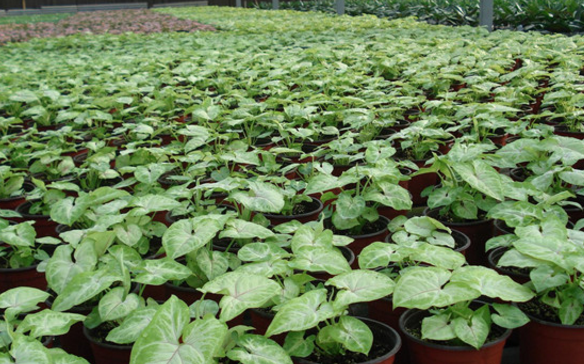
What propagation methods does White Butterfly have?
1. Cutting propagation of White Butterfly
The most commonly used method for White Butterfly is cutting propagation.
First, choose a warm environment, and use a potting soil mix of peat soil, garden soil and sandy soil.
Next, use the side shoots growing from the base of a vigorously growing plant. Once the side shoots have grown leaves, cut them into cuttings about 10 cm long.
Finally, insert the cuttings into fine sandy soil, keep the temperature above 25 degrees, and once new shoots have grown, pot them up for planting.
For cutting propagation, apply fertilizer once a week during the peak growing season from May to October. In summer, avoid direct sunlight; in winter, stop fertilizing and reduce watering. If growth is rapid, repot the plant.
2. Division propagation of White Butterfly
White Butterfly grows quickly, so division should be carried out in April to help with propagation.
When dividing, choose a mixed soil of pond mud, compost and sand.
When dividing, choose a pot about 10 cm deep. During the division growing period, apply fertilizer once every half month; you can use "Huiyou" four-season high potassium nitrate fertilizer, etc., to make the plant grow luxuriantly with many branches.
In summer, pinch out the growing tips, which both helps its growth and supplements nutrients, and ensures a beautiful shape, improving its ornamental appeal.
In winter, keep it indoors, do not let the soil become too moist, and reduce the amount of watering.
3. Tissue culture propagation of White Butterfly
For tissue culture propagation of White Butterfly, use stem tips and side shoots as explants.
First, sterilize the stem tips, then inoculate them onto MS medium containing 6-benzylaminopurine at 5 mg/L and indoleacetic acid at 2 mg/L to induce shoots, and finally transfer them out of the medium and culture them on 1/2 MS medium with indoleacetic acid at 2 mg/L to induce rooting.
What uses does White Butterfly have?
1. The ornamental value of White Butterfly
White Butterfly blooms beautifully and gracefully, with varied forms and elegant colors. It is one of the main representatives of indoor potted ornamental plants, and is also a very popular indoor decorative material in Europe and America today.
White Butterfly is suitable for potting and also for making bonsai. It can be allowed to trail, be hung up, or grown hydroponically, and can also be used as a decorative wall hanging in the home. Placed indoors, it can make a hall display vibrant vitality. Outdoors in warm growing regions, it can be used as a background and ground cover material. It is a highly representative horticultural foliage plant.
White Butterfly is commonly used in hanging baskets and is extremely suitable as a decorative material. The leaves of White Butterfly can also be used for flower arranging as foliage accents.
2. White Butterfly can purify the air
The leaves of White Butterfly are relatively broad, so to a certain extent they can raise the surrounding air humidity and absorb large amounts of formaldehyde, ammonia and other harmful substances from the air. The more leaves White Butterfly has, the better it can filter and purify the air and retain moisture.
3. The market value of White Butterfly
White Butterfly is easy to propagate and cultivate, so it is extremely widely used around the world. Today, White Butterfly has become an extremely common and extremely best-selling indoor potted foliage plant on the market. It is very commonly grown in the south, can be viewed indoors and used to design interior room styles, and can also be used in horticulture as ground cover. It is a very valuable herbaceous plant.
4. The feng shui role of White Butterfly
In feng shui, White Butterfly can bring good luck and turn one's fortune around. It can be used for matters such as opening a shop, promotion, love, and assistants. It is extremely suitable to place it indoors for care. In public places, it is best to place it in the due east, northeast and southeast directions.
What uses does White Butterfly have?
The ornamental value of White Butterfly
White Butterfly blooms beautifully and gracefully, with varied forms and elegant colors. It is one of the main representatives of indoor potted ornamental plants, and is also a very popular indoor decorative material in Europe and America today.
White Butterfly is suitable for potting and also for making bonsai. It can be allowed to trail, be hung up, or grown hydroponically, and can also be used as a decorative wall hanging in the home. Placed indoors, it can make a hall display vibrant vitality. Outdoors in warm growing regions, it can be used as a background and ground cover material. It is a highly representative horticultural foliage plant.
White Butterfly is commonly used in hanging baskets and is extremely suitable as a decorative material. The leaves of White Butterfly can also be used for flower arranging as foliage accents.
White Butterfly can purify the air
The leaves of White Butterfly are relatively broad, so to a certain extent they can raise the surrounding air humidity and absorb large amounts of formaldehyde, ammonia and other harmful substances from the air. The more leaves White Butterfly has, the better it can filter and purify the air and retain moisture.
The market value of White Butterfly
White Butterfly is easy to propagate and cultivate, so it is extremely widely used around the world. Today, White Butterfly has become an extremely common and extremely best-selling indoor potted foliage plant on the market. It is very commonly grown in the south, can be viewed indoors and used to design interior room styles, and can also be used in horticulture as ground cover. It is a very valuable herbaceous plant.
The feng shui role of White Butterfly
In feng shui, White Butterfly can bring good luck and turn one's fortune around. It can be used for matters such as opening a shop, promotion, love, and assistants. It is extremely suitable to place it indoors for care. In public places, it is best to place it in the due east, northeast and southeast directions.
How does White Butterfly propagate?
Cutting propagation of White Butterfly
The most commonly used method for White Butterfly is cutting propagation.
First, choose a warm environment, and use a potting soil mix of peat soil, garden soil and sandy soil.
Next, use the side shoots growing from the base of a vigorously growing plant. Once the side shoots have grown leaves, cut them into cuttings about 10 cm long.
Finally, insert the cuttings into fine sandy soil, keep the temperature above 25 degrees, and once new shoots have grown, pot them up for planting.
For cutting propagation, apply fertilizer once a week during the peak growing season from May to October. In summer, avoid direct sunlight; in winter, stop fertilizing and reduce watering. If growth is rapid, repot the plant.
Division propagation of White Butterfly
White Butterfly grows quickly, so division should be carried out in April to help with propagation.
When dividing, choose a mixed soil of pond mud, compost and sand.
When dividing, choose a pot about 10 cm deep. During the division growing period, apply fertilizer once every half month; you can use "Huiyou" four-season high potassium nitrate fertilizer, etc., to make the plant grow luxuriantly with many branches.
In summer, pinch out the growing tips, which both helps its growth and supplements nutrients, and ensures a beautiful shape, improving its ornamental appeal.
In winter, keep it indoors, do not let the soil become too moist, and reduce the amount of watering.
Tissue culture propagation of White Butterfly
For tissue culture propagation of White Butterfly, use stem tips and side shoots as explants.
First, sterilize the stem tips, then inoculate them onto MS medium containing 6-benzylaminopurine at 5 mg/L and indoleacetic acid at 2 mg/L to induce shoots, and finally transfer them out of the medium and culture them on 1/2 MS medium with indoleacetic acid at 2 mg/L to induce rooting.