Proper pruning methods and propagation techniques for the fragrant olive tree
The fragrant olive tree is a small shrub or tree plant, large enough for garden viewing and small enough for pot cultivation, with a height between 1-8 m, making it entirely suitable for home growing and viewing.
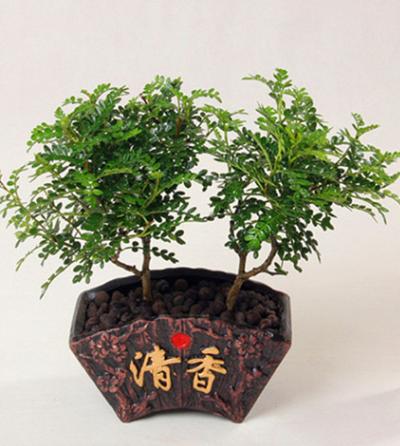
How to prune the fragrant olive tree
1. Pruning time for the fragrant olive tree
Pruning the fragrant olive tree is not very demanding regarding season, and generally it can be pruned in all four seasons, but note that it must not be done on rainy days. Of course, if it is outdoors, the most suitable time is still April or September.
2. Pruning potted fragrant olive trees
If you want to create a good-looking fragrant olive bonsai, pruning is essential. First, you need to choose a fragrant olive seedling with a rather curved trunk and some slight deformities, or an old trunk with a rather aged posture and a rather rustic tree form, as the potted plant. After planning its shape and placement position, prune according to the space in the room and the actual environment. Pruning methods such as shortening and thinning can be adopted, cutting off all branches suffering from pests and diseases, leggy branches, and crossing or overlapping branches.
3. Key points for pruning the fragrant olive tree
The fragrant olive tree grows relatively slowly and is fairly easy to shape, so more professional pruning techniques can be used for shaping. Generally speaking, by pruning and caring appropriately according to the growth trend of the branches, you can produce a plant with high ornamental value that also gives off a rustic air. In addition, the fragrant olive tree is a sun-loving plant, so it can be placed on a windowsill or other bright and airy spot, which is conducive to shaping. Moreover, in daily care, attention should also be paid to adjusting and correcting the plant's growth, shaping it according to your own preferences and needs.
How to propagate the fragrant olive tree correctly
1. Cutting propagation of the fragrant olive tree
Cutting propagation of the fragrant olive tree can be done in spring and autumn, and the flowering period is in spring.
During the dormant period of the fragrant olive tree, we can choose 1-year-old vigorous branches from a mature mother tree, cut them into 12-15 cm cuttings, with the upper and lower cuts kept at a certain distance from the young buds (the upper cut 1~1.5 cm from the young bud; the lower cut 0.3~0.5 cm from the young bud).
For the cutting propagation medium, it is best to choose soil with good permeability, medium water-holding capacity, and a neutral or slightly acidic pH. Here, well-draining river sand or perlite is recommended, with a very high success rate.
2. Seed propagation of the fragrant olive tree
Sowing fragrant olive seeds is best done in autumn, though spring is also possible. According to the editor's recommendation, the success rate of autumn sowing is even higher than that of spring sowing.
First is obtaining and processing the seeds: the seed maturation period of the fragrant olive tree is very close to its dispersal period. Once mature, the seeds will fall off at the slightest wind, making them very hard for us to collect, or they may be eaten by birds and animals.
Therefore, when the seeds begin to show signs of maturity, immediately collect the seeds from the tree and process them.
Fragrant olive seeds are wrapped in juicy flesh and are prone to mold contamination, so the fruits need to be piled and composted, and the fruit skin mashed and washed in water. After threshing and removing impurities, dry them in the shade and store them in a ventilated, dry place.
The sowing process for the fragrant olive tree is very simple. Before sowing, first soak the seeds in warm water at an initial temperature of 20 °C for one day (24 h). After the seeds absorb water and swell, take them out, germinate them under warm and humid conditions, and then sow them!
Osmanthus Osmanthus fragrans Osmanthus guide: how to grow osmanthus / how to propagate osmanthus
Osmanthus profileOsmanthus Osmanthus fragrans
Osmanthus growing methods and precautions Introduction to osmanthus
Osmanthus (English: Sweet Olive), Oleaceae, Osmanthus genus, also known as "rock osmanthus" and "muxi", commonly called osmanthus tree. An evergreen shrub or small tree, it is a temperate tree species. Leaves are opposite, mostly elliptical or long elliptical, the leaf surface smooth, leathery, with serrated leaf margins. Flowers are clustered, the corolla split down to the base, with colors including milky white, yellow, and orange-red. In China, more than 20 cities, including Xinyang City, Quzhou City, and Hanzhong City, use osmanthus as their city flower or city tree. Osmanthus is highly regarded for its calm and steadfast character. "Zaijingtang Collection · Jiangnan Jingshi Poetry Draft · Osmanthus": "The jade tree stands quietly as the stern season comes, after a thousand flowers are killed then its flower blooms. Pure and steadfast, it further creates a realm of pure fragrance, the desolate earth relies on it for revival." Related plays and songs include "Osmanthus Blooms Everywhere in August", etc.
Morphological characteristics of osmanthus
Osmanthus is an evergreen shrub or small tree, a temperate tree species. Leaves are opposite, mostly elliptical or long elliptical, the leaf surface smooth, leathery, with serrated leaf margins.
Osmanthus flowers are clustered, and the corolla splits down to the base, with colors including milky white, yellow, and orange-red.
Ecological habits of osmanthus
Osmanthus adapts to subtropical climate regions and likes warmth and humidity. The average temperature in cultivation areas is 14-28 °C, the average July temperature is 24-28 °C, the average January temperature is above 0 °C, it can withstand a minimum temperature of -13 °C, and the most suitable growing temperature is 15-28 °C. Humidity is extremely important for the growth and development of osmanthus, requiring an annual average humidity of 75%-85% and annual precipitation of about 1000 mm. Especially during the young stage and when mature trees are flowering, more water is needed. If drought occurs, flowering will be affected. Strong sunlight and shade are both unfavorable to its growth, and generally 6-8 hours of light per day are required.
Osmanthus likes a warm environment and is suitable for growing in deep, well-drained, fertile, humus-rich, slightly acidic sandy soil. It is not tolerant of drought or barrenness. In shallow, compacted, and poor soil, it grows especially slowly, with sparse branches and leaves, small thin leaves, yellowed leaf color, no flowering or very little flowering, and even periodic dieback of the top, and in severe cases the entire osmanthus plant dies; it likes sunlight but has a certain ability to tolerate shade. Young trees need some shade, and after maturity they require relatively sufficient light to ensure normal growth of the osmanthus. According to observation, when one side of a single osmanthus tree's crown is close to a wall, or when the crowns of two osmanthus trees overlap each other, the side close to the wall or the overlapping part of the crown quickly becomes sparse, affecting the form and beauty of the entire crown.
It can be seen that osmanthus is suitable for planting in ventilated and light-transmitting places; osmanthus likes a clean and ventilated environment and is not tolerant of smoke and dust damage, and after being harmed it often cannot bloom; it fears waterlogging and standing water. If harmed by waterlogging, the root system turns black and rots, the leaves first scorch at the tips, then the whole leaf turns yellow and falls off, ultimately leading to the death of the whole plant; it is not very cold-resistant, but compared with other evergreen broadleaf tree species, it is still a relatively cold-resistant tree species, which provides more possibilities for potted osmanthus in the north.
Cultivation techniques for osmanthus and key cultivation points
1. Planting: should be chosen in spring or autumn, especially best planted on cloudy or rainy days. Choose a ventilated, well-drained, and warm place; either a sunny or semi-shaded environment is acceptable. When transplanting, a soil ball must be made to ensure the survival rate. The planting soil should be slightly acidic, and alkaline soil should be avoided. The pot soil ratio for potted osmanthus is 2 parts leaf mold, 3 parts garden soil, 3 parts sandy soil, and 2 parts decomposed cake fertilizer. Mix them evenly, then pot or repot, which can be done before sprouting in spring.
2. Light and temperature: south of the Yellow River basin, it can be cultivated outdoors through the winter. Potted plants should be moved indoors in winter and placed in a sunny place so they can fully receive direct sunlight, with room temperature kept above 5 °C but not exceeding 10 °C. After sprouting in April of the following year, move them outdoors, first placing them in a wind-sheltered, sunny spot for care, and after stable growth gradually move them to a ventilated, sunny or semi-shaded environment, then carry out normal management. Insufficient light during the growing period affects flower bud differentiation.
3. Watering and fertilizing: before field planting, mix herbal ash and organic fertilizer into the planting hole first, and water thoroughly once after planting. Keep the soil moist before new shoots emerge, and do not apply fertilizer water. Generally, apply nitrogen fertilizer once in spring, phosphorus and potassium fertilizer once in summer, so that flowers are abundant and leaves lush, and apply overwintering organic fertilizer once before winter, mainly decomposed cake fertilizer and barnyard manure. Avoid concentrated fertilizer, especially human waste. Potted osmanthus should be moved into a low-temperature greenhouse in winter in the north, and indoors attention should be paid to ventilation and light, with less watering. After moving out in April, the water amount can be appropriately increased, and during the peak growing season an appropriate amount of dilute fertilizer water can be applied; during the flowering season the fertilizer water can be slightly more concentrated.
4. Shaping and pruning: decide according to the tree, set the main framework well according to the tree posture, and remove other root suckers, overly dense branches, leggy branches, crossing branches, and diseased or weak branches, so as to allow ventilation and light penetration. For trees that are strong at the top and weak at the bottom, the upper branches can be shortened by 1/3 to make the overall tree vigor strong, and at the same time apply wound healing and antiseptic film to the pruning cuts to protect the wounds.
5. Growing osmanthus in the north: generally speaking, osmanthus is widely planted in the Huai River basin and areas to the south, and its suitable growing area can reach as far north as the lower reaches of the Yellow River, and as far south as Guangdong, Guangxi, and Hainan. However, Beijing and Qingdao can also grow osmanthus. In "300 Questions on Home Flower Growing" by "Feng Tianzhe", it is said that in winter, after the young osmanthus trees enter winter, water them once with antifreeze water and bank soil around the base to protect the roots, then wrap the trunk and branches with 7 layers of thick newspaper, and they can survive the winter outdoors in Beijing. After three years, there is no need to wrap them for winter anymore.
Key cultivation points for osmanthus container seedlings
I. Freeze protection measures: osmanthus is slightly cold-resistant, and osmanthus container seedlings potted from cuttings in the same year are prone to freezing damage, so they generally need to be moved into a greenhouse before the temperature drops below 0 °C.
II. Pest and disease control: osmanthus is prone to anthracnose, brown spot disease, leaf blight, leaf branch disease, leaf roller moth, whitefly, scale insects, bagworm moths, nettle caterpillars, osmanthus leafhoppers, and other pests and diseases. Observe promptly and spray promptly for control.
Cultivation management
In the warm areas of the Yangtze River basin and to the south, field planting is mostly carried out. Field planting should choose a section with sufficient sunlight, good drainage, deep topsoil, and mild pollution. The planting holes for osmanthus should be dug deep and wide, and more barnyard manure, plant ash, and other base fertilizers should be applied. When planting, large seedlings must carry a soil ball to ensure transplant survival. Planting should not be too deep. After the seedlings survive and recover, apply fertilizer once together with watering. After the flowers fade in winter, apply base fertilizer once. When buds sprout in spring and new leaves emerge, apply a quick-acting fertilizer mainly of nitrogen once, apply a quick-acting fertilizer mainly of phosphorus and potassium once before flowering in July, and apply a slow-release fertilizer mainly of organic matter once in October, which can make growth and flowering good. Before flowering, attention should be paid to irrigation; during flowering, water should be controlled, otherwise too much water can easily cause flower drop. Pruning should be done after flowering in autumn, and heavy pruning is not suitable; only diseased and pest branches, thin and weak branches, damaged branches, inward-growing branches, and leggy branches need to be pruned. At ordinary times, attention should also be paid to pest and disease control.
In North China, because winters are cold, osmanthus is not suitable for field cultivation and is mostly grown in pots. Potted soil requirements are not strict; mountain soil or a mix of leaf mold, garden soil, river sand, etc. can be used, with slightly acidic pH being best. If the pH value is too low, growth will be slow and leaves easily yellow and wither, so some lime powder or plant ash can be added to adjust it; if the pH value is too high, leaves easily wither and even die, so some ferrous sulfate or aluminum sulfate can be added to improve it.
Potted osmanthus is transplanted into pots before buds sprout in spring or after flowering in autumn. After transplanting well, water thoroughly once, move to a shaded place for 7-10 days, and only after growth resumes and new leaves emerge can normal watering and fertilizing begin. The pot soil humidity is best at 50% water content. Before new shoots appear and on cloudy and rainy days, water less. In summer and autumn when the weather is dry, more watering is needed. When flowering in autumn, do not water too much to prevent flower drop. On cloudy and rainy days, avoid standing water, otherwise prolonged standing water will cause root rot. For fertilizing potted osmanthus, refer to field cultivation fertilizing.
Osmanthus has a well-developed root system and strong sprouting ability. Adult osmanthus trees flush shoots twice each year, in spring and autumn, so they should be pruned appropriately and promptly. Pruning should be done after flowering in autumn or before sprouting in spring. The purpose of pruning is to maintain the physiological balance between reproductive growth and vegetative growth, so that osmanthus has abundant flowers and lush leaves. Pruning should remove overly dense branches, leggy branches, damaged branches, and diseased and pest branches. During the growing period, cut off sprouting branches to help concentrate nutrients and produce abundant flowering. [12] The suitable growing temperature for osmanthus is 25-28 °C. Above 30 °C is unfavorable to growth and development, and below -6 °C it is prone to freezing damage. The room temperature for safe overwintering of potted plants is more suitable between 0-10 °C. In the north, move osmanthus indoors in late autumn, keep the pot soil slightly moist, and let it fully enter dormancy to favor flowering the next year, then after Qingming the following year move it to a ventilated, sunny place for care. Potted osmanthus should be repotted and have its soil changed once every 1-2 years, with sufficient base fertilizer applied.
Propagation methods of osmanthus
Propagation methods: osmanthus has many propagation methods, including sowing, grafting, layering, and cutting.
1. Seed propagation
Growing seedlings from seed takes a long time to reach flowering, so home flower growers mostly do not use this method.
Osmanthus fruits mature from April to May, and they can be harvested when the fruit skin changes from green to purple-black. Osmanthus seeds have after-ripening, and need at least half a year of sand storage. After harvesting, sprinkle water and pile them for composting, remove the flesh, place them in a cool place to let the seeds dry naturally, and store them mixed with sand. After sand storage, they can be sown in autumn or spring. During sand storage, check frequently to prevent the seeds from molding or being damaged by rats. Sowing propagation generally uses the drill sowing method. Before sowing, prepare the land well and apply sufficient base fertilizer, or sow in an indoor seedbed. When sowing, place the seed hilum sideways to avoid bending the radicle and young stem, which would affect seedling growth in the future. After sowing, cover with a layer of fine soil, then cover with grass, shade and keep moist, and keep the soil moist frequently; seedlings can emerge the same year. About 20 kg of seed is used per mu, producing about 30,000 seedlings. After the small seedlings grow in the seedbed for 2 years, they can be transplanted for cultivation in the 3rd year. Seedlings from seed flower relatively late, only showing flowers 8-10 years after planting.
2. Grafting propagation
Grafting rootstocks are mostly privet, small-leaf privet, Ligustrum sinense, Ligustrum quihoui, ash, and fringetree (also known as Yougongzi, Niujinzi), etc. When propagating seedlings in large quantities, the north mostly uses small-leaf privet. Before sprouting in spring, cut off the rootstock 5 cm above the ground; cut 1-2-year-old thick and strong osmanthus branches 10-12 cm long, cut one side of the base into a 2-3 cm cut face, and cut the opposite side into a 45-degree small bevel; make a vertical cut about 2-3 cm deep at about 1/3 of one side of the rootstock; insert the scion into the cut so that the cambium layers align, tie tightly with a plastic bag, then bury in soil for cultivation. Using small-leaf privet as rootstock gives a high survival rate, and grafted seedlings grow fast but have a short lifespan and easily form the "small foot" phenomenon of "thick top and thin bottom". Using Ligustrum quihoui as rootstock gives slow growth but a longer lifespan. Potted osmanthus mostly uses approach grafting. When using fringetree as rootstock, approach grafting should be done in the growing season, and not in the rainy season or dog days. During approach grafting, choose a scion and rootstock with similar branch thickness, cut a spindle-shaped cut on the appropriate part of the scion, reaching the xylem, about 3-4 cm long, cut a cut of the same size as the scion at the same height on the rootstock, then bring the two cuts together so that the cambium layers of the two are tightly joined, tie tightly with a plastic strip, and after healing, cut off the rootstock above the joint and the scion below. The root system of grafted seedlings varies with the rootstock; cuttings buried in soil easily produce adventitious roots in various places, but have no obvious main root. Osmanthus has strong branching and low branching points, especially obvious when young, and because of this it often appears shrub-like. After dense planting or pruning, it can form an obvious trunk. The bark is rough, gray-brown or gray-white, sometimes showing lenticels. The leaf surface is smooth, leathery, dark bright green on the adaxial side, and the abaxial side is lighter in color; elliptical, long elliptical, ovate, obovate, lanceolate, oblanceolate, long lanceolate to ovate-lanceolate.
3. Cutting propagation
Before sprouting in spring, use 1-year-old fully developed branches, cut them into 5-10 cm lengths, remove the lower leaves, keep 2-3 green leaves at the top, and insert them into a river sand or loess seedbed, with plant and row spacing of 3 cm x 20 cm. After inserting, irrigate or spray water promptly, and shade, maintaining a temperature of 20-25 °C and relative humidity of 85%-90%. After 2 months they can take root and be transplanted. [12] 4. Layering propagation can be divided into two types: low layering and air layering. For low layering, osmanthus must use a low-branching or clustered mother plant. The time is from spring to early summer. Choose a relatively thick low-trunk mother tree, select its lower 1-2-year-old branches, choose an easily bendable part, cut or ring-bark with a sharp knife, reaching the xylem, then press it into a 3-5 cm deep trench, and fix the pressed branch with a wooden stick, leaving only the tip and leaves outside. The air layering method is to select 1-2-year-old thick and strong branches from the mother tree in spring, cut a ring or ring-bark them in the same way as the low layering method, or make a cut from the lower side, 6-9 cm long, then smear the wound with a culture medium, tie tightly above and below with a plastic bag, and during the cultivation process always keep the medium moist; after roots form in autumn, cut it off from the mother plant for care.
Selecting osmanthus seeds
Propagating osmanthus from seed is the fastest, but what is commonly seen is cutting or layering; however, sowing is the best way for mass propagation of osmanthus. Not all osmanthus seeds are suitable for growing osmanthus seedlings. The mother tree selected for seed must be over 18 years old; such osmanthus seeds will have a higher emergence rate, and the seedlings grown will have stronger resistance.
A large portion of osmanthus seeds are picked before they mature, and it is even less possible to guarantee that the osmanthus tree age is over 18 years. Because the mother trees are contracted year-round, the quality has a certain guarantee. When selecting seeds, choose clean seeds, with a golden yellow color, with one end pointed and one end shield-shaped. Once the seeds are selected, you must learn to store them. Store the seeds well in moist sand, and the field chemical management the next year will also be reduced.
Osmanthus growing methods 1. Why is four-season osmanthus not fragrant?
Answer: The reason four-season osmanthus blooms year-round but is not fragrant is that the variety itself has a relatively light fragrance. Among common osmanthus varieties, the strongest fragrance is dan gui, followed by jin gui, then yin gui, while the fragrance of four-season osmanthus is the lightest. As an economic crop it is rarely cultivated, precisely because its flowering is sparse and its fragrance is not strong; as an ornamental potted plant, it is used because its tree form is beautiful and it blooms in all four seasons, making it suitable for potted viewing. Four-season osmanthus mostly grows in clumps, with yellow-white flowers, relatively sparse, with a light fragrance and a long flowering period. Generally, except in severe winter and midsummer, it can bloom about once every two months, with the fragrance slightly stronger in autumn and lighter at other times. Its varieties include large-leaf four-season osmanthus and small-leaf four-season osmanthus. If yueyue gui lacks light and phosphorus fertilizer during cultivation, its floral fragrance becomes faint. If the plant is placed in a sunny and ventilated environment, topdressed once every 10 days, and appropriately given more phosphorus fertilizer, the fragrance of the flowers can be increased to a certain extent, but still not as much as other varieties.
2. Why do potted osmanthus not bloom?
Answer: First, insufficient light. Osmanthus likes light. During the vegetative growth period, when the light intensity is below 60 °C, its growth and development decline, vegetative growth worsens, and the number of flowers decreases. When light is seriously insufficient, because photosynthesis weakens and nutrient accumulation is low, it cannot bloom. Therefore, sufficient light must be given. Second, lack of fertilizer. Osmanthus has a relatively large amount of growth and flowering and needs to consume a large amount of nutrients. Poor pot soil or insufficient fertility will also affect the plant's growth and flowering. Therefore, when shoots flush, apply 1-2 fertilizers mainly of nitrogen, and from the flower bud differentiation period (beginning at the end of May) to before flowering, apply 2-3 fertilizers mainly of phosphorus. Third, the pot soil is too wet. Osmanthus avoids excessive moisture and standing water. Waterlogging can cause root rot, leading to poor growth and failure to bloom, and in severe cases can also cause the death of the potted plant. Watering should follow the principle of "do not water if not dry, water thoroughly when watering". After heavy rain and torrential rain, promptly pour out standing water in the pot. Pay special attention to the weather after rain clears, and even more avoid damaging the root system. Fourth, the soil is alkaline. Osmanthus likes slightly acidic soil, with a pH value of 5.5-6.5 being suitable. Osmanthus growing in alkaline soil often has poor growth and is affected in flowering. Fifth, smoke and dust pollution. Osmanthus is not tolerant of smoke, dust, and pollution. After excessive smoke and dust or pollution, the leaves become smaller and easily fall off, and the phenomenon of only growing leaves and not blooming appears. Sixth, it has not reached flowering age.
3. What edible health benefits does osmanthus have?
Answer: Osmanthus tea has the effect of clearing fragrance and refreshing the mind. After briefly blanching osmanthus in boiling water, take it out and dry it, pickle it with white sugar, and seal it in a bottle to maintain color and fragrance; it can be used as a food spice. Mix osmanthus and pure lotus root starch with white sugar and brew, and it becomes osmanthus lotus root starch, delicious and appetizing. Take top-grade small jujubes, cook with sugar, and when the soup is almost gone, add osmanthus, making spleen-strengthening and appetite-opening osmanthus candied jujubes. Gui zhi, gui zi, and gui gen can all be used as medicine. Guizhi decoction, prepared from gui zhi, peony, ginger, jujube, and licorice, is specially used to treat external wind pathogen, fever, headache, and other symptoms. Gui gen tastes sweet and slightly astringent.
4. How to thaw frozen osmanthus?
Answer: In early winter, osmanthus is invaded by cold waves and is extremely prone to freezing damage. In affected plants, the concentration of the solution in the intercellular spaces increases, and the protoplasm severely dehydrates, causing the tender leaves to shrink. In this situation, if you rush to place the affected potted plant in a high-temperature place or in direct sunlight, it will instead accelerate the death of the osmanthus. The correct method should be to take slow thawing measures so that the cells gradually absorb water and return to normal. In this situation, you can also quickly wrap the potted flower in three layers of strongly water-absorbent waste newspaper together with the pot. When wrapping, be careful not to damage the branches and leaves of the potted flower, and avoid direct sunlight. Let it stand like this for one day, so that the temperature of the potted flower gradually rises. After this treatment, the frozen potted flower can revive.
5. How can osmanthus be made to grow with a well-proportioned plant shape?
Answer: First, when planting osmanthus, place the plant in the exact center of the pot. After watering thoroughly, straighten any tilted plant, laying a good foundation for future cultivation. Second, prune reasonably. When pruning branches, pay attention to the overall appearance of the plant and pay attention to retaining buds, trying to let the terminal buds grow toward empty spaces. Prune vigorous branches heavily, cut off useless weak branches, and retain and lightly prune those needed to fill gaps. Third, tie the potted flower appropriately. If a certain direction has a relatively large gap, the binding method can be used to tie dense branches toward the gap. Fourth, frequently turn the pot. For osmanthus that does not need pruning, frequently turning the pot allows new branches to be induced toward the sunny gap. Turn the pot: throughout the year, the sun always moves along its orbit, so the angle and intensity of light are always constantly changing. If the flower pot is fixed in one position for a long time, the plant will always have one side that does not receive appropriate light, and over time the round potted plant will grow unevenly because of uneven sunlight. Therefore, during the growing season, rotate the flower pot 45 degrees every 10 days. By frequently turning the flower pot, all angles and directions of the plant will grow evenly, the side branches around the main trunk will also be neat and consistent, and the leaves can evenly receive sunlight. Therefore, the plant's shape and posture can be full and beautiful, achieving an ornamental effect from every angle, and allowing the branches and leaves to grow more spread out and beautiful.
6. Why does osmanthus easily die at the turn of winter and spring?
Answer: This should be traced from management methods. In addition to supplying appropriate water and sufficient light, not fertilizing osmanthus in winter and placing it in a cool and cold environment is especially important. Because the reason osmanthus easily dies in winter is not that the environment is not hot enough, but that the environment is not cool enough. In the place of origin of osmanthus, winter is not warm. Having adapted to this growing environment for thousands of years, when osmanthus overwinters in a warm place, at first no abnormality can be seen in the plant. On the contrary, it seems to forget that winter has arrived, sprouting buds and flushing shoots, looking full of vitality. However, this situation cannot last long. Factors such as indoor lighting and temperature changes cannot satisfy growth like that in summer, and old leaves begin to fall off, new shoots wilt, and the plant dies. To make the osmanthus you grow overwinter safely, in winter place it in an environment of 0-5 °C and give sufficient sunlight; do not topdress fertilizer, and avoid the pot soil being too wet. After winter passes, you will find that the osmanthus you grow not only survived safely, but also appears stronger in growth vigor than those that barely survived the winter in a high-temperature environment.
7. How to fertilize more reasonably?
Answer: (1) Reasonable fertilization should follow the principle of frequent application of thin fertilizer, mainly quick-acting nitrogen, with large seedlings fertilized 3 to 4 times per year. In early spring, when buds begin to swell and roots begin activity, the osmanthus tree will absorb fertilizer. Therefore, in early spring the orchard should be fertilized to promote the growth of spring shoots. For flowers that open initially from spring buds, in the autumn of that year, strong spring shoot growth in the future will produce more flowers. Osmanthus trees bloom in autumn; to restore tree vigor and supplement nutrition, inorganic fertilizer or mixed manure fertilizer is needed before winter. At the same time, according to the growth of the osmanthus, fertilize once or twice. A newly transplanted osmanthus tree has damaged roots, so its absorption capacity is weak, and fertilizer must not be added too early. Base fertilizer should be mixed evenly with the planting pit soil before adding soil, and the roots should not be in direct contact with the fertilizer, so as not to injure the roots and affect the survival rate of the osmanthus tree.
(2) Fertilizer must be applied at the roots to be well absorbed. In this way, transplanting is easy to survive. For seedling fertilization, the fertilizer concentration must not be too far from the seedling, otherwise the roots will expand outward. It should not be applied to the main trunk of the tree, because this is not conducive to fertilizer absorption.
Pest and disease control of osmanthus
Osmanthus brown spot disease, osmanthus leaf blight, and osmanthus anthracnose are common leaf diseases of osmanthus. These diseases can cause early defoliation of osmanthus, weaken plant growth vigor, and reduce osmanthus flower yield and ornamental value. The main pest in home cultivation of osmanthus is mites, commonly known as red spiders. Once disease is found, it should be dealt with immediately. Mite clear, aphid-mite kill, and azocyclotin can be used for foliar spraying. Spray evenly on both the front and back of the leaves. Once a week, for 2-3 consecutive times, and it can be cured.
Osmanthus brown spot disease
In the early stage of the disease, small chlorotic yellow spots appear on the leaves and gradually expand into nearly round lesions, 2-10 mm in diameter, or the lesions become irregular because their expansion is restricted by leaf veins. The lesions are yellow-brown to gray-brown, with a yellow halo around the outside of the lesion. Brown spot disease generally occurs from April to October, and old leaves are more susceptible than tender leaves. The pathogen overwinters as mycelium on diseased fallen leaves, and in the spring of the following year produces conidia for primary infection. The conidia are spread by airflow and raindrops.
Osmanthus leaf blight
The pathogen of this disease mostly invades from the leaf margin and leaf tip, and occurs at the leaf margin and leaf tip of the leaves. In the early stage of the disease, light brown small spots are produced on the leaves, gradually expanding into round or irregular lesions, then expanding into nearly round or irregular gray-brown large spots with dark brown edges. Leaf blight occurs from July to November, and can occur year-round in greenhouses with poor environmental conditions. The pathogen spreads and infects through conidia by wind and water. High temperature, high humidity, and poor ventilation are conducive to the disease. When the plant grows weak, and on old leaves after overwintering and leaves in the lower part of the plant, the disease is more severe.
Osmanthus anthracnose
This disease infects osmanthus leaves. In the early stage of the disease, small chlorotic spots appear on the leaves and gradually expand to form round, semicircular, or elliptical lesions. The lesions are light brown to gray-white, with a reddish-brown ring at the edge. Under humid conditions, light pink acervuli appear on the lesions. Anthracnose occurs from April to June. The pathogen overwinters as acervuli in diseased fallen leaves and is spread by wind and rain.
Control measures
First, reduce the sources of infection. Thoroughly remove diseased fallen leaves in autumn. For potted osmanthus, promptly remove diseased leaves. Second, strengthen cultivation management. Choose fertile, well-drained soil or substrate for planting osmanthus; apply more organic fertilizer and potassium fertilizer; planting density should be appropriate so as to allow ventilation and light penetration, reduce leaf surface humidity, and reduce the occurrence of diseases. Use chemical control scientifically. In the early stage of the disease, spray Bordeaux mixture at 1:2:200, and afterward spray 50% carbendazim wettable powder at 1000 times dilution or 50% benomyl wettable powder at 1000-1500 times dilution. In severely affected areas, when nursery stock leaves the nursery, soak and disinfect with 1000 times potassium permanganate solution.
Introduction to osmanthus varieties
After long-term planting, natural hybridization, and artificial selection, osmanthus has produced many cultivated varieties. Through further investigation and sorting, 32 osmanthus varieties have been preliminarily determined.
By flower color, there are jin gui, yin gui, and dan gui; by leaf type, there are willow-leaf osmanthus, golden-fan osmanthus, dripping-yellow, sunflower-leaf, and firewood-stalk-yellow; by flowering period, there are August osmanthus, four-season osmanthus, and yueyue jia, etc. [7] China still has no unified variety classification, and by custom osmanthus is divided into the following four variety types: jin gui, yin gui, dan gui, and four-season osmanthus.
Four-season osmanthus variety group: the plant is relatively short with more tillering, and the floral fragrance is not as rich as yin gui, jin gui, or dan gui. It blooms multiple times each year or continuously, with lemon-yellow or light yellow flowers. Varieties include large-leaf four-season osmanthus and small-leaf four-season osmanthus. It blooms in all four seasons, with varieties such as "yueyue gui", "rixiang gui", "large-leaf Buddha-top bead", and "serrated-leaf four-season osmanthus".
Yin gui variety group: blooms in autumn, with pure white, milky white, yellow-white, or light yellow flowers. Varieties include broad-leaf seed yin gui, willow-leaf yin gui, hard-leaf yin gui, "seed yin gui", "Jiulong gui", "early yin gui", "late yin gui", "Baijie", "pure white yin gui", "Qingshan yin gui", and others.
Jin gui variety group: blooms in autumn, with flowers from lemon yellow to light golden yellow. Varieties include "large-flower jin gui", "large-leaf yellow", "Huangchuan jin gui", "late jin gui", "round-leaf jin gui", Xianning late gui, ball gui, round-petal jin gui, willow-leaf Su gui, jinshi gui, wave-leaf jin gui, and others.
Dan gui variety group: blooms in autumn, with relatively deep flower color, flowers orange, orange-yellow, orange-red to vermilion. Varieties include "cinnabar dan gui", "large-leaf dan gui", "small-leaf dan gui", "serrated dan gui", and others.
Distribution area of osmanthus
Garden osmanthus is native to the eastern section of the Himalayas in southwest China, and is also distributed in India, Nepal, and Cambodia. In southwest China, Sichuan, southern Shaanxi, Yunnan, Guangxi, Guangdong, Hunan, Hubei, Jiangxi, Anhui, Henan, and other places, wild osmanthus grows, and it is now widely planted in the Huai River basin and areas to the south. Its suitable growing area can reach as far north as the lower reaches of the Yellow River, and as far south as Guangdong, Guangxi, Hainan, and other places.
This region has good water and heat conditions and suitable precipitation. The soil is mostly yellow-brown earth or yellow cinnamon soil, and the vegetation is mainly of the subtropical broadleaf forest type. Nurtured and influenced by the above conditions, osmanthus grows well, and several nationally famous osmanthus commercial production bases have formed, including Lu'an in Anhui, Xianning in Hubei, Taoyuan in Hunan, Suzhou in Jiangsu, Guilin in Guangxi, Wuhan in Hubei, Hangzhou in Zhejiang, and Chengdu in Sichuan. And Hangzhou's city flower is precisely osmanthus.
Dietary therapy or medicinal value of osmanthus
The medical information and health dietary therapy information on Hugarden.com is for reference only and cannot be used as a basis for diagnosis or medical treatment. For any health problem, consult professional medical personnel, and for the treatment of any disease, please follow doctor's orders.
Ultimate flower-protecting mission: love yourself, start from reality, and strictly follow doctor's orders. For illness, do not be careless, do not delay, do not give up hope, face it bravely, use love to warm the silent world, and use your heart to care for the flower field within.
Medicinal value and brief introduction to the medicinal material: Oleaceae, evergreen tree. Flowers light yellow-white, aromatic, used to extract aromatic oil and make osmanthus concrete, which can be used in food and cosmetics, can make cakes and candy, and can also brew wine. Osmanthus tastes pungent and can be used as medicine.
Source: The plant osmanthus of the Oleaceae family, Osmanthus genus, with flowers, fruits, and roots used as medicine. Collect flowers in autumn; collect fruits in spring; collect roots in all four seasons, and dry each separately.
Related medicinal materials: Green-backed osmanthus, horse osmanthus, mountain osmanthus, osmanthus dew, osmanthus seed.
Nature, flavor, and meridian entry: Flowers: pungent, warm. Fruits: pungent, sweet, warm. Roots: sweet, slightly astringent, neutral.
Functions and indications:
Flowers: dispel cold and break stagnation, transform phlegm and stop cough. Used for toothache, cough and asthma with much phlegm, amenorrhea and abdominal pain.
Fruits: warm the stomach, calm the liver, dispel cold. Used for deficiency-cold stomach pain.
Roots: dispel wind-dampness, dispel cold. Used for wind-dampness muscle and bone pain, low back pain, and kidney-deficiency toothache.
Practical attached formulas:
Formula 1
[Ingredients]: 1 g dried osmanthus, 2 g tea leaves.
[Preparation]: Put dried osmanthus and tea leaves into a cup, brew with boiling water for 6 minutes, and it is ready to drink.
[Usage]: Drink 1 cup each in the morning and evening.
[Effects]: Strengthen muscles and nourish skin, invigorate blood and moisten the throat.
[Application]: Suitable for dry skin, hoarse voice, toothache, and other symptoms.
Formula 2
[Materials]: Several osmanthus flowers
[Seasonings]: 1 small teaspoon refined salt, 1 small teaspoon rock sugar
[Method]:
1. Wash the osmanthus repeatedly with salt water and drain well;
2. Place the osmanthus in a cup, pour in boiling water, add rock sugar, cover the cup, and let it steep for about three minutes; lift the lid and the fragrance wafts out.
[Effects]: It can resolve phlegm and dissipate blood stasis, and treat coughs.
Effects of Osmanthus Wine:
The ancients believed that osmanthus was the chief of a hundred medicines, so wine brewed with osmanthus could achieve the effect of "drinking it grants a lifespan of a thousand years." For instance, during the Han Dynasty, osmanthus wine was a fine offering used by people to worship gods and ancestors. After the ritual, juniors would toast their elders with osmanthus wine, and when the elders drank it, it symbolized longevity.
This wine is sweet, fragrant and mellow, with the effects of stimulating appetite, refreshing the mind, strengthening the spleen and tonifying deficiency. Osmanthus wine is especially suitable for women to drink, and has been praised as "women's happiness wine." Traditional Chinese medicine has theoretical practice in flower therapy, and osmanthus wine is a typical example. [16] Effects of Osmanthus Tea: Osmanthus tea can beautify the complexion, soothe the throat, improve symptoms of excessive phlegm and cough, treat duodenal ulcers, hives, stomach cold and stomach pain, bad breath, and blurred vision.
Edible Value: Glutinous Rice Osmanthus Lotus Root: Honey-Glazed Glutinous Rice Osmanthus Lotus Root Ingredients: 800 g lotus root, 200 g glutinous rice, 20 g lotus leaf, 100 g white granulated sugar, 40 g sugar osmanthus
1. Rinse the glutinous rice clean and soak it in warm water for about 1 hour
2. Wash the lotus root clean and cut it apart at the joints
3. Cut off one end of the lotus root to expose the holes, fill in the soaked glutinous rice, then cover it with the cut lotus root joint and secure it firmly with bamboo skewers
4. Pour clean water into a pot, add the lotus root (with the rice-filled opening facing up), and bring to a boil over high heat
5. Cover with a clean lotus leaf, put on the lid, turn to low heat and cook for about two hours, then remove from heat
6. Take out the lotus root and let it cool, peel it, cut it into slices 0.8 cm thick, and arrange them overlapping on a plate
7. Place a pot over high heat, add clean water and bring to a boil, add white sugar and cook until dissolved, skim off the foam, and turn to low heat
8. Cook until the sugar syrup is thick, add osmanthus syrup and stir well, then remove from heat and let cool
9. Pour the sugar syrup over the glutinous rice lotus root and it is ready.
Osmanthus Yellow Forest Pastry:
Ingredients: 300 g wheat flour, 100 g osmanthus, 150 g egg white, 150 g black sesame, 20 g cornstarch, 150 g lard (rendered), 100 g white granulated sugar
1. After sifting the flour, take 200 g flour and add 90 g lard, knead into a flaky dough
2. Add 60 g lard to 300 g flour, and knead with an appropriate amount of clean water into a water-oil dough
3. Divide the flaky dough and the water-oil dough separately into strips and then into small pieces, and roll them into ox-tongue shapes with a rolling pin
4. Roll down from the top and then fold into three, roll into a wrapper, wrap in osmanthus filling, and shape into cakes
5. Place them on a baking tray, brush the surface with egg liquid, and bake in the oven until done.
Key points for making Osmanthus Yellow Forest Pastry:
1. When baking this pastry, the temperature control must be well managed, otherwise problems such as cracks and poor surface smoothness of the pastry may easily appear
2. Method for making osmanthus filling: Put sesame, white sugar and lard in a container, mix well, add an appropriate amount of dry starch while stirring, and finally add osmanthus and mix well to make the osmanthus filling.
Method for making osmanthus cake:
Raw material formula: 16 kg first-grade Sichuan white sugar, 4 kg refined sugar, 4 kg glutinous rice flour, 4 kg cooked oil, 2.5 kg honeyed osmanthus, 20 kg cooked flour. Production method:
1. Make cooked flour: Put the flour into a steamer and steam until cooked (20 minutes), take it out and let it cool, then grind it fine with a pulverizer. This is cooked flour.
2. Make cake flour: Wash the glutinous rice in warm water at 50-60°C for 4-5 minutes, scoop it out and spread it in a winnowing basket to drain, the next day stir-fry it with river sand (river sand treated with vegetable oil) until puffed (it must not be stir-fried until yellow), then grind it into powder with an electric mill; this is cake flour (also called male powder). Then spread the coffee osmanthus cake on a winnowing basket and air it for 2-3 days, until the powder can be pinched into a ball by hand without falling apart.
3. Make refined sugar: For every 50 kg of white sugar, add 2-2.5 kg maltose and 7.5 kg water, bring to a boil, then add 1 kg melted oil and cook until about 120°C. When a drop of the sugar liquid put into water can form a lump, scoop it out and put it into an ice pot, stirring until it becomes sandy; this is refined sugar.
4. Make the filling: According to the formula, mix the white sugar, cooked flour, cooked-oil cake flour and honeyed osmanthus evenly, sift to remove impurities, and the filling is ready.
5. Panning and shaping: Use a wooden frame. First put 1/5 of the mixed base and surface material into the frame to make a thin layer as the base, place the filling in the middle, then cover with 4/5 of the base and surface material as the cake surface layer, roll flat, press tight, cut into rectangular strips with a thin knife, and then package.
Food characteristics: Rectangular strips, complete shape, uniform thickness.
Color: Yellow and white clearly distinct, no spots, no impurities.
Texture: Moist, loose and soft, fine and melting, not coarse, no sugar grains.
Taste: Sweet and delicious, with a rich fresh fragrance of osmanthus.
Roasted Osmanthus Sausage:
Ingredients: 300 g pork (fat), 400 g pork (lean), 100 g pork small intestine, 5 g soy sauce, 5 g white granulated sugar, 5 g salt, 4 g five-spice powder, 3 g white liquor
1. Wash the fatty pork and lean pork, wipe dry with a cloth and cut into granules, sprinkle in a small amount of salt and mix well, marinate for about 10 minutes.
2. Wash the pork intestine with warm water and soak until soft.
3. Put light soy sauce, granulated sugar and five-spice powder (omit if you do not like five-spice powder) into the well-marinated chopped pork and mix well. Mix an appropriate amount of pink coloring with one teaspoon of water, marinate with the seasonings for about 10 minutes, then add and mix well.
4. After the marinated chopped pork has been mixed with the pink coloring, proceed to stuff it into the casing. Take out the soaked intestine, pour off the water used for soaking, drain the intestine and put it back into the container, tie one end of the intestine tightly with string, and fit the other end onto a sausage-making funnel, also tying it tightly with string. Prepare a sewing needle about 7 cm long. When the intestine swells, use the sewing needle to prick holes around the lowest position where air is trapped, so that the air escapes as the pork is pressed in; in this way it will not burst. When the pork has been fully stuffed into the intestine, remove the funnel and tie the opening tightly with string.
5. Use a baking clamp made of wire mesh to hold the prepared meat sausage in a coiled manner and place it about 24 cm from red-hot charcoal to roast, turning and moving it until the aroma is released and it is done.
6. If the prepared meat sausage is too long, it can be cut into sections and roasted in 2 or 3 batches. The cut openings should be tied tightly with string to prevent the meat granules from coming out. If not roasting it in long strips, it can be changed to the form of sausages about 17 cm long.
Carving Material
The wood of the osmanthus tree is dense, has beautiful grain, is not easy to crack, and has a smooth planed surface, making it a good carving material.
Landscape Uses of Osmanthus: Landscape Uses
Osmanthus has a wide range of landscape uses. With the continuous progress of science today, seedlings originally produced in the south have been introduced to the north and are widely distributed in Jiangsu, Henan, Shandong, Beijing, Tianjin, Dalian, Shanxi and other places. Osmanthus has good greening effects and reflects results quickly; in the year of planting it can already play a relatively good role. However, when planted in the north, its cold resistance is generally ordinary, and special protection is needed in winter for it to overwinter safely.
Osmanthus is evergreen all year round, with luxuriant branches and leaves, blooms in autumn, and is full of fragrance, so it can be described as "dominating the three autumns and surpassing all flowers." It is widely used in gardens, often as a landscape tree, planted singly, in pairs, or in clumps and groves. In China's classical gardens, osmanthus is often combined with buildings, mountains and rocks, with clump-forming shrub-type plants placed near pavilions, terraces, towers and chambers. Old-style courtyards often use paired planting, anciently called "two osmanthus facing the courtyard" or "two osmanthus leaving fragrance." Planting osmanthus trees around residences or in front of windows can achieve the effect of "autumn wind sending fragrance." On school campuses, for the meaning of "plucking osmanthus in the moon palace," osmanthus is also planted in large quantities. Osmanthus has a certain resistance to harmful gases such as sulfur dioxide and hydrogen fluoride, and is also a good flowering tree for greening in industrial and mining areas.
Osmanthus has a striking fragrance and contains various aromatic substances, and can be used for food or for extracting fragrance. China has already formed concentrated osmanthus-growing regions such as Xianning in Hubei, Taoyuan in Hunan, Lu'an in Anhui, Guilin in Guangxi, Zunyi in Guizhou, and Wuhan in Hubei.
Appreciating Osmanthus in Jiangcheng
Osmanthus in some scenic spots in Wuhan: 3,458 plants at Hankou Jiangtan, 153 at Baibuting Youyuan, 24 on Huangpu Road, 63 at Hanjiang Green Space. Greening in Jiangcheng has upgraded from the past stage of adding greenery and flowers to adding fragrance, increasing the number of aromatic plants in newly built and renovated public green spaces to enhance the city's quality. A few years ago, the Baibuting residential community planted 473 osmanthus trees in the central square of the community, which were very popular with residents. In recent years, more have been replanted continuously, and now there are already more than a thousand. Around the Mid-Autumn Festival each year, the fragrance of osmanthus drifts far and wide, just like the famous Guiyuan of Wuhan University, known as an ivory tower. Wuhan has also specially launched a Wuhan flower-viewing map to make it convenient for tourists to appreciate osmanthus, cherry blossoms, plum blossoms and various other flowers and trees.
Xinzhou District of Wuhan currently has an osmanthus base of 13,000 mu, mainly distributed in Cangbu, with 34 bases, 11 of which are over 500 mu. The largest osmanthus garden has an area of nearly 4,000 mu, which is also the largest osmanthus garden in the country, and there is also the largest Dan Gui garden in Central China, with an area of 1,000 mu. First, it has the most osmanthus varieties: 157 varieties, the most in the country. Second, it has many rare osmanthus treasures, among which the early red Dan Gui area is 1,000 mu, the largest Dan Gui garden in Central China. Third, it has the largest osmanthus breeding base area, with 4 million osmanthus seedlings already being bred, the largest in Central China.
According to incomplete statistics, in the public green spaces of Wuhan's central urban area managed by the landscaping department alone, 33,200 osmanthus trees have been planted, of which 12,300 are distributed in 63 city parks. This means that osmanthus trees outside the parks account for more than half. On Moshan of East Lake alone, there are osmanthus groves of over a hundred mu and more than 10,000 trees. Wuhan has more than 120 species of greening trees totaling 754,000 trees, with osmanthus trees accounting for less than 5%. But the head of Wuhan's landscaping department said that the built-up area of the three towns of Wuhan is several times larger than the urban area of Xianning, with an average of more than 70 osmanthus trees per square kilometer; the number of osmanthus trees has already surpassed the old-brand "home of osmanthus," and it has transformed into a "capital of osmanthus." Observant citizens have also found that the osmanthus trees on the streets of the three towns include not only Dan Gui, Jin Gui, Yin Gui and other varieties, but are also divided by tree shape into single-trunk osmanthus, clumping osmanthus and so on. Different osmanthus varieties have different flowering periods, making the golden autumn fragrance of osmanthus in Jiangcheng last for more than a month.
Osmanthus Park
Suzhou Osmanthus Park. Suzhou Osmanthus Park was completed in October 1998, covering an area of 16.5 hectares. It is located in the southeast corner of the ancient city of Suzhou, adjacent to the thriving industrial park. To the east it embraces the ancient canal, and to the south it stretches for several li, surrounded by the lush city walls of Gusu and the green waters of the Grand Canal. It is one of the key landscapes in the construction of Suzhou's ancient city ring scenery belt. Along the southern part of the canal, there is the ancient city's "Snake Gate" and a 218-meter-long Gusu land-and-water city tower. A two-kilometer-long winding path runs along the canal through dense willow-shaded green-island groves. The lawns are broad and naturally comfortable, fully showing the characteristics of a Jiangnan water town city, and it is the best place for citizens to relax, stroll and enjoy the scenery.
Osmanthus Park is named after the city flower of Suzhou, "osmanthus." In the park, the flowering shrubs are mainly evergreen plants, with more than 260 varieties, including many rare and precious tree species. It is especially characterized by osmanthus species. The richness of osmanthus varieties and the large quantity in the park rank first in China. It is the specialized garden with the largest collection and planting quantity of osmanthus varieties in China. In order to build a specialized garden of osmanthus varieties and support the work of "international registration authority for osmanthus cultivars," the park organized people to go south to Shanghai, Hangzhou, eastern Zhejiang and western Zhejiang, and as far as more than a dozen counties in southeastern Sichuan, climbing mountains and wading through waters, to search for some well-known varieties that had long been heard of but never seen, such as Jiulong Gui, Yichuanhong and Xue Gui. Apart from a certain amount preserved in Osmanthus Park, these varieties are rarely seen elsewhere. According to records by osmanthus classification experts Xiang Qibai and Liu Yulian, there are 62 osmanthus varieties in China, of which Osmanthus Park has collected 50, belonging to the two major categories of four-season osmanthus and autumn osmanthus, and the four cultivar groups of Sijigui, Yingui, Jingui and Dangui.
Home Placement
1. Osmanthus can fill your home with poetry [23]. "Accompanying a beauty, fragrance throughout the world, fame throughout the world, noble and beautiful, auspicious" is the flower language of osmanthus. Liu Yuxi wrote, "Do not envy the peaches and plums of the three springs; osmanthus bears fruit and flourishes toward autumn." Su Shi wrote, "The river clouds are vast and the osmanthus is wet; the plum rain rustles and the lychees are so." There is also Li Qingzhao's "Zhegu Tian - Osmanthus": "Why need pale green or deep red? It is naturally the first rank among flowers." The Qing dynasty poet Zhang Yun'ao's quatrain "Appreciating Osmanthus": "In August at West Lake there is enough for a pure outing; where does the fragrance reach the nose in quietness? Beside Manjuelong the golden grains are everywhere; the heavenly wind blows them down over ten thousand mountains in autumn." Although there are many poems praising osmanthus, there are also quite a few that touch the scene and wound the heart, such as Wang Jian of the Tang Dynasty in "Looking at the Moon on the Night of the Fifteenth": "In the courtyard the ground is white, crows roost in the trees; the cold dew is silent and wets the osmanthus. Tonight the moon is bright and everyone gazes at it; who knows in whose home the autumn longing falls?" It can be seen that osmanthus is a plant full of emotion.
2. Osmanthus can green your home and make you feel that it is impeccable. We know that osmanthus can release a light but not vulgar fresh fragrance; that fragrance is strong yet will not irritate everyone's sense of smell. Many people choose it when visiting the sick, because it can purify the air in a hospital room. The same is true at home: if osmanthus is kept at home for a long time, it can adsorb odors in the home over the long term, and through photosynthesis release clean oxygen and waves of subtle fragrance.
Cultural Background of Osmanthus: Cultivation History
China has a long history of osmanthus cultivation. The earliest mention of osmanthus in literature is in the "Classic of Mountains and Seas - Classic of the Southern Mountains" from the Warring States period (475-221 BCE), which says, "The mountain of Zhaoyao has many osmanthus." Qu Yuan (340-278 BCE) in "Chu Ci - Nine Songs" also wrote: "I raise the Big Dipper to pour the osmanthus wine; with a chariot of magnolia and banners of osmanthus." From the Han Dynasty to the Wei, Jin, Southern and Northern Dynasties, osmanthus had already become a precious flowering tree and a superior tribute. In the early Han Dynasty it was introduced and planted in the imperial palace gardens and succeeded. From the Tang and Song dynasties onward, osmanthus cultivation began to flourish. Tang dynasty literati planted osmanthus very commonly, and chanting about osmanthus became a trend. In Song Zhiwen's poem "Lingyin Temple" there is the famous line, "Osmanthus seeds fall in the moon; heavenly fragrance drifts beyond the clouds," so later generations also called osmanthus "heavenly fragrance." After the Tang and Song dynasties, osmanthus was widely used in courtyard cultivation for viewing. In the Yuan dynasty Ni Zan's poem "Osmanthus" there is the line, "Osmanthus keeps the late colors; curtain shadows pale the autumn light," showing the situation of planting osmanthus in front of windows. Folk cultivation of osmanthus began in the Song Dynasty and flourished in the early Ming Dynasty. China's five major osmanthus-producing areas in history were all formed during this period.
China's osmanthus was introduced to Britain via Guangzhou and India in 1771, and thereafter developed rapidly in Britain. Today it is cultivated in many countries in Europe and America as well as in various Southeast Asian countries, and grows best in the countries along the Mediterranean coast.
Many Alternative Names
Osmanthus has many alternative names: because its leaves resemble a gui tablet, it is called "gui"; because its grain is like rhinoceros horn, it is also called muxi; because it is elegant and noble, with fragrance drifting all around, it is called "immortal friend"; osmanthus is also called "immortal tree" and "moon elder among flowers." Osmanthus usually grows on rocky ridges, so it is also called "rock gui"; when osmanthus blooms, its rich fragrance travels far, and its aroma has the characteristic of being both clear and heavy: the clear can cleanse, and the heavy can travel far, hence the fine name "nine-li fragrance"; its yellow flowers are as fine as millet, so it also has the name "golden grains"; osmanthus is "immortal guest"; it blooms in autumn, and in old belief the god of autumn governs the west, so it is also called "western fragrance" or "autumn fragrance"; the osmanthus tree is a symbol of nobility, chastity, honor, friendship and auspiciousness, and anyone who succeeds in official career and rises in the world is said to have "plucked gui."
Legends of Osmanthus
(1) A plague broke out in Xianning, and nearly one third of the people died. People tried all kinds of folk remedies but none worked. At the foot of Guabang Mountain lived a brave, honest and filial young man named Wu Gang. His mother was also bedridden, and the young man went up the mountain every day to gather medicine to save her. One day, Guanyin, returning from an eastern journey and hurrying back to the Western Heaven to celebrate the Mid-Autumn Festival, passed by and saw the young man gathering medicine on a cliff, and was deeply moved. That night she appeared to him in a dream and said that in the moon palace there was a tree called muxi, also called osmanthus, bearing a kind of small golden flower; steeping it in water and drinking it could cure this plague. On Guabang Mountain, on the fifteenth day of the eighth month, there would be a heavenly ladder by which he could go to the moon palace to pick it. That night was exactly the twelfth day of the eighth month, and there were still three days until the Mid-Autumn Festival on the fifteenth. But to reach the summit of Guabang Mountain he had to cross seven deep ravines and climb seven sheer cliffs and overhanging rocks. It would take at least seven days and seven nights, but time waited for no one; if he missed the osmanthus's once-a-year flowering period, he would have to wait another year. To make a long story short, this Wu Gang endured untold hardships and finally reached the summit of Guabang Mountain on the night of the fifteenth day of the eighth month, just in time for the heavenly ladder leading to the moon palace. August was exactly the season when osmanthus fragrance drifted abroad, heavenly fragrance floating beyond the clouds. Following the fragrance, Wu Gang came to the osmanthus tree, but he could not carry much if he picked too much, so he thought of a method: he shook the osmanthus tree, making the osmanthus flowers fall in succession into the river below Guabang Mountain. At once, the river surface was filled with a fresh fragrance, and the river water was dyed golden yellow. People drank this river water and all recovered from the plague. So people named this river Jinshui. Later, they added three dots of water beside the character jin, naming it "Gan River." That night was exactly the great gathering of the immortals of the heavenly palace on the fifteenth day of the eighth month, at which they would also admire the moon and eat mooncakes. At this time the fragrance of osmanthus rushed up to the sky and startled the immortals, so they sent an official to investigate. When the official reached the moon palace, he saw that all the osmanthus flowers on the moon palace's divine tree, the treasure that stabilizes the palace, were gone, all having fallen into the human world's "Gan River," and he reported this to the Jade Emperor. When the Jade Emperor heard it, he flew into a rage. You should know that the Jade Emperor loved eating mooncakes made with moon osmanthus most of all; with the whole tree's osmanthus gone, he could not eat mooncakes, so he sent heavenly soldiers and generals to arrest Wu Gang. After Wu Gang was arrested, he told the Jade Emperor everything that had happened that night in full detail. After hearing it, the Jade Emperor could not say much, and in his heart he admired this young man; but Wu Gang had after all violated heavenly rules, and if he was not punished, the Jade Emperor's prestige could not be established. He asked Wu Gang what request he had, and Wu Gang said he wanted to bring the osmanthus tree to the human world to save the suffering. So the Jade Emperor thought of an idea that could both punish Wu Gang and grant his request. He said, as long as you chop down the osmanthus, you may take it. So Wu Gang found a great axe and began chopping, wanting to quickly cut down the great tree. The Jade Emperor cast a spell, so Wu Gang chopped year after year, month after month, for several thousand years. Seeing that he could not chop down the tree, and longing for home and his mother, Wu Gang dropped a branch of osmanthus onto Guabang Mountain every Mid-Autumn night to express his homesickness. Year after year, Guabang Mountain became covered with osmanthus, and the villagers used this osmanthus to make tea, and Xianning never had disaster again. Chang'e, from the same village as Wu Gang, had been his childhood sweetheart. Ever since Wu Gang went to the moon palace, she had always taken care of Wu Gang's old mother, until the old woman passed away. Wu Gang and Chang'e were separated between heaven and the human world, and their longing grew with each day. Wu Gang could not return unless he chopped down the osmanthus tree, and Chang'e, separated by heaven and earth, could not go to meet Wu Lang. Finally one day, the Queen Mother of the West brought her seven daughters to bathe at Mingquan Spring below Guabang Mountain. Chang'e saw this, secretly took the seventh fairy's immortal pill for returning to heaven, ate it at home, took her jade rabbit, and went up to heaven to meet Wu Gang. The seventh fairy, having no immortal pill, could not return to the heavenly court, and could only wait for her sisters to bring her one when they came to bathe three days later, so that she could go up to heaven. You should know that one day in heaven is one year in the human world, and during these three years, the seventh fairy met Dong Yong.
(2) Legend says that in ancient times, at the foot of Liangying Mountain, there lived a widow who sold mountain grape wine. She was bold and kind, and the wine she brewed was mellow and sweet. People respected her and called her Immortal Wine Lady. One winter, the weather was freezing cold. Early in the morning, Immortal Wine Lady had just opened the gate when she suddenly saw a man lying outside the door, thin as a stick and barely clothed; judging by his appearance, he was a beggar. Immortal Wine Lady felt that he still had breath, so she carried him back home, first gave him hot soup, then fed him half a cup of wine. The man slowly revived and said excitedly, "Thank you, lady, for saving my life. I am a paralyzed man; if I go out, I will either freeze to death or starve to death. Please be kind and let me stay a few more days." Immortal Wine Lady was troubled. As the saying goes, "At a widow's door there is much gossip." If a man like this stayed in her home, others would talk. But then she thought again, she could not just watch him freeze to death or starve to death. Finally she nodded and agreed to let him stay temporarily. As expected, gossip about Immortal Wine Lady quickly spread, everyone became distant from her, and fewer and fewer people came to the wine shop to buy wine day by day. But Immortal Wine Lady endured the pain and cared for the man with all her heart. Later, when no one came to buy wine and she truly could not keep going, the man also left without saying goodbye, and no one knew where he went. Immortal Wine Lady was worried and looked everywhere for him. On a hillside she met a white-haired old man carrying a load of dry firewood, walking with difficulty. Just as Immortal Wine Lady was about to help, the old man suddenly fell, and the dry firewood scattered all over the ground. The old man closed his eyes, his lips trembled, and he weakly called, "Water, water..." Where could water come from on a barren hillside? Immortal Wine Lady bit through her middle finger, and at once bright red blood flowed out. She put her finger to the old man's mouth, and the old man suddenly disappeared. In a clear breeze, a yellow cloth bag flew down from the sky, filled with many small yellow paper packets, and there was also a yellow paper note on which was written: The moon palace grants osmanthus seeds, rewarding kind households. With high fortune, the osmanthus tree is green; with long life, the whole tree blooms. Pick flowers to brew osmanthus wine, first offer it to father and mother. Wu Gang helps the good, and sends disaster to the treacherous and slick. Only then did Immortal Wine Lady understand that the paralyzed man and the firewood-carrying old man had both been transformed by Wu Gang. When this matter spread, people from near and far came to ask for osmanthus seeds. Kind people planted the osmanthus seeds, and they quickly grew into osmanthus trees and bloomed with osmanthus, filling the courtyard with sweetness and infinite glory. For those with bad intentions, the osmanthus seeds they planted simply would not take root and sprout, making them feel ashamed, and from then on they washed their hearts and turned toward goodness. Everyone was very grateful to Immortal Wine Lady; it was her good deeds that moved the great immortal Wu Gang, who managed the osmanthus trees in the moon palace, to pass osmanthus seed wine to the human world, and from then on the human world had osmanthus and osmanthus wine.
Cultural Heritage
The eighth month of the lunar calendar was anciently called the osmanthus month. This month is the best time to appreciate osmanthus, and also the best month to admire the moon. China's osmanthus and the Mid-Autumn bright moon have been linked with the cultural life of our people since ancient times. Many poets wrote poems and lyrics to depict and praise it, and even deified it. The moon palace mythological series such as Chang'e flying to the moon and Wu Gang chopping the osmanthus, the palace in the moon, and the fairy realm in the palace have become widely praised tales through the ages, and it is precisely osmanthus that links them together. The osmanthus tree even became an "immortal tree." Song dynasty poet Han Zicang wrote: "In the moon a guest once shared its seeds; in the world no flower dares compete with its fragrance." Li Qingzhao called the osmanthus tree "naturally the first rank among flowers." In modern times, through mass selection, the osmanthus tree leaped onto the seat of the 10 famous flowers.
Osmanthus has many names: because its leaf veins are shaped like a gui tablet, it is called "gui"; because its material is dense and its grain is like rhinoceros horn, it is called "muxi"; because it naturally grows among clumping rocky ridges, it is called "rock gui"; because when it blooms it is fragrant and the scent travels several li, it is also called "seven-li fragrance" and "nine-li fragrance."
Osmanthus belongs to the Oleaceae family and the genus Osmanthus. It is native to southwest, south and east China. Wild resources now exist in Sichuan, Yunnan, Guizhou, Guangdong, Guangxi, Hunan, Hubei, Zhejiang and other places, with cultivation most concentrated in cities such as Chengdu, Wuhan, Nanjing, Guilin, Hangzhou and Suzhou. It is commonly planted throughout the areas from the Huai River basin to the south of the lower reaches of the Yellow River. North of the Huai River, osmanthus has difficulty overwintering in the open field, so pot cultivation is generally used, and in winter it is moved into a greenhouse or cold cellar to overwinter, so as to ensure its normal growth.
Osmanthus is cultivated in Japan and India. Since 1771, when China's osmanthus was introduced to Britain via Guangzhou and India, it then expanded rapidly. Today it is commonly cultivated in many countries in Europe and America as well as in various Southeast Asian countries, becoming an important fragrant flowering plant.
Some osmanthus plants bear fruit, and some do not. Generally the drupe matures in April-May of the following year. If sown, it generally takes 5-6 years to bloom. Asexual propagation by branch cuttings, grafting and layering can bloom in the same year.
A Song dynasty record says: "When the moon is about to be full, the flowers are just right; after the flowers are about to fade, the moon wanes again. One should know that things in heaven and the human world share the clear autumn at the same time." This points out the basic pattern of its flowering: namely, each year when the moon is full on the fifteenth day of the eighth lunar month, osmanthus blooms in full, and half a month later the flowers have withered and the moon has also waned.
Osmanthus prefers warmth and has strong stress resistance. It tolerates both high temperatures and relatively cold conditions, and can overwinter in the open field in areas south of the Qinling Mountains and the Huai River in China.
Osmanthus prefers sunlight somewhat, and can also tolerate shade. Under full sunlight its branches and leaves grow luxuriantly and it blooms densely; in shady places its branches and leaves grow sparse and flowers are few. If potted indoors in the north, special attention should be paid to ensuring sufficient light, to benefit growth and the formation of flower buds.
The ancients recorded a great deal about the weather conditions for osmanthus flowering. Wang Jian of the Tang Dynasty wrote in "Looking at the Moon on the Night of the Fifteenth": "The cold dew is silent and wets the osmanthus"; Liu Zongyuan wrote, "The dew is dense on the osmanthus of the front mountain"; Bai Juyi wrote, "Heaven is about to steam the cold fragrance with autumn air; the moon borrows golden waves to pick the yellow seeds"; Lu You of the Song Dynasty wrote: "Heavy dew wets the fragrant secluded path at dawn; the slanting sun warms the stamens, beautiful at the small window." In the poems, "cold dew" and "dense dew" explain that the flowering weather should be cold and cool in the morning and evening; "warming and steaming" explain that the weather would also once again show relatively high temperatures. This kind of weather, cool in the morning and evening and hot during the day, is beneficial to the nutrient accumulation of the osmanthus tree and also promotes the formation of rain and dew, and osmanthus flowering then accelerates. Suzhou people call this "muxi steaming." Around the Mid-Autumn Festival the weather suddenly becomes hot, even like summer, and once the osmanthus is steamed and warmed, it blooms abundantly and profusely. Osmanthus flowering requires a certain humidity and also a certain temperature difference.
Because osmanthus can be enjoyed for its flowers and also smelled for its fragrance, it is often chosen in modern urban landscaping. Osmanthus also has rich cultural significance. "Among the beautiful things, the osmanthus of Zhaoyao," osmanthus has always been a symbol of beautiful and elegant things in the world. "In August osmanthus blooms everywhere; when osmanthus blooms, happiness comes." Through the ages, folk people have also regarded osmanthus as an auspicious omen. And broadly speaking, passing the imperial examination and gaining office, or succeeding in official career, is also called "plucking gui," while those who gain special honor are praised as having a "laurel crown."
City Flower and City Tree: Xianning, Xianning City
Osmanthus cultivation has a long history. According to historical records, more than 2,300 years ago during the Warring States period, the poet Qu Yuan passed through Xianning and wrote the beautiful lines "I make an offering of osmanthus wine and pepper broth" and "Swiftly I ride in an osmanthus boat." Five hundred years ago, there was already a folk tradition of brewing fine osmanthus wine.
A small number of thousand-year-old osmanthus trees still exist in Xian'an. Xianning osmanthus ranks first in the country in six aspects: planting area, number of varieties, number of ancient osmanthus trees, osmanthus output, osmanthus quality and osmanthus seedlings. The city's five main resource indicators, including the number of osmanthus varieties, number of ancient trees, base area, fresh osmanthus output and osmanthus quality, have always maintained a leading position nationwide. Osmanthus is distributed across 45 townships in 6 counties and urban districts of the city. It has the four major cultivar groups of Jingui, Yingui, Dangui and Sijigui, with nearly thirty osmanthus varieties. There are 1.5 million osmanthus trees with a ground diameter of more than 5 cm, equivalent to an area of more than 50,000 mu. In particular, the city has 2,000 ancient osmanthus trees over a hundred years old, accounting for 91% of the country's 2,200.
In 1963 and 1983, the state named Xianning "Home of Osmanthus" twice; in 2000, the state once again named Xian'an District of Xianning City as the only "China's Home of Osmanthus." With indisputable resource advantages, Xianning City has successively won numerous national honors. According to a special survey on osmanthus, compared with 1999, the osmanthus area, output, output value, tax revenue and net income provided to farmers all increased substantially, and the osmanthus industry achieved considerable development. Xian'an District was listed by the State Forestry Administration as a national-level seedling and flower base. Xianning osmanthus products have been exported to more than 10 countries and regions, including Japan, the United States, Europe and Southeast Asia. "Rose fragrance, jasmine fragrance, cannot compare with Jiangnan osmanthus fragrance." The rich osmanthus customs have bred a Gui Township culture with southern Hubei characteristics. A "Legend of Heavenly Fragrance Osmanthus" tells the legendary story of osmanthus, and a song "Jiangnan Osmanthus Fragrance" has made Xianning's osmanthus fragrance spread across the north and south of the Yangtze River.
Lu'an
The background setting of the TV drama "August Osmanthus Blooms Everywhere," Lu'an Zhou, is today's Lu'an, and the instructor of the New Fourth Army's southern Henan cadre training class entered Lu'an Zhou and served as political commissar of the guerrilla detachment in Huoying Mountain. Huoying Mountain here is Huoshan County in Lu'an. Lu'an is also called Lu'an; because the pronunciation is the same, it is often written as Lu'an. It is one of China's largest and most concentrated osmanthus-producing areas. "August Osmanthus Blooms Everywhere" was adapted from the tune of the Dabie Mountain folk song "Eight Sections of Brocade," and has been sung to this day without fading. There are multiple versions of its birthplace. Since the 1980s, the birthplace of "August Osmanthus Blooms Everywhere" has sparked disputes among various places, including claims from Jiangxi, Sichuan, Hubei, Anhui and Henan.
Xinyang
"August Osmanthus Blooms Everywhere" was spread throughout the country by the "Red Sun Troupe" founded by Wang Jichu, becoming a classic work of Chinese revolutionary historical folk songs. Shangcheng and Xinxian regard "Osmanthus" as their pride, and the two counties made irreplaceable contributions to the blossoming of "Osmanthus." Xinyang City adopted osmanthus as its city flower. Xinyang City is located in southern Henan Province, bordering Anhui to the east and Hubei to the south. Xinyang has beautiful mountains and waters and a pleasant climate.
Suzhou
The city flower of Suzhou is osmanthus. Osmanthus is an evergreen tree of the Oleaceae family. China has had more than two thousand years of cultivation history, and it has been rated as one of the ten traditional famous flowers. A myth was once widely circulated among the people: it was said that in the moon there was an osmanthus tree 500 zhang tall. A man from Hexi in the Han Dynasty, Wu Gang, because he studied immortality but did not follow the rules of the Dao, was punished by being sent to the moon to chop the osmanthus. But the tree closed up as soon as it was chopped, and could never be cut down. He toiled all year round and was only allowed to rest at Mid-Autumn when the osmanthus bloomed. Mao Zedong's line, "I ask Wu Gang what he has; Wu Gang presents osmanthus wine," is a vivid embellishment of this story. Through the ages, folk people have all regarded osmanthus as an auspicious omen. Broadly speaking, passing the imperial examination and gaining office, or succeeding in official career, is called "plucking gui." Those who gain special honor are praised as having a "laurel crown." Some young men and women of ethnic minorities in Guangxi also like to give osmanthus to the one they love, to express admiration, hence the proverb, "One branch of osmanthus, one heart; in the osmanthus grove, a lifelong bond."
Hangzhou
Hangzhou uses osmanthus as its city flower not because the flower shape of osmanthus is so beautiful or so large, but because of a deeper meaning: osmanthus is a flower with inner richness. First, its fragrance is rich, elegant and pleasant. Whenever osmanthus blooms in the golden autumn season, the whole city of Hangzhou is filled with osmanthus fragrance, making people feel relaxed and joyful. Second, literati and poets of past dynasties wrote countless praises of Hangzhou osmanthus, which shows that osmanthus has been planted in Hangzhou for a very long history and has been loved by people for thousands of years. All tourists who come to Hangzhou during osmanthus season are captivated by it, and osmanthus fragrance has already become a symbol of Hangzhou.
Guilin
The city flower of Guilin is also osmanthus. In Guilin, this scenic and world-famous tourist city, the "best under heaven" Guilin landscape attracts many people from home and abroad. In Guilin there is the saying, "Guilin, Guilin, osmanthus trees form forests."
Related Poetry
"Zhegu Tian" by Li Qingzhao
Dim and pale, light yellow, its nature is gentle; its feeling is distant and its traces far, only its fragrance remains.
Why need pale green or deep red? It is naturally the first rank among flowers.
Plum must be jealous, chrysanthemum should be ashamed; where it blooms by the painted rail, it crowns the Mid-Autumn.
The poet may be too lacking in feeling; why was it not included back then?
"Appreciating Osmanthus" by Zhang Yun'ao, Qing Dynasty
In August at West Lake there is enough for a pure outing; where does the fragrance reach the nose in quietness?
Beside Manjuelong the golden grains are everywhere; the heavenly wind blows them down over ten thousand mountains in autumn.
"Looking at the Moon on the Night of the Fifteenth" by Wang Jian, Tang Dynasty
In the courtyard the ground is white, crows roost in the trees; the cold dew is silent and wets the osmanthus.
Tonight the moon is bright and everyone gazes at it; who knows in whose home the autumn longing falls?
"Autumn Night Feelings" by Zhu Shuzhen, Song Dynasty
Suppressing the west wind and dominating all flowers, for whom is the full autumn color busy?
One branch lightly placed beneath the study window; the person and the flower's heart each have their own fragrance.
When the moon is about to be full, the flowers are just right; after the flowers are about to fade, the moon wanes again.
One should know that things in heaven and the human world share the clear autumn at the same time.
"Osmanthus" by Lu Shengzhi, Song Dynasty
Alone dominating the three autumns and surpassing all flowers, why praise orange green and orange yellow?
Since it was divided down from the Mid-Autumn moon, its fruit seems to drift with fragrance from the edge of heaven.
"Three Poems on Osmanthus of the East City, with Preface" by Bai Juyi, Tang Dynasty
The East City of Suzhou was the ancient capital of Wu. Now it is a place for woodcutters and herders.
There is one osmanthus tree growing below the city wall. Pitying that it has not obtained a good place, I therefore composed three quatrains to console it.
Your seeds originally fell from the Tianzhu Temple; your roots now coil in the city of Helü.
At that time you should have fallen with the south wind, falling into the human world and growing at random.
Though pressed by frost and snow it does not die, yet the brambles grow so fast they would bury it.
Ever fearing it will fall into a woodcutter's hands, and be sold as a bundle of firewood in Suzhou.
From afar I know the osmanthus in heaven is lonely; I ask Chang'e if she wants any more.
Luckily the moon palace has idle ground; why not plant two of them in the middle.
Song Dynasty, Zhu Xi
Gracefully standing beneath the rock, the osmanthus is fragrant alone in the late year.
Leaves dense with a thousand layers of green, blossoms opening in ten thousand dots of yellow.
"Gathering Mulberries" by Li Gang
Its hidden fragrance does not bloom for spring's light, but waits straight for the autumn wind, waits straight for the autumn wind; its scent is far richer than other flowers.
A golden-green step-shake ornament, the person like jade; the breeze stirs the tinkling, stirs the tinkling, just like meeting beneath the moon at a jade terrace.
On the branch tips, ten thousand dots adorn golden stamens; ten li of clear fragrance, ten li of clear fragrance, drawing out the recluse's long, elegant thoughts.
In a jade vase storing water, the flowers are hard to age; a clean table and bright window, a clean table and bright window, as the fading petals fall in rustling yellow.
"Bird Cries in the Ravine" by Wang Wei
Man at leisure, osmanthus flowers fall; night is still, the spring mountain empty.
The moon comes out and startles the mountain birds, which cry now and then in the spring ravine.
"Osmanthus Blooms Again at Changsha Temple" by Chen Yuyi
Heaven sent the hidden flower to bloom twice; at dusk the Sanskrit chant lingers here.
Not letting the lay Buddhist lie on the meditation couch, it calls him out to the west chamber to view it together.
"Lingyin Temple" by Tang Dynasty poet Song Zhiwen
Osmanthus seeds fall within the moon; heavenly fragrance drifts beyond the clouds.
"Chang'e" by Bian Gong of the Ming Dynasty
In the moon palace autumn is cold, the osmanthus round and round; year after year it blooms only to be plucked. Together in the mortal world we speak of heaven, not knowing heaven remembers the mortal world.
"Remembering Jiangnan" by Bai Juyi of the Tang Dynasty
Seeking osmanthus seeds in the mountain temple beneath the moon, lying on the commandery pavilion watching the tidal head.
"Sent to Zen Master Taoguang" by Bai Juyi of the Tang Dynasty
Far off I think of where my master walks his path, heavenly fragrance and osmanthus seeds falling in profusion.
"Thinking of My Younger Brother Han" by Yu Chou
Hibiscus weeping dew is seen on the slope; osmanthus seeds drifting fragrance are smelled beneath the moon.
The flower language of osmanthus
Flower language: breathe in your fragrance. Autumn osmanthus is like gold, representing "harvest."
The flower language of osmanthus is "breathe in your breath."
Forever accompanying the beauty, the osmanthus tree is indeed a house tree whose fragrance fills the world and whose fame fills the world; it is a symbol of the lofty and beautiful, of "auspiciousness and wealth."
Osmanthus pictures
White Michelia Michelia alba DC. White Michelia illustrated guide: how to grow white Michelia / how to propagate white Michelia
White Michelia profileWhite Michelia Michelia alba DC.
Aliases: Baimianhua, bailanhua, mianmianhua, huangjuelan
Category: tree flower
Family and genus: Plantae, Angiosperms, Dicotyledoneae, Magnoliales, Magnoliaceae, Michelia
Full bloom period: summer and autumn
White Michelia (scientific name: Michelia alba DC.): an evergreen tree, up to 17 m tall, with widely spreading branches forming a broad umbrella-shaped crown; trunk diameter at breast height 30 cm; bark gray; crushed branches and leaves aromatic; young branches and buds densely covered with pale yellow-white fine pubescence, the hairs gradually falling off when old. Leaves thinly leathery, oblong or lanceolate-elliptic, hairless above, sparsely fine-pubescent below, with both surfaces' reticulate veins very obvious when dry. Flowers white, extremely fragrant; tepals 10, lanceolate; pistil carpels numerous, and at maturity, as the receptacle extends, forming a loosely arranged aggregate fruit of follicles; follicles bright red when ripe. Flowering period April-September, blooming profusely in summer, usually not setting fruit...
How to grow white Michelia and points to note: an introduction to white Michelia
White Michelia (scientific name: Michelia alba DC.): an evergreen tree, up to 17 m tall, with widely spreading branches forming a broad umbrella-shaped crown; trunk diameter at breast height 30 cm; bark gray; crushed branches and leaves aromatic; young branches and buds densely covered with pale yellow-white fine pubescence, the hairs gradually falling off when old. Leaves thinly leathery, oblong or lanceolate-elliptic, hairless above, sparsely fine-pubescent below, with both surfaces' reticulate veins very obvious when dry. Flowers white, extremely fragrant; tepals 10, lanceolate; pistil carpels numerous, and at maturity, as the receptacle extends, forming a loosely arranged aggregate fruit of follicles; follicles bright red when ripe. Flowering period April-September, blooming profusely in summer, usually not setting fruit.
The white Michelia's flowers are pure white and fragrant, opening between summer and autumn, with a long flowering period and deep green leaves; it is a famous ornamental tree for gardens and is often planted as a street tree. The flowers can be used to extract essence or scent tea, and can also be made into a concrete for medicinal use, having effects such as moving qi and resolving turbidity, and treating cough. It rarely sets fruit and is mostly propagated by grafting, using huanglan, hanxiao, huolihan and others as rootstock; it can also be propagated by air layering or approach grafting. Native to Java, Indonesia, it is now widely planted in Southeast Asia. Cultivation is extremely flourishing in Fujian, Guangdong, Guangxi, Yunnan and other provinces and regions of China, while in the provinces and regions of the Yangtze River basin it is mostly grown in pots and overwintered in greenhouses.
Morphological characteristics and appearance of white Michelia
White Michelia is an evergreen tree, up to 17 m tall, with widely spreading branches forming a broad umbrella-shaped crown; trunk diameter at breast height can reach 50 cm; bark gray; crushed branches and leaves aromatic; young branches and buds densely covered with pale yellow-white fine pubescence, the hairs gradually falling off when old.
Leaves
The leaves of white Michelia are thinly leathery, oblong or lanceolate-elliptic, 10-27 cm long and 4-9.5 cm wide, with the apex long-acuminate or caudate-acuminate and the base cuneate, hairless above, sparsely fine-pubescent below, with both surfaces' reticulate veins very obvious when dry; petiole 1.5-2 cm long, sparsely fine-pubescent; stipular scar reaching the middle of the petiole.
Flowers
The flowers of white Michelia are white and extremely fragrant; tepals 10, lanceolate, 3-4 cm long and 3-5 mm wide; the connective of the stamens extends into a long pointed tip; the gynoecium is fine-pubescent, the gynophore about 4 mm long, carpels numerous and usually partly undeveloped, and at maturity, as the receptacle extends, forming a loosely arranged aggregate fruit of follicles; follicles bright red when ripe.
The flowering period of white Michelia is April-September, blooming profusely in summer, usually not setting fruit.
Ecological habits of white Michelia
White Michelia prefers an environment with ample light, warm heat and humidity, and good ventilation; it is not cold-tolerant, not shade-tolerant, and also fears high temperatures and strong light. It is suitable for well-drained, loose, fertile, slightly acidic soil, and most avoids smoke, typhoons and waterlogging. It has poor resistance to sulfur dioxide and chlorine gas. It grows relatively fast and has strong sprouting ability. In South China, under suitable temperature conditions, it opens continuously year-round. Its tree form is graceful, its leaves clear and emerald green, its flowers pure white, and its fragrance like that of a hidden orchid.
Cultivation techniques for white Michelia: soil
For household potted white Michelia, soil that is loose, highly breathable and relatively rich in humus should be chosen for cultivation. Usually, well-breathable clay pots, purple clay pots (jars), or plastic pots with more bottom holes are selected. The soil in the pot should preferably contain a certain amount of granular soil of varying sizes to facilitate drainage and aeration.
Repotting
According to the size of the white Michelia's crown and the length of its tree age, replace it with a suitably sized pot or jar to help the plant grow vigorously. When doing this, wait until the pot soil is slightly dry, slowly tilt the pot (jar) (or turn it upside down), support the pot with one hand and hold the plant firmly with the other, then pour the white Michelia out and move it into the new pot. The new pot (jar) should first be lined with a small amount of loose soil, then watered thoroughly, and once planted stably it is fine.
Light
From March to April each year, move the pots and jars planted with white Michelia outdoors and place them in a sunny spot. In summer, when temperatures are high, use shade netting as appropriate or build a simple shade shed, so that the white Michelia can receive the morning sun while avoiding the strong afternoon sunlight of summer (so as not to scorch branches and leaves from exposure). Around the start of summer, move it outdoors and place it in a sunny, ventilated spot, with sunlight required for more than 6 hours. Only with sufficient light can it grow well; with insufficient light it will grow leggy branches and leaves and bloom little or not at all. And in the hot midsummer season, when sunlight intensity is high, it should be slightly shaded to avoid the blazing sun scorching the leaves and tender stems.
Fertilizing
During the vigorous growth period of white Michelia (usually May-June or July-August each year), apply a flower fertilizer about once every half month, or apply a small amount of nitrogen, phosphorus and potassium compound fertilizer at intervals of about 20, 2 g to 6 g each time.
The specific operation is: first use a small iron shovel to draw a few vertical and horizontal small furrows in the pot soil, then slowly sprinkle the fertilizer into the furrows, then cover it with the surface soil in the pot and water a little. Let the fertilizer gradually seep into the plant's roots with each watering. Never sprinkle fertilizer directly onto the roots, to avoid "burning the roots" caused by overly strong fertilizer effect in the soil around the roots. Apply thin fertilizer frequently, with cake fertilizer being best; do not fertilize in winter. From after new buds sprout until June, water with fertilizer solution once every 3-4 days; from July to September, water with fertilizer solution once every 5-6 days; after applying fertilizer several times, stop applying once.
From when it is moved outdoors until the end of June, water with alum fertilizer solution once every 7-10 days to make the soil slightly acidic. During the flowering period, one additional application of quick-acting phosphorus fertilizer may be added to keep it giving off fragrance continuously.
Watering
Whether watering is done properly is the key to caring well for white Michelia. White Michelia should not be watered too frequently or excessively. The correct watering method should be: thoroughly moisten the soil in the pot in one go, and when the soil in the pot is slightly dry there is no need to water. Remember not to water every day, but you may often use a small spray bottle to spray water on the leaves. In summer, water thoroughly no fewer than three or four times a month (plus spraying water on the leaves). An easier method to grasp is: as soon as you see the white Michelia's leaves drooping, it is time to water. In autumn, water thoroughly two or three times a month; in winter, water thoroughly once or twice a month.
Because the root system is fleshy, it fears waterlogging and is not drought-tolerant. In spring, after bringing it out, water thoroughly once, and afterward water thoroughly once every other day; in summer, once each morning and evening, and in too-dry conditions spray water on the leaf surface; in autumn, once every 2-3 days; in winter, restrict water, so long as the pot soil is slightly moist. After rain, promptly pour off accumulated water. Prevent smoke pollution and keep the leaf surface clean; when necessary, spray-wash the leaf surface to help the plant develop and grow normally.
Temperature
It is not cold-tolerant. Except in South China, in other regions it must be brought indoors for care in winter, with the lowest room temperature kept above 5°C. The suitable time to bring it outdoors is from Qingming to Guyu. Do good work in frost prevention and warmth retention; maintain the indoor temperature above 12 degrees during the day and not lower than 6 degrees at night, otherwise it is prone to low-temperature chilling injury. With air circulation and keeping the pot soil moist, it can overwinter safely.
Pruning
Before bringing it indoors, cut off dead branches, diseased branches, leggy branches and overly dense branches to minimize the plant's nutrient consumption; when bringing it outdoors, appropriately pick off old leaves on the lower part of the branches to help promote new branches. In addition, pay attention to aphids and other pests harming tender shoots, which must be controlled promptly.
Propagation methods of white Michelia
White Michelia is commonly propagated by layering and grafting.
Layering propagation
Ordinary layering
Layering is best done in February-March. Cut halfway into the base of the branch to be layered, then cut upward a segment, insert a piece of tile in the middle, then gently press it into the soil without breaking it, insert a U-shaped thick iron wire into the soil to fix it and prevent it from tilting up, then heap soil on top. For spring layering, once root buds emerge it can be cut off and planted separately.
Air layering
Before the start of the dog days, choose healthy and disease-free tender branches (1.5-2 cm in diameter) on the mother plant, cut a slit at the lower part of a fork, then cover it with a bamboo tube or bottomless clay jar, fill it with culture soil, tie it tightly outside with fine rope, taking care not to disturb it, and frequently spray a small amount of water to keep it moist; around May of the following year new roots will grow, and it can be removed and planted.
Grafting propagation
There are two grafting methods: approach grafting and cut grafting.
Approach grafting
The time for approach grafting is from spring to autumn; it can be done throughout the entire growing season. It is mostly done from April to July. The best position for approach grafting is 70 cm above the ground. After binding, wrap it with a ball of mud and wrap leaves on the outside to prevent rain from washing it away; after about 60 days it can be cut off. Approach grafting is a relatively easy method to survive, but it does not grow as vigorously as cut grafting.
Cut grafting
In mid-to-late September, choose well-developed magnolia branches as scions. The cut surfaces of the rootstock and scion should be closely joined, bound with plastic film strips, smeared with mud, and the scion buried with soil to keep the soil moist. In northern China, in winter the scion needs to be covered with straw and the like; remove the covering the following spring, and after sprouting keep the upper 4-5 buds on the branch and remove all the rest. Through 2-3 years of routine care, it will be able to bloom.
Pest and disease control for white Michelia: red wax scale
The nymphs and adults of the red wax scale suck the sap of flowers, and their excrement often induces sooty mold, forming a layer of black mold or a thicker black film on the leaves, turning the whole plant into a black tree, weakening the plant and causing it to bloom rarely or not at all.
Control methods
① In winter and early spring, remove some heavily infested branches along with pruning.
② If there are few or short infested flower plants, they can be scraped off manually in winter and spring.
③ At the peak hatching period of the nymphs, spray 25% phosmet emulsifiable concentrate at 1000x dilution, or 40% omethoate emulsifiable concentrate at 1500x dilution, once every 4-6 days, for 3 consecutive sprays.
④ When introducing flower seedlings, strictly quarantine to prevent bringing in the pest.
Red spider mite
Control methods
① Soak citrus peel in 10 times its amount of water for a day and a night, filter, and spray on the plant.
② Mix 15 g of washing powder, 15 ml of 20% caustic soda, and 7.5 kg of water, and after the three are mixed evenly, spray on the plant.
③ Add 50 g of plant ash to 2.5 kg of water, stir thoroughly, soak for two days and nights, filter, then add 3 g of washing powder and mix well before spraying, once a day for 3 consecutive sprays, and after 1 week spray 3 more times; this can eliminate the second-generation pests, and adding it to the soil can control maggots.
④ Light 1 mosquito coil and place it in the pot of the diseased plant, then tie a plastic bag tightly around the pot; after 1 hour of fumigation, it can kill the eggs and adults.
Cicada
The nymphs of the cicada suck the sap of the flower's roots in the soil, the adults suck the sap of the main leaves, and the females insert their ovipositors into branches to lay eggs, causing the branches to die.
Control methods
① Promptly kill the mature nymphs just emerging from the soil.
② If the outbreak is relatively severe, in the hot summer nights light a fire near the trunk, shake the branches to make the cicadas plunge into the fire and die, and kill the cicadas that fall outside the fire pile.
③ Use boiled sticky tung oil or sticky balls kneaded from spider webs, apply them to the end of a bamboo pole, and use it to stick and catch the adults.
④ From April to August, patrol promptly and prune off egg-laying branches.
Cottony cushion scale
Control methods
① Manual control: use hands or tweezers to pinch off the females and egg sacs, or cut off heavily infested branches and leaves.
② Biological control: introduce and release natural enemies such as the red ladybird beetle and the Australian ladybird beetle to prey on the cottony cushion scale. Chemical control. During the transfer period of newly hatched nymphs, spray 40% omethoate at 1000x dilution, or 50% fenitrothion at 1000x dilution, or ordinary washing powder at 400-600x dilution, once every 2 weeks, for 3-4 consecutive sprays.
Anthracnose
Symptoms
Dark brown round or nearly round lesions appear on the leaves, with slightly darker edges; after expanding, the center gradually becomes grayish white, 2-8 mm in size; in the later stage, small black dots grow on the lesions, namely the pathogen's acervuli. When humidity is high, an orange-yellow sticky substance overflows on the lesions, namely the fungus's conidial mass. The disease is severe in rainy and humid weather.
Control methods
In the early stage of disease, spray Bordeaux mixture at 1:1:100 dilution, or 25% carbendazim at 500x dilution, or 70% thiophanate-methyl at 600x dilution.
Chlorosis
Symptoms
It first appears as loss of green in young leaves on tender shoots, then spreads from top to bottom and from leaf margin toward the leaf base. After the leaf margin loses green, it gradually spreads to the mesophyll tissue, causing the interveinal tissue to lose green; as it continues to develop, the leaf veins also lose green, causing the leaves to turn milky yellow to milky white. In severe cases, the leaf margins scorch, and even the whole leaf dries up and falls off. If 1-year-old seedlings are affected, their height is shorter than normal plants; if 3-4-year-old young trees are affected, they turn entirely yellow, about 30 cm shorter than generally healthy ones. Chlorosis causes slow plant growth, shortened internodes, and symptoms such as dead shoot tips.
Those showing iron deficiency symptoms should be given supplementary ferrous sulfate.
Specific methods
① Bury ferrous sulfate the size of a mung bean under the cortex at the base of the seedling, then wrap it with plastic film to help the wound heal.
② Dig a trench and apply ferrous sulfate, and add decomposed cake fertilizer, then cover with soil.
④ On a clear morning before sunrise or after 4 p.m., spray the leaf surface with a 0.5% ferrous sulfate aqueous solution or yellow-leaf quick-green plant antiviral compound nutrient at 500x dilution, at intervals of about 7-10 days.
Variety Classification of White Orchid Tree
Varieties of the Same Genus as White Orchid Tree:
Yellow Orchid Tree
The yellow orchid tree, also known as huang mian gui, is orange-yellow, with a sweet, mellow fragrance resembling that of osmanthus, more intensely fragrant than the white orchid tree, and it blooms somewhat later than the white orchid tree.
Banana Shrub
Its flowers are smaller than those of the white orchid tree, yellow-white, borne singly in the leaf axils, with a banana-like fragrance.
Distribution Range of the White Orchid Tree
The white orchid tree is native to Java, Indonesia, and is now widely planted throughout Southeast Asia. Cultivation is most flourishing in Fujian, Guangdong, Guangxi, Yunnan and other provinces and regions of China, while in the provinces and regions of the Yangtze River basin it is mostly grown in pots and overwintered in greenhouses.
Therapeutic or Medicinal Value of the White Orchid Tree
The medical information and health dietary information on Hugarden are for reference only and cannot serve as a basis for diagnosis or medical treatment. For any health problem, consult professional medical personnel, and for the treatment of any disease, please follow doctor's orders.
Ultimate flower-care mission: To love yourself, start from reality and strictly follow doctor's orders. Toward illness, do not be careless, do not delay, do not give up hope; face it bravely, warm the silent world with love, and care for the flower field within your heart with your heart.
Effects
Warms the lungs and stops cough, resolves turbidity.
Indications
Used to treat chronic bronchitis, prostatitis, white turbidity, and leukorrhea in women.
Landscape Uses of the White Orchid Tree Landscaping
The white orchid tree has an upright, branching form and a natural, elegant bearing. In the south it can be cultivated in the open ground in courtyards, and it is a backbone tree species in southern gardens. In the north it is grown in pots and can be arranged in courtyards, halls, and meeting rooms. Small and medium-sized plants can be displayed in living rooms and studies. Because it fears smoke, it should be placed in a spot with good air circulation.
Livability
The growing environment of the white orchid tree improves the living environment of the home, and also improves the feng shui environment of the owner. The white orchid tree likes warmth and humidity, and favors good ventilation and sufficient sunlight; it fears cold, avoids dampness, and neither likes deep shade nor tolerates scorching sun. Such living requirements give the owner a standard for judging whether the home environment is suitable in terms of warmth, humidity, and ventilation. If the white orchid tree in a home grows well, it proves that all these conditions have been met, and these conditions are precisely the standards for judging whether a house has good or bad feng shui.
Cultural Background of the White Orchid Tree Poetry
"White Orchid Flower" (Song Dynasty) Yang Wanli
The warm breeze breaks dawn over the green lotus moss, the flower's mood still bows its white jade face.
A single smile has never come easily, how does its clear fragrance spread through the world on its own.
"Miscellaneous Songs and Lyrics: My Frail Fate" (Tang Dynasty) Wu Pingyi
In light silk and a small fan, the white orchid flower, slender waist and jade belt dancing in heavenly gauze. One suspects a fairy has descended to the mortal world; a backward glance and a smile outshine the stars. Handsome brows and fine eyes, glancing about with spirited charm, literary brilliance and essence, one forgets vulgarity upon seeing her. There is a woman bewitching and beautiful, lingering by the banks of the Xiang River. By the riverbank the orchids and pollia are fragrant; who will she send the gathered flowers to. Her teeth like melon seeds, her twin moth brows knit in dark green, her rosy face like an opening lotus, her fair skin like congealed cream. Graceful and full of easeful bearing, so light she cannot hold herself. She once prided herself on unmatched beauty, and again relied on a city-toppling figure.
"Banana Shrub" (Song Dynasty) Shi Yisheng
For a hundred paces the clear fragrance penetrates jade-like skin, the whole hall is harmonious and the heart at peace.
Where the lame guest lifts the curtain to welcome, it is the time of spring breeze and triumph when shooting pheasants.
Legendary Story
It is said that long ago, at the foot of Mount Emei, there was a poor unfortunate boy surnamed Li who made a living by picking up dog dung. He was born ugly, and people all called him Li Gou'er. When Gou'er grew to seventeen or eighteen, seeing that many young men in the village had taken wives and started families, he felt very envious and hoped that such a day would come for him too.
One year, Li Gou'er heard that many young people in the village had gone into the mountains to gather orchids and sell them and had made a fortune. He itched with eagerness and also wanted to go into the mountains to gather orchids and sell them, so as to save up silver and take a wife and start a family.
One day, Li Gou'er followed the villagers into the mountains to gather orchids. He found no orchids, but instead got separated from the others. He came to the foot of a cliff, hungry and thirsty, and sat down leaning sideways against the rock wall. Thinking of his own too-miserable fate, he felt resentful and could not help pounding the rock wall with his fist, only to hear a "creak" as the rock wall suddenly vanished; drifting clouds rolled and swiftly spread, and in an instant a wondrous world appeared. Li Gou'er craned his neck to look: inside, in the sky there were sun, moon, stars, and planets; on the ground there were plants, trees, flowers, and birds; nearby there was a lawn, and on the lawn were all the orchids he wanted to gather. These orchids were emerald green as if dyed, blooming with all kinds of orchid flowers and giving off waves of delicate fragrance that stirred the heart.
Li Gou'er was overjoyed, thinking how much these orchids would sell for if he gathered them and took them back. He stepped into the lawn and saw one orchid bearing a snow-white flower, its petals like jade, its flower center with several tongues, flashing with brilliance. Delighted, he hurried to bend down and pull it up. Suddenly someone patted him on the shoulder. He looked up and saw an old woman in blue-green clothes smiling at him, asking him: "Li Gou'er, you want to steal my immortal herb, the white orchid flower!" Li Gou'er blushed and just giggled foolishly. The old woman spoke again: "This immortal herb of mine is a priceless treasure. If you take it back to the mortal world and plant it in fertile soil, after three days it will fulfill one wish of yours. The secret is to think in your heart of what you need and smell the white orchid flower with your nose." Having said this, the old woman disappeared.
Li Gou'er had met an immortal and was overjoyed. He bent down and had just pulled up that white orchid flower when he heard a burst of music; the fairyland vanished, and he found himself standing in his own courtyard, holding in his hand that white orchid flower with its nose-piercing delicate fragrance.
As the immortal had instructed, he planted this orchid in the fertile soil of the courtyard. Three days later, this wondrous immortal herb came to life, and the beautiful white orchid flower quietly gave off fragrance, filling the courtyard with scent. Li Gou'er thought excitedly: My greatest wish is to have a wife. But what kind should she be! A beautiful one would be beyond his match, and an ugly one would be unsightly. Ha, just ask for an ordinary-looking one, a bit bigger in build, as long as she has the strength to work.
Having made up his mind, he squatted beside the white orchid flower, thought in his heart of a big-built woman, and smelled the white orchid flower with his nose. Instantly he saw the white orchid flower flash and turn into a mass of white mist; the white mist dispersed, and sure enough a woman appeared. This woman was tall in stature, broad in shoulders and round in waist, and looked very sturdy. She smiled and said to him: "My name is White Orchid Flower, and I am willing to spend my whole life with my husband."
Li Gou'er was so happy he could not close his mouth. Holding her hand, he said: "Gou'er may be a bit ugly, but he is diligent; he may be a bit poor, but he knows how to cherish a woman."...
After that, Li Gou'er truly cherished his wife very much. At home he rushed to do the work every day, and when he went out to pick up dog dung he worked harder than before. His wife's looks were not much, but her heart was very kind, and she was very considerate of him. She said that picking up dog dung was both dirty and tiring, and no longer let him do that trade. Li Gou'er said that if he did not pick up dog dung he would have no livelihood. His wife laughed and said that this was no problem; she pointed into the air with her hand, and gleaming white silver appeared on the table, piled into a small mountain. Li Gou'er had never seen so much silver, and was so happy that he danced with joy.
The white orchid flower was very capable. She hired people to tear down the broken house and built a new one; she had Gou'er take off his ragged cloth shirt and change into a handsome mandarin jacket; she said Gou'er was weak, so every day she cooked many delicacies from land and sea to nourish his body.
Under his wife's careful care, Li Gou'er soon became strong and sturdy, and he also became younger and more handsome. He felt somewhat smug, and his eyes began to steal glances at the young women in the village. Somehow, the more he looked at the young women in the village, the prettier he found them, and the uglier his own wife seemed. He regretted it, thinking: At the beginning I should have wished for the most beautiful woman. He felt wronged, and gradually began to look down on his wife.
Li Gou'er grew fat and lazy. He did not want to do the work at home, and spent all day loafing around, often going in and out of gambling houses and brothels, becoming corrupt and degenerate, spending money like water.
When the white orchid flower saw that he had changed his heart, she was very sad. She urged him to conduct himself properly. He admitted it with his mouth, but in his heart not a word could get in. He thought that since his wife was an immortal anyway, the money would never run out, and there was no difficulty he, Li Gou'er, could not handle. He still went his own way, gambling and whoring all day, stopping at nothing.
There was no one in the area who did not know of Li Gou'er's family circumstances. Seeing that he had suddenly become as rich as a god of wealth, everyone found it strange and suspected that his money came from unknown sources. Someone wrote a petition and submitted it to the Emei County government to accuse him.
The county magistrate of Emei County was a corrupt official surnamed Zhu Ming Can, who judged cases by money, not by reason. Seeing that the accused was a poor bachelor who spent money like water, he also found it strange, and sent bailiffs to Li Gou'er's village to investigate the case. Upon investigation, they discovered that in Li Gou'er's home there was a woman of unknown origin. Zhu Can hit upon a plan, summoned Li Gou'er to the yamen, and hosted a banquet for him, letting him tell the origin of his wife. Li Gou'er had never seen the county magistrate before. Now, seeing that he was invited to a banquet and asked to tell the origin of his wife, he was overwhelmed by the favor and hurriedly told the whole story of how he went into the mountains to gather orchids, how he obtained the white orchid flower, and how he made the white orchid flower turn into an immortal wife. When Zhu Can heard this, he was both jealous and pleasantly surprised. His eyeballs shifted, and he said: "Li Gou'er, the gambling house is not as good as the officialdom, and a beauty is not as good as an official's black gauze cap. How about trading your big-built wife?"
"Trade wife?" Li Gou'er hesitated, but then on second thought, "Being an official brings prestige, can bring honor to one's ancestors, and with power and influence one can do whatever one wants, with no worry about silver or women." So he nodded and agreed.
When Zhu Can saw that Li Gou'er had agreed, he immediately wrote out an exchange contract and had him press his fingerprint on it.
The next day, Li Gou'er brought Zhu Can back home. He proudly told his wife about using her to exchange for the black gauze cap. When the white orchid flower saw that her husband had done such a wicked thing, she trembled with anger, but she still gently urged him to take back the contract from the county magistrate and not forget the days when he was a bachelor. When Li Gou'er saw that she had exposed his past, he was both ashamed and angry, and cursed her as an ugly woman who wanted to cling to him for a living.
When the white orchid flower saw that he was ungrateful and beyond saving, she glared hatefully at the county magistrate, turned her head and said to Li Gou'er: "Gou'er, do not regret it!" Having said this, she walked straight into the bridal sedan chair.
When Li Gou'er saw that the deal was done, he hurriedly took Zhu Can's black gauze cap and put it on his head. When Zhu Can saw the white orchid flower enter the sedan chair, he hurriedly told the bearers to set off back to the yamen. At this moment, Li Gou'er suddenly discovered that the black gauze cap on his head was made of paper. He was furious at having been cheated and wanted to rush out to stop the sedan chair. Zhu Can flew into a rage and ordered the bailiffs to rush forward together and give Li Gou'er a good beating, then burned down his beautiful new house with one fire, and had the bearers carry the white orchid flower away.
Zhu Can and his party had just carried the bridal sedan chair to a mountain hollow when the sedan chair suddenly became extremely heavy, and the bearers had no choice but to stop and rest. Seeing this, Zhu Can flew into a rage and did not believe the sedan chair could become heavy, so he strode cursing toward the sedan chair. Just as he was about to lift the sedan curtain to see what was going on, he saw the curtain suddenly shake violently, and a giant python burst out from inside, immediately frightening him out of his wits and costing him his life. Strangely enough, this python did not harm anyone else; it swayed its head and slowly swam off toward Mount Emei. As for Li Gou'er, when he came to, he saw that the house had been burned down and that he had become a bachelor again, so he had no choice but to sling on the dog-dung basket again and go back to that old trade.
Thus it is: the beauty of a flower should spread beautiful kindness throughout the world; the fragrance of a flower should spread fragrant love through society; the purity of a flower should offer pure sincerity to the ten directions; the colors of a flower should connect with others through colorful good intentions. People are not as good as flowers, and even flowers can do nothing about it.
National Flower and City Flower of the White Orchid Tree National Flower
The white orchid flower is the national flower of Ecuador.
City Flower
At the fourteenth meeting of the Standing Committee of the sixteenth Jinjiang Municipal People's Congress, the bodhi tree and the white orchid flower respectively became the city tree and city flower of Jinjiang, and from then on every March was designated as the voluntary tree-planting activity month of "mobilize everyone, green Jinjiang."
Flower Language of the White Orchid Tree
The white orchid tree symbolizes pure love, sincere!
Pictures of the White Orchid Tree