Reasons Why Schlumbergera Doesn't Bloom and Its Care Methods
Schlumbergera, also called Christmas cactus or crab cactus, has a graceful plant shape and bright, beautiful flowers, with high ornamental value, making it an ideal potted plant for indoor growing.
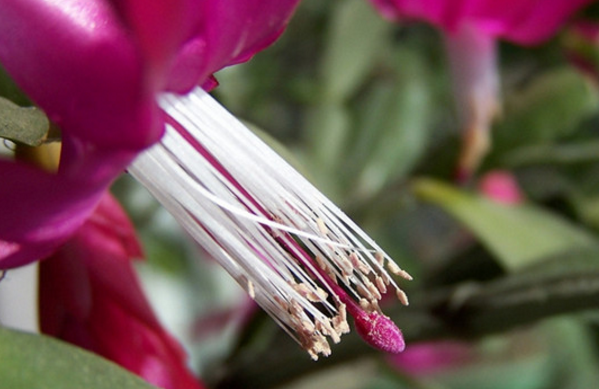
How to grow Schlumbergera
Care methods for Schlumbergera:
1. Temperature
The suitable growing temperature for Schlumbergera is between 19-32°C, and the suitable winter temperature is 7-13°C; it can also tolerate low temperatures of 1-2°C. During hot summer weather, it needs appropriate shading and attention to ventilation.
2. Light
Schlumbergera is slightly shade-tolerant, so it is best to place it in a semi-shaded environment. It likes sunlight and needs appropriate light year-round; otherwise the stems will become thin, it will bloom less, the flowering period will be short, and its ornamental value will be greatly reduced. Avoid direct strong light in summer and do shading work well. In addition, Schlumbergera is a short-day plant, and the daily light exposure needs to be controlled within 10 hours.
3. Soil
It is suitable for growing in soil rich in organic matter and with good drainage. It grows poorly in clay soil, and 20-30% river sand should be mixed into the potting soil.
4. Fertilizing
It does not like heavy fertilizer; phosphorus and potassium fertilizer is preferable, applied as a thin fertilizer once every two weeks.
5. Watering
Schlumbergera is relatively drought-tolerant. During care, the potting soil should be allowed to dry before watering and then watered thoroughly; never overwater, otherwise it can easily cause root rot. Water fully during the growing season. During the low-temperature dormant period in winter, keeping the potting soil dry is sufficient.
Precautions for Schlumbergera:
1. Control moisture
In winter it needs to go through a stage of being chilled and going dormant, otherwise it is very difficult for it to bloom. After being chilled, it needs to stay dry until it is about to bloom; during this period no watering is needed.
After entering spring, still do not water; wait until the buds are the size of a soybean, then begin watering thoroughly. This can promote more buds in Schlumbergera and help it bloom.
After Schlumbergera blooms and during the dormant period under high summer temperatures, moisture must be controlled, while also preventing rain exposure to avoid root rot.
2. Repotting and pruning
Repot once every 2 years. The growing medium can be prepared from materials such as leaf mold, peat soil, and rice husk ash. In spring, carry out pruning together with repotting, thinning out overly dense branches and cutting back the remaining branches. After pruning, spray lime sulfur mixture to reduce spring disease damage.
3. Pest and disease control
Prevention first, with special attention to the control of scale insects and stem rot. Generally, disease and pest medications can be mixed, and drugs such as carbendazim and thiophanate-methyl can be used alternately.
Reasons why Schlumbergera does not bloom
1. Schlumbergera does not bloom because the time has not come
Schlumbergera does bloom. Under normal circumstances, propagated by cuttings or grafting, cacti generally need to be grown for 2-3 years before they may bloom. Therefore, when growing Schlumbergera, if it has not been cared for long enough and has not reached blooming age, then it is unlikely to bloom. This requires good daily care and patient waiting.
In addition, if Schlumbergera's flowering period has not arrived, it will not bloom either. Schlumbergera's flowering period is generally later than that of crab claw cactus. It begins to show buds in October-November, and only blooms by February, and generally withers by late March and early April.
2. Schlumbergera does not bloom because of improper light
Light is an important condition for Schlumbergera to bloom. For Schlumbergera, it needs short-day conditions to bloom well, which requires a suitable duration of sunlight.
Generally, Schlumbergera begins flower bud differentiation in autumn. At this time, short-day conditions must be ensured for flowering to be favored. If the light duration is too long, it will affect Schlumbergera's blooming.
Under normal circumstances, autumn light in northern China can meet Schlumbergera's flowering needs, but this is not the case in southern regions. Therefore, when Schlumbergera's flower buds are growing, it requires a dark environment of more than 12 hours every day, and sometimes shading is needed. At night, attention should also be paid; it is best to place the cactus where there is no light, otherwise flowering will be affected.
How to grow Schlumbergera so it blooms more, and how to care for it correctly through the four seasons
Schlumbergera originates from Brazil and likes a warm, humid climate. Its suitable growing temperature is between 15°C-25°C, and in winter the temperature should not be lower than 7°C. The cactus has a certain ornamental quality and is a relatively popular indoor ornamental plant. Placing the cactus at home also allows you to enjoy beautiful flowers, making people feel pleasant.
How to grow Schlumbergera so it blooms more
1. Schlumbergera needs nutrient control in autumn
Autumn is the period of flower bud growth for Schlumbergera, especially September-October, which is an important period for supplying several types of nutrients for Schlumbergera's bud development. At this time, Schlumbergera needs more sun exposure, and the branches should be lightly pruned so that flower buds grow on sturdy stem segments; only then will there be sufficient nutrients for blooming.
2. Schlumbergera needs proper bud thinning
During Schlumbergera's bud stage, there may sometimes be too many flower buds, and at this time bud thinning is needed. When thinning buds, keep the large ones and remove the small ones, retaining one larger flower bud at the top of each segment. If the stem segments are relatively sturdy, 2 flower buds can be retained.
3. Schlumbergera needs proper control of water and fertilizer
During Schlumbergera's bud development period, because the temperature is relatively low, growth is relatively slow, so the demand for water and fertilizer is not high. At this time, watering and fertilizing do not need to be too much; if there is too much, the plant may be unable to absorb water and nutrients normally, and in severe cases it can lead to bud drop and plant rot. Therefore, during this period, it is best to control water and fertilizer.
4. Schlumbergera needs pest and disease control
When growing Schlumbergera, it occasionally becomes infected with pests such as red spider mites, causing the plant's leaf segments to fall off. Timely control is needed, otherwise it will have an adverse effect on flowering.
5. Schlumbergera needs frost protection during overwintering
Schlumbergera's bud stage is from late October to early November, and bud growth will be concentrated in winter. Winter temperatures drop, even to lows that can easily cause frost damage to Schlumbergera, so it is best to place Schlumbergera indoors in a warm place that can receive sunlight. If there are no warming measures indoors, attention must also be paid to keeping it warm.
How to correctly care for Schlumbergera through the four seasons
1. Spring care for Schlumbergera
Spring is after Schlumbergera's flowering period. At this time, because flowering has consumed a large amount of nutrients, Schlumbergera needs care and management. First reduce watering and stop fertilizing, and give it more sun. In mid-April, Schlumbergera should be placed outdoors. During care, there is no need to water too much; keeping the potting soil slightly moist is sufficient. By late spring, the plant can return to normal, and after that it can be watered and fertilized normally.
During this period, if water and fertilizer are appropriate, the stems can still grow and extend.
2. Summer management for Schlumbergera
In summer, care for Schlumbergera is very important. The most important thing is watering. Watering should be based on weather changes. On ordinary days, watering should meet Schlumbergera's needs, but on rainy days, watering should be stopped. Schlumbergera dislikes rain exposure; if it is accidentally exposed to rain, it may cause branches to fall off, so in summer attention must be paid to avoiding rain.
During the hot dog days, fertilizing should be stopped. If the plant is growing relatively sturdy, a small amount of phosphorus and potassium fertilizer can be applied. It should be noted that although Schlumbergera likes light, in summer the plant will be in a semi-dormant state and needs shading, but it should not be placed in an overly hidden indoor spot for a long time, to avoid leggy growth.
3. Autumn care for Schlumbergera
Autumn is the season when Schlumbergera begins flower bud differentiation. At this time, timely watering is needed, and more phosphorus and potassium fertilizer should be applied. In autumn, Schlumbergera needs to be brought indoors, but the time for bringing it indoors should be later. After bringing it indoors, place the Schlumbergera plant in a place where it can receive light, and it should also be turned frequently so that sunlight is even.
At this time, in order to promote good flower bud differentiation in Schlumbergera, in late September, newly grown flat stems and deformed stems need to be removed, and around November, buds will appear.
4. Winter care for Schlumbergera
In areas north of the Yangtze River, Schlumbergera generally begins to show buds from late October to early November. At this time the temperature drops and the severe winter season begins. The flowerpot should be placed indoors in a warm and bright place, and it should get as much sun as possible. If the indoor temperature in winter can be maintained above 15°C, it can bloom around New Year's Day and the Spring Festival. In indoor spaces without heating in winter, the potted flower should be placed in a warm, bright place where cold wind cannot reach, creating a relatively stable living environment. The temperature must be guaranteed to be above 5°C so that it overwinters in a semi-dormant state, and low-temperature environments below 0°C must be absolutely avoided. At this time the flower buds can grow slowly, and it can bloom from February to March in spring.
How to grow Schlumbergera so it blooms more
Schlumbergera needs nutrient control in autumn
Autumn is the period of flower bud growth for Schlumbergera, especially September-October, which is an important period for supplying several types of nutrients for Schlumbergera's bud development. At this time, Schlumbergera needs more sun exposure, and the branches should be lightly pruned so that flower buds grow on sturdy stem segments; only then will there be sufficient nutrients for blooming.
Schlumbergera needs proper bud thinning
During Schlumbergera's bud stage, there may sometimes be too many flower buds, and at this time bud thinning is needed. When thinning buds, keep the large ones and remove the small ones, retaining one larger flower bud at the top of each segment. If the stem segments are relatively sturdy, 2 flower buds can be retained.
Schlumbergera needs proper control of water and fertilizer
During Schlumbergera's bud development period, because the temperature is relatively low, growth is relatively slow, so the demand for water and fertilizer is not high. At this time, watering and fertilizing do not need to be too much; if there is too much, the plant may be unable to absorb water and nutrients normally, and in severe cases it can lead to bud drop and plant rot. Therefore, during this period, it is best to control water and fertilizer.
Schlumbergera needs pest and disease control
When growing Schlumbergera, it occasionally becomes infected with pests such as red spider mites, causing the plant's leaf segments to fall off. Timely control is needed, otherwise it will have an adverse effect on flowering.
Schlumbergera needs frost protection during overwintering
Schlumbergera's bud stage is from late October to early November, and bud growth will be concentrated in winter. Winter temperatures drop, even to lows that can easily cause frost damage to Schlumbergera, so it is best to place Schlumbergera indoors in a warm place that can receive sunlight. If there are no warming measures indoors, attention must also be paid to keeping it warm.