What to Do When the Leaves of a Dracaena Tornado Turn Yellow? A Detailed Guide to Growing It
Dracaena Tornado, also known as willow-leaf dracaena, Philippine iron tree, curly-leaf iron, and twisted iron, is one of the cultivated varieties of the genus Dracaena in the Asparagaceae family, and is a tropical evergreen shrub. Dracaena Tornado is an excellent plant for indoor growing, but yellowing leaves can occur during cultivation. So how exactly should Dracaena Tornado be grown? What should be done when the leaves of Dracaena Tornado turn yellow?
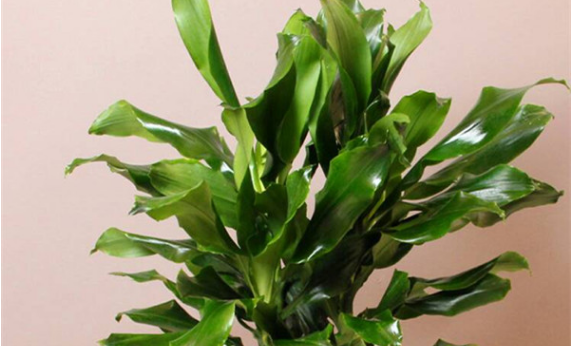
1. What are the growing methods for Dracaena Tornado?
1. How do you grow Dracaena Tornado?
Dracaena Tornado is suited to growing in high-temperature, humid, half-day-shade environments. Because it does not demand much sunlight, under indirect light it can keep its buds tender and its leaves green, with leaves that are flat and long, resembling banana leaves but smaller. In addition, Dracaena Tornado is suitable for growing in potting soil, and a well-drained sandy loam can be used. The optimal growing temperature is between 20°C and 30°C, and in winter it must not go below 10°C.
2. Growing methods for Dracaena Tornado
First, we need to prepare the substrate for planting Dracaena Tornado. You can use loose, imported Pindstrup peat of the 5-40mm grade with good drainage and aeration, mix the peat with water evenly, and then plant it in cups. A 14cm pot uses about 400 milliliters of peat per pot, and one 300-liter bag of imported peat can fill about 750 cups.
Then choose high-quality seedlings from professional production, with a seedling height of 11cm and a crown width of 7-8cm, free of pests and diseases, dead leaves, yellow leaves, and so on. When potting, generally use a pot with a diameter of 14cm. When planting, first place about 2cm of substrate at the bottom of the cup, then move the screened seedlings into the cup. Small seedlings should not be planted too deep; it is best to keep them level with the base of the plant. The substrate should be moderately firm, filled to 9/10 of the cup.
The rest is routine care. Dracaena Tornado does not have a great demand for water; generally, watering should follow the principle of watering when dry and stopping when wet. Dracaena Tornado grows slowly and has a relatively low demand for fertilizer. In the first 3 to 4 months after planting, because the root system is not well developed, it is enough to water with water-soluble fertilizer once every half month. If too much fertilizer and water are used, it will instead be detrimental to the growth of Dracaena Tornado.
3. Precautions for growing Dracaena Tornado
1. Potted production standard: 14cm pot, height 35cm, crown width about 40cm, market cycle 7-8 months.
2. Substrate preparation: use loose, imported Pindstrup peat of the 5-40mm grade with good drainage and aeration, and mix the peat with water evenly (standard for adding water: after mixing with water, squeeze a handful of peat tightly and water seeps out from between the fingers). Then plant it in cups. A 14cm pot uses about 400 milliliters of peat per pot, and one 300-liter bag of imported peat can fill about 750 cups.
3. Requirements for potting seedlings: choose high-quality seedlings from professional production, with a seedling height of 11cm and a crown width of 7-8cm, free of pests and diseases, dead leaves, and yellow leaves.
4. Potting: for old pots that are reused, they must be soaked in a 1000-fold potassium permanganate solution for more than half an hour, then rinsed with clean water and dried for later use. Generally, use a pot with a diameter of 14cm. When planting, first place about 2cm of substrate at the bottom of the cup, then move the screened seedlings into the cup. Small seedlings should not be planted too deep; it is best to keep them level with the base of the plant. The substrate should be moderately firm, filled to 9/10 of the cup.
2. What to do when the leaves of Dracaena Tornado turn yellow
1. Poor plant condition of Dracaena Tornado causes yellowing leaves
When growing Dracaena Tornado, choosing a good plant is actually very important. If you accidentally choose a Dracaena Tornado that was already growing poorly, it may develop yellowing leaves. When choosing Dracaena Tornado, it is better to choose one that is growing relatively healthily, with relatively thick stems, and leaves that are undamaged or not yellow.
2. The growing environment of Dracaena Tornado causes yellowing leaves
When growing Dracaena Tornado, an unsuitable growing environment is also an important cause of yellowing leaves.
Dracaena Tornado likes a high-temperature, humid, and semi-shaded growing environment. During cultivation, these environmental needs must be met. For example, if the temperature is too low, or if it is exposed to blazing sunlight, Dracaena Tornado will develop yellowing, withered leaves and yellowing leaf tips.
3. Long-term water accumulation in the pot of Dracaena Tornado causes yellowing leaves
When growing Dracaena Tornado, a humid environment needs to be maintained, so some people cannot resist watering heavily, which can very likely cause water to accumulate in the pot for a long time, preventing the roots from breathing, leading to root rot, which then causes its leaves to turn yellow. Therefore, when growing Dracaena Tornado, watering must be reasonable, drainage must be noted, and the growth of Dracaena Tornado should be observed at all times to avoid root rot.
4. Iron deficiency in Dracaena Tornado causes yellowing leaves
When growing Dracaena Tornado, another possibility is that the plant is deficient in iron, which can also cause its leaves to turn yellow. At this time, you can spray Dracaena Tornado with some ferrous sulfate aqueous solution, generally once every 10 days or so, for two or three consecutive sprays, and the leaves will turn green again.
Growing Methods for Dracaena Tornado and Precautions for Yellowing Leaves
Nowadays, people are especially fond of growing indoor plants with good air-purifying ability, such as Dracaena Tornado. Not many people may know about Dracaena Tornado, and perhaps many are hearing about this plant for the first time, but it is indeed a very good indoor plant. So how should this Dracaena Tornado be grown, and what are its growing methods? What should everyone do when its leaves turn yellow? Below, let us take a look at Dracaena Tornado together.
What Is Dracaena Tornado?
The so-called Dracaena Tornado is actually one of the cultivated varieties of the genus Dracaena in the Asparagaceae family. It is also called willow-leaf dracaena or Philippine iron tree, and is a common tropical evergreen shrub. Because it has good air-purifying ability and can absorb harmful substances such as indoor formaldehyde, it is often kept indoors by people and is a very well-known indoor plant. Moreover, its leaves remain green all year round and look very beautiful, so it also has good ornamental value. Placing Dracaena Tornado indoors can not only purify indoor air, but also green the indoor environment and decorate the whole home, so many people are very fond of it.
Growing Methods for Dracaena Tornado
1. Dracaena Tornado is a common indoor ornamental plant that likes a high-temperature, half-day-shade growing environment. Dracaena Tornado is a tropical evergreen shrub, so during cultivation, the temperature and light of its growing environment are relatively important. Dracaena Tornado is very fond of high-temperature environments, and its suitable growing temperature is between 20 and 30°C. When the temperature is too high, it still has a certain negative effect on plant growth, so generally in summer when temperatures are high, excessively high temperatures should still be avoided, and appropriate cooling can be done. Dracaena Tornado likes to grow in a half-day-shade environment and overall does not have a high demand for sunlight.
2. As a tropical plant, Dracaena Tornado likes high temperatures and also very much likes a humid growing environment. So during cultivation, everyone also needs to pay more attention to the plant's water needs. Usually, Dracaena Tornado is grown indoors, so in terms of watering, it is best to keep the soil moist. In summer, temperatures are high and water evaporates quickly, so water should be appropriately increased. In autumn and winter, the plant's water demand is greatly reduced, so the frequency and amount of watering can be appropriately reduced. During overwintering, watering can also be stopped to avoid cold damage to the plant.
3. For indoor cultivation of Dracaena Tornado, the soil requirements are very simple. Generally, sandy loam with good aeration and good drainage can be used as potting soil, so when growing it, everyone can just prepare some soil like this. In addition, Dracaena Tornado's fertilizer requirements are also very simple, because normally Dracaena Tornado grows relatively slowly, so its demand for fertilizer is not great. Water-soluble fertilizer can be used, generally watering once every half month with a 2000-fold water-soluble fertilizer.
Precautions for Yellowing Leaves of Dracaena Tornado
Every cause has its effect, so when everyone finds that the leaves of their Dracaena Tornado have turned yellow, they should find the reason for the yellowing leaves, and then specifically address that cause to solve the problem of yellowing leaves. Usually, the causes of yellowing plant leaves are related to watering or sunlight. If the problem is with watering, then make corresponding changes to watering. If the problem is with sunlight, then slightly change the plant's sunlight-related conditions. Next, according to experienced people, for yellowing leaves of Dracaena Tornado, you can also water the roots with a 1:1000 ferrous sulfate aqueous solution, once every 10 days, which may also solve the problem of yellowing leaves.
Conclusion: Actually, Dracaena Tornado is a relatively easy plant to grow, and its growing methods and precautions are also very simple, so everyone does not need to worry much when growing Dracaena Tornado. Just grow it happily.
What to Do When the Leaves of Dracaena Tornado Turn Yellow
Poor plant condition of Dracaena Tornado causes yellowing leaves
When growing Dracaena Tornado, choosing a good plant is actually very important. If you accidentally choose a Dracaena Tornado that was already growing poorly, it may develop yellowing leaves. When choosing Dracaena Tornado, it is better to choose one that is growing relatively healthily, with relatively thick stems, and leaves that are undamaged or not yellow.
The growing environment of Dracaena Tornado causes yellowing leaves
When growing Dracaena Tornado, an unsuitable growing environment is also an important cause of yellowing leaves.
Dracaena Tornado likes a high-temperature, humid, and semi-shaded growing environment. During cultivation, these environmental needs must be met. For example, if the temperature is too low, or if it is exposed to blazing sunlight, Dracaena Tornado will develop yellowing, withered leaves and yellowing leaf tips.
Long-term water accumulation in the pot of Dracaena Tornado causes yellowing leaves
When growing Dracaena Tornado, a humid environment needs to be maintained, so some people cannot resist watering heavily, which can very likely cause water to accumulate in the pot for a long time, preventing the roots from breathing, leading to root rot, which then causes its leaves to turn yellow. Therefore, when growing Dracaena Tornado, watering must be reasonable, drainage must be noted, and the growth of Dracaena Tornado should be observed at all times to avoid root rot.
Iron deficiency in Dracaena Tornado causes yellowing leaves
When growing Dracaena Tornado, another possibility is that the plant is deficient in iron, which can also cause its leaves to turn yellow. At this time, you can spray Dracaena Tornado with some ferrous sulfate aqueous solution, generally once every 10 days or so, for two or three consecutive sprays, and the leaves will turn green again.