What are the benefits of Peperomia? Yellowing leaves can be solved this way
Peperomia (Peperomia) likes a warm, humid, semi-shaded environment. The ideal growing temperature is around 25°C, and it must not drop below 10°C. It does not tolerate high temperatures, requires relatively high air humidity, and dislikes direct sunlight. Placing a pot on an office desk is simply perfect. So how much do you know about Peperomia? If you don't know, come and take a look.
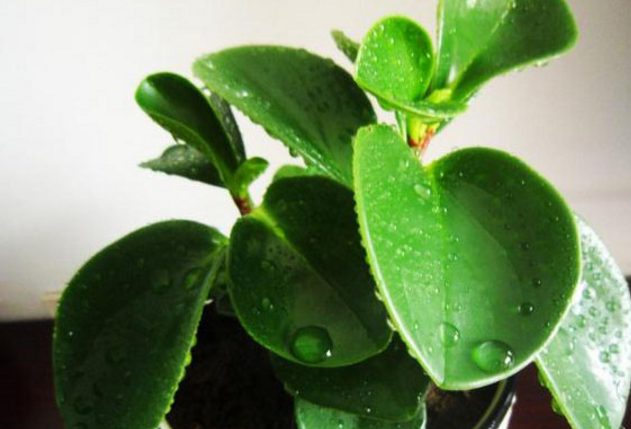
I. What benefits does Peperomia have
1. Benefits of Peperomia: Ornamental
Peperomia is a small ornamental plant with relatively high ornamental value in home decoration. Its thick leaves and emerald green color, fresh and natural, small and cute characteristics are deeply loved by people. Especially the jade-green, glossy leaves, with naturally moving luster, are simply perfect for viewing.
2. Benefits of Peperomia: Home decoration
Placed indoors, Peperomia can decorate the home, very fresh and natural. Peperomia has a relatively small plant type. Plant Peperomia in a white porcelain pot or artistic flower pot, with its petite body and jade-green leaves, very elegant and delicate. Placed on a coffee table, desk, or office desk, it is very beautiful. Or hang it suspended in front of a window or in a bathroom, also very pleasing to the eye. A cold home, paired with a small jade-green plant, adds a touch of warmth.
3. Benefits of Peperomia: Air purification
Speaking of air purification, Peperomia definitely has something to say: the green leaves of the whole plant can purify harmful gases such as formaldehyde and biphenyl from the air, playing a certain positive role in home environmental safety. Placing a pot of green plants indoors can also protect the eyes and relieve fatigue.
4. Benefits of Peperomia: Medicinal value
Peperomia can be used as medicine. According to traditional Chinese medicine theory, Peperomia taken internally can dispel wind and dampness, relieve cough and eliminate phlegm, and has significant effects on treating bronchitis, asthma, whooping cough, etc.; external use can treat bruises and fractures. Therefore, Peperomia is an important part of Chinese herbal medicine. However, friends should not use it casually at home. Every medicine has some toxicity; use should follow proper channels.
II. What to do when Peperomia leaves turn yellow
1. Improper watering of Peperomia
Peperomia likes a humid environment, but this does not mean it needs a lot of water. If Peperomia is watered too much, the roots and stems are soaked in water for a long time, and the plant's nutrients cannot be transported upward, causing leaves to turn yellow. If watering is insufficient, it will cause physiological water deficiency in the plant, and leaves will turn yellow and curl.
Therefore, during care, ensure the plant's soil is moist without water accumulation, and mist appropriately 2-3 times a day to increase indoor humidity.
2. Temperature too high for Peperomia
Actually, Peperomia leaves turning black, becoming soft, and turning yellow are all mainly caused by higher temperatures. People sweat when it is stuffy and hot, and plants can only rely on their own reactions to tell their owners. So temperature must be controlled, and try not to exceed 38°C.
3. Improper fertilizing of Peperomia
Peperomia has high requirements for fertilizer and water. When fertilizing, be careful to avoid the root system, so as not to burn the roots with fertilizer, causing root rot and thus yellow leaves. But do not apply fertilizer blindly either; it should be done gradually, and fertilizer water should be applied appropriately. The best fertilizing method is to fertilize in the evening and water the next morning, which can bring out the best fertilizer effect and effectively avoid fertilizer damage.
4. Pest and disease damage to Peperomia
Black spot and gray mold are caused by high environmental humidity and poor ventilation. Observe frequently. If insects are found eating the leaves, use beer to lure them, kill them with boiling water or salt. If the plant suffers from ringspot disease, becoming dwarfed and distorted, spray an appropriate amount of Bordeaux mixture. In short, prevent pests and diseases from harming the plant, and treat them early once discovered.
What to do when Peperomia roots rot? What to do when Peperomia leaves turn yellow
When growing Peperomia, improper care and other reasons may cause root rot or yellowing. So what to do when Peperomia roots rot? What to do when Peperomia leaves turn yellow? Let's take a look together below.
What to do when Peperomia roots rot
1. Temperature too high
When growing Peperomia, attention should also be paid to light and temperature. In winter, Peperomia should be placed in a place with sufficient light. But in hot summer, Peperomia is relatively afraid of heat and needs to be placed under a shade shed and misted to cool down. Too high a temperature and too much heat will cause Peperomia stems and leaves to turn black and rot. Appropriately apply some fertilizer, water a little, and place it in a semi-shaded place for a few days, and the root rot of Peperomia will improve.
2. Too much watering
Peperomia likes humidity. For soil-cultured Peperomia, be careful not to water too much, as excessive water will cause Peperomia root rot and death. Generally, pay attention to watering. Water thoroughly once, once a week is enough, and also pay attention to maintaining air humidity.
3. Improper fertilizing
Improper fertilizing of Peperomia can also cause Peperomia root rot. Peperomia has high requirements for fertilizer and water. When fertilizing, be careful to avoid the root system, so as not to burn the roots with fertilizer, causing Peperomia root rot and root system rot.
4. Poor water quality
Peperomia can be grown hydroponically, but pay attention to water quality issues. If the water body becomes sticky and worrying, it needs to be cleaned and replaced with clean water, otherwise it will cause Peperomia roots to be polluted and rot.
5. Disease occurrence
Peperomia root and crown rot is one of the diseases that Peperomia is prone to. It should be treated promptly. Generally, spray with 50% carbendazim wettable powder 1000 times solution.
Peperomia leaves turning yellow (causes and treatment methods)
1. Improper care
It may be due to too much watering, or low temperature, insufficient fertilizer, and other reasons. If Peperomia is placed indoors, scattered light is enough; it does not need to be in the sun all the time. Water thoroughly once, once a week is enough. Appropriately supplement fertilizer to increase nutrition.
Peperomia likes a warm, humid, semi-shaded environment. The ideal growing temperature is around 25°C, and it must not drop below 10°C. The overwintering temperature should not be lower than 5°C. It does not tolerate high temperatures and requires relatively high air humidity. It likes loose, fertile, well-drained moist soil. It is drought-tolerant, and watering should not be excessive, especially in autumn and winter when watering should be reduced. If the air is dry, mist the leaf surface more. It dislikes frost.
2. Too much sun exposure
Peperomia is a shade-loving plant. It only needs scattered light sufficient for photosynthesis, and dislikes direct sunlight. Exposing Peperomia to too much sun is one of the reasons its leaves turn yellow. Appropriately apply some fertilizer, water a little, and place it in a semi-shaded place for a few days, and Peperomia will become emerald green again.
3. Pest and disease damage
Black spot and gray mold are caused by high humidity and poor ventilation. Observe frequently. If slugs are found eating the leaves, use beer to lure them, kill them with boiling water or salt. Ringspot virus disease causes affected plants to become dwarfed and leaves to distort; spray with equal-part Bordeaux mixture. There are also root and crown rot and stem canker damage; spray with 50% carbendazim wettable powder 1000 times solution.
What to do when Peperomia leaves turn yellow? Solutions for Peperomia leaves turning yellow
Peperomia is a potted plant that many people like to grow now. Many people report that Peperomia leaves turn yellow. Next, the editor will introduce in detail for you what to do when Peperomia leaves turn yellow, to help everyone grow Peperomia better.
When Peperomia leaves turn yellow, the biggest cause is water accumulation, or else root rot. Only by understanding the causes of Peperomia leaves turning yellow can this problem be solved. Next, the editor will summarize it for you in detail.
Causes and solutions for Peperomia leaves turning yellow:
1. Too much water
Although Peperomia likes humidity, attention must be paid to the amount when watering. Do not water too much; just keep the air humid enough. If watered too much, it will cause Peperomia leaves to turn yellow or roots to rot, affecting the growth of Peperomia.
2. Insufficient water supply
As just mentioned, Peperomia likes humidity, so sufficient water must be maintained. If Peperomia leaves curl and turn yellow, it proves that the water supply to the Peperomia roots is insufficient. Be sure to water promptly, and also pay attention to the amount of watering; moderate is enough.
3. Temperature control
When growing Peperomia, temperature control must be done well, especially in cold winter, be sure to place it in a place with sufficient sunlight, and in hot summer place it in a cool place and mist promptly to cool down. Too high a temperature or too much heat will cause Peperomia leaves to turn yellow.
4. Fertilization management
Peperomia has relatively high requirements for fertilizer and water, but one point must be noted: when fertilizing, avoid the roots of Peperomia, otherwise fertilizer may burn the roots, causing Peperomia root system rot. So do not fertilize and water blindly; be sure to proceed gradually.
5. Pest and disease control
The main disease of Peperomia is gray mold, mainly caused by high humidity and poor ventilation, so Peperomia must be placed in a ventilated place, which can effectively avoid the occurrence of disease.