Can you eat kumquat seeds? Learn to grow a small kumquat potted plant
Kumquat, this is something many people absolutely love to eat, and this kumquat is just that appealing. Can you eat kumquat seeds? How to grow kumquat seeds into a small potted plant:
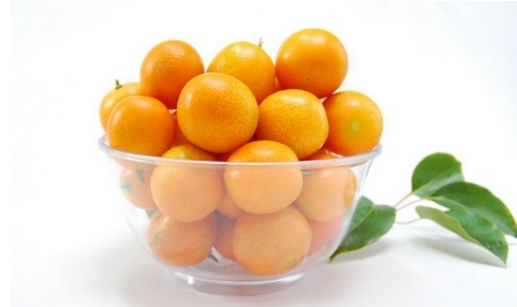
Can you eat kumquat seeds:
Orange seeds are edible.
But they are generally dried and then brewed as tea. Orange seeds are rich in trace elements, so orange seeds can have a cold-dispelling effect. Generally, girls with a cold constitution can often brew orange seeds in water and drink it, which can effectively help regulate the symptoms of a cold constitution. In addition, orange seeds also have a good phlegm-resolving effect. If there is a baby at home who coughs with phlegm and cannot use medication, you can feed the baby more orange seed water, which is very good for clearing phlegm. Besides this, if there are usually symptoms of poor appetite, nausea and wanting to vomit, you can also drink more orange seed water to regulate it.
How to grow kumquat seeds into a small potted plant:
1. Choice of soil
When potting kumquat, it is best to choose a mix of sandy soil, cake fertilizer and charcoal from burned weeds.
2. Maintain moisture
Kumquat is a moisture-loving plant but dislikes waterlogging. It likes moist soil, but it must not be watered too much, as this easily causes root rot. Therefore, during the growth period it is best to keep the potting soil moderately moist. The amount of water used should be changed according to the different seasons. In spring, when it is dry and windy, it is necessary to spray water on the leaf surface once a day to increase air humidity; in summer, spray water 2 to 3 times a day and also spray water on the ground; but avoid spraying water during the flowering period to prevent flowers from rotting and affecting fruiting. In the rainy season, the accumulated water in the pot should be poured out promptly to avoid root rot; when placed outdoors in summer, it is best to prop up the flower pot with bricks to facilitate drainage.
3. Sufficient light
Kumquat should be placed in a place with sufficient light. First, it prevents the moisture-loving soil from causing kumquat root rot; second, it is for photosynthesis. Without light, kumquat grows slowly, easily drops leaves, does not bloom and does not bear fruit.
4. Add fertilizer
Under normal circumstances, appropriate amounts of diluted thin sauce residue water and alum fertilizer water should be added to kumquat every week. When it starts to bear fruit, add more phosphorus fertilizer. These are the most common fertilizers necessary for potted kumquat in daily care. Of course, according to your own conditions, quite similar fertilizers can be used.
5. Pruning
Pruning is an important technical measure to make kumquat bloom abundantly and bear plentiful fruit. In order to make the tree shape beautiful and bear more fruit, before the sap begins to flow each year and before the spring buds have sprouted, carry out one heavy pruning, cutting off dead branches, diseased and pest-damaged branches, overly dense branches and leggy branches, keeping 3 to 4 robust, evenly distributed branches from the previous year's growth, leaving only 2 to 3 buds at the base of each branch and cutting off the rest.
6. Prevent pests and diseases
Pay attention to preventing pest damage and spray appropriate amounts of medication, such as copper sulfate, quicklime, diluted with water, thiophanate and other liquid medicines. Spray moderately on kumquat according to the instructions.
Kumquat seeds are edible and can also be used to grow a small potted plant. Hurry up and give it a try.
Can you eat kumquat seeds? How to grow kumquat seeds into a small potted plant
Many people spit out the seeds when eating kumquats and find spitting out seeds troublesome. They want to know whether kumquat seeds can be eaten. In fact, kumquat seeds are a very good traditional Chinese medicine and are edible. Besides this, kumquat seeds can also be used to grow a small potted plant. Let's take a look below.
Can you eat kumquat seeds
Orange seeds are edible.
But they are generally dried and then brewed as tea. Orange seeds are rich in trace elements, so orange seeds can have a cold-dispelling effect. Generally, girls with a cold constitution can often brew orange seeds in water and drink it, which can effectively help regulate the symptoms of a cold constitution. In addition, orange seeds also have a good phlegm-resolving effect. If there is a baby at home who coughs with phlegm and cannot use medication, you can feed the baby more orange seed water, which is very good for clearing phlegm. Besides this, if there are usually symptoms of poor appetite, nausea and wanting to vomit, you can also drink more orange seed water to regulate it.
How to grow kumquat seeds into a small potted plant
1. Choice of soil
When potting kumquat, it is best to choose a mix of sandy soil, cake fertilizer and charcoal from burned weeds.
2. Maintain moisture
Kumquat is a moisture-loving plant but dislikes waterlogging. It likes moist soil, but it must not be watered too much, as this easily causes root rot. Therefore, during the growth period it is best to keep the potting soil moderately moist. The amount of water used should be changed according to the different seasons. In spring, when it is dry and windy, it is necessary to spray water on the leaf surface once a day to increase air humidity; in summer, spray water 2 to 3 times a day and also spray water on the ground; but avoid spraying water during the flowering period to prevent flowers from rotting and affecting fruiting. In the rainy season, the accumulated water in the pot should be poured out promptly to avoid root rot; when placed outdoors in summer, it is best to prop up the flower pot with bricks to facilitate drainage.
3. Sufficient light
Kumquat should be placed in a place with sufficient light. First, it prevents the moisture-loving soil from causing kumquat root rot; second, it is for photosynthesis. Without light, kumquat grows slowly, easily drops leaves, does not bloom and does not bear fruit.
4. Add fertilizer
Under normal circumstances, appropriate amounts of diluted thin sauce residue water and alum fertilizer water should be added to kumquat every week. When it starts to bear fruit, add more phosphorus fertilizer. These are the most common fertilizers necessary for potted kumquat in daily care. Of course, according to your own conditions, quite similar fertilizers can be used.
5. Pruning
Pruning is an important technical measure to make kumquat bloom abundantly and bear plentiful fruit. In order to make the tree shape beautiful and bear more fruit, before the spring buds sprout, cut off part of the previous year's branches, keeping 2 to 3 buds on the robust ones. Keep 3 pruned one-year-old branches per plant, which is favorable for the sprouting of spring shoots. When the new shoots grow to 15 to 20 cm, pinch off the tips to make the branches full.
6. Prevent pests and diseases
Pay attention to preventing pest damage and spray appropriate amounts of medication, such as copper sulfate, quicklime, diluted with water, thiophanate and other liquid medicines. Spray moderately on kumquat according to the instructions.
How to store kumquats
Method 1
Put them in a freshness-retaining bag. As long as they do not come into contact with air, they can be kept for a longer time. But oranges absolutely must not be put in the refrigerator for freshness, as this will accelerate the rotting of the oranges. First spread pine leaves (pine needles) on the bottom of a cardboard box, then put in the oranges, and after placing them, cover them with pine needles again, and so on. This way they can be kept fresh for half a year without any problem, and they will be full of moisture.
Method 2
Kumquats are soft in texture, so when storing kumquats, be careful to handle them gently and do not drop them, otherwise the kumquats may be damaged. If you want to extend the storage period of kumquats, remove the kumquat stems, then place the kumquats in a clean, dry, ventilated, cool place away from direct sunlight. The place where kumquats are stored should have no moisture and should remain dry, otherwise the kumquats may deteriorate due to moisture. It is also necessary to prevent insect damage and bites, otherwise the kumquats will also deteriorate, affecting nutrition and taste.
Method 3
The oranges bought in the market are all tightly tied in freshness-retaining bags to prevent water evaporation. Tying them tightly in freshness-retaining bags can keep them fresh for a period of time. For refrigerating in freshness-retaining bags, if there are rather many kumquats and they come in boxes, I can teach you a folk method that is really good and practical. Spread some leaves on the bottom of the box and put it in the basement. Using garlic or garlic bulbs mashed or sliced and boiled in water to soak mandarin oranges can keep oranges fresh for 4-5 months, with an average good fruit rate of about 95%.
The specific method is:
1. Mash or slice garlic leaves or garlic bulbs, place them in clean water with a garlic-to-water ratio of 1:10, soak for 12 hours, then boil to boiling point, and wait until cooled to room temperature. 2. Put strictly selected fresh mandarin oranges that are unbroken and free of pests and diseases into the garlic water and soak for 10-15 seconds. Take them out and let them dry, then store them by conventional methods.
3. Store the oranges in a paper box containing needle-like leaves of masson pine, place it in a cool and dry place, and there is no problem keeping them for 3 months
How to grow a small kumquat potted plant? Cultivation methods for potted kumquat
Potted kumquat has certain ornamental value whether for foliage, flowers or fruit, and it is also very common in homes. So how do you grow a small kumquat potted plant? Let's take a look at the cultivation methods for potted kumquat.
How to grow a small kumquat potted plant
1. Flower pot
Use a flower pot. The size of the flower pot depends on the size of the kumquat seedling. Do not use a plastic flower pot, because what is being grown is food, and plastic pollution should be avoided.
2. Soil
Kumquat is suitable for growing in fertile, loose, acidic sandy loam. When potting, it is best to use a culture soil mixed with 4 parts leaf mold, 5 parts sandy soil and 1 part cake fertilizer. For example, use a little bean cake fertilizer and bury the fruit tree seedling in the soil. The fruit tree seedling can be bought at a local flower market or online. After planting, water thoroughly and place it in a shaded place to let it recover and stabilize its roots.
3. Watering
Kumquat likes moisture but dislikes waterlogging, and overly wet potting soil easily causes root rot. Therefore, during the growth period it is best to keep the potting soil moderately moist. Spring is dry and windy. It is necessary to spray water on the leaf surface once a day to increase air humidity. In summer, spray water 2 to 3 times a day and also spray water on the ground. But avoid spraying water during the flowering period to prevent flowers from rotting and affecting fruiting.
4. Sunlight
Kumquat by nature likes a warm and humid climate with sufficient sunlight, and during care it should be placed in a place with sufficient sunlight. It can be placed outdoors in both winter and summer. But if there is insufficient light and the environment is shady, it often causes branches and leaves to grow leggy and produces fewer flowers and fruits. Because kumquat likes a cool climate in summer, or when the summer sunlight is intense, it is better to place it in a slightly shaded place at this time. The winter room temperature should be one that does not freeze. If the room temperature is too high, the plant cannot get sufficient dormancy, and then the next year's growth will be weak and it will easily drop flowers and buds.
5. Temperature
Kumquat likes a warm and refreshing growth temperature. When the temperature in late autumn is below 10 degrees Celsius, it should be moved indoors in time. In winter, the room temperature is best kept at 6 to 12 degrees Celsius. If the temperature is too low, it is prone to frost damage; if too high, it will affect the plant's dormancy, which is not favorable for flowering and fruiting the next year. Of course, try not to move it back and forth, because the fruit will drop due to vibration.
6. Fertilizing
Potted kumquat requires proper water and fertilizer management. When the branches have grown fully, apply a quick-acting phosphorus fertilizer, such as superphosphate, to prevent leggy branches and leaves and promote flower bud differentiation and flowering and fruiting. In July and August, kumquat can bloom and bear fruit multiple times, and the fruits from several rounds can coexist. But to ensure high fruit yield, attention must also be paid to water and fertilizer management. After flowering, apply more phosphorus fertilizer, such as water from fermented fish intestines, water from rinsing milk bottles, chicken manure, etc.
7. Pruning
Pruning is an important technical measure to make kumquat bloom abundantly and bear plentiful fruit. In order to make the tree shape beautiful and bear more fruit, before the spring buds sprout, cut off part of the previous year's branches, keeping 2 to 3 buds on the robust ones. Keep 3 pruned one-year-old branches per plant, which is favorable for the sprouting of spring shoots. When the new shoots grow to 15 to 20 cm, pinch off the tips to make the branches full.
8. Pests
Kumquat branches and leaves often suffer damage from scale insects, red spiders, swallowtail butterfly larvae and others, among which scale insects are relatively common. The occurrence period is April to May, and acephate 1000-fold liquid can be sprayed; pests can also be brushed off with a small bristle brush.
How to grow kumquat seeds into a small potted plant
Step 1: Obtain kumquat seeds. Kumquat seeds are obtained from fresh kumquats bought at the market. Just deliberately keep them when eating the oranges.
Step 2: Keep them clean. The collected kumquat seeds need to be kept clean, removing the pulp sticking to the surface.
Step 3: Soak the collected kumquat seeds in clean water, changing the water once a day, so that the seeds have enough water. They need to be soaked in water for about one week. Be sure to keep changing the water every day to keep the seeds clean.
Step 4: After the kumquat seeds have been soaked for one week, take out the seeds and use tweezers to remove the thin skin on the surface of the orange seeds. When removing it, absolutely do not damage the inside of the orange seeds. Carefully remove the outer skin, which is favorable for the seeds to sprout and grow quickly.
Step 5: After the outer skin has been removed, prepare a pot of nutrient soil. I took the soil directly from a vegetable plot. Bury the orange seeds about two centimeters below the soil, then just water them every day and patiently wait for the seeds to sprout. Then a very beautiful small potted landscape can grow.