Cutting methods for pennywort and rhizome hydroponic tips
Pennywort, many people absolutely love growing it, this pennywort is just that lovable. How do you take cuttings of pennywort? How do you hydroponically grow pennywort rhizomes:
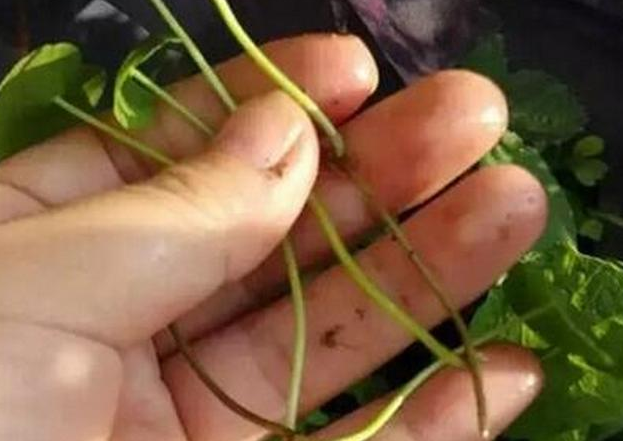
How to take cuttings of pennywort:
1. First, from the pennywort pot you are growing, select healthy stems and set them aside. Choose ones with plump leaves and firm stems.
2. Prepare a container, which can be a flower pot or a bottle.
3. After choosing the container, put in growing medium to sixty percent, and it should be fairly fertile, so that the pennywort can grow better after being planted.
4. Then begin taking cuttings. The operation is very simple: just insert the prepared stems into the growing medium in the container, then press the surrounding area firm.
5. Once this is done, you can water it, with the water level just above the growing medium.
6. After taking the cuttings, place the pennywort in a spot with ample sunlight and water it often, and before long it will fill the pot.#p#Subheading#e#
How to hydroponically grow pennywort rhizomes:
Step one: Choose pennywort with roots, and at the same time, for a more attractive look, growers can choose pennywort of differing heights.
Step two: Put the pennywort into the container you have already prepared, then use small stones to press down the pennywort roots, and add water to the pennywort.
That is all for the introduction to pennywort cutting methods. The pennywort rhizome can be grown hydroponically, so give it a try soon.
How to hydroponically grow pennywort: points to note when growing pennywort
Growing pennywort hydroponically is relatively speaking a favorite method for lazy gardeners. Below is a detailed introduction to hydroponic pennywort growing methods, as well as points to note when growing it.
How to hydroponically grow pennywort
1. Pennywort's requirements for water quality: Just choose ordinary tap water. Change the water frequently. In summer, change the water once every 3-4 days, with the water level at half of the bottle. In winter, change the water once a week. In winter, the leaves transpire less, so each time change only 1/3 of the water in the container.
2. Pennywort's requirements for light: This plant relatively likes light. I generally place pennywort in a place where sunlight can reach it, such as a windowsill. In summer, the light duration can be longer. 4-5 hours is a must. In winter, if there is little light, you can use a UV lamp or a fluorescent lamp to replace sunlight.
3. Pennywort's requirements for temperature: The editor is from the south, and using the hydroponic method to grow pennywort takes no effort at all. The southern climate is very suitable for growing pennywort. Keeping the normal temperature at 10-26 degrees is quite suitable. Too hot or too cold is not suitable for pennywort growth.
4. How pennywort prevents pests and diseases: Pennywort's natural enemy is the aquatic snail, which will eat pennywort's roots and tender shoots. If you see this kind of small creature in the water, do not show any mercy. A large outbreak can put your pennywort in mortal danger.
5. Fertilizing pennywort: Personally, I do not really recommend fertilizing pennywort, because the nutrients produced by its own photosynthesis are enough. Of course, if you want it to grow more luxuriantly, you can apply a moderate amount of fertilizer. You can dissolve ordinary fertilizer in the water basin and let it absorb it on its own, but be careful that the concentration is not too strong; a small amount is enough.
6. Pennywort's propagation method: Pennywort is generally propagated by division. In summer, use scissors to cut at the position where the stolon has rooted, and transplant the front plant into another water basin to propagate. In addition, in summer pennywort will produce small flowers, and the seeds it then sets can also be used to propagate new plants.
Points to note when growing pennywort
1. Get water, soil and sunlight right: Pennywort has round leaves with wavy edges and long stems, and blooms small yellow-green flowers in summer and autumn. It can be grown in water or on land. It likes warmth and moisture, and the cultivation site is best in half sun or shade. It dislikes direct sunlight. It is not particular about the growing soil, but loose, well-drained growing soil is best. Propagation can use division or cuttings. It is easy to grow; keep the growing soil moist, and it will root in about 1~2 weeks. Because the plant can tolerate moisture and is an emergent type, it is also suitable for growing in water basins and ponds. If grown in water, be sure to change the water once a week and add a special nutrient solution for foliage plants.
2. Choose well-drained growing soil: Pennywort does not need a very large pot. It can also be planted in a larger bowl, and a narcissus pot for growing narcissus also works. Use ordinary garden soil for the soil, mix in an appropriate amount of river sand, and add a small amount of organic fertilizer as base fertilizer. When planting pennywort, it can be planted flat, with the rhizome just slightly covered so it cannot be seen; be sure not to plant it too deep. Then place it in half shade for a week, and wait until new leaves have grown before exposing it to sunlight.
3. Get the temperature right: Pennywort is afraid of cold. For pennywort placed outdoors in winter, you can pour out all the water and place it in a south-facing, sunny, wind-sheltered spot, and it can pass the winter safely, though some leaves will die off, and the underground root system will sprout again the following spring. In cold northern regions, if there is no heating, you can make a cover and cover it together with the pot, pour out the water, keep it moist, and as long as the room temperature does not fall below zero, it will likewise continue to grow the following year.
How to grow pennywort in water: hydroponic growing methods for pennywort
Pennywort is an aquatic foliage plant that can be grown hydroponically, and is also suitable for pot-and-soil cultivation. Below, the editor will introduce to everyone how to grow pennywort in water, and the hydroponic growing methods and points to note for pennywort.
Introduction to pennywort
Pennywort is commonly found in various places across mainland China, and is called different names in different regions, but the most common is still "jinqiancao" (money grass). It is not hard to see people's yearning for a better life in this. Besides its ornamental value, pennywort's other values are also very high. Pennywort's rhizome can not only be prepared as a vegetable, but can also be used to dispel wind, strengthen the intestines, improve eyesight and clear summer heat, giving people a fresh and pleasant feeling, and so on.
How to grow pennywort in water
1. Pennywort's requirements for water quality
Just choose ordinary tap water. Change the water frequently. In summer, change the water once every 3-4 days, with the water level at half of the bottle. In winter, change the water once a week. In winter, the leaves transpire less, so each time change only 1/3 of the water in the container.
2. Pennywort's requirements for light
This plant pennywort relatively likes light. I generally place pennywort in a place where sunlight can reach it, such as a windowsill. In summer, the light duration can be longer. 4-5 hours is a must. In winter, if there is little light, you can use a UV lamp or a fluorescent lamp to replace sunlight.
3. Pennywort's requirements for temperature
The editor is from the south, and using the hydroponic method to grow pennywort takes no effort at all. The southern climate is very suitable for growing pennywort. Keeping the normal temperature at 10-26 degrees is quite suitable. Too hot or too cold is not suitable for pennywort growth.
4. How pennywort prevents pests and diseases
Pennywort's natural enemy is the aquatic snail, which will eat pennywort's roots and tender shoots. If you see this kind of small creature in the water, do not show any mercy. A large outbreak can put your pennywort in mortal danger.
5. Fertilizing pennywort
Personally, I do not really recommend fertilizing pennywort, because the nutrients produced by its own photosynthesis are enough. Of course, if you want it to grow more luxuriantly, you can apply a moderate amount of fertilizer. You can dissolve ordinary fertilizer in the water basin and let it absorb it on its own, but be careful that the concentration is not too strong; a small amount is enough.
6. Pennywort's propagation method
Pennywort is generally propagated by division. In summer, use scissors to cut at the position where the stolon has rooted, and transplant the front plant into another water basin to propagate. In addition, in summer pennywort will produce small flowers, and the seeds it then sets can also be used to propagate new plants.
Points to note when growing pennywort
1. Get water, soil and sunlight right
Pennywort has round leaves with wavy edges and long stems, and blooms small yellow-green flowers in summer and autumn. It can be grown in water or on land. It likes warmth and moisture, and the cultivation site is best in half sun or shade. It dislikes direct sunlight. It is not particular about the growing soil, but loose, well-drained growing soil is best. Propagation can use division or cuttings. It is easy to grow; keep the growing soil moist, and it will root in about 1~2 weeks. Because the plant can tolerate moisture and is an emergent type, it is also suitable for growing in water basins and ponds. If grown in water, be sure to change the water once a week and add a special nutrient solution for foliage plants.
2. Choose well-drained growing soil
Pennywort does not need a very large pot. It can also be planted in a larger bowl, and a narcissus pot for growing narcissus also works. Use ordinary garden soil for the soil, mix in an appropriate amount of river sand, and add a small amount of organic fertilizer as base fertilizer. When planting pennywort, it can be planted flat, with the rhizome just slightly covered so it cannot be seen; be sure not to plant it too deep. Then place it in half shade for a week, and wait until new leaves have grown before exposing it to sunlight.
3. Get the temperature right
Pennywort is afraid of cold. For pennywort placed outdoors in winter, you can pour out all the water and place it in a south-facing, sunny, wind-sheltered spot, and it can pass the winter safely, though some leaves will die off, and the underground root system will sprout again the following spring. In cold northern regions, if there is no heating, you can make a cover and cover it together with the pot, pour out the water, keep it moist, and as long as the room temperature does not fall below zero, it will likewise continue to grow the following year.