What to Do When the Leaf Tips of Strawberry Spider Plant Turn Black? A Detailed Guide to Cultivation
Strawberry spider plant is something many people absolutely love to grow, and it is just that appealing. What are the cultivation methods for strawberry spider plant? What to do when the leaf tips turn black:
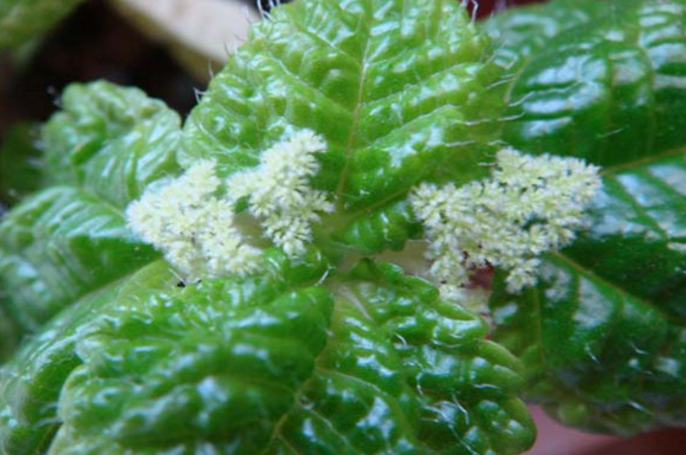
Cultivation methods for strawberry spider plant:
1. Light
Strawberry spider plant prefers a semi-shaded environment, so direct sunlight must be avoided. In summer, it must not be placed in the sun for prolonged exposure. It is best to let it see sunlight only in the morning and evening, and it needs shading during the day, otherwise the leaves are easily scorched. When light is weak, strawberry spider plant can grow beautifully, but in winter it needs plenty of sunlight, so that the leaves will be more tender and fresh. The most suitable place to put it is in front of a south-facing window, ensuring glossy and bright leaves.
2. Watering
Strawberry spider plant likes moisture, so keep the soil moist, but do not let it become waterlogged. In summer, the amount of water needs to be increased, and the water supply must be sufficient. You can also spray some water on the branches and leaves in the evening to prevent drying out. In addition, frequently spraying and washing the branches and leaves also helps reduce the buildup of dust, making the leaves more vivid and full of luster.
3. Fertilizing
Strawberry spider plant also loves fertilizer, and the fertilizer solution must be sufficient, otherwise the leaves will turn yellow and lose their original luster, looking unattractive. From late summer to early autumn, apply organic fertilizer solution once a week to ensure the supply of nutrients.
4. Repotting
The potting soil should be replaced once every year in March. Of course, if the pot is relatively deep and the base fertilizer is sufficient, it can be replaced once every two years. When repotting, turn the pot over and tap out the plant, remove excess and unhealthy roots, put new humus-containing potting soil into the pot, and appropriately add some base fertilizer. After planting, place it in a warm, semi-shaded spot. Once the plant resumes normal growth, it can be cared for normally, and attention should be paid to ventilation.
What to do when the leaf tips of strawberry spider plant turn black:
First, too much watering. It has fleshy rhizomes, and after too much watering, the roots rot very easily, causing the leaves to turn yellow. Second, you let it get too much sun. Too much sun not only makes it turn yellow, but to be precise, not only yellow, but also very white. Doing the opposite will cure it.
Strawberry spider plant also needs more sun. Hurry and get a few plants for your own home.
How to Grow String of Pearls and What to Do When the Leaf Tips Turn Black
String of Pearls is a foliage plant with relatively beautiful leaf shape and color. It is often used for indoor greening and planting, and is an ideal flower for hanging cultivation at home. String of Pearls can also absorb toxic gases such as benzene and formaldehyde, so it is also known as a green purifier, and is therefore also used for indoor air-purifying potted planting. So, how should String of Pearls be grown? What methods do you have? Below, we will explain the cultivation methods for String of Pearls, hoping to help everyone.
Introduction to String of Pearls
String of Pearls is named for its plump, full, emerald-green oval small leaves that resemble pearls. It is also known as Jade Beads, Lover's Tears, Buddha Beads Spider Plant, Jade Beads, Green Bells, and Green Bell. The flowering period is generally from December of the current year to January of the following year. String of Pearls likes soil rich in organic matter, loose and fertile. It grows best in a warm environment with relatively high air humidity and strong scattered light. In summer, high temperature and high humidity should be avoided, otherwise the stems rot and die very easily. The potted plant can be placed in a rainproof, shaded area for cultivation. After autumn, the plant resumes growth, so light should be increased and liquid fertilizer applied. There are also blue String of Pearls and brown String of Pearls.
The following aspects should be noted when growing String of Pearls
1. Watering. The fleshy stems of String of Pearls are thick and juicy, and its drought tolerance is relatively strong, but its rot resistance is somewhat weak. Therefore, in daily watering, the principle of keeping it dry rather than wet should be followed, especially in summer, when root rot is most likely to occur. When watering, it is best to use a spraying method. String of Pearls likes a semi-shaded environment, and both high temperature and excessive shade will affect its growth.
2. Fertilizing. Fertilization should be done with thin fertilizer applied frequently, dividing the fertilizer into multiple applications and applying small amounts. Generally, 1% to 3% nitrogen fertilizer and potassium dihydrogen phosphate are applied, which can promote the growth of its leaves.
3. Environment. String of Pearls likes a warm and humid environment, and is most suitable for growing at 20-28°C. If the temperature is too high, the plant will adaptively go dormant, and at this time its demand for water and fertilizer is very low, so watering and fertilizing can be reduced, otherwise root rot will occur.
4. Pests and diseases. Aphids are one of the most common insect pests of String of Pearls, often appearing in spring. They can be killed by spraying 1500 times diluted omethoate or simply removed by hand, and the harm is relatively small. In summer, mites often appear, and 1000 times diluted dicofol should be used to kill them. Generally, mites are caused by insufficient leaf surface humidity and poor ventilation.
5. Soil. The soil is best leaf mold soil, which can provide the nutrients needed for plant growth. The soil requirements are not high; the most important thing is its air permeability and drainage.
Causes of Blackened and Shriveled Leaf Tips in String of Pearls
1. Caused by dry air, overly intense sunlight, and excessively high temperature. This situation mainly occurs in summer and autumn, because spider plants like to grow in humid air and semi-shaded environments. Once the air is too dry and the sunlight is unobstructed, and if the temperature is as high as above 30°C, it is very easy to cause the leaf tips of the plant to wither. If this is the case, move the plant to a semi-shaded environment, cut off the withered leaves, and frequently spray water on the leaf surface and the surroundings. The newly grown leaves can return to a normal state.
2. Caused by waterlogged potting soil and rot of the nutrient fibrous roots. Because the potting soil is compacted or too sticky and heavy, or because watering is too frequent and too much, the nutrient fibrous roots of the spider plant rot, and thus the root system's ability to absorb water drops greatly, causing the leaf tips to first turn black and the edges to curl inward. If this is the case, take the plant out of the flower pot, shake off some of the old soil, cut off the rotted root parts, and replace with clean wet sand for planting. Keep the sand moist, and do not spray too much water. After new tender fine fibrous roots are induced, replace with fertile potting soil and plant again.
3. Caused by not repotting for a long time. In environments of high temperature and high drought or cold weather, it is easy to cause the root tips to shrink and necrose, making them lose their proper absorption function, thereby causing the leaf tips to dry up and shrink. If this is the case, first take the plant out of the flower pot, cut off the dead leaves or the necrotic parts of the leaves, then pick out part of the old soil, remove some aged or necrotic roots, replace with fresh potting soil and plant it well, and place it in a cool, moist, semi-shaded environment. Pay attention to spraying more water and watering less, and the new tender leaves grown by the plant can return to normal.
The above is the cultivation method for String of Pearls explained to everyone. Is everyone clear now? For more home decoration knowledge, please pay attention.
Cultivation Methods for Strawberry Spider Plant
Strawberry spider plant is a commercialized variety of spider plant. Its leaves remain green all year round, its flowers are pure white and elegant with a pleasant fragrance, and its fruits are bright red and gorgeous. It can be both admired and eaten, and strawberry spider plant is suitable for both ground planting and pot cultivation. It is also an excellent choice for home flower growing. Now let us take a look at the cultivation methods for strawberry spider plant!
Growth Habits of Strawberry Spider Plant
Strawberry spider plant likes warm, humid, and semi-shaded places, and is not tolerant of drought. When grown at home, it should avoid sun exposure in summer. During the day, place it indoors for viewing, and if conditions permit, place it outdoors in a sheltered spot at night (but it must be ventilated). According to its growth condition, in April of spring, combine repotting with division propagation, and place it in a semi-shaded spot after repotting. The soil should be loose, rich in humus, and well-drained. Soil that is too wet or too dry will cause the branches and leaves to turn yellow and wither. Usually, clean water can often be sprayed on the leaf surface to keep it clean and moist. In winter, it should be kept indoors at around 15°C to protect it from cold damage.
Propagation Methods for Strawberry Spider Plant
Propagation of strawberry spider plant is very simple. Usually, young plants are used for propagation. After autumn, cut off the young plants that grow from the mother plant and look like small spider plants, plant them in a pot filled with potting soil, add organic fertilizer as base fertilizer, then water thoroughly, and place in a semi-shaded spot. After the plant establishes itself, move it to a sunny balcony, platform, or courtyard, and it will grow into a new plant.
Cultivation Methods for Strawberry Spider Plant
1. Light: Strawberry spider plant likes a semi-shaded environment. In spring and autumn, avoid direct strong sunlight. In summer, the sunlight is especially strong, so it can only receive some slanting light in the morning and evening, and 50-70% of the sunlight needs to be shaded during the day, otherwise the leaf tips will dry up. Variegated varieties are especially afraid of strong sunlight. Golden-edged strawberry spider plant grows more beautifully in weak light, with the yellow golden edges more obvious and the leaves more glossy. But in winter, it should be exposed to more sunlight to keep the leaves tender and fresh green. Household potted strawberry spider plant should be placed in front of a south-facing window, otherwise the leaves will lose their luster or even wither.