A Detailed Guide to Snapdragon Cultivation Methods and Flowering Period Duration
Snapdragon is something many people absolutely love. Although snapdragon is a herbaceous plant, it also blooms. What are the cultivation methods for snapdragon? How long is the flowering period of snapdragon:
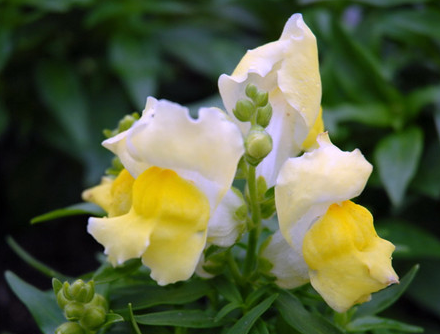
Snapdragon cultivation methods:
1. Variety selection
Snapdragons include varieties with larger plants as well as low-growing, abundantly flowering varieties. For potted snapdragons, it is best to choose varieties that are low-growing and produce abundant flowers, so that the ornamental value of the potted plant is higher.
2. Pot and soil selection
For snapdragons, it is best to use a breathable clay pot or plastic pot with a pot diameter of about 15 cm. The growing medium should be a loose, fertile, well-drained potting soil, or an even mixture of leaf mold, peat, and plant ash. Before planting, apply some dry livestock manure or cake fertilizer powder, with a little bone meal or superphosphate as a base fertilizer.
3. Water and fertilizer management
Snapdragons are usually given a topdressing once every 10 days. Snapdragons dislike waterlogged soil, but insufficient watering will likewise affect their growth and development. The correct approach is to keep the soil moist, and it is best to let it dry slightly between two waterings. In addition, when watering, try to avoid watering from above the plant, to reduce leaf surface moisture and the spread of disease by splashing water droplets.
4. Temperature and light
Snapdragon is a plant that enjoys full light. Under conditions of ample sunlight, snapdragons grow uniformly in height and bloom neatly and vividly. Under semi-shaded conditions, they grow taller and the flower color is paler. Supplementing light for 4 hours in winter can make snapdragons bloom earlier. For snapdragon cultivation, maintain a night temperature of 15°C and a day temperature of about 22-28°C. At 2-3°C, the flowering period is delayed, blind flowers increase, and cut flower quality declines.
5. Propagation methods
Snapdragons are mainly propagated by sowing and tissue culture.
How long is the snapdragon flowering period:
The flowering period of snapdragon is actually related to its planting time. If snapdragons are sown in spring or in spring and summer, their flowering time is generally from June to July, and from September to October, but at this time the snapdragon flowering period is relatively short.
In autumn, generally referring to snapdragons sown from late August to September, the flowering period is in the following year, usually concentrated from April to May, but after pruning, flowering can continue into autumn, and the flowering period is relatively long.
That is all for the introduction to snapdragon cultivation methods and flowering period. Have you learned something new now?
Snapdragon cultivation methods. Snapdragon cultivation methods, snapdragon picture appreciation
Snapdragon is also called dragon's head flower, lion flower, etc. It is a plant that is cold-tolerant but not heat-tolerant. Internationally, snapdragons are often used for potted plants, flower beds, windowsills, planting troughs, and indoor landscape arrangements. In recent years, it has often been used for cut flower appreciation. It is a flower with ornamental value, and nowadays it is very popular among people. So what are the cultivation methods for snapdragon? Next, let us take a look together with the editor.
Snapdragon is relatively sensitive to moisture, and the pot soil must remain moist. When potting seedlings, they must be watered thoroughly. When potting snapdragons, the pot soil should have good drainage and must not accumulate water, otherwise the root system will rot and the stems and leaves will turn yellow and wilt. Snapdragon is a light-loving herbaceous plant. Under conditions of ample sunlight, the plant is dwarf, compact in clumps, grows neatly, is uniform in height, blooms neatly, and has vivid flower colors.
In the eleventh century, snapdragon became the flower of the monk Saint John Calbett. From ancient times to the present, Christianity has had the custom of linking saints with specific flowers.
Snapdragon cultivation methods:
1. Sowing. The suitable temperature for germination is 15-20°C, and about 10°C at night, so sow from late September to early October.
2. Fertilizer and water. Apply a topdressing about once every 10 days.
3. Under conditions of ample sunlight, snapdragon plants grow neatly, are uniform in height, bloom neatly, and have vivid flower colors.
4. Temperature. Maintain a night temperature of 15°C and a day temperature of about 22-28°C.
Precautions for snapdragon cultivation:
1. The growing medium should be a loose, fertile, well-drained potting soil, or an even mixture of leaf mold, peat, and plant ash. Before planting, apply some dry livestock manure or cake fertilizer powder, with a little bone meal or superphosphate as a base fertilizer.
2. After planting, water thoroughly, and afterward water whenever the pot soil becomes dry.
3. After planting, water thoroughly, and afterward water whenever the pot soil becomes dry.
4. After flowering, water thoroughly once, and apply a thin liquid fertilizer about once every 10 days until the flower buds form. Usually, pay attention to watering appropriately, and in summer provide proper shading and cooling.
[More information]:
|What does a white rose represent|What plants protect against computer radiation|How to grow succulents|Indoor foliage plants|
|Efficacy and effects of Gynostemma pentaphyllum|Efficacy and effects of honeysuckle|Handmade roses|Epiphyllum pictures|
|Efficacy and effects of osmanthus tea|Cultivation methods for Serissa japonica|How to fold a lily|Lavender flowering period|
How to grow snapdragons so they bloom more? Snapdragon cultivation methods
It is once again the snapdragon flowering season. The flowers it produces are like lips, with a swollen base and brilliant colors, including white, light red, deep red, yellow, and all-king color, etc. They can be used for potted ornamental display and are suitable for us to use at noon only at home for viewing. Now, before the snapdragon blooms, how should we care for it? Next, let us study together with the editor.
If you want the snapdragons you grow to bloom, then we first need to know when they bloom and what time their flowering period is. The flowering of snapdragons is greatly related to their planting time. If we sow in spring or summer, then the flowering time is about from June to July, or from September to October.
So how should snapdragons be cultivated so they can produce more flowers? First, we need to know what kind of soil is suitable for snapdragon growth, because snapdragons have relatively high soil requirements. In addition to using loose, breathable, well-drained acidic soil when planting, we also need to pay attention to fertilizing it. During its flowering period, we must fertilize it in a timely manner. Its flowering period averages 15 days, and applying fertilizer once is enough, but it must be during the flowering period. Before it opens, do not fertilize, especially with nitrogen fertilizer, as this will cause the plant to grow leggy and make the flowers very difficult to open.
During the flowering period of snapdragon, we must water it in a timely manner and not let the potted plant become dry, because this will leave the plant without enough water, shorten the flowering period, and make the flowers wither. However, we also must not water it too much, because excessive watering easily causes waterlogging. On average, watering once every 2 to 3 days is enough. We can use a spray bottle to spray water mist to maintain air humidity.
Snapdragon is a plant and flower that likes light. Only under conditions of ample sunlight can it produce beautiful flowers. If there is not enough sunlight, snapdragons will grow leggy, affecting their flowering. In severe cases, snapdragons may even fail to bloom. Therefore, except in summer when the sunlight is strong and we need to provide special care, at ordinary times it is best to place it in the sunlight for cultivation, because this can ensure its normal growth.
At the same time, we still need to prune snapdragons appropriately. If you want snapdragons to bloom, appropriate pruning is very necessary. We need to pinch them, which is beneficial for branching. During the care process, cut off weak branches, dead branches, crossing branches, and overly dense branches. After each flowering, we need to promptly cut off the residual flowers and cut off the branches that have already bloomed, in order to promote the sprouting of new branches and extend the flowering period.
The above is the editor's summary of methods for cultivating snapdragons. Isn't it very simple? Snapdragon flowers are very beautiful, so friends who like them should not miss out!