How to grow torch lilies? Solutions for yellowing leaves
Torch lily, this flower really does look like a torch, and it is truly beautiful. What is the growing method for torch lilies? What to do if the leaves of torch lilies turn yellow:
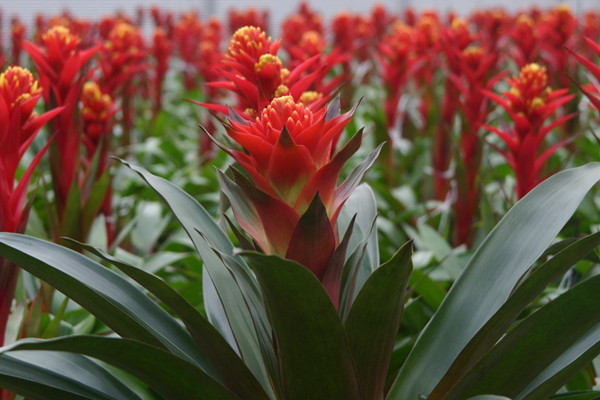
Growing methods for torch lilies:
1. Soil
Torch lilies are mostly grown in open ground or in pots. When potting, choose a spot sheltered from the wind and facing the sun. Before planting, deep-till the soil and apply organic fertilizer. For pot cultivation, the soil layer should be fairly deep, using fertile sandy loam with good drainage.
2. Light
Torch lilies like warmth and a location with ample light. If a potted torch lily is kept in a shady place for a long time, insufficient light will cause its leaves to turn yellow or even wither.
3. Temperature
Torch lilies are fairly cold-tolerant; in winter they can overwinter at temperatures above 5°C.
4. Watering
Torch lilies need long-term watering and fertilizing as they grow, otherwise growth will be slow. Divide the plants in early autumn; before dividing, apply plenty of base fertilizer, and take care to replenish the plant's nutrients to ensure it overwinters normally. In dry areas in winter and spring, water thoroughly before the ground freezes and cover the plants to prevent frost injury and death.
5. Fertilizing
When torch lilies grow flower stems, apply 2-3 foliar top dressings of monopotassium phosphate at a concentration of 0.1%, once every 1-2 weeks; or apply 2% superphosphate as a soil top dressing, which can increase the stiffness of the flower stems and prevent them from bending.
6. Pruning
After flowering, prune away the faded flower stems as early as possible so they do not set seed, to avoid the gradual loss of nutrients.
7. Diseases
Rust is the main disease of torch lilies; in the early stage of rust infection, lime-sulfur mixture can be sprayed for control.
What to do if the leaves of torch lilies turn yellow:
1. Caused by insufficient light
Insufficient light will cause the leaves of torch lilies to turn yellow. This is because torch lilies actually prefer an environment with ample light; when growing them you need to keep the light sufficient, and do not leave them in a hidden spot for a long time, as this will cause the leaves to turn yellow.
So when growing torch lilies, you must meet their light requirements; you can shade them, but do not overdo it.
2. Caused by poor air permeability of the potting soil
When growing torch lilies, if the potting soil used has poor air permeability, or if the soil is clayey and somewhat alkaline, it easily leads to soil compaction and poor root growth. When the roots do not grow well, the plant naturally is prone to problems and shows yellowing leaves.
So when growing torch lilies, be sure to choose loose, airy soil with good drainage, and do not use clayey soil.
3. Caused by other reasons
Yellowing leaves on torch lilies may actually also be caused by a lack of fertilizer or water accumulating in the pot. With a lack of fertilizer, torch lilies cannot get enough nutrients as they grow, and at this point they will show many adverse growth reactions, including yellowing leaves. Overwatering or poor drainage will cause water to accumulate in the pot, and this will cause the leaves to turn yellow.
So when growing torch lilies, watering and fertilizing must meet their needs, so they grow well and avoid the appearance of yellowing leaves.
That is all for the growing methods for torch lilies and how to deal with yellowing leaves. Hurry and try growing a torch lily yourself.
What to do if the leaves of torch lilies turn yellow
Yellowing leaves on torch lilies are caused by insufficient light
Insufficient light will cause the leaves of torch lilies to turn yellow. This is because torch lilies actually prefer an environment with ample light; when growing them you need to keep the light sufficient, and do not leave them in a hidden spot for a long time, as this will cause the leaves to turn yellow.
So when growing torch lilies, you must meet their light requirements; you can shade them, but do not overdo it.
Yellowing leaves on torch lilies are caused by poor air permeability of the potting soil
When growing torch lilies, if the potting soil used has poor air permeability, or if the soil is clayey and somewhat alkaline, it easily leads to soil compaction and poor root growth. When the roots do not grow well, the plant naturally is prone to problems and shows yellowing leaves.
So when growing torch lilies, be sure to choose loose, airy soil with good drainage, and do not use clayey soil.
Yellowing leaves on torch lilies are caused by other reasons
Yellowing leaves on torch lilies may actually also be caused by a lack of fertilizer or water accumulating in the pot. With a lack of fertilizer, torch lilies cannot get enough nutrients as they grow, and at this point they will show many adverse growth reactions, including yellowing leaves. Overwatering or poor drainage will cause water to accumulate in the pot, and this will cause the leaves to turn yellow.
So when growing torch lilies, watering and fertilizing must meet their needs, so they grow well and avoid the appearance of yellowing leaves.
Growing methods for torch lilies
Soil for growing torch lilies
Torch lilies are mostly grown in open ground or in pots. When potting, choose a spot sheltered from the wind and facing the sun. Before planting, deep-till the soil and apply organic fertilizer. For pot cultivation, the soil layer should be fairly deep, using fertile sandy loam with good drainage.
Light for torch lilies
Torch lilies like warmth and a location with ample light. If a potted torch lily is kept in a shady place for a long time, insufficient light will cause its leaves to turn yellow or even wither.
Temperature for torch lilies
Torch lilies are fairly cold-tolerant; in winter they can overwinter at temperatures above 5°C.
How to water torch lilies
Torch lilies need long-term watering and fertilizing as they grow, otherwise growth will be slow. Divide the plants in early autumn; before dividing, apply plenty of base fertilizer, and take care to replenish the plant's nutrients to ensure it overwinters normally. In dry areas in winter and spring, water thoroughly before the ground freezes and cover the plants to prevent frost injury and death.
How to fertilize torch lilies
When torch lilies grow flower stems, apply 2-3 foliar top dressings of monopotassium phosphate at a concentration of 0.1%, once every 1-2 weeks; or apply 2% superphosphate as a soil top dressing, which can increase the stiffness of the flower stems and prevent them from bending.
How to prune torch lilies
After flowering, prune away the faded flower stems as early as possible so they do not set seed, to avoid the gradual loss of nutrients.
Diseases of torch lilies
Rust is the main disease of torch lilies; in the early stage of rust infection, lime-sulfur mixture can be sprayed for control.
Torch lily is a flower with excellent ornamental value, generally planted in courtyards and on balconies, and also grown in pots to beautify indoor environments. Well, that is all for the growing methods for torch lilies. Flower lovers who are interested may as well check out other articles from our editor~