Complete Guide to Growing Moluccella laevis: Planting Methods and Blooming Period
Moluccella laevis is a plant that many people absolutely love to grow, and it is just that popular. Let's take a look at what its growing methods are like and when its blooming period is:
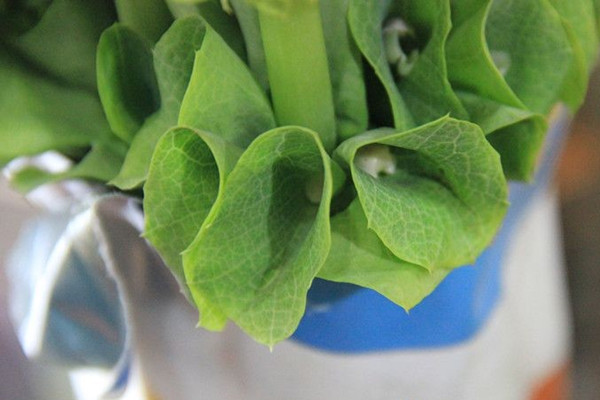
Growing methods for Moluccella laevis:
1. Choosing the pot and soil
When growing Moluccella laevis, the size of the pot needs to be decided according to the condition of the plant. Generally, for sowing, 10 to 15 seeds can be planted in a pot with a diameter of 15 cm. The soil needs to be fertile, well-draining potting soil, and not too sticky, otherwise it will affect the plant's growth. Garden soil with good drainage is sufficient.
2. Light and temperature
Moluccella laevis likes sunlight and prefers a warm living environment. During care, it needs to maintain sufficient light, but do not expose it to the sun in summer to avoid scorching. The suitable temperature for growth is 15°C——30°C.
3. Watering and fertilizing
In terms of water and fertilizer management, Moluccella laevis needs reasonable handling. During seed germination, it can be watered frequently. After the seedlings emerge and survive, normal watering and fertilizing can be carried out. Watering should be based on whether Moluccella laevis is short of water; if the soil is relatively moist, there is no need to water, and when watering, water thoroughly. Fertilizer can be applied once or twice a month, and fertilization should stop after blooming.
4. Propagation method
Moluccella laevis is mostly propagated by sowing, which can be done in spring, summer, or autumn. Ensure a suitable temperature, and it will germinate relatively quickly. When it grows to 6 leaves, it can be transplanted. When transplanting, it is best to transplant with soil. To obtain a good ornamental effect, planting can be done in batches.
The blooming period of Moluccella laevis:
When does Moluccella laevis bloom? Its blooming period is generally from June——July. Its flowers are actually relatively small, mainly white, and not very eye-catching. What attracts attention is its calyx, which is green and just like a shell, very beautiful.
That is all for the introduction to the growing methods and blooming period of Moluccella laevis. Hurry and grow one at home.
Growing Methods of Moluccella laevis and Its Uses
Moluccella laevis can also be called elephant's ear and collar flower, named because its leaves resemble shells and its flowers resemble collars. It is a plant of the genus Moluccella in the Lamiaceae family. Today we will tell you about the growing methods of Moluccella laevis and knowledge about its uses.
Growing methods of Moluccella laevis
Propagation: Moluccella laevis can be propagated by sowing. It is generally carried out in spring, summer, and autumn. If a uniform supply of flowers is needed for convenient viewing, sowing can be done in batches.
Pot and soil: The size of the flowerpot should be determined by the number of seeds. The seeds are triangular. Usually 10-15 seeds can be planted in a pot with a diameter of 15 cm. Moluccella laevis is suitable for cultivation in fertile, easily draining, loose soil. Sticky soil should be avoided, so as not to affect the development of the plant and slow its growth. For its cultivation soil, you can choose nutrient-rich vegetable garden soil that drains easily, water it thoroughly, and cover it with a thin layer of soil, keeping the moisture of the seedbed surface always within a suitable range.
Seedlings: After sowing the seeds, they will generally sprout in about 7-10 days. The seedlings are generally 10-15 cm and grow relatively slowly. Usually it takes 20 days to grow true leaves. When the number of true leaves reaches 5-6, they can be transplanted with soil. To promote branching, it needs to be pinched once.
Light: Moluccella laevis needs sufficient sunlight to facilitate the growth of the plant. Note that it must not be exposed to the sun in summer.
Temperature: The temperature when sowing Moluccella laevis is best at 15-25°C, which is conducive to germination. The temperature during the growth period is preferably 20-30°C.
Water and fertilizer: During the seed germination period, water once a day and place the flowerpot in a cool place. After transplanting and surviving, it needs more watering and fertilizing, applying fertilizer once every 15-30 days to promote growth until the plant blooms.
Pests and diseases: Moluccella laevis is relatively robust and easy to manage. It is not commonly affected by pests and diseases, but leaf miner pests should be prevented and controlled, as they occasionally occur.
Uses of Moluccella laevis
1. Ornamental landscaping
Many horticultural varieties of Moluccella laevis have been bred. Its calyx can be green, yellow, or white, with green being the most common. The flowers and leaves form a shell shape or something like a flat trumpet shape, with a unique form that gives a fresh and elegant feeling. Whether planted in the open or in pots, it has good ornamental value. In addition, it is a very good material for flower arrangements and can be made into dried flowers.
2. Purifying the air
As a green plant, Moluccella laevis also has a very good effect on regulating the air. One pot of Moluccella laevis can absorb 120 grams of carbon dioxide through photosynthesis and release 56 grams of oxygen, purifying indoor air.
Introduction to the growing methods of Moluccella laevis
Moluccella laevis
The flower color of Moluccella laevis is pure white, and the flower shape is rather peculiar, somewhat similar to morning glory. Because its appearance closely resembles a shell, it is called shell flower. It is often used as an accompanying flower in flower arrangements, simple and dignified. In recent years, the delicate and tender Moluccella laevis has also become a floral plant used by many families to beautify the environment. So do novice flower lovers also know the growing methods of Moluccella laevis? Let's learn about it in detail below.
I. Growth habits of Moluccella laevis
Moluccella laevis likes sunlight and well-draining soil, with fertile, loose, well-draining loam being best. The suitable temperature for sowing is 15-25°C. It likes sunlight and well-draining soil.
II. Growing methods of Moluccella laevis
1. Flowerpot
For potted cultivation of Moluccella laevis, the size of the flowerpot can be chosen according to the number of seeds. Generally, a flowerpot with a diameter of 15 cm can hold ten to fifteen Moluccella laevis seeds.
2. Soil
Moluccella laevis likes well-draining soil. Generally, first spread small stones at the very bottom, then spread sandy soil on top. Then scatter the seeds into the potting soil, cover them with a thin layer of sandy soil, and keep the soil moist.
3. Watering
During the seed germination period of Moluccella laevis, water once a day to ensure the seeds' absorption of water. At this time, place the flowerpot in a cool place and do not expose it to light. After the seeds germinate and sprout, adjust the watering time according to soil moisture. Do not water if not dry, and water thoroughly when watering.
4. Temperature
The suitable temperature for sowing Moluccella laevis is 15-25°C. Generally, Moluccella laevis will germinate in about one week to half a month.
5. Pinching
When Moluccella laevis seedlings are 10-15 cm tall, pinch once to promote branching.
6. Fertilizing
When Moluccella laevis grows to 5-6 true leaves, it can be transplanted. After transplanting and surviving, begin fertilizing once every half month, and stop fertilizing after Moluccella laevis blooms.
Moluccella laevis
III. Disease control of Moluccella laevis
Moluccella laevis rarely has diseases, but leaf miners sometimes occur, and attention should be paid to prevention and control.
IV. Uses of Moluccella laevis
1. Ornamental
The calyx of Moluccella laevis is mostly green, and there are also white and yellow ones. The calyx shape is like a small trumpet, and the flower shape is peculiar, fresh and elegant, with high ornamental value. Moluccella laevis is a very popular and important material for flower arrangements, and can also be used as dried flowers and for potted viewing. Keeping a potted Moluccella laevis at home can create an elegant and pure atmosphere for the entire home.
2. Purifying the air
Everyone knows that plant photosynthesis can absorb carbon dioxide and release oxygen, and Moluccella laevis is especially good at purifying the air. Each pot of Moluccella laevis can absorb 150 g of carbon dioxide and release 56 g of oxygen each year, making it a very green and environmentally friendly plant.
Editor's tips:Although Moluccella laevis likes light, it must not be exposed to direct sunlight during sowing! Just follow the steps above. Also, although Moluccella laevis likes moist soil, too frequent watering can cause root rot in Moluccella laevis. Watering should be arranged according to the actual situation.