Is Large-Leaf Lily of the Valley Poisonous? Detailed Guide to Growing It
Large-leaf lily of the valley is an evergreen plant, named "evergreen" because it stays green all year round. Evergreen is a symbol of good fortune and is especially suited to being grown indoors for viewing. Many people like to keep a pot of it at home; it is very pleasing to the eye. So let's talk about this large-leaf lily of the valley. How do you grow large-leaf lily of the valley? Is large-leaf lily of the valley poisonous?
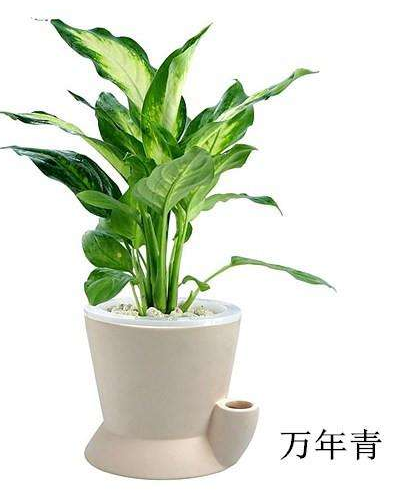
How to grow large-leaf lily of the valley:
Large-leaf lily of the valley is a fairly common plant, named for being evergreen all year round. Many people regard it as a symbol of good fortune. The leaves of large-leaf lily of the valley are rather thick and fleshy, and their color is emerald green, so the ornamental effect is very good. Therefore, large-leaf lily of the valley is quite suitable for growing indoors; it not only purifies the air but is also a good plant for decorating a room. Large-leaf lily of the valley has strong adaptability, so growing it is relatively simple. As long as you provide environmental conditions suitable for its growth, it will survive.
1. Growing large-leaf lily of the valley naturally needs to follow its growth habits. It likes warmth and moisture, is suited to growing in semi-shaded environments, is relatively cold-tolerant, and can grow in environments from 7 to 30°C. Large-leaf lily of the valley is native to southern China, but it has strong adaptability to the environment, and it is grown in all parts of our country.
2. Large-leaf lily of the valley is generally propagated by division. The planting time is usually when spring warms up; before new buds sprout, repot and divide, separating the rhizome together with the leaves into several clumps. Be careful to keep at least 4 to 5 leaves on each division, and place it in a semi-shaded environment for care. In summer, it should be placed where there is no sunlight. As an ornamental flower for the home, it can be placed under a balcony to avoid strong sunlight.
3. Large-leaf lily of the valley does not have very high requirements for soil; it has a certain tolerance for poor soil. Of course, soft, fertile soil is best, so that it can grow better and the flowers it produces will be more beautiful. Soil mixed from loam, leaf mold and sand is better for cultivation, as this both ensures soil nutrients and increases oxygen around the roots.
Is large-leaf lily of the valley poisonous?
The sap of large-leaf lily of the valley is poisonous. Its English name DUMB CANES means "dumb cane", referring to the toxicity of its stem; accidental ingestion will cause severe pain in the tongue and make it impossible to speak, so attention should be paid. When taking cuttings, do not let the sap contact the skin, and be especially careful not to get it into the mouth, otherwise it will cause itchy, painful skin or other poisoning symptoms. After handling, wash your hands with soap.
Try not to place it in the bedroom, because large-leaf plants consume relatively more oxygen at night, which will lower the oxygen content in a closed room! Placing it in the living room is still no problem!
Well, that is the introduction to large-leaf lily of the valley. Have you gotten to know large-leaf lily of the valley?
Is Large-Leaf Lily of the Valley Poisonous_How to Grow Large-Leaf Lily of the Valley
When growing plants in your living environment, you must understand their effects, advantages and disadvantages, and not focus only on appearance. Large-leaf lily of the valley is recognized for its ornamental value. Whether large-leaf lily of the valley is poisonous attracts a lot of attention. So below, the editor will guide everyone through some information: Is large-leaf lily of the valley poisonous? How do you grow large-leaf lily of the valley?
Is large-leaf lily of the valley poisonous?
Large-leaf lily of the valley does us no great harm, as long as you are careful not to touch it casually, because its sap and stem are poisonous; it is a toxic alkaloid, and contact with the skin will cause severe itching and dermatitis. If it is accidentally ingested, it will cause severe pain in the tongue and make it impossible to speak. You should try not to let your skin contact the plant, and be especially careful not to get it into your mouth, otherwise it will cause itchy, painful skin or other poisoning symptoms. Try not to place it in the bedroom, because large-leaf plants consume relatively more oxygen at night, which will lower the oxygen content in a closed room. It can be placed in the living room, balcony and similar locations.
How to grow large-leaf lily of the valley:
1. Soil: No matter what plant you grow, soil is extremely important. For large-leaf lily of the valley, use sandy loam rich in humus as the growing medium, with a pH of around 6.3. This kind of soil can be bought directly outside.
2. Light: Plants need light to grow better. Large-leaf lily of the valley grows in relatively shady environments, so in summer it should be placed in a shaded spot to avoid strong light; in winter, place it in a sunny, well-ventilated place.
3. Watering: Large-leaf lily of the valley has fairly strong vitality, but its daily water needs still require attention. Water once in the morning and once in the evening to keep the soil moist, and try not to water the plant at noon.
4. Fertilizing: For a plant to grow well, it also needs fertilizer. For large-leaf lily of the valley, apply decomposed liquid fertilizer once every 15 days or so; during the peak growing period, apply a top dressing once every 10 days, which can make the plant more vigorous.
5. Pruning: Large-leaf lily of the valley is a foliage plant. Yellow leaves, damaged leaves and some old leaves on the lower part of the plant should be pruned in time. Keep the plant's shape good and improve its ornamental value.
Growing Methods and Precautions for Large-Leaf Lily of the Valley with Pictures
Large-leaf lily of the valley is a fairly common plant, named for being evergreen all year round. Many people regard it as a symbol of good fortune. The leaves of large-leaf lily of the valley are rather thick and fleshy, and their color is emerald green, so the ornamental effect is very good. Therefore, large-leaf lily of the valley is quite suitable for growing indoors; it not only purifies the air but is also a good plant for decorating a room. Large-leaf lily of the valley has strong adaptability, so growing it is relatively simple. As long as you provide environmental conditions suitable for its growth, it will survive. Below is an introduction to related content about large-leaf lily of the valley pictures.
Growing methods for large-leaf lily of the valley
Propagation methods
For propagation, the division method is usually used, though sowing can also be used. Division method: generally carried out in February to March together with repotting; divide the clumping plant into several divisions with roots and plant them separately. They can also be divided and planted in other seasons. After 3 years, they can be divided again. Sowing method: generally carried out in March to April. Sow in a flowerpot filled with growing medium; after watering, temporarily place it in a shaded spot and keep it moist. At 25-30°C, it will germinate in about 25 days.
Temperature and light
In summer, when growth is vigorous, it needs to be placed in a shaded spot to avoid strong light; otherwise, it easily causes dry leaf tips and scorched edges, affecting the ornamental effect. How do you care for evergreen in winter? Evergreen needs to be moved indoors for the winter and placed in a sunny, well-ventilated place, with the temperature kept at 6-18°C. If the room temperature is too high, it easily causes excessive leaf growth, consuming large amounts of nutrients, so that growth is weakened the following year and normal flowering and fruiting are affected.
Planting method
For potted evergreen, it is best to use sandy loam rich in humus as the growing medium. For how to grow evergreen, the soil pH should be between 6-6.5, which is more conducive to fully exerting the effectiveness of nutrients and suitable for the plant to flower and fruit. Repot once every year in March to April or October to November. When repotting, remove aged rhizomes and persistent dead leaves, and plant with fertilized acidic cultivation soil. After potting, place it in a shaded spot for a few days.
Fertilizing and care
During the growth period, apply decomposed liquid fertilizer once every 20 days or so. For how to grow evergreen, in early summer when growth is more vigorous, apply liquid fertilizer as a top dressing about once every 10 days; a small amount of 0.5% ammonium sulfate can be mixed into the top dressing, which can promote better growth and make the leaf color deep green and glossy. For how to grow evergreen, during the vigorous flowering period from June to July, apply a 0.2% potassium dihydrogen phosphate aqueous solution once every 15 days or so to promote flower bud differentiation and help it flower and fruit better.
Is large-leaf lily of the valley poisonous?
The sap of large-leaf lily of the valley is poisonous. Its English name DUMB CANES means "dumb cane", referring to the toxicity of its stem; accidental ingestion will cause severe pain in the tongue and make it impossible to speak, so attention should be paid. When taking cuttings, do not let the sap contact the skin, and be especially careful not to get it into the mouth, otherwise it will cause itchy, painful skin or other poisoning symptoms. After handling, wash your hands with soap.
Try not to place it in the bedroom, because large-leaf plants consume relatively more oxygen at night, which will lower the oxygen content in a closed room! Placing it in the living room is still no problem!
The effects of large-leaf lily of the valley
Functions and indications: clearing heat and detoxifying, reducing swelling and relieving pain. Used for dog bites, snake bites, sore throat, urethritis, enteritis, cough due to lung heat. For external use, it treats carbuncles, sores and swellings, and rectal prolapse in children.
Nature and flavor: cold in nature, bland in flavor; one source says it is toxic.
"Luchuan Materia Medica": bitter, cold.
Guangzhou Unit "Handbook of Commonly Used Chinese Herbal Medicines": bland and slightly bitter, cold.
Functions: cooling and detoxifying, promoting urination and relieving strangury.
"Luchuan Materia Medica": anti-inflammatory, diuretic. Treats asthma, scalds and burns, and bites by rabid dogs.
Guangzhou Unit "Handbook of Commonly Used Chinese Herbal Medicines": clearing heat and cooling blood, reducing swelling and drawing out toxins, relieving pain. Treats snake bites, sore throat, rectal prolapse in children, and boils, sores and swellings.
Main indications, dosage and usage of large-leaf lily of the valley
1. Painful urination, blood in urine: use 2 whole fresh plants (do not use more), decoct in water, and take with white sugar water;
2. Carbuncles and sores: use the whole plant, add slab sugar and mash thoroughly, apply to the affected area; dog bites, poisonous insect bites: use as above.
(Formula song) Evergreen clears strangury and detoxifies, do not be alarmed by blood in urine and painful strangury; for sores, dog bites and poisonous insect bites, mash and apply to clear the toxins.
What is introduced above is the cultivation method of large-leaf lily of the valley. The propagation methods of large-leaf lily of the valley are mainly division or sowing. If the plant is cared for properly, the speed of propagating seedlings is relatively fast, so the division method is simpler. Large-leaf lily of the valley likes warm, humid environments. It is recommended that if grown indoors, it is best placed in a spot with plenty of sunlight, but in hot seasons direct sunlight should still be avoided. Water is also relatively important; it is best to keep the soil moist at all times.