What to Do When Sago Palm Leaves Grow Too Long and Turn Yellow
Sago palm (Cycas revoluta) is a plant that is generally grown for ornamental purposes, and growing it well is not so easy. What should you do when sago palm leaves grow too long? What should you do when sago palm leaves turn yellow:
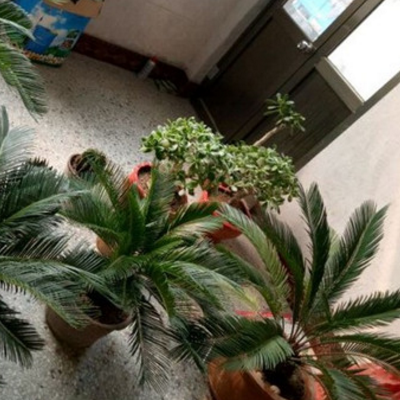
What to do when sago palm leaves grow too long:
1. Insufficient light
The main reason sago palm leaves grow too long is actually insufficient light. When placing a sago palm, putting it in too shady a spot prevents it from receiving adequate light, causing excessive leaf growth that is thin and long, which affects its ornamental value.
If you want sago palm leaves to grow normally, it must receive adequate light. It is best to place it in a sunny spot indoors, not in a dark indoor location.
2. Improper watering and fertilizing
When growing a sago palm, if water and fertilizer are not properly controlled, leaves can easily grow rampantly. The cause may be overwatering without timely water control, or overfertilizing, especially applying too much fertilizer during the leaf-emergence period.
When sago palm leaves are growing, do not water too frequently; generally watering once every 10 days is enough, and you can mist frequently. As for fertilizing, do not do it too often and do not use too strong a concentration. Generally wait until the sago palm's leaves have matured before resuming normal water and fertilizer management.
What to do when sago palm leaves turn yellow:
One: Insufficient light
During the period when a sago palm is growing new leaves, it must be kept in full sun until the leaves harden, after which it can be moved to a semi-shaded spot. If adequate light cannot be ensured during the growing period, the leaves easily turn yellow.
Two: Improper watering
Improper watering falls into two categories: overwatering and underwatering. During the new-leaf growing period of the sago palm, adequate water must be provided, but the potting soil must never be kept wet for long periods, otherwise the roots easily become oxygen-deprived, leading to poor plant growth and yellowing leaves. Of course, lack of water can also cause leaves to turn yellow, with the specific symptom being leaves turning yellow from the bottom up, with old leaves yellowing first. If water is not given in time, the whole plant's leaves will turn yellow, and it may even die.
Three: Improper fertilizing
If too much fertilizer is applied, or the fertilizer concentration is too high, sago palm leaves can also turn yellow. The symptom is young leaves that are thick and glossy with an uneven surface. The remedy is to control fertilizer use, cultivate the soil, and water moderately. If the yellowing starts first at the young leaves and tender stems of the sago palm, it is very likely caused by insufficient fertilizing combined with too long an interval between applications. At this point, fertilizer must be applied in time, otherwise the whole plant's leaves will turn yellow and it may even die. Note that you must never apply a large amount of concentrated fertilizer at once, as this will burn the roots.
Four: Alkaline soil
Sago palms like slightly acidic sandy soil, and soil becoming alkaline can also make the leaves turn yellow. You can water the potting soil with a 500-fold dilution of ferrous sulfate solution, once a week, for several consecutive waterings, which can ease the degree of leaf yellowing.
Five: Pests and diseases
Pests and diseases are also one of the causes of sago palm leaves turning yellow. Carefully check the leaves for red spider mites, scale insects, and so on, and spray pesticide promptly for appropriate control. If yellow spots appear on the leaves, you can spray carbendazim and similar fungicides to kill the germs.
That covers the methods for dealing with sago palm leaves growing too long and leaves turning yellow. Still, pay attention.
What to do when sago palm leaves turn yellow
Sago palm is an evergreen plant. Its stems are fairly thick and sturdy, and the plant can reach a height of 8 m. The flowering period is from July to August. It is dioecious, with male flowers on the inner side of the leaves and female flowers at the top of the stem. Sago palms are relatively easy to cultivate, but during care, leaf yellowing and scorched leaf tips often occur, affecting their ornamental value. Here we particularly want to discuss the "five precautions" in sago palm care.
Prevent iron deficiency. Sago palms like iron. When potted, because the soluble iron in the potting soil is limited, iron fertilizer must be supplemented regularly to prevent iron-deficiency chlorosis. The method is to spray 0.2% ferrous sulfate every two to three weeks, or add 0.5% ferrous sulfate when fertilizing. If you place scrap iron on the surface of the potting soil and let it rust, allowing the iron to seep into the pot, this can also help prevent iron-deficiency chlorosis.
Prevent insufficient or excessive light. The sago palm is a sun-loving species, but under continuous high temperatures and scorching sun, the leaves are easily sunburned, causing dry tips and yellowing, especially when new leaves have not yet unfurled, when proper shading is even more important. However, if kept in a dark place for a long time, the leaves will also become less green and their ornamental value will decrease. Therefore, in spring, autumn, and winter, the sago palm should be placed in a spot with abundant sunlight, while in summer it should be moved to a cool place, or placed on a shaded balcony or windowsill, to avoid strong light exposure.
Prevent uneven moisture in the potting soil. The sago palm's fleshy roots can tolerate moderate drought but not waterlogging, so when growing it the potting soil can be kept on the drier side. If the potting soil stays too wet for long, it weakens root respiration and affects the absorption of water and inorganic salts, causing leaves to wither from the bottom up; in severe cases the roots gradually turn black and the plant dies. Of course, the potting soil must not be too dry either, otherwise the leaves will also fade and turn yellow, and the whole plant may even die. The principle for watering is "dry then wet" (that is, after watering once, wait until the potting soil is dry before watering a second time): do not water until dry, and when you water, water thoroughly. Especially in winter, if the potting soil is not dry, there is no need to water, which can prevent yellowing caused by improper watering.
In addition, because indoor air humidity in northern China is relatively low in winter, sago palm leaves often become dull and lusterless, with scorched leaf margins or dry leaf tips. Therefore, measures such as frequently spraying the leaves, spraying the ground, or misting the air should be taken to increase air humidity.
Prevent heavy, sticky soil. Sago palms are not demanding about soil, but they like well-drained, loose, fertile sandy soil and should not be grown in poorly drained clay soil, otherwise oxygen deprivation will cause root rot and chlorosis, and even decline and death. For potting soil, you can mix 6 parts garden soil, 3 parts leaf mold, and 1 part rice husk ash.
Prevent freezing. Sago palms like warmth and fear cold, and suffer freeze damage when the temperature drops below 0°C. In areas north of the Huai River in China, winter temperatures are often below 0°C, and the sago palm's fleshy roots are very easily damaged by freezing, causing leaves to turn yellow and even the whole plant to decline and die. Therefore, in winter, pay attention to freeze protection and keeping warm, so that the overwintering temperature is not lower than 5°C. In addition, repotting and changing the soil too early during the sago palm's dormant period in February and March can also easily subject it to freeze damage, causing scorching.
In addition, one more thing to remind gardening friends: sago palms are prone to scale insect damage in poorly ventilated conditions, and the chlorophyll is sucked out of the damaged areas, which can also cause leaves to turn yellow, so control it promptly. Thank you all for your support of and interest in Duorou Huapu!
Causes of sago palm leaves turning yellow and their solutions
Causes of sago palm leaves turning yellow and their solutions
Cause one: Insufficient light
During the period when a sago palm is growing new leaves, it must be kept in full sun until the leaves harden, after which it can be moved to a semi-shaded spot. If adequate light cannot be ensured during the growing period, the leaves easily turn yellow.
Cause two: Improper watering
Improper watering falls into two categories: overwatering and underwatering. During the new-leaf growing period of the sago palm, adequate water must be provided, but the potting soil must never be kept wet for long periods, otherwise the roots easily become oxygen-deprived, leading to poor plant growth and yellowing leaves. Of course, lack of water can also cause leaves to turn yellow, with the specific symptom being leaves turning yellow from the bottom up, with old leaves yellowing first. If water is not given in time, the whole plant's leaves will turn yellow, and it may even die.
Cause three: Improper fertilizing
If too much fertilizer is applied, or the fertilizer concentration is too high, sago palm leaves can also turn yellow. The symptom is young leaves that are thick and glossy with an uneven surface. The remedy is to control fertilizer use, cultivate the soil, and water moderately. If the yellowing starts first at the young leaves and tender stems of the sago palm, it is very likely caused by insufficient fertilizing combined with too long an interval between applications. At this point, fertilizer must be applied in time, otherwise the whole plant's leaves will turn yellow and it may even die. Note that you must never apply a large amount of concentrated fertilizer at once, as this will burn the roots.
Cause four: Alkaline soil
Sago palms like slightly acidic sandy soil, and soil becoming alkaline can also make the leaves turn yellow. You can water the potting soil with a 500-fold dilution of ferrous sulfate solution, once a week, for several consecutive waterings, which can ease the degree of leaf yellowing.
Cause five: Pests and diseases
Pests and diseases are also one of the causes of sago palm leaves turning yellow. Carefully check the leaves for red spider mites, scale insects, and so on, and spray pesticide promptly for appropriate control. If yellow spots appear on the leaves, you can spray carbendazim and similar fungicides to kill the germs.