How to Grow and Use Catnip
Catnip is something many people know about. This catnip is mainly for cats. How do you use catnip? How do you grow catnip:
How to use catnip:
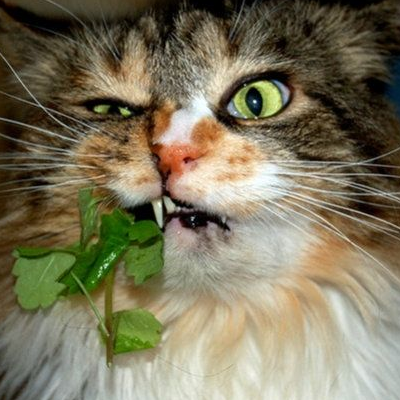
Catnip has a cool, refreshing scent. Dry this plant and grind it into powder, put it inside a cat toy, and you will see the cat go crazy! About 50% of cats are very interested in the smell of the leaves and like to grab and bite them, but this does not mean cats must eat catnip to stay healthy. In fact, catnip is a plant that causes hallucinations. After eating it, some cats show temporary (5-15 minutes) behavioral changes, and catnip is not addictive either. In short, catnip has no real benefit or harm to a cat's health.
The roots and leaves have a minty scent and repel mice and beetles. In China it is popularly used to make tea. The leaves and flowering stem tips can treat colds, nausea, fever, headaches and itchy scalp. Because cats especially love this plant, pet toys made from its dried leaves sell in huge quantities abroad.
Pet stores in China sell small linen bags filled with catnip and cat scratching boards with catnip powder included, and cats will lose themselves in these toys. Abroad, pet stores not only sell mouse toys stuffed with catnip and crushed catnip, but also canned catnip seeds and soil that you can take home and grow yourself, so cats can eat fresh catnip. Catnip not only makes cats crazy and happy, it also helps them cough up hairballs.
The effect of catnip is very short-lived. It will not make cats addicted, nor does it have side effects. About 70% of cats react to the smell of catnip. When they get a toy or catnip plant with catnip, they will press their heads against it and rub and rub, then roll on the ground in a daze, spin around, even drool, and lick and eat the catnip. But before long, they suddenly snap alert, seem quite embarrassed by their earlier loss of composure, and walk away pretending nothing happened.
How to grow catnip:
1. Soil: Catnip spreads strongly, so it is best to plant it in a flower pot, but the pot must not be too small, otherwise its growth will be affected. The soil mix is one third humus soil and two thirds garden soil.
2. Watering: In summer, water every day, because summer temperatures are high and mint likes moisture; in winter, control the water.
3. Light: Full sun is best. Insufficient light will cause leggy growth. Dear, remember to give it sun.
4. It is usually propagated by water cuttings. Cut some branches and put them in water; rooting ability is very strong.
5. Flowering: If you care for it well, it will reward you too. It produces small light purple flowers. Also, do not be reluctant to prune it; the more this plant is pruned, the better it grows.
That is all for the introduction to catnip growing methods and uses. Try it now, a special remedy for that little demon of a cat.
How to Grow Catnip: Catnip Growing Methods and Precautions
When catnip is mentioned, everyone will surely think of cats right away! In fact, catnip really does have countless ties with cats. Many people jokingly call catnip "cat drugs," because after cats use catnip they show all kinds of hilarious "drugged" states. So how exactly do you grow this fascinating catnip? Let's learn about it together below!
How to grow catnip
1. Sowing
Catnip can be sown directly from seed, 1-3 seeds per hole. After sowing, the seeds can be covered with vermiculite. If the temperature is between 18-22 degrees, they can sprout in 10-14 days. After sowing, avoid direct sunlight and place them in a shaded spot.
2. Germination
You can prepare a tray, put soil in the tray, then put the seeds into the tray and spray some water evenly. Then place the tray in an incubator, set the incubator to 25 degrees, and after 24 to 30 hours of constant-temperature culture, the catnip will sprout.
Catnip growing methods
1. Soil: Catnip is suited to well-drained soil. Fertilizing can be moderate; apply some slow-release fertilizer as appropriate, then apply a thin liquid fertilizer once or twice a week. Catnip is best planted in a moderately sized flower pot; the pot must not be too small, because if the pot is too small it will affect its growth. The soil mix is one third humus soil and two thirds garden soil.
2. Sowing: Catnip can be sown directly from seed, 1-3 seeds per hole. After sowing, the seeds can be covered with vermiculite. If the temperature is between 18-22 degrees, they can sprout in 10-14 days. After sowing, avoid direct sunlight and place them in a shaded spot.
3. Germination method: You can prepare a tray, put soil in the tray, then put the seeds into the tray and spray some water evenly. Then place the tray in an incubator, set the incubator to 25 degrees, and after 24 to 30 hours of constant-temperature culture, the catnip will sprout.
4. Watering: When summer temperatures are high, water every day. Mint likes moisture, and in winter you should control water. The suitable temperature for seed germination is 15-20°C, and seed viability is generally 1 year. The root system is quite sensitive to moisture, so guard against waterlogging; between two waterings, let the pot soil dry out completely.
5. Light: Full sun is best. Insufficient light will cause leggy growth.
Precautions for growing catnip
1. Pruning
Catnip is very vining, so it is best to plant it in a flower pot, but catnip must be pruned regularly. The more frequently it is pruned, the better it grows, and it will produce small blue-purple flowers, so be a diligent gardener.
2. Pest and disease control
Generally, catnip is not affected by pests or diseases, so there is usually no need to use insecticides. Just water once with a fungicide after transplanting.
The effect of catnip on cats and felines
About 50% of cats are very interested in the smell of the leaves and like to grab and bite them, but this does not mean cats must eat catnip to stay healthy. In fact, catnip is a plant that causes hallucinations. After eating it, some cats show temporary (5-15 minutes) behavioral changes, such as sneezing, chewing, rubbing, rolling, meowing, and babbling. Some cats chase imaginary mice after eating catnip; others sit blankly staring into space. These behaviors do not cause any harm, and catnip is not addictive. In short, catnip has no real benefit or harm to a cat's health. There are examples showing that catnip also affects tigers, jaguars, cheetahs and lynxes. But its effect on lions seems limited.
As mentioned above, friends who have pet cats at home can grow a pot of catnip! Letting your little cat use it occasionally lets you see very funny scenes. However, every cat reacts differently to catnip; some become extremely happy and excited, so if you have several cats at home, it is best not to let them use it together, or they may end up scuffling.
How to grow lemon catnip? Introduction to lemon catnip growing methods
Lemon catnip is a perennial herbaceous plant and an improved variety of common catnip. It has a very strong lemon scent, even stronger than the lemon scent of lemon balm. Unlike catnip, some cats are not very interested in lemon catnip. Beginner flower growers may not know how to care for it, so let's take a quick look below.
Cultivation:Give it plenty of sunlight and good ventilation. Because lemon catnip likes a cool environment, it needs appropriate shade in summer. Lemon catnip likes well-drained sandy loam or deep loam. Fertilize once during the growing season and water thoroughly. At other times, just keep the soil slightly moist; do not let water accumulate.
Lemon catnip can be sown, usually sprouting in one to two weeks, and reaching maturity in about three months. Common flower colors are white and light pink. When sowing, it is recommended to space them farther apart, which helps later growth.
As for eating lemon catnip, some flower growers may think lemon catnip is for cats to eat, but it is actually edible. It can be added in appropriate amounts to tea, milk tea and coffee, and it will give a rich lemon flavor. In addition, its roots and leaves have a minty scent and repel mice and beetles. In China it is popularly used to make tea. The leaves and flowering stem tips can treat colds, nausea, fever, headaches and itchy scalp. Because cats especially love this plant, pet toys made from its dried leaves sell in huge quantities abroad.
Summary: The above is an introduction to lemon catnip growing methods. We hope it is helpful to everyone.