What plant is the "Computer Baby"? Detailed guide to growing it
The "Computer Baby" - I thought it was a person, but it turns out it's not; this "Computer Baby" is a plant. What plant is the "Computer Baby"? What are the growing methods for the "Computer Baby":
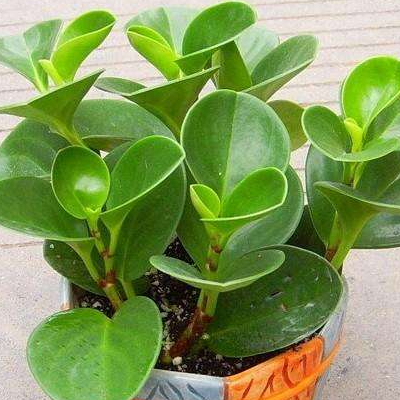
What plant is the "Computer Baby":
The "Computer Baby" is what we call Peperomia obtusifolia (baby rubber plant).
How to grow the "Computer Baby":
Substrate preparation: Use imported peat of 5-40mm grade that is loose, well-draining and well-aerated. Crush the peat and mix evenly with water (standard for adding water: after mixing with water, when you tightly squeeze a handful of peat, water seeps out from between your fingers). Then it is ready for potting. A 9cm pot uses about 200ml of peat per pot; one 300-liter bag of imported peat can fill about 1,500 cups.
Potting: For reused old pots, they must be soaked in a 1000-fold potassium permanganate solution for more than half an hour, then rinsed with clean water and dried for later use; new pots can be used directly. Generally, plant first in smaller pots (9cm plastic pots). When planting, first place a suitable amount of substrate at the bottom of the cup, then move the screened seedlings into the cup. Small seedlings can be planted a bit deeper, with the base of the plant slightly above level being appropriate, 1 clump/pot; the substrate should be moderately firm, filled to 9/10 of the cup, then gently shake the pot soil; water with half-soaked settling water or just surface water.
1. The suitable temperature for the "Computer Baby" is between 18-32°C, with 20-28°C being the most suitable. When caring for it indoors, provide appropriate shade in summer and give sufficient light in other seasons, so you can get a robust plant.
2. The principle for watering throughout the year is: when the surface soil looks dry, water thoroughly. Only when the temperature drops below 15°C should you wait one or two days after the surface soil dries before watering thoroughly.
3. First, it is caused by the indoor temperature being below 10°C or by brief exposure to cold wind at a window. Second, it is because when the room temperature is below 18°C and above 8°C, growth is slow, and watering was not done when the surface soil was dry; that is, the potting soil was still wet when watered!!
4. In addition to the above, persist in spraying water on the leaves to prevent dust from accumulating and to prevent the invasion of diseases.
That's all for the introduction to the "Computer Baby." Have you learned something new? Hurry and get a Peperomia obtusifolia (baby rubber plant) for your home.
"Computer Baby" pictures and growing methods for the "Computer Baby"
When it comes to the "Computer Baby," I believe everyone will understand it as some pictures for a computer desktop. For people who do not know about the "Computer Baby," they simply do not know that the "Computer Baby" is actually a plant. Nowadays, people use computers more and more, and this also brings various problems. For example, sitting next to a computer for a long time can affect our spine, and for another example, computer radiation can cause discomfort in our bodies. Placing a "Computer Baby" next to the computer can reduce the harm of radiation. So let's take a look below at "Computer Baby" pictures and growing methods for the "Computer Baby."
"Computer Baby" pictures and growing methods for the "Computer Baby"
Substrate: It likes to grow in loose, fertile, well-draining sandy soil rich in humus, and grows poorly in clay. Generally, the substrate can be prepared by mixing leaf mold + river sand + a small amount of decomposed organic fertilizer. If conditions permit, a mix of peat soil and perlite can be chosen for cultivation. Light: It likes semi-shade or scattered light. Apart from needing sufficient light in winter, it needs a little shading in other seasons, especially in summer when shading is even more necessary. If placed in a shaded environment, it is prone to leggy growth, increased spacing between branches, and reduced ornamental value, which is also not advisable. Under semi-shade conditions, the leaf color is brighter and the gloss is better, especially for variegated varieties, which have a slightly higher demand for sunlight.
Temperature: It likes a warm environment. The suitable growth temperature is between 20-30°C. The overwintering temperature is best kept above 10°C. Growth stops below 10°C, and below 5°C it is prone to frost damage. Humidity: It likes a moist growing environment. Under high-humidity conditions it grows luxuriantly and the leaf color is vivid. When the temperature is high or the air is dry, strengthen leaf spraying or sprinkle water in the growing environment to maintain relatively high air humidity, which is extremely beneficial to plant growth. It can also adapt to short periods of dry environment, but not for long; generally it should be kept at around 70%.
The role of the "Computer Baby"
The "Computer Baby" specifically refers to a plant whose botanical name is "Qingye Biyu," also called "Doubanlv" (Peperomia obtusifolia). Qingye Biyu is native to the West Indies, Panama, and northern South America, and was later introduced to China, where it is generally used as a potted ornament. Placed on an office desk, it is beautiful, fresh and pleasing to the eye, and has a certain purifying effect on formaldehyde, xylene, and secondhand smoke in the air. Experts say that "Computer Baby" radiation protection is a gimmick. It, like plants such as cactus and aloe, does indeed have relatively strong radiation resistance, but it cannot absorb computer radiation, because computer electromagnetic radiation travels in straight lines, and it can only play a blocking role; it is impossible for it to draw electromagnetic radiation over. So far, no research has shown which plant can protect against computer radiation. Generally, plants mainly play a role in purifying the air.
Actually, when it comes to the "Computer Baby," everyone has different views. For some people, the "Computer Baby" actually includes those miniature potted plants placed next to computers to protect against radiation, such as some Radermachera sinica, Podocarpus macrophyllus, and Pachira aquatica, and so on. But no matter what, the "Computer Baby" is a potted plant placed next to a computer. Some people say that the "Computer Baby" actually has no radiation protection effect, but there is no certain basis for this. In short, placing a miniature potted plant next to a computer is still a good choice.
Growing methods for the "Computer Baby"
Many flower lovers have bought the “Computer Baby” plant, but do not know how to grow the "Computer Baby." Before teaching flower lovers how to grow the "Computer Baby," first tell flower lovers about the origin of the "Computer Baby," so that flower lovers can not only know how to grow the "Computer Baby," but also grasp a bit more information about the plant.
How to grow the "Computer Baby"
1. Watering:It likes moisture. During the growing period from May to September, water more. In hot weather, spray or sprinkle water on the leaf surface to maintain relatively high air humidity and keep the clear patterns on the leaves and the emerald green leaf color.
2. Fertilizing:Flower lovers who have the conditions can fertilize once a month until overwintering
3. Soil:Peperomia obtusifolia requires loose, fertile, well-draining soil, which can be prepared by mixing river sand, mud surface material, and leaf mold.
4. Temperature:It likes warmth. The suitable growth temperature is around 25°C, and the overwintering temperature should not be lower than 5°C.
5. Light:Peperomia obtusifolia avoids direct sunlight and is suitable for growing in semi-shade, so a protected environment can be in the living room or on an office desk, but it is not suitable for places with strong light such as a balcony.
Care instructions:
1. The suitable temperature for the "Computer Baby" is between 18-32°C, with 20-28°C being the most suitable. When caring for it indoors, provide appropriate shade in summer and give sufficient light in other seasons, so you can get a robust plant.
2. The principle for watering throughout the year is: when the surface soil looks dry, water thoroughly. Only when the temperature drops below 15°C should you wait one or two days after the surface soil dries before watering thoroughly.
3. First, it is caused by the indoor temperature being below 10°C or by brief exposure to cold wind at a window. Second, it is because when the room temperature is below 18°C and above 8°C, growth is slow, and watering was not done when the surface soil was dry; that is, the potting soil was still wet when watered!!