Is Lantana camara poisonous? Causes of yellowing leaves and how to deal with them
Lantana camara is something many people absolutely love, and this lantana is just that endearing. Is lantana poisonous? What should you do if the lantana leaves turn yellow:
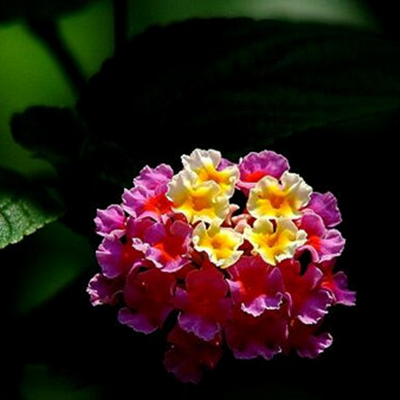
Is lantana poisonous:
There was once a pot of lantana placed before me, and I cherished it, touching it with my hand, and as a result, I ended up in the hospital! The doctor told me that the leaves and flowers of lantana contain certain toxins, and excessive touching can cause skin itching, especially for people with more sensitive skin.
The doctor also said it was lucky I had not cherished it so much that I ate the lantana, otherwise it would not have been as simple as just skin itching. Swallowing lantana can cause vomiting, diarrhea, difficulty breathing and other serious consequences. The doctor asked whether there were children or pets at home, and I said, at home, it is just me, a single dog! The doctor sighed and said, that is good then. Otherwise, children and pets touching the lantana would also cause discomfort, and it saves a lot of trouble. I…
In summary, lantana is poisonous. But the doctor also said that as long as I take a little care, I do not have to throw the lantana away.
What to do if the lantana leaves turn yellow:
1. Cut off the withered leaves
Cut off the yellowed leaves of the lantana, then add a layer of garden soil at the base, so that the roots of the plant can be protected. When the weather turns warmer, follow up with watering and fertilizing together, and the plant will quickly thrive again.
2. Increase light
No matter whether it is spring, summer, autumn or winter, lantana needs sufficient light. Indoor-grown plants should also often be moved to a place with sufficient light for photosynthesis. In places with long periods of rainy weather, avoid rain exposure and take the time to let the plant get some sun.
Lantana is poisonous, so be careful not to place it where there are small children. If the leaves of this lantana turn yellow, they still need to be dealt with.
Catharanthus roseus flower language, Catharanthus roseus pictures
Catharanthus roseus, because it blooms continuously from spring to autumn, has the beautiful name "daily spring." Precisely because of this, it is also deeply loved and sought after by flower lovers, and today's Catharanthus roseus is also widely used in indoor potted plants. As an ornamental plant and flower with relatively high value, I believe many friends will ask about cultivation methods, flower language, and flower functions, and so on. So the editor will briefly introduce relevant information about Catharanthus roseus here.
[Plant profile]
—————————————————————————————————————————
Chinese name:Catharanthus roseus
Scientific name:Herba Catharanthi rosei
Aliases:Daily spring, daily grass, daily new, four-season spring, clock flower, Yanlaihong, lantana, four-season flower, red Catharanthus roseus
Family:Apocynaceae
Genus:Catharanthus
Growing environment:Mostly grows at forest edges, roadsides, beaches and in grassy areas of gardens, mostly cultivated
Origin and distribution:Native to the Mediterranean coast, India, and tropical America; cultivation is relatively common in Guangdong, Guangxi, Yunnan and other provinces (autonomous regions) in China.
Morphological characteristics:Perennial evergreen herb. Clump-forming, stems slender, prostrate or flat-lying, can reach more than 1 m in length, leaves opposite, elliptical or ovate, apex acute, green, glossy, with golden yellow and grayish green markings between the leaf margin and veins, blooms in April to May, flowers solitary in leaf axils, blue, corolla salverform.
【More plant encyclopedia】
Symbolic meaning of lilies Platycodon grandiflorus pictures How to grow Anthurium Statice Radermachera sinica pictures How to grow moss Radiation-resistant flowers
Plectranthus amboinicus Cactus When do cherry blossoms bloom Potted grapes Which plants absorb formaldehyde Gardenia leaves turning yellow How to grow spider plants
Calla lily flower language How to grow Bambusa multiplex How to grow hyacinths Potted lotus Zamioculcas zamiifolia blooming Radiation-resistant plant Begonia semperflorens
[Traditional Chinese medicine properties]——————————————————————————————————————————————
[Nature and flavor]Bitter; cold in nature; toxic
[Meridian entry]Liver; kidney meridians
[Efficacy]Detoxifying and anti-cancer; clearing heat and calming the liver.
[Indications]Mainly treats various tumors, hypertension, carbuncles, swellings and sores, and burns.
[Medicinal source]The whole herb of the Apocynaceae plants Catharanthus roseus and Catharanthus roseus 'Flavus'.
[Usage and dosage]Oral use: decocted in water, 5-10 g; or make the extract into
【Medicinal parts] Morphology same as Catharanthus roseus, only the flowers are yellow.
[Harvesting and storage]Harvest from late September to early October of the same year; choose a sunny day to harvest the aboveground parts, first cut off the lignified hard stems at the base of the plant, then cut into small sections 6 cm long and dry in the sun.
[Medication contraindications]The main toxicity of vinblastine is inhibition of bone marrow function; vincristine has more prominent toxicity to the nervous system and gastrointestinal tract, such as paresthesia, disappearance of knee reflex, muscle weakness, neuralgia, hair loss, abdominal colic, intestinal obstruction, etc., while its reduction of white blood cells and platelets is much milder than that of vinblastine.
[Pharmacological effects]——————————————————————————————————————————————
1. The alkaloids isolated from Catharanthus roseus plants mostly have antitumor effects, among which vinblastine and vincristine are the most valuable and have already been used clinically. Their chemical structures are very similar, but their antitumor spectra are not entirely the same, and there is no cross-resistance between the two drugs.
2. Hypotensive effect. Intravenous injection of total alkaloids has a hypotensive effect on anesthetized cats and rabbits, with a rapid drop in blood pressure, unlike the slow hypotensive effect of Rauwolfia total alkaloid preparations, and the blood pressure reduction is accompanied by deepened and increased breathing.
3. The water extract of Catharanthus roseus leaves can also lower blood sugar in normal rabbits and dogs and in rabbits and dogs with alloxan-induced diabetes.
4. Vindolinine and others in Catharanthus roseus have a diuretic effect on saline-loaded rats.
5. The total alkaloids of Catharanthus roseus have no excitatory effect on isolated uterus and intestinal tract, and large doses have an inhibitory effect on the isolated heart. It is introduced abroad that it can be used as a hemostatic agent during uterine bleeding, and its roots can be used for abortion.
How to grow Catharanthus roseus?——————————————————————————————————————————————
◆ Growth habits: Prefers a dry, high-temperature, ventilated, sunny environment; tolerant of drought but not of waterlogging.
◆ Growth temperature: The suitable growth temperature for Catharanthus roseus is 18-24°C from March to July, and 13-18°C from September to March of the following year; the winter temperature should not be lower than 10°C.
◆ Placement: A sunny and slightly dry environment.
◆ Sunlight requirements: Catharanthus roseus is a sun-loving plant, and both growth and flowering require sufficient sunlight; sufficient light also helps prevent the plant from becoming leggy. In winter, insufficient sunlight and lower temperatures are not conducive to growth.
◆ Watering: Catharanthus roseus dislikes moisture and fears waterlogging, so the pot soil should not be watered too much; excessive moisture affects growth and development. Especially for plants overwintering indoors, watering should be strictly controlled, and it is better to keep them dry, otherwise they are very prone to freezing. For open-field cultivation, during heavy summer showers, pay attention to timely drainage to avoid waterlogging causing the whole patch to die.
◆ Fertilizing: Fertile and well-drained soil is suitable; it tolerates poor soil, but avoid alkaline soil. Compacted, poorly aerated clay soil results in poor plant growth, yellow leaves, and no flowering.
◆ Pot soil: When cultivating Catharanthus roseus, it is better for the pot soil to be on the dry side.
◆ Pinching: Whether or not to pinch Catharanthus roseus does not have much effect on its own growth, but if it is pinched once or twice during the seedling stage, its plant shape will become more graceful.
◆ Pruning: Usually, pruning of Catharanthus roseus should also be done well; old, weak and damaged branches should be cut off in time, otherwise they not only affect the overall appearance but also waste nutrients for nothing.
◆ Disease and pest control: The Catharanthus roseus plant itself is toxic, so it is relatively resistant to diseases and pests. Seedling-stage diseases mainly include: seedling damping-off, gray mold, etc. In addition, prevent fertilizer damage and pesticide damage at the seedling stage. If they occur, immediately water thoroughly with clean water, strengthen ventilation, and reduce the harm. Pests mainly include: red spider mites, aphids, tea moths, etc. Long periods of rain are very unfavorable to Catharanthus roseus and make it especially prone to disease. It must not be exposed to rain during production.
Cultivation methods for Catharanthus roseus——————————————————————————————————————————————
① Cutting propagation: The cuttings should be tender; pay attention to heat preservation and moisture retention during cutting
The cutting time for Catharanthus roseus is generally spring. We try to cut a relatively tender branch as the cutting, which can be a tender shoot on a new branch or a newly grown tender shoot on an old branch; as long as it is tender, that is fine. The top can have two or three leaves, then insert the bottom of the branch into moist sandy soil. During cutting, try to keep the temperature between 20 and 25°C. After watering, cover the pot soil and cuttings with a layer of film to retain moisture, and place the pot in a ventilated, shady place to wait for rooting.
② Water propagation: Do it in summer; pay attention to changing the water more frequently
The selection of cuttings for the water propagation method of Catharanthus roseus is similar to ordinary cuttings. Just insert the cut branches directly into clean water, but be sure to change the water frequently. The best frequency is once every two days to ensure the nutrient content and cleanliness of the clean water. When necessary, a few drops of nutrient solution can also be added as appropriate to promote rooting of the water-propagated branches. Generally, rooting takes about 20 days.
The flower language of Catharanthus roseus——————————————————————————————————————————————
Legend: There are many legends about Catharanthus roseus around the world. It is said that the great thinker Rousseau loved flowers and plants very much. One day, while walking by the river, he discovered Catharanthus roseus, which reminded him of happy memories with his lover 30 years earlier. Another legend says that if a man and a woman eat the leaves of Catharanthus roseus together where others cannot see them, love will suddenly sprout.
Catharanthus roseus flower language: Pleasant memories, eternal youth, steadfastness!
"Conclusion:Today, Catharanthus roseus has been widely introduced into indoor potted plants, but here it is worth reminding everyone that although this Catharanthus roseus, with the beautiful name "daily spring," belongs to the Apocynaceae family, the white milky sap that flows out when its stems and leaves are broken is highly toxic, so it must never be eaten by mistake!
"The most complete and accurate air-purifying plants in history" A closer look at those flowers that can fight PM2.5
As smoggy weather becomes more frequent, PM2.5 has repeatedly gone off the charts, tugging at people's nerves. It almost blocks us from seeing the blue sky, white clouds and sun, and opening the window to welcome fresh air has also become a luxury. Can plants save the air we rely on for survival? Many people ask: Can indoor plants alleviate the pollution of smoggy air? If so, which plants have a detoxifying effect?
Smog is mainly caused by suspended particulate matter, and many experts have affirmed that plants capable of absorbing particles can take on this important task. Therefore, news circulated online that "the 'air-purifying herb' resists radiation and disinfects 92.4% of formaldehyde in 3 hours," and office workers who face computers every day and citizens who have just finished renovating their new homes rushed to flower markets to buy "air-purifying herb." For formaldehyde, radiation, and so on, can the "air-purifying herb" really have such a powerful "air-purifying" effect? Experts confirmed that the "air-purifying herb" can purify air, but relying on the "air-purifying herb" to absorb formaldehyde and resist radiation is far less effective than opening windows for ventilation. So exactly which plants can fight PM2.5, or which plants can remove formaldehyde? Today we visited several large green plant and flower markets, please follow Eternal Mark Wedding Planning to find out~~
∮Alocasia macrorrhizos∮
Alocasia macrorrhizos, of the Araceae family and Alocasia genus, also known as dripping lotus, bergamot lotus, etc., is a perennial evergreen herbaceous plant with medicinal value; under warm and humid conditions with sufficient soil moisture, water will drip downward from the leaf tips or leaf edges; and its flowers resemble Guanyin, so it is called Alocasia macrorrhizos. According to reports, Alocasia macrorrhizos also has the effect of removing dust from the air, and placing it in a room is beneficial to health.
The leaves of Alocasia macrorrhizos are the main ornamental organ
The white sap in the roots and stems of Alocasia macrorrhizos is toxic, and the "water" it drips is also toxic. If the skin comes into contact with it, it can cause itching or strong irritation; if the eyes come into contact with it, it can cause severe conjunctivitis, or even blindness. The fruit is red and also highly toxic.
Alocasia macrorrhizos bonsai
The roots of Alocasia macrorrhizos also have great ornamental value
Alocasia macrorrhizos can be hydroponically grown
♪Flower language♪ Like-mindedness, sincerity, inner elegance
∮Orchid∮
Orchid is a perennial herbaceous plant. Roots fleshy and enlarged, without root hairs, with symbiotic fungi. It has pseudobulbs, commonly called reed heads, wrapped in leaf sheaths, often connected together with multiple pseudobulbs, existing in rows at the same time. Leaves linear or sword-shaped, leathery, upright or drooping; flowers solitary or in racemes, with many bracts borne on the pedicel. Flowers bisexual, fragrant. The corolla consists of 3 sepals, 3 petals and the column.
Orchid is a traditional famous flower in China, widely loved for its elegant and distinctive beauty. According to reports, it also has a dust-absorbing function. Hurry and buy a few pots to take home!
♪Flower language♪ Beauty, nobility, virtue
∮Golden pothos∮
Golden pothos, also known as golden vine, is native to the tropical rainforests of Indonesia and the Solomon Islands. A large evergreen climbing plant. In tropical regions it often climbs and grows on rocks and tree trunks in rainforests and can grow into a huge climbing plant. It can grow in general environments; it likes warm, humid conditions and requires loose, fertile, well-drained soil. The golden pothos vine can be several meters long, with aerial roots at the nodes; as it ages, the stems thicken and the leaves become larger and larger. Leaves alternate, green, with a few leaves also slightly mottled with yellow, entire, heart-shaped.
Moreover, golden pothos is an herbaceous plant with extremely strong vitality and can grow as long as there is water. It is also called the "flower of life" and has the beautiful meaning of toughness and kindness. Placing golden pothos in the living room near the door can show the host's fine qualities of toughness, kindness and hospitality.
Variegated golden pothos
Environmental scientists have found that one pot of golden pothos in a room of 8-10 sq m is equivalent to an air purifier, effectively absorbing harmful gases in the air such as formaldehyde, benzene and trichloroethylene. Golden pothos not only has strong vitality, but when placed indoors, its air-purifying ability is no less than that of ivy and spider plants. Newly laid floors very easily produce harmful substances. Because golden pothos can simultaneously purify benzene, trichloroethylene and formaldehyde in the air, it is very suitable for placement in newly renovated rooms.
Golden pothos is cheap and very convenient to grow. Its emerald green leaves and soft stems make people love it endlessly. Together with its flower language of toughness, kindness and watching over happiness, it has leapt to become a darling of small household flowers. Many people like to keep a pot of golden pothos at home to green the environment and beautify the home. According to people's different preferences, the placement of golden pothos also differs.
1. Place golden pothos in the living room. Golden pothos is suitable for places where family members come into contact most; beside the living room TV and on the living room table are both very good choices.
2. Place golden pothos in the bedroom. The bedroom is a place for people to sleep and rest, and it is suitable to create a quiet and beautiful atmosphere. A small, elegant plant like golden pothos can be placed there.
3. Place golden pothos in the kitchen. Placing golden pothos in the kitchen, where there is the most cooking fumes, not only achieves the purpose of environmental protection but also adds a bit of green to the kitchen, achieving two things at once.
4. Place golden pothos on the windowsill. The windowsill position is the patent of golden pothos. If we pay careful attention, we can find that the plants generally placed on the windowsills of ordinary homes are all golden pothos, because its size is especially small and it fits just right on the windowsill, neither crushing the windowsill nor blocking the beautiful scenery beyond the windowsill from the host.
♪Flower language♪ Flower of life, watching over happiness~
∮Boston fern∮
Boston fern is a plant of the genus Nephrolepis, a horticultural variety in the UK derived from a native Chinese sword fern variant, often also called Boston sword fern, with a plant height of about 30 cm. Common Boston ferns include dense-leaf Boston fern, curly-leaf Boston fern, fine-leaf Boston fern, etc. Sword fern is native to tropical Asia and Africa; in Taiwan it is mainly distributed in mid- and low-altitude mountain forests. There are about 30 or more species worldwide. Because its sporangia resemble kidneys and its underground corms, which store water, are kidney-shaped, it is named sword fern, also known as ball fern or jade fern.
Boston fern is an expert among plants at dealing with formaldehyde, capable of absorbing about 20 micrograms of formaldehyde per hour, and is considered the most effective "biological purifier." In addition, it can also inhibit xylene and toluene released from computer monitors and printers. Recent research has proven that it also has good dust-absorbing ability.
Because of its unique elegant posture, Boston fern was widely cultivated as early as the Victorian era. To this day, Boston fern is mostly placed in indoor environments such as living rooms, bedrooms and bathrooms. The leaves are feather-like and can grow to 60150 cm long; the longer it grows, the leaves will slowly curl up, adding a fresh feeling to the interior. Among all Boston fern plants, Bostoniensis, cultivated in Boston, USA, is the most well-known. In order to make the Boston fern look better, air humidity must be kept constant and careful care must be given.
Place it in a higher position indoors and let it hang down naturally, forming a green waterfall, making the room full of greenery and giving people a feeling of vitality and exuberance. Or plant it in a hanging basket or hanging pot and suspend it in front of a window, on the ceiling, etc., which will fill the room with natural vitality; it can also be planted in a tall pot, then placed in a bamboo or rattan decorative pot, and set on a high stand, so that its luxuriant clustered leaves spread out in all directions, with long and curved leaf curves clearly visible and very eye-catching.
∮Aphelandra∮
Aphelandra, a subshrub-like herb, with fleshy stems. Single leaves opposite, long elliptical, leaves dark green, midrib and lateral veins pale yellow, with obvious contrast, very beautiful. Inflorescence terminal, bracts golden yellow, flowering period up to 2 months. It is also a good choice among dust-removing flowers.
Aphelandra squarrosa has dark green and glossy leaves, pale yellow veins, and neat leaves. The flower spikes are golden yellow. It forms a scene where leaves and flowers compete in beauty and can be enjoyed together, with relatively high ornamental value. It is mostly potted and planted in halls, reception rooms, exhibition halls and other places; in the south, it is planted in flower borders, flower beds and other places together with red-flowered plants, enhancing the ability of gardens and other outdoor displays.
Aphelandra seedlings
Aphelandra planted in groups
∮Pachira aquatica∮
Money Tree: The money tree is an evergreen tree that thrives in hot, humid climates and has poor cold tolerance. Seedlings cannot withstand frost, while mature trees can tolerate light frost and prolonged low temperatures of 5-6°C. In South China it can overwinter outdoors; in regions further north it must be moved into a greenhouse in winter for protection. It prefers fertile, loose, well-aerated, water-retentive sandy loam and acidic soil, and dislikes alkaline or heavy clay soil. It is relatively tolerant of wet conditions and slightly tolerant of drought. It releases oxygen and absorbs carbon dioxide; it adapts well to warm, humid, well-ventilated environments, tolerates sun and also shade, and is easy to manage and care for.
♪ Flower Language ♪ wealth rolling in, prosperity and success, a bright future
∮Mock Lime∮
Mock Lime: Aglaia odorata (scientific name: Aglaia odorata) is an evergreen shrub or small tree belonging to the genus Aglaia in the Meliaceae family, also known by other names such as Zhulan, Mizailan and Shulan. The tips of young branches bear star-shaped rust-colored scales, and the flowers are yellow and extremely fragrant. The seeds have a fleshy aril. The flowering period is July to August, or it may bloom in all four seasons.
Mock Lime likes warmth; the higher the temperature, the more fragrant its flowers. It dislikes severe cold, likes light but dislikes direct strong sunlight, tolerates slight shade, and prefers fertile loam rich in humus with good drainage. Repot once every 1 to 2 years, and fertilize once every 1 to 2 weeks during the growing period. In winter, move it indoors to a spot with direct sunlight, with an overwintering temperature above 10°C. It is a natural scavenger that can remove harmful substances from the air. Its faint fresh fragrance is full of elegance.
♪ Flower Language ♪ Where there is love, life will bloom {The legend of the mock lime flower, please come back tomorrow to see it~}
∮African Jasmine∮
African Jasmine: Originally named Huahuili wood, also known by aliases such as Huahuili wood and Qinghuangguo. Its similarities to true jasmine of the Oleaceae family are only that the leaves are opposite and the flowers are fragrant. Because the homophone of Huili wood is similar to jasmine, and also to make the name sound nicer and easier to sell, florists gave it the new name "African Jasmine." The volatile oils it produces have a significant bactericidal effect. It can help people relax, is conducive to sleep, and can also improve work efficiency.
It likes warmth and sunlight, but needs to avoid direct strong summer sunlight; it prefers environments with high air humidity and good ventilation, and cannot tolerate cold, dry freezing or sharp drops in temperature; it grows best in loose, fertile, well-drained loam; it has strong sprouting and suckering ability and is especially tolerant of repeated pruning. ♪ Flower Language ♪ Simple and natural, pure and clean.
∮Aloe∮
Aloe: It can be used for beauty care and purifies the air. The evergreen aloe has a certain ability to absorb odors, and its effect lasts a relatively long time.
Aloe has the ability to monitor air pollution, just like an air pollution monitor. Aloe is very sensitive to carbon dioxide in the air. In sunlight, aloe uses carbon dioxide to produce organic substances beneficial to growth, but its maximum tolerance concentration is 0.4%. If the carbon dioxide concentration in the air exceeds 0.4%, the growth of aloe will be inhibited. As long as carbon dioxide exceeds 10 micrograms per gram of air, it will damage chlorophyll, causing brown or black spots to appear on the aloe leaves, thereby sounding an alarm and reminding people that it is time to open the windows for ventilation. Even more remarkable is that most plants carry out photosynthesis during the day, absorbing carbon dioxide, and at night they need to release carbon dioxide through respiration. However, succulent plants such as cacti and aloe usually carry out a type of crassulacean acid metabolism, which allows them to continue absorbing carbon dioxide at night and help purify indoor air, making them especially suitable for placement in the bedroom.
In addition, when the levels of hydrogen fluoride, hydrogen chloride, sulfur dioxide, carbon monoxide, ammonia and other substances in the air are too high, the growth of aloe will also show abnormalities. Aloe is also good at absorbing formaldehyde; under 24-hour lighting, it can absorb 90% of the formaldehyde contained in 1 cubic meter of air.
It is recommended to place a pot of aloe on the desk or at the bedside, especially in winter when windows are not often opened, so it can monitor air quality for you at all times. Aloe is drought-tolerant and afraid of waterlogging; when watering, it should be poured gently along the edge of the pot, and never with a forceful stream. In addition, use a damp cloth to promptly wipe away dust that adheres to the surface of the aloe leaves.
♪ Flower Language ♪ The source of youth~
∮Monstera∮
Monstera: It is a natural scavenger that can remove harmful substances from the air.
♪ Flower Language ♪ Health and longevity~
∮Golden-centered Spider Plant∮
Golden-centered Spider Plant: It can remove harmful substances from the air and purify the air.
♪ Flower Language ♪ Helpless yet giving people hope~
∮Golden Barrel Cactus∮
Golden Barrel Cactus: The golden barrel cactus, also called the yellow-spined golden barrel, is a very popular type of cactus ball in the Cactaceae family and the genus Echinocactus. It likes sufficient light and needs at least 6 hours of direct sunlight every day. In summer it should be shaded appropriately, but not excessively, otherwise the ball will become elongated and its ornamental value will decrease. The suitable growth temperature is 25°C during the day and 10-13°C at night; a suitable day-night temperature difference can make the golden barrel cactus grow faster. In winter it should be placed in a greenhouse, or in a sunny spot indoors, with the temperature kept at 8-10°C. If the winter temperature is too low, unsightly yellow spots will appear on the ball. It absorbs carbon dioxide and releases oxygen day and night. It is also easy to keep alive.
Likes dryness and dislikes waterlogging; likes sand and dislikes clay; likes alkaline soil and dislikes acidic soil.
♪ Flower Language ♪ Strong constitution, implying resistance to adversity~
∮Green-leaf Spider Plant∮
Green-leaf Spider Plant: Also called pendulous stem grass, it is not choosy about soil and has low requirements for light. It has an extremely strong ability to absorb toxic gases and is known as a "green purifier."
∮Brazilian Iron Tree∮
Brazilian Iron Tree: The Brazilian iron tree, also called fragrant dracaena, likes high temperatures and a well-ventilated environment. It relatively likes light and also tolerates shade, fears blazing sun, and dislikes dryness and drought. Placing it in the study can promote academic fortune, and placing it in the office can help with promotion. It can remove harmful substances from the air.
♪Brazilian Iron Tree♪ implies rising step by step~
∮Areca Palm∮
Areca Palm: Also known as yellow coconut and purple palm. It is a clustered evergreen shrub or small tree. Its green palm leaves have a very effective purifying effect on xylene and formaldehyde. It is a tropical plant that likes warm, humid, semi-shaded environments. Its cold tolerance is not strong; below 20°C the leaves turn yellow, the minimum overwintering temperature needs to be above 10°C, and around 5°C it will freeze to death.
♪ Flower Language ♪ Soft and graceful, so beautiful and moving.
∮Osmanthus∮
Osmanthus: Osmanthus is also called wood cinnamon and laurel, and is one of China's top ten famous flowers. Osmanthus is further divided into golden osmanthus, silver osmanthus, red osmanthus and four-season osmanthus.
It can remove harmful substances from the air. The volatile oils it produces have a significant bactericidal effect. Osmanthus is one of China's traditional top ten flowers, an excellent landscape tree that combines greening, beautification and fragrance and has both ornamental and practical value. Osmanthus can be pure enough to cleanse the dust and rich enough to spread far, making it truly superb. It likes warmth and has strong stress resistance, tolerating both high temperatures and relatively cold conditions.
"Osmanthus fragrance in the eighth month" is something everyone is surely familiar with. Osmanthus often blooms in the eighth month of the lunar calendar, which is around the Mid-Autumn Festival. In the era of the imperial examinations, osmanthus symbolized the honor of scholars. "Plucking osmanthus in the moon palace" was an elegant term for passing the imperial examination.
Because "gui" (osmanthus) is a homophone of "gui" (noble), osmanthus also carries the implication of glory, wealth and honor. In some places, the custom is for the bride to wear osmanthus, implying "may you soon give birth to a precious child."
In the legend of "osmanthus wine," the kind fairy wine maiden moved the great immortal Wu Gang, who managed the osmanthus trees in the moon palace, and only then was osmanthus wine passed down to the human world. So osmanthus also came to imply "harvest."
♪ Flower Language ♪ Chinese people take osmanthus to symbolize "lofty," "beautiful," "auspicious," "friendly," "loyal and faithful," "fragrant and upright and unyielding," "immortal friend" and "immortal guest"; they take osmanthus branches to symbolize "outstanding figures" and "official career"; Europe and America take osmanthus branches to symbolize "glory" and "honor."
Health and safety points to note when using flowers and plants to purify the indoor environment:
Exactly which plants can be used for purification, and which plants have better purification effects, we have already learned something about above. So how should the number of plants placed in a room be calculated? Many gardening friends are not very clear about this.
The director of China's Indoor Environment Monitoring Working Committee has mentioned that when using plants to purify indoor environmental formaldehyde pollution, three points should be noted:
1. For low to moderate pollution, plants can be chosen for decontamination
Generally, for indoor environmental pollution at mild and moderate levels, in environments where the pollution value is below 3 times the national standard, using plants for purification can achieve relatively good results.
2. Choose and place plants according to the different functions and sizes of rooms
Generally, for a room of about 10 sq m, placing two plants 1.5 m tall is relatively suitable. Among these, bedroom: it is not advisable to place too many plants, as this is not conducive to sleep at night; bathroom: shade-tolerant and moisture-tolerant plants such as pothos and lucky bamboo can be placed; study: elegant plants such as anthurium and orchids are suitable; living room: tall plants such as areca palm and money tree; kitchen: small plants tolerant of cooking fumes such as cacti.
3. Four taboos when using flowers and plants to purify the indoor environment
Beware of fragrance: Some flowers and plants have too strong a fragrance, which can make people uncomfortable or even cause adverse reactions. Such flowers include night-blooming jasmine, tulips, and lantana.
Beware of allergies: Some flowers can cause allergic reactions in people. Such as Chinese rose, daphne, lantana, hydrangea, geranium, and redbud, among others. When people touch or stroke them, they often cause skin allergies, and may even produce red rashes and unbearable itching.
Beware of toxicity: Some ornamental flowers and plants are toxic, and care should be taken when placing them, including sensitive plant, poinsettia, oleander, yellow rhododendron and zhuangyuan red.
Beware of injury: For example, cacti and similar plants have sharp spines, so households with children or children's rooms should try not to place them. In addition, for safety, plants in children's rooms should not be too tall, and flowerpot stands with poor stability should not be chosen, so as to avoid harming children.