Methods to Prevent Root Rot in Potted Plants and Recommended Growing Media
Potted plants are something so many people absolutely love; potted plants are just that appealing, and potted plants are extremely prone to root rot. How do you prevent root rot in potted plants? What growing media prevent root rot in potted plants:
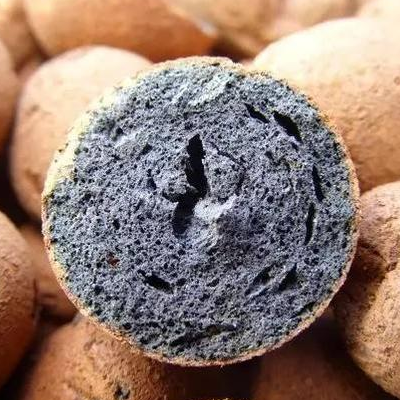
1. LECA (expanded clay pebbles)
LECA is a ceramic granular stone fired at high temperature, with many breathable pores in each granule and excellent drainage and water retention. It keeps the soil loose and airy and can effectively prevent root rot in the potting soil. You can spread it on the bottom of the pot, or place it on the soil surface.
Simply spread the LECA on the bottom of the pot, adding it according to the depth of the container, generally about 3-5 cm. The potting soil spread on top of the LECA should contain some granular stone, which can be common vermiculite, river sand or perlite, to better increase the looseness and airiness of the soil.
2. Wood shavings
When germinating seeds of the clivia (Clivia miniata), fresh wood shavings can be used. Prepare mature clivia seeds, then spread wood shavings, place the seeds on top, keep the wood shavings slightly moist, and cover with fresh wood shavings 3-4 cm thick; this will greatly promote seed germination.
Of course, if it is used for growing flowers, then decomposed wood shavings are still needed, and wood shavings made from raw logs and then decomposed are the best; they are all excellent materials for growing flowers.
If you are in a hurry to use fresh wood shavings, you can put the wood shavings into boiling water and cook them for half an hour, then place them in a ventilated spot to dry. After a few days, they can be placed at the bottom of the pot, and in this way they can serve as a slow-release fertilizer.
3. Honeycomb coal cinder blocks
Nowadays in some small cities, street vendors often use this honeycomb coal, and after it burns completely it becomes useless coal cinder. At this point we can collect them, rinse them with water and soak them for 3 days, then crush them.
The size of the granules can be chosen according to the use. If they are used to spread on the bottom of the pot, you can choose slightly larger ones; if they are to be mixed into the soil, then generally 3-5 mm. After crushing, you can screen them yourself.
Note: Be careful to remove some black granules; those are coal cinder that has not been completely burned and must be removed. Soaking the coal cinder in water is mainly to remove sulfur and avoid the soil becoming alkaline.
4. Charcoal
Charcoal is the residue left after branches are burned, and it can also be added to the soil. It can increase the airiness and drainage of the soil and also has a certain sterilizing effect, which can effectively prevent root rot in plants.
You can crush the charcoal and add it promptly to the bottom of the pot. It is very suitable for growing flowers such as spider plants (Chlorophytum comosum) or clivia, and you can even mix small pieces of charcoal into the soil to use as an excellent granular soil.
5. Broken roof tiles
Broken roof tiles used in daily life are excellent pot-bottom media; they can effectively prevent the potting soil from clogging the drainage holes and prevent water accumulation in the potting soil that causes root rot.
Of course, LECA can also be used instead, but broken roof tiles only need to be placed at the drainage hole, which is still quite practical.
That is all for the introduction to the problem of plant root rot. Have you broadened your knowledge now? Hurry up and learn from it.
What to Do About Root Rot in Potted Plants: Clever Soil Mixing and Repotting Tips for Prevention and Control
Sometimes root rot in potted plants cannot be blamed simply on watering too frequently. Sometimes for the same plant, if the soil used for planting is different, the watering frequency must also change. If pothos (Epipremnum aureum) is planted in sandy soil, it can be watered once every 3 days; if planted in garden soil, then it needs 5-7 days before watering.
Soil Requirements of Different Plants1. Potted plant root rot: spider plant (Chlorophytum comosum)Spider plants are relatively drought-tolerant and waterlogging-tolerant plants, but they cannot withstand long-term water accumulation in the potting soil either. Therefore, the soil used for spider plants must be loose, airy and well-draining. In a warm environment, keep the soil slightly moist without water accumulation. If the soil becomes compacted, loosen the soil or repot promptly. It is not very picky about soil, and ordinary garden soil mixed with river sand can also let it grow well.
Like the spider plant in the pot below, if it is not repotted in time, it will have no room to grow, and it is very prone to water accumulation and root rot.
It is recommended to spread broken roof tiles, stones, coal cinder and other large granular materials on the bottom of the flower pot,
then spread a layer of river sand on top; the kind from a construction site can be used. Only the top layer should be covered with nutrient soil. For the nutrient soil, you can choose humus soil, or a mixture of humus soil and peat soil.
2. Potted plant root rot: money tree (Pachira aquatica)The money tree is a relatively easy plant to care for. The key is to water less, keep the light bright, keep the environment ventilated, and keep the potting soil free of water accumulation. Too much watering will cause root rot, and once the stem becomes soft, it cannot be saved.
A potted money tree like the one below is the most common, with a layer of plastic grass spread on top of the soil. In fact, this is not good for plant growth, and you also cannot tell whether the soil is dry or not; it is not practical. In winter, when growing a money tree, keep the soil slightly dry.
Soil mix: You can directly use leaf mold + garden soil + river sand in a ratio of 5:3:2. You can cushion the bottom of the pot with broken roof tiles and spread some LECA on top; the decorative effect is not bad either.
3. Potted plant root rot: clivia (Clivia miniata)The roots and stems of clivia, as shown in the picture below, are swollen fleshy roots, and too much watering easily causes root rot. In winter, when growing clivia, keep the soil slightly dry and water only after the potting soil has dried out completely.
If you want clivia to grow well, it is best to use leaf mold combined with river sand, and you can mix in some crushed wood shavings, etc. The ratio is leaf mold + river sand at 7:3. Cushion the bottom of the pot with broken roof tiles, and you can put a little decomposed cake fertilizer under the potting soil as a base fertilizer. In this way, clivia will grow with large flowers and glossy leaves.
Potted plant root rot: 4. OrchidOrchids like loose, airy and well-draining soil. In addition to choosing a relatively breathable clay pot, you also need to choose soil that is loose and rich in humus.
You can see that the orchid below is growing quite well. In addition to mixing some granular stone into the soil, some broken plastic foam was also placed at the bottom of the pot. The drainage and airiness are very good, except that its water retention is relatively poor.
Using plastic foam instead of broken roof tiles is a newly thought-up trick, and unexpectedly the effect is quite good; it further ensures that the orchid is not so prone to root rot.
5. Potted plant root rot: succulentsWhen many friends first start growing succulents, they think they should water right after planting, which is completely wrong. The leaves of succulents are full of water, especially succulents just bought online (do not buy online in regions below 0 degrees in winter). The roots have all withered. At this time, you need to cut off the withered roots, then let them dry in a shaded, ventilated place for 1-2 days, and then pot them with slightly moist soil (peat soil + perlite mixed 1:1). After that, wait until the potting soil has completely dried out before watering.
Some volcanic stone or other granular stone can be placed under the soil, and some can also be spread on top. For some older succulents, some granular stone can be mixed into the soil (including: akadama soil, kanuma soil, river sand, maifan stone, etc.). Before growing in the medium, you can first soak once in carbendazim solution. This ensures that your succulents will grow in good condition in the future and will rarely be troubled by pests and diseases.
Root rot in potted plants: soil mixing and repotting are very important
Sometimes root rot in plants cannot be blamed simply on watering too frequently. Sometimes for the same plant, if the soil used for planting is different, the watering frequency must also change. If pothos is planted in sandy soil, it can be watered once every 3 days; if planted in garden soil, then it needs 5-7 days before watering.
Soil Requirements of Potted Plants1. Spider plant (Chlorophytum comosum)Spider plants are relatively drought-tolerant and waterlogging-tolerant plants, but they cannot withstand long-term water accumulation in the potting soil either. Therefore, the soil used for spider plants must be loose, airy and well-draining. In a warm environment, keep the soil slightly moist without water accumulation. If the soil becomes compacted, loosen the soil or repot promptly. It is not very picky about soil, and ordinary garden soil mixed with river sand can also let it grow well.
Like the spider plant in the pot below, if it is not repotted in time, it will have no room to grow, and it is very prone to water accumulation and root rot.
Huahua suggests spreading broken roof tiles, stones, coal cinder and other large granular materials on the bottom of the flower pot,
then spread a layer of river sand on top; the kind from a construction site can be used.
Only the top layer should be covered with nutrient soil. For the nutrient soil, you can choose humus soil, or a mixture of humus soil and peat soil.
2. Money tree (Pachira aquatica)The money tree is a relatively easy plant to care for. The key is to water less, keep the light bright, keep the environment ventilated, and keep the potting soil free of water accumulation. Too much watering will cause root rot, and once the stem becomes soft, it cannot be saved.
A potted money tree like the one below is the most common, with a layer of plastic grass spread on top of the soil. In fact, this is not good for plant growth, and you also cannot tell whether the soil is dry or not; it is not practical. In winter, when growing a money tree, keep the soil slightly dry.
For the soil mix, you can directly use leaf mold + garden soil + river sand in a ratio of 5:3:2. You can cushion the bottom of the pot with broken roof tiles and spread some LECA on top; the decorative effect is not bad either.
3. Clivia (Clivia miniata)The roots and stems of clivia, as shown in the picture below, are swollen fleshy roots, and too much watering easily causes root rot. In winter, when growing clivia, keep the soil slightly dry and water only after the potting soil has dried out completely.
If you want clivia to grow well, it is best to use leaf mold combined with river sand, and you can mix in some crushed wood shavings, etc. The ratio is leaf mold + river sand at 7:3. Cushion the bottom of the pot with broken roof tiles, and you can put a little decomposed cake fertilizer under the potting soil as a base fertilizer. In this way, clivia will grow with large flowers and glossy leaves.
4. OrchidOrchids like loose, airy and well-draining soil. In addition to choosing a relatively breathable clay pot, you also need to choose soil that is loose and rich in humus.
You can see that the orchid below is growing quite well. In addition to mixing some granular stone into the soil, some broken plastic foam was also placed at the bottom of the pot. The drainage and airiness are very good, except that its water retention is relatively poor.
Using plastic foam instead of broken roof tiles is a newly thought-up trick, and unexpectedly the effect is quite good; it further ensures that the orchid is not so prone to root rot.
5. SucculentsWhen many friends first start growing succulents, they think they should water right after planting, which is completely wrong. The leaves of succulents are full of water, especially succulents just bought online (do not buy online in regions below 0 degrees in winter). The roots have all withered. At this time, you need to cut off the withered roots, then let them dry in a shaded, ventilated place for 1-2 days, and then pot them with slightly moist soil (peat soil + perlite mixed 1:1). After that, wait until the potting soil has completely dried out before watering.
Some volcanic stone or other granular stone can be placed under the soil, and some can also be spread on top. For some older succulents, some granular stone can be mixed into the soil (including: akadama soil, kanuma soil, river sand, maifan stone, etc.). Before growing in the medium, you can first soak once in carbendazim solution.
This ensures that your succulents will grow in good condition in the future and will rarely be troubled by pests and diseases.