How to grow Tradescantia zebrina so it fills the pot? Detailed guide to cutting propagation
Tradescantia zebrina is a super attractive plant, green all year round. How do you grow Tradescantia zebrina so it fills the pot? What is the cutting propagation method for Tradescantia zebrina:
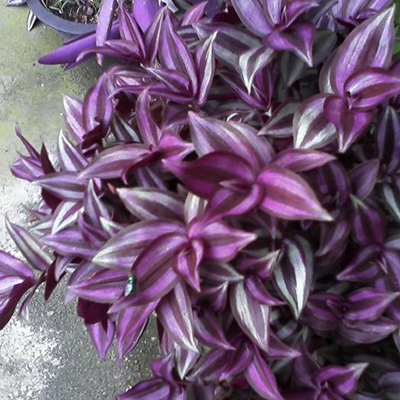
How to grow Tradescantia zebrina so it fills the pot:
Tradescantia zebrina was originally a plant that lives in wetlands, so we know it loves moisture. In summer, the key to growing Tradescantia zebrina well is water.
In summer, temperatures in many places exceed 30°C, and this kind of environment consumes a huge amount of water. Potted Tradescantia zebrina not only needs daily watering to replenish moisture, but you also need to mist it in the morning and evening; keeping the humidity at an appropriate level is also key.
During care, the soil must not be allowed to get too dry. If it is too dry, the plant will wither, and the leaves will droop and develop scorched edges.
For the soil, you can choose a well-draining sandy soil, or a humus soil with some water-retention capacity. It is not very picky about soil.
When the temperature is too high, it is not very suitable to fertilize, especially once the temperature exceeds 33°C, when only a light fertilizer should be given, and not at noon. Spray water on the ground appropriately to lower the temperature, or grow Tradescantia zebrina in a slightly shaded, cool place.
Cutting propagation method for Tradescantia zebrina:
Its best cutting temperature is between 15 and 25°C. Temperatures that are too high or too low are both unsuitable for cutting propagation, but summer temperatures are relatively high, and most of the time the temperature exceeds 30°C.
Once the temperature exceeds 27°C, it is no longer very suitable to propagate Tradescantia zebrina. Too high a temperature will make the cuttings' stems rot, and it is very difficult to induce new roots.
If you want to propagate Tradescantia zebrina in summer, it is best to choose a stretch of continuous rainy weather for cuttings. Cut off a stem about 7 to 12 cm long, remove the lower leaves, and insert it directly into moist sandy soil. During this period, water and mist frequently to keep the soil slightly moist and the air humid.
Spray water on the ground appropriately to cool it down, and with the added high humidity, if the temperature is kept below 25°C it will easily take root and sprout. In summer, simply keep it in a bright spot.
That is all for how to grow Tradescantia zebrina so it fills the pot; be sure to pay attention to the cutting method.
How to cut Tradescantia zebrina, propagation methods for Tradescantia zebrina / do these four things well and cuttings can fill the pot
Tradescantia zebrina is loved for its unique leaves and stems, so some people want to grow a few more pots, and at that point they have to consider the question of propagation. So how do you propagate Tradescantia zebrina? The editor will introduce two commonly used and simple propagation methods for Tradescantia zebrina.
How to propagate Tradescantia zebrina
Generally, there are three propagation methods for potted plants: cuttings, division, and sowing. Because Tradescantia zebrina seeds are relatively hard to obtain, its propagation method is slightly different. How do you propagate Tradescantia zebrina? The answer is two methods: cuttings and division. Below is a detailed look at these two propagation methods for Tradescantia zebrina.
Propagation methods for Tradescantia zebrina
1. How to take cuttings of Tradescantia zebrina
1. When to take cuttings
For cutting propagation, the time should be chosen from early March to May each year, or from September to October, with a temperature of 18 to 25°C being suitable. Below 18°C, rooting will be difficult, while above 18°C the cut wound is prone to rot and infection, so choosing the time is crucial.
2. Cutting the stems
Choose a robust main stem or side branch and cut it into sections 7 to 10 cm long. Each section should contain 2 to 4 nodes. Keep the upper terminal leaves and side leaves, cut off all other excess branches and leaves, and then place them in a cool, shaded place for later use.
3. Cutting
For the substrate, you can use river sand or vermiculite as the growing medium. If conditions permit, you can mix garden soil and leaf mold in equal halves. Insert the selected stems into the substrate, burying the stem nodes to a depth of two to three internodes, then water appropriately.
4. Later management
After cutting, keep the soil moist and the air humidity at 75 to 85%. You can mist 1 to 3 times a day. Generally, after 15 days they will take root. Once new buds grow out, they can be transplanted, and afterward cared for normally according to the growing methods and precautions for Tradescantia zebrina.
Precautions: During cutting propagation, be sure to control the temperature. If the temperature is too low or too high, it will affect the success rate of cuttings. When misting, also avoid overdoing it, otherwise it can easily cause pathogen infection.
2. Division of Tradescantia zebrina
1. When to divide
Usually division is done in spring from March to April. It is a relatively simple method for Tradescantia zebrina with a high survival rate, but the time must be chosen correctly. Late spring or early autumn are both relatively suitable times.
2. Specific operation
Select a lush mother plant, take it out of the pot, cut off the thicker rooted shoots, and then plant them separately in prepared flower pots. Just be careful to keep the soil moist and the temperature suitable.
Precautions: Division propagation is relatively commonly used. After taking out the mother plant, you can cut off rotten roots and withered leaves to prevent them from competing for nutrients in the potting soil after division, which allows rooting to happen more quickly.
Cutting propagation method for Tradescantia zebrina: when to take cuttings of Tradescantia zebrina
The reason Tradescantia zebrina is so popular, aside from its own lush leaves and the ornamental value of the small purple flowers it produces at maturity, is that it is also very easy to propagate, and its ability to adapt to the environment is also very strong. Cutting propagation is fairly common among the propagation methods for many plants, and the propagation of Tradescantia zebrina is also mainly by cuttings.
Cutting propagation method for Tradescantia zebrina
1. Cutting substrate for Tradescantia zebrina
Before selecting stems, first prepare the cutting substrate, so that the stems do not lose too much water. The cutting substrate, that is, the growing medium for Tradescantia zebrina, can use river sand, peat soil, and so on, or it can be made by mixing multiple nutrient soils. Before use, it is best to disinfect the soil to remove any pathogens or insect eggs that may be mixed in.
2. Selection of Tradescantia zebrina cuttings
Cut cuttings from robust mother branches. The length of the cuttings should be between five and eight cm, and each cutting should have three to five tender leaves to increase the survival rate of the cuttings.
3. Potting Tradescantia zebrina
When potting, there should be a drainage layer and fertilizer at the bottom of the pot. The general order is: first lay a layer of pottery clay or coarse sand at the bottom of the pot as a drainage layer, then spread a layer of nutrient soil containing fertilizer, and finally fill the pot to three-quarters full with the prepared cutting substrate and insert the cuttings into it.
4. Care of Tradescantia zebrina
After potting, maintain a suitable temperature (18 to 25°C is suitable), humidity (air humidity should reach at least 75%; if the air is dry, you can mist to increase air humidity), and sufficient light, to ensure the cuttings root normally.
When to take cuttings of Tradescantia zebrina
Tradescantia zebrina can be propagated all year round, but spring and autumn are best.
How to make Tradescantia zebrina bloom more
1. Ensure suitable light for Tradescantia zebrina
Tradescantia zebrina is a warmth-loving plant. During the growing period, Tradescantia zebrina must be ensured sufficient light, so that the plant grows dense and full leaves. If it grows in a place with insufficient light and relatively dark conditions, it will cause the stems and leaves to become thin, long, scattered, and irregular, and the leaves will be thin and unhealthy. Note that although Tradescantia zebrina needs bright light, it must not be exposed to direct scorching sun, as it easily loses water and withers.
2. Suitable temperature for the growth of Tradescantia zebrina
Tradescantia zebrina is suitable for growing in a warm environment. Spring, summer, and autumn are all its growing seasons. In winter, when temperatures are low, it grows slowly or directly enters dormancy, so when the winter temperature falls below ten degrees, be sure to do a good job of keeping it warm.
3. Watering conditions for Tradescantia zebrina
During the growing period of Tradescantia zebrina, it should not be watered too frequently. Keeping the potting soil slightly moist is enough, and this will make the leaves of Tradescantia zebrina more vivid. During the winter dormant period, watering about once every half month is basically enough to ensure its water absorption. Too much watering will cause root rot and plant death.
What to do if the leaves of Tradescantia zebrina become soft
1. Symptoms of soft leaves in Tradescantia zebrina
The leaves feel limp to the touch, as if they have no vitality left at all, and they bend downward. Normal leaves look lively and full.
2. Causes of soft leaves in Tradescantia zebrina and solutions
1. Too little watering; after they become soft, increase the amount of watering. Tradescantia zebrina comes from the wetlands of Mexico, so when growing Tradescantia zebrina it needs a large amount of water. If the soil is allowed to become too dry, it can easily cause the plant's leaves to become soft and yellow, and even the whole plant will wither. Especially during its growing period, it needs water replenishment about every day, has higher requirements for the moisture of the potting soil, and also needs frequent misting to maintain humidity. But Tradescantia zebrina also has a dormant period, and during dormancy, watering should be reduced.
2. Too little sunlight; if you notice it becoming soft, increase the time it is exposed to sunlight. Tradescantia zebrina likes to be in the sun, but if it is kept in a dark environment for a long time, it can easily cause the plant to become leggy and the leaves to soften. A semi-shaded state is also acceptable. Even in winter it should be placed in a place where it can get sunlight. If it cannot get all-day sunlight, then make sure it grows in sunlight for a period every day. But note that in the scorching summer, it should not be exposed to the blazing sun.
3. In fact, when the air is too dry, it can also cause the leaves to become soft and yellow, and finally fall off. So when growing it, be sure to maintain an appropriate amount of moisture at all times.
Tradescantia zebrina is not only highly ornamental; at the same time, the function that green plants naturally have of absorbing carbon dioxide and releasing oxygen can also freshen the air, making it very suitable for growing at home. However, Tradescantia zebrina is slightly toxic, so during cultivation take care to guard against it, especially for young children, to avoid accidental ingestion!