How to care for indoor potted plants? Recommended common varieties
Indoor potted plants, these are what many people like to grow, that is how popular they are. What indoor potted plants are there? How to care for indoor potted plants
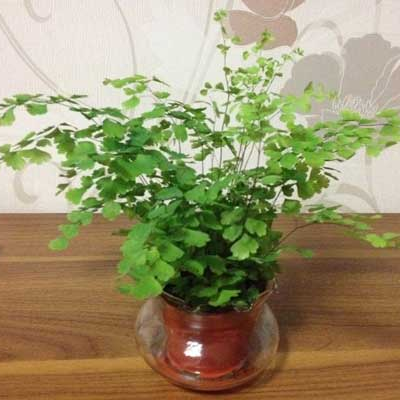
What indoor potted plants are there:
Indoors you can place potted plants such as spider plant (Chlorophytum comosum), aloe, Swiss cheese plant (Monstera deliciosa), golden pothos (Epipremnum aureum), asparagus fern (Asparagus setaceus), ball cactus, Japanese evergreen (Rohdea japonica), cast iron plant (Aspidistra elatior), snake plant (Sansevieria trifasciata), clivia (Clivia miniata), money tree (Pachira aquatica), mint, moth orchid (Phalaenopsis), anthurium, peace lily (Spathiphyllum), hyacinth, mosquito-repellent geranium, money tree (Pachira aquatica), basil, narcissus and so on. Consumers can choose potted plants according to their own preferences and where they will be placed.
How to care for indoor potted plants:
No plant can do without an airy, ventilated spot, so when growing indoor potted plants you should not only pay attention to the basic conditions such as water, fertilizer and soil, but also to ecological conditions such as light, temperature, humidity and ventilation. So keeping plants well is also a branch of knowledge.
(1) Let green plants get appropriate light and carry out photosynthesis, so that they grow better. If they cannot get appropriate light, they will wilt and die.
(2) Also control the indoor temperature. For common indoor potted plants, the best temperature for growth is between 18°C and 25°C.
(3) Indoor potted plants should be watered regularly. Generally in spring, water once every three or four days; in summer, water once in the morning and once in the evening; in autumn, water once every two or three days; in winter, water once a week. Watering can provide plants with what they need for photosynthesis and can also clear out stale air. But it depends specifically on the plant's usual habits; for example, cacti do not need frequent watering.
(4) Once the indoor temperature is too high, you can spray some water with a sprayer to regulate the air humidity and let the plants grow better. Where there are yellow leaves, you can prune appropriately, so as to avoid the bad parts affecting the good parts.
That is all for the introduction to indoor potted plants. Pay attention to the growing methods, and do not let them die.
How to care for indoor potted plants
Indoor potted plants 1. Check for pests Check whether there are pests and eggs on the stems and under the leaves of the plants. These newly moved plants should be placed separately from other potted plants for 1 month to prevent possible cross-infection. Once pests are found, insecticides should be used immediately. 2. Maintain humidity Air that is too hot and dry is bad for potted plants and easily makes spider mites more active. To maintain humidity for potted plants, you might take these measures: 1. Use a humidifier; 2. Put the plants in the same place; 3. Place the plants on a tray holding water and pebbles (the water should not submerge the pebbles). 3. Repot only when it is time to repot Unless the potted plant.1. Check for pests Check whether there are pests and eggs on the stems and under the leaves of the plants. These newly moved plants should be placed separately from other potted plants for 1 month to prevent possible cross-infection. Once pests are found, insecticides should be used immediately. 2. Maintain humidity Air that is too hot and dry is bad for potted plants and easily makes spider mites more active. To maintain humidity for potted plants, you might take these measures: 1. Use a humidifier; 2. Put the plants in the same place; 3. Place the plants on a tray holding water and pebbles (the water should not submerge the pebbles). 3. Repot only when it is time to repot Unless the roots of the potted plant have filled the pot with no room to spread, repotting is not needed. It is best to choose early spring for repotting. At the same time, note that depending on the situation you should water thoroughly once before repotting, and repot when the pot soil is moderately dry and moist. 4. Give the plants a bath Giving plants a "bath" (that is, rinsing the plants with a hose or shower head) can remove many pests. Bathing plants in late autumn can also remove dust from the leaves. Note that the rinsing process should not be too forceful, so as not to damage the branches and leaves. At the same time, also note that the plants should not be scratched during the rinsing process. 5. Tidy the plants, do not prune At present, pruning potted plants is not good for them entering dormancy. You can remove dead branches and leaves, but it is best not to prune before the late winter season. Summary: Indoor plants add a touch of exotic color to a room and are good for physical and mental health.
What indoor potted green leafy plants are there The functions of indoor potted plants
There are very many types of potted plants, which can be divided by tree shape, tree number, tree height, tree species, ornamental value and style. Placing a pot of plants at home not only has a decorative effect, but many plants also symbolize good luck and good fortune. Below are some common indoor potted plants.
What indoor potted green leafy plants are there
1. Golden pothos
Golden pothos is surely common to everyone; this plant can often be placed in offices and studies. Golden pothos is like a small air purifier, and it can absorb harmful gases in the air such as formaldehyde, benzene and trichloroethylene. Moreover, its vitality is strong, and its formaldehyde-absorbing function can rival that of spider plant.
2. Lucky bamboo
Lucky bamboo implies wealth and peace. Placing lucky bamboo at home can add wealth energy and give people psychological suggestion. In addition, the varied shapes of lucky bamboo can be pleasing to the eye, and it absorbs waste gases such as carbon dioxide in the room and can freshen the air.
3. Sago palm
Sago palm is also called iron tree. The leaves of the iron tree have very rich medicinal value and can clear heat, stop bleeding and dissipate blood stasis. The specific symptoms are dysentery, bloody stool, stomach pain, blood in urine, excessive menstruation, and bruises and swelling. Placing a sago palm at home can absorb harmful gases released by household appliances, plastic products and so on.
4. Parlor palm
Parlor palm is also a relatively common one among home potted plants. It can simultaneously purify harmful substances in the air such as benzene, trichloroethylene and formaldehyde, and is a "high-efficiency air purifier" among plants, very suitable for placing indoors or in newly renovated rooms.
5. Potted flowers
Compared with potted plants, flowers are brighter and more lively, and their ornamental value is also relatively strong. Many flowers are now suitable for potting, such as: orchid, amaryllis, hydrangea, African daisy, hibiscus, cyclamen, Impatiens walleriana, Torenia fournieri, peony spider plant, pine-needle chrysanthemum, clivia, Chinese rose, moth orchid, kalanchoe and so on.
Potted plants suitable for home growing also include spider plant, asparagus fern, cactus, aloe, money tree (Zamioculcas zamiifolia), aglaonema, anthurium, snake plant and so on. Especially for families that have renovated a house, they can place more formaldehyde-absorbing plants such as English ivy, spider plant and golden pothos at home.
The functions of indoor potted plants
For people living among the steel and concrete of cities, the demand for indoor potted plants is growing stronger and stronger. Indoor potted plants can both achieve a greening effect and add interest. Placed indoors, they allow people to enjoy the whole process of plants flowering and fruiting over a longer period of time.
1. Compared with traditional indoor potted plants, it is cleaner. The use of soilless cultivation technology solves the problems of traditional indoor potted plants, such as falling soil crumbs and earthworms and various small insects in the soil. Placed on a desktop, you do not need to worry that small insects will crawl out; placed on a wooden floor, you do not need to worry that pests will damage the wooden floor.
2. From the perspective of appearance design, it is more fashionable, more minimalist and has a stronger sense of technology, making indoor potted plants more in line with the trends of the times and better able to meet people's requirements for a higher quality of life.
3. Indoor potted plants use smart watering technology. The built-in hidden water tank changes the traditional habit that indoor potted plants must be watered regularly. You do not need to keep thinking about the problem of watering indoor potted plants, and you do not need to worry that the plants will die of thirst from lack of water. If you go out, as long as the water tank is filled with water, you do not need to worry about watering for about 15 days.
4. Indoor potted plants have a built-in smart reminder function. When there is no water in the flowerpot, it automatically reminds the owner to add water, and the red light keeps flashing until the owner adds water to the flowerpot.
5. Indoor potted plants can let office workers relax and enjoy the fun of life brought by indoor potted plants. They can let children understand the process of plant growth and let the elderly pass their leisure time.