How to grow Asparagus fern and points to note, what to do when the leaves turn yellow?
Asparagus fern, many people like to grow it, it grows quite luxuriantly, and just looking at it makes you happy. What are the growing methods and points to note for Asparagus fern? What to do when the leaves of Asparagus fern turn yellow:
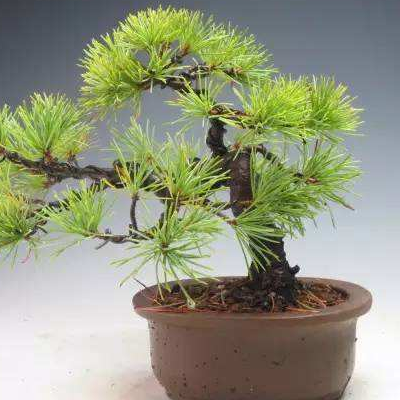
Growing methods and points to note for Asparagus fern
Growing methods for Asparagus fern:
(1) Asparagus fern likes a warm, humid, semi-shaded growing environment. The general growing temperature is between 20°C and 30°C. In winter the growing temperature must not be lower than 5°C, and in summer the growing temperature must not be higher than 35°C.
(2) In summer, Asparagus fern needs appropriate shading and must not be exposed to blazing sunlight; in winter it needs leaf mold soil with ample sunlight.
(3) The soil for planting Asparagus fern should be loose and fertile. It is recommended to fertilize Asparagus fern every month, generally with more than one part nitrogen and potassium fertilizer.
(4) To grow Asparagus fern well, you need to spray water frequently to keep the soil moist, so as to maintain the beauty of its original emerald-green leaves. However, you must avoid water accumulation in the potted plant, otherwise the roots and leaves of the Asparagus fern will easily rot, harming its growth.
(5) After 2-3 years of potting, repot in spring. Cut off dense stems and long branches to facilitate ventilation and light penetration. During the growing period, cut off dead branches and yellow leaves at any time to keep the plant shape well-balanced and attractive.
Points to note when growing Asparagus fern:
(1) After spring and summer, when the temperature drops, the Asparagus fern enters a weakened growing period, and the frequency of watering should be reduced. However, sufficient water still needs to be provided, and the soil must not be allowed to dry out. In winter, when the temperature is at its lowest, it is enough to keep the soil in the potted plant moist, and watering can be minimized.
(2) Asparagus fern has few pests and diseases, but when it is hot and dry, red spider mites and scale insects may cause damage, so attention must be paid to spraying pesticides for prevention and control.
What to do when the leaves of Asparagus fern turn yellow:
Although Asparagus fern fears high temperatures, it likes warmth. Placing it in a spot with good scattered sunlight can effectively prevent the leaves from turning yellow.
Asparagus fern has poor drought tolerance. When watering, water thoroughly when the soil alternates between dry and wet; no need for too much. If the branches and leaves are too dense and it is in a period of high summer temperatures, this can also cause the leaves of Asparagus fern to turn yellow, and at this point the branches need to be pruned.
That is all for the growing methods for Asparagus fern and how to deal with yellowing leaves. Hurry and grow one!
Points to note when growing Asparagus fern
In summer, when the temperature exceeds 35°C, Asparagus fern stops growing and shows yellowing leaves. At this time, shading work must be done promptly to avoid strong light exposure, and the plant should be sprayed with water frequently to keep it emerald green and attractive.
Repotting of potted Asparagus fern is generally carried out in spring after 2-3 years, and at the same time overly dense stems and long branches are cut off to facilitate ventilation and light penetration. During the growing period, care should also be taken to cut off dead branches and diseased branches at any time to keep the plant shape well-balanced and attractive.
Asparagus fern has few pests and diseases, mainly damage from red spider mites and scale insects. Take care to spray pesticides in time for prevention and control.
Who would have thought Asparagus fern had so many growing methods and points to note? If you like it too, hurry and grow it, it really is very beautiful! To learn more, please follow the Four Seasons Plants website!
How to grow Asparagus fern? What are the growing methods for Asparagus fern?
How to grow Asparagus fern? What are the growing methods for Asparagus fern? Before growing Asparagus fern, let us first understand what Asparagus fern is. Asparagus fern is also called Ming fern, the plant is very beautiful, with dense leaves, and its shape is like a ball. Its leaf form is graceful, green and elegant. Its leaves are dark green and dense, and it is the most popular accompanying material for flower arranging. Also, many homes like to grow this plant, so how to grow Asparagus fern? What are the growing methods for Asparagus fern? Below, the editor shares with everyone:
>>Click the image to learn more<<
How to grow Asparagus fern? Introduction to the ecological characteristics of Asparagus fern:
Asparagus fern is native to southern Africa. It likes a warm, humid and semi-shaded environment. It is not cold-tolerant, fears long periods of strong direct sunlight and high temperatures, and is not tolerant of drought or water accumulation. The suitable growing temperature is 20-25°C; in winter the temperature should not be lower than 10°C, and below 5°C it is prone to freezing damage; when the summer high temperature exceeds 35°C, growth stops and the leaf-like stems turn yellow. Loose, fertile leaf mold soil is best.
>>Click the image to learn more<<
What are the growing methods for Asparagus fern? Introduction to the propagation techniques of Asparagus fern:
Seed sowing and division are commonly used for propagation. Sowing: the seeds have a short lifespan, so sow immediately after collecting the seeds. The seeds are relatively large and the seed coat is hard. Before sowing, soak the seeds in clean water for 1 day. In April, use indoor pot sowing; the covering soil should not be too deep, and the room temperature should be kept at 20-25°C. After sowing, they germinate in 15-20 days. When the seedlings are 5 cm tall, they can be transplanted. When dividing, repot in spring, lift the mother plant out, separate the clumps, and plant them separately. When cutting, injure the stem skin and root system as little as possible.
>>Click the image to learn more<<
Growing methods for Asparagus fern, key cultivation points for Asparagus fern:
During the spring and summer growing period, sufficient water is needed, but there must not be too much water, otherwise the root system will rot. If the potting soil is too dry, the leaves will turn yellow, causing the leaf edges to wither and yellow or the leaves to wilt and fall. Fertilize once a month, applying more nitrogen-potassium fertilizer or Huiyou 20-80-20 high-potassium nitrate fertilizer for all seasons. In the high temperatures of midsummer, strong light or insufficient light can also cause the leaves to turn yellow, wither and fall. After autumn, when the temperature drops, gradually reduce watering. After 2-3 years of potting, repot in spring. Cut off dense stems and long branches to facilitate ventilation and light penetration. During the growing period, cut off dead branches and yellow leaves at any time to keep the plant shape well-balanced and attractive.
>>Click the image to learn more<<
Growing methods for Asparagus fern, pest and disease control for Asparagus fern:
The main disease is leaf blight, which can be sprayed with a 50% carbendazim wettable powder 1000-fold solution. Pests include whiteflies and scale insects, which can be killed by spraying with a 40% omethoate emulsion 1000-fold solution.