Can Ivy Be Grown Hydroponically? And How It Differs from Boston Ivy
Nowadays many people love plants, and more and more of them prefer hydroponic plants, since they are convenient and easy to grow and also look better. So can ivy be grown hydroponically? What is the difference between ivy and Boston ivy?
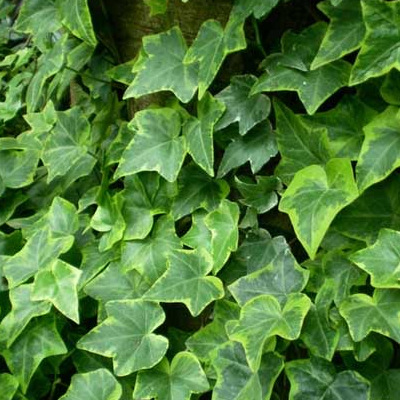
Can ivy be grown hydroponically:
Yes, it can be grown hydroponically.
In the early stage of hydroponic growing, you should change the water frequently, preferably once every 1 to 2 days with fresh water, to keep the water clean and prevent the lower end of the cuttings from rotting. After about 10 days, the ivy will grow tender white aerial roots. Once new roots have grown, you should likewise change the water frequently. After about another 2 or 3 weeks, the hydroponic ivy will show a lush, thriving growth habit.
During the rooting process of hydroponic ivy, do not give it light; keep the hydroponic ivy in a spot with diffused light or in shade, and the temperature must be suitable, neither too hot nor too cold. Only after the roots have grown should you gradually provide light. Ivy is a shade-tolerant plant and dislikes direct strong light, so when growing ivy hydroponically, just give it diffused light.
In summer, hydroponic ivy should be kept away from direct strong light, and attention should be paid to ventilation and cooling. In winter in the north, the indoor temperature should preferably stay above 10°C; you can periodically rinse the branches and leaves with fresh water close to room temperature to raise air humidity and keep the leaves clean and green. In midsummer, because ivy is in its dormant period, you should switch to growing it in plain water. In winter, placing it in a sunny indoor spot will let it overwinter safely.
After the hydroponic ivy is potted up, the first application of nutrient solution should be a thorough watering, and thereafter replenish the solution once every 10 days. Top up with water on ordinary days to keep the substrate moist. But be careful not to overwater, to avoid causing root rot. During the peak growing season, you can apply a 0.2% potassium dihydrogen phosphate solution as a foliar feed. After that, you should still replace the nutrient solution once every 2 or 3 weeks. In addition, when planting hydroponic ivy, be careful to protect the root system, straighten it out as much as possible, and let most of all the roots be immersed in the water.
Differences between ivy and Boston ivy:
1. Differences in family and genus
1. Ivy: Ivy is an evergreen woody climbing plant in the plant kingdom, Angiosperms, Dicotyledons, Rosidae, Apiales, Araliaceae, tribe Schefflerieae, genus Hedera.
2. Boston ivy: Boston ivy is a perennial large deciduous woody climbing plant in the plant kingdom, Angiosperms, Dicotyledons, Rosidae, Vitales, Vitaceae, genus Parthenocissus.
2. Differences in morphology
1. Ivy: Ivy has woody stems; the stems can reach 3-5 m long and are much branched, with aerial roots on the stems; the slender young branches are covered with soft hairs and are rust-colored and scale-like; the leaves are leathery and alternate; the umbels are solitary or 2-7 borne terminally, yellow-white or green-white; the fruit is spherical, berry-like, yellow or red; the flowering period is May to August, and the fruiting period is September to November.
2. Boston ivy: Boston ivy's morphology is similar to that of wild grape vines; the vine stems can reach 18 m long, and the surface has lenticels; the cymes are usually borne on short branches between two leaves, not showy in clusters, yellow-green or with purple-black berries, mostly bisexual, monoecious; the berries are small and spherical, blue-black when ripe and covered with a white bloom, and birds like to eat them; the flowering period is June, and the fruiting period is September to October.
3. Differences in habits
1. Ivy: Ivy has very strong adaptability to the environment, prefers a relatively cool climate, has fairly strong cold resistance, and dislikes hot, stuffy environments; growth stalls at temperatures above 30°C; it is not strict about light, and can grow and develop both in direct sunlight and in indoor spots with insufficient light.
2. Boston ivy: Boston ivy has strong adaptability and likes shady, damp environments, but it is not afraid of strong light; it is cold-resistant, drought-resistant, and tolerant of poor soil, with wide climatic adaptability; south of the warm temperate zone it can remain semi-evergreen or evergreen in winter; it tolerates pruning and dislikes waterlogging; it is not strict about soil, and can grow vigorously in both shady, damp environments and sunny spots, but grows best in shady, damp, fertile soil; it has strong resistance to harmful gases such as sulfur dioxide and hydrogen chloride, and has the ability to absorb dust from the air.
4. Differences in distribution
1. Ivy: Ivy is also known as Chinese ivy, centipede plant, and so on. It is native to Europe, Asia, and North Africa, and is distributed in China in central China, east China, southwest China, Gansu, Shaanxi, and other places.
2. Boston ivy: Boston ivy is also known as kunshilong, maple vine, xiaochonger wocao, hongsicao, hongge, pashanhu, red grape vine, bashanhu, and so on. It is native to eastern Asia, the Himalayan region, and North America, and is distributed in China in Henan, Liaoning, Hebei, Shanxi, Shaanxi, Shandong, Jiangsu, Anhui, Zhejiang, Jiangxi, Hunan, Hubei, Guangxi, Guangdong, Sichuan, Guizhou, Yunnan, and Fujian.
5. Differences in medicinal effects
1. Ivy: Ivy is bitter and pungent in taste and warm in nature, and has the effects of dispelling wind and draining dampness, invigorating blood and reducing swelling, and calming the liver and detoxifying; it has therapeutic effects on traumatic injuries, waist and leg pain, rheumatoid arthritis, and other conditions.
2. Boston ivy: Boston ivy is sweet and astringent in taste and warm in nature, and toxic; it has the effects of breaking blood stasis, invigorating the sinews and stopping bleeding, and reducing swelling and toxins; it is used for rheumatic joint pain, and externally for traumatic injuries, carbuncles, boils, and swellings.
All right, friends, remember that it can be grown hydroponically.
Which Plants Are Suitable for Hydroponic Growing
Hydroponic plants are favored by flower consumers at home and abroad for their advantages such as being clean and hygienic, elegant in style, highly ornamental, and environmentally friendly and pollution-free. Below are several categories of plants that can be grown hydroponically:
Araceae plants
Mainly include: Monstera deliciosa, giant taro, the Guangdong evergreen series, clustered bird's nest fern, green gem, green roe, Dieffenbachia, Golden Queen, Silver Queen, star-spotted evergreen, mini Monstera deliciosa, Black Beauty, green-ground yellow, red gem, Philodendron panduriforme, silver-wrapped taro, and wrapped taro, calla lily, Anthurium, calla lily, and so on.
Commelinaceae plants
These flowers are extremely adaptable and have an innate ability to grow in water. Almost all Commelinaceae flowers can adapt to hydroponic conditions, such as: purple-leaf Commelina, purple-backed evergreen, Tradescantia zebrina, and so on.
Liliaceae
The vast majority of Liliaceae flowers can adapt to hydroponic conditions, such as: aloe, Haworthia fasciata, the spider plant group, the dracaena group, dragon's blood tree, Dracaena, snake plant, agave, golden-edged lucky bamboo, sea onion, silver-edged evergreen, Reineckea carnea, and so on. However, the Liliaceae plant Beaucarnea recurvata is not easy to grow hydroponically.
Crassulaceae plants
Those relatively suited to hydroponic growing include: houseleek, Hibiscus mutabilis, silver wave brocade, gem flower, Kalanchoe, and so on.
Other plants
Aucuba, umbrella plant, creeping saxifrage, purple ficus, blue pine, bamboo-joint begonia, ox-ear begonia, clivia, lady's slipper orchid, croton, dusty miller, Senecio, Christmas cactus, triangular column grafted cactus ball, dragon god wood, bromeliad, Euphorbia, leopard plant, Serissa, Boston ivy, ivy, sword fern, bird's nest fern, bamboo palm, dwarf coconut palm, Aspidistra, and so on.
First, the difference between water culture and water growing
Water growing: Flowers used for water growing generally have swollen bulbs, which store abundant nutrients, and their growth and flowering mainly rely on the nutrients stored in themselves. When cultivating them, you only need to soak the roots in clean water to hold them in place, with no need to supply nutrients. Flowers suitable for water growing mainly include narcissus, tulip, hyacinth, lucky bamboo, and so on. To make water-grown flowers grow luxuriantly and bloom beautifully, the key is to choose fully developed bulbs to provide the nutrients needed during their growth; second is to change the water frequently, persisting in changing it once every two or three days to maintain sufficient oxygen content in the water and improve root activity; and then to maintain sufficient sunlight so they grow robustly.
Hydroponics: It is a special cultivation form among the non-solid substrate types of soilless cultivation. It mainly refers to flowers and plants grown entirely in water, using water as the medium and planting the flowers and plants directly in a water-filled container. It is a new cultivation method for indoor greenery plants.
Flowers suitable for hydroponic growing include pothos, Guangdong evergreen, zebra evergreen, star-spotted evergreen, Monstera deliciosa, silver bract taro, giant taro, red gem Philodendron, green gem Philodendron, Philodendron panduriforme, Syngonium, calla lily, Anthurium, calla lily, silver bract taro, carnation, asparagus fern, African daisy, tulip, hyacinth, chrysanthemum, gloxinia, cyclamen, rose, gladiolus, orchid, Aglaia, clivia, camellia, jasmine, azalea, kumquat, stock, Phalaenopsis, fuchsia, Brazilian iron, Brazilian wood, giant taro, Schefflera, the cactus group, the begonia group, the fern group, palm peach, aucuba, umbrella plant, coleus, purple velvet plant, blue pine, bamboo-joint begonia, ox-ear begonia, lady's slipper orchid, croton, dusty miller, Christmas cactus, triangular column, dragon god wood, hanging bromeliad, Cryptanthus, Chloranthus, dragon bone, Euphorbia, leopard plant, Excoecaria cochinchinensis, Serissa, Boston ivy, Sihuibo, ivy, sword fern, bird's nest fern, bamboo palm, dwarf coconut palm, houseleek, Hibiscus mutabilis, silver wave brocade, gem flower, Kalanchoe, purple-leaf Commelina, Tradescantia zebrina, aloe, Haworthia fasciata, spider plant, Cordyline, dragon's blood tree, horsetail iron, snake plant, agave, golden-edged lucky bamboo, sea onion, silver-edged evergreen, silver-edged Reineckea.
Obtaining Hydroponic Plants
1. Root-washing method. First, plants to be grown in water should have a handsome plant shape and a good decorative effect; plants that are too small have a poor ornamental effect and are not suitable as root-washing material. Second, they should be robust in growth and free of pests and diseases. Robust plants recover easily and adapt easily to the water environment. Some plants that have just been divided and have rather poor roots are also not suitable as root-washing material; they can be maintained in a solid substrate, and once their roots are well developed, they can then be root-washed.
The technical points of root washing: First, when washing the roots, do not damage the roots excessively, so as to avoid creating wounds that cause rotting. Second, prune appropriately. Old, withered, and rotten roots should be pruned; some flowers have very lush roots, and 1/3 to 1/2 can be pruned to reduce oxygen consumption and promote the development of new aquatic roots. Some flowers have sparse roots and may not need pruning, which helps them adapt to the aquatic environment; the above-ground branches and leaves can be pruned slightly. Third, disinfect to avoid wound infection. For the disinfectant, you can use carbendazim at 800 times dilution, or chlorothalonil at 600 times dilution. Fourth, when growing in water, the roots should be spread out; do not stuff them into a ball into the nutrient solution, because this not only easily leads to root rot and affects the plant's recovery, but is also unsightly and reduces the ornamental value.
Root-washed water growing is easy to succeed in warm seasons. If the temperature is low, the plant grows weakly, which is not conducive to rooting; if the temperature is high, the oxygen content in the water is low, which easily leads to root rot. Late spring, late summer, and early autumn are relatively suitable seasons, with the temperature steadily around 20°C.
2. Water-cutting method. Flowers that root easily in water are suitable for the water-cutting method, such as lucky bamboo, Commelina, and so on. When taking cuttings and rooting them in water, note the following points. First, the branches should be ornamental. Second, the branches should be robust in growth and free of pests and diseases. Third, for woody plants, it is best to cut biennial or one-year-old mature branches, which root easily; for herbaceous plants, choose thick, strong branches. Fourth, the position of the cut is very important. It should be 2-3 cm below the node; thicker branches a little longer, thinner branches a little shorter; the area below the node roots easily. Fifth, the quality of the cut is key. The cut should be flat, the scissors should be sharp, and do not crush the cut. Sixth, you can treat the cut with rooting powder to promote rooting; the lower leaves that enter the water should be removed.
The length of the cuttings varies with different species and different purposes. Since the purpose of water cutting is to obtain plants with ornamental value, unlike cutting propagation, the cuttings are generally required to be somewhat longer. Vine plants should have longer water-cutting cuttings, such as golden pothos, ivy, and so on; short, small flowers can naturally have shorter water-cutting cuttings, such as purple velvet plant, geranium, and so on. Cuttings of the same plant can also be combined to form a full, lush plant shape or a richly varied form with high and low staggered layers.
The season for water cutting mainly considers the temperature factor. If the water temperature can be controlled at about 20°C, any season is suitable for water cutting. Under natural conditions, spring and autumn are suitable in temperature, when plants grow vigorously and water cutting succeeds easily. In late autumn, winter, and early spring, temperatures below that are not conducive to rooting, and in summer the temperature is high, so the cuts on the cuttings rot easily.
After cuttings are placed in water, two problems arise. First, microbial infection of the cut will form a slime layer at the cut, causing rot and leading to the failure of water cutting. Second, during the period of cut healing and rooting, respiration is intense and the oxygen demand is high, and the oxygen content of the water body cannot meet the need. To address the above problems, the key management points after water cutting are to change the water every day to ensure clean water quality and sufficient oxygen; when changing the water, take care to clean the vessel and rinse the cuttings, especially taking care to clean the cut. Once the water-cutting cuttings have rooted, they can be transferred to normal management.
Daily Care of Hydroponic Flowers
1. Nutrient solution: Generally, you can just use the special hydroponic nutrient solution sold on the market, and mix it to a suitable concentration according to the instructions, such as diluting 400 times or 1000 times; do not get the ratio wrong. When mixing, let the tap water sit for two hours to half a day, until its temperature is close to room temperature and the chlorine and other substances in the water have volatilized completely, then add the concentrated nutrient solution in proportion, and it becomes a nutrient solution suitable for growing hydroponic plants.
2. Changing water: Changing water means replacing the water in the bottle to which nutrient solution has been added. Generally, in spring and autumn, change the water once every 5-10 days; in summer, change it about once every 5 days; in winter, change it once every 10-15 days (after letting tap water sit for half a day, add the concentrated nutrient solution in proportion). Changing the water is to ensure the oxygen supply in the water; fresh water contains more oxygen, and plants will grow more healthily. If you do not change the water for a long time, the plants can also hold on for a while; for example, sometimes when everyone goes on a business trip or a vacation, ten days to half a month or even a month away from home, soil-grown plants would have long since given up and died, while hydroponic plants, as long as you add more water, can still hold on; but if the time is too long, the water in the bottle becomes very stale or spoiled, which will affect the growth of hydroponic plants and, in severe cases, cause their death.
3. Cleaning: Each time you change the water, rinse the plant's roots and container with clean water, and prune dead branches, withered leaves, and rotten roots. Under normal growth conditions, hydroponic plants will periodically rot some roots and then grow new ones, so when you find root rot, do not panic; just use sterilized scissors to prune away the rotten roots. Sometimes you can also prune away some old roots to promote the growth of new roots. But be sure not to injure the aquatic roots, otherwise it will affect the plant's growth.
4. Temperature: The suitable growing temperature for hydroponic plants is above 5°C and below 30°C. In other words, as long as the temperature feels fairly comfortable to people, the plants will also feel fairly comfortable, and they can grow normally; even in winter, they can be lush and leafy, adding vitality for us.
5. Light: Mainly diffused light.
What is diffused light? It is the natural light coming in through windows and other places, naturally scattered indoors. Generally, plants only need appropriate brightness to grow; they do not necessarily have to be exposed to the sun, and in summer, you should also try to avoid direct sunlight.
6. Pests and diseases: Common ones include gray mold and leaf blight, which form brown spots and other symptoms on the leaf surface, and can be controlled with fungicides such as chlorothalonil, carbendazim, and Haoshengling. Common insect pests include aphids and scale insects. When there are few aphids and scale insects, you can handle them manually, wiping them off with a damp cloth. When they occur in large numbers, spray with omethoate at 800 times dilution. Besides aphids and scale insects, red spider mites can also occur, and can be controlled with dicofol.