The leaves of Tradescantia zebrina (inch plant) turning soft is damage from mites; what pesticide can kill them?
Tradescantia zebrina (inch plant) is a plant that many people like to grow, so what should be done when the leaves turn soft? What pesticide can kill mites:
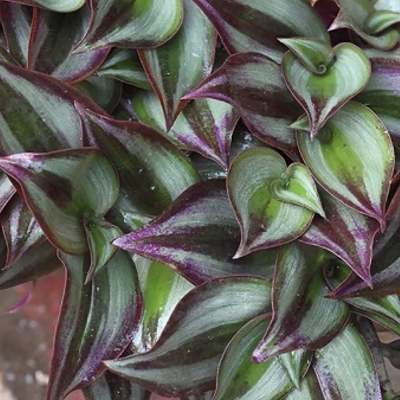
What to do when the leaves of Tradescantia zebrina turn soft:
1. When the watering amount is too little, increase the watering amount after the leaves turn soft. Tradescantia zebrina comes from the wetlands of Mexico, so when growing Tradescantia zebrina it needs a large amount of water. If the soil is allowed to become too dry, it very easily causes the plant's leaves to turn soft and yellow, and even the whole plant will wither. Especially during its growing period, it roughly needs watering every day, and it has higher requirements for the moisture level of the potting soil. At the same time, water must also be sprayed on the plant frequently to maintain humidity, but Tradescantia zebrina also has a dormant period, and during the dormant period, watering should be reduced.
2. When there is too little sunlight, increase the time of sun exposure after discovering the leaves turn soft. Tradescantia zebrina likes to be exposed to sunlight, but if it is kept in a dark environment for a long time, it very easily causes the plant to grow leggy and the leaves to soften. A semi-shaded state is also acceptable. Even in winter it should be placed in a place where it can be exposed to sunlight for growing. If it cannot be in sunlight all day, then it must be ensured that it grows in sunlight for a period of time every day. But note that in the hot summer, it should not be exposed to the scorching sun.
3. In fact, when the air is too dry it can also cause the leaves to turn soft and then yellow, and finally fall off. So when growing it, a moderate amount of moisture must always be maintained.
What pesticide can kill mites:
(Citrus red mite, four-spotted yellow spider mite, rust mite). Before and after flowering (March-May) and in autumn (September-November) are the key periods for controlling red mites: before flowering, when the mite population density reaches 1-2 mites/leaf, and after flowering and in autumn when it reaches 5-6 mites/leaf, control is needed. The spring shoot emergence period, young fruit period and fruit enlargement period are the main periods for controlling rust mites: when rust color first appears on the undersides of the current year's spring shoot leaves; when the mite population density on leaves or fruit reaches 2-3 mites per leaf, control should be carried out immediately. Commonly used pesticides include hexythiazox, pyridaben, propargite, bromopropylate, amitraz, etc. Note to protect natural enemies such as long-haired mites, blunt mites, mite-eating ladybirds, Japanese square-headed beetles and green lacewings.
The solutions for Tradescantia zebrina leaves turning soft are introduced here. If there are mites, they must be dealt with.
What to do when the leaves of Tradescantia zebrina turn soft
Symptoms of Tradescantia zebrina leaves turning soft:
The leaves feel limp to the touch, as if they have no vitality left at all, and they bend downward, while normal leaves look spirited and plump.
Causes and solutions for Tradescantia zebrina leaves turning soft:
1. When the watering amount is too little, increase the watering amount after the leaves turn soft. Tradescantia zebrina comes from the wetlands of Mexico, so when growing Tradescantia zebrina it needs a large amount of water. If the soil is allowed to become too dry, it very easily causes the plant's leaves to turn soft and yellow, and even the whole plant will wither. Especially during its growing period, it roughly needs watering every day, and it has higher requirements for the moisture level of the potting soil. At the same time, water must also be sprayed on the plant frequently to maintain humidity, but Tradescantia zebrina also has a dormant period, and during the dormant period, watering should be reduced.
2. When there is too little sunlight, increase the time of sun exposure after discovering the leaves turn soft. Tradescantia zebrina likes to be exposed to sunlight, but if it is kept in a dark environment for a long time, it very easily causes the plant to grow leggy and the leaves to soften. A semi-shaded state is also acceptable. Even in winter it should be placed in a place where it can be exposed to sunlight for growing. If it cannot be in sunlight all day, then it must be ensured that it grows in sunlight for a period of time every day. But note that in the hot summer, it should not be exposed to the scorching sun.
3. In fact, when the air is too dry it can also cause the leaves to turn soft and then yellow, and finally fall off. So when growing it, a moderate amount of moisture must always be maintained.
What to do when the leaves of Tradescantia zebrina turn green, and why do they turn green
Tradescantia zebrina is a very common foliage plant. Because of its strong adaptability, it can grow anywhere, and in some places it has become wild or semi-wild. But why do the leaves of Tradescantia zebrina turn green? What should be done when the leaves of Tradescantia zebrina turn green?
I. Why the leaves of Tradescantia zebrina turn green
The leaves of Tradescantia zebrina are not green, but rather resemble variegated leaves, and this is exactly what makes it unique. If the leaves of a Tradescantia zebrina that has been growing well turn green, then a problem has appeared in the care process.
When growing Tradescantia zebrina, there must be sufficient bright light, because sufficient light can make Tradescantia zebrina grow dense and vividly colored leaves. If Tradescantia zebrina is placed for a long time in a place with insufficiently bright light, or even a dark place, for care, then the leaves of Tradescantia zebrina will fade and turn green, and the stem nodes will also become longer, losing their ornamental value.
In addition, the leaves of Tradescantia zebrina fading and turning green may also be caused by improper fertilizing. Tradescantia zebrina needs relatively more fertilizer when growing, so when fertilizing it is generally done relatively frequently, but if too much nitrogen fertilizer is applied, it easily causes the leaves to fade and turn green.
II. What to do when the leaves of Tradescantia zebrina turn green
If the leaves of Tradescantia zebrina turn green, although it is not especially ugly, it still changes the unique ornamental value of Tradescantia zebrina. So generally when the leaves of Tradescantia zebrina turn green, Tradescantia zebrina is pruned, the overly long branches are cut shorter, and afterward Tradescantia zebrina should be placed in a place with sufficient sunlight for care, at least ensuring that Tradescantia zebrina is often given some sun.
In addition, if you want the leaves of Tradescantia zebrina to be more vivid, you can apply more phosphorus fertilizer and potassium fertilizer.