Is the scent of oleander poisonous, and will you die if you drink water soaked with it?
Oleander is something many people absolutely love to grow; it blooms with red flowers that are extremely showy. Is the scent of oleander poisonous? Will you die if you drink water soaked with oleander:
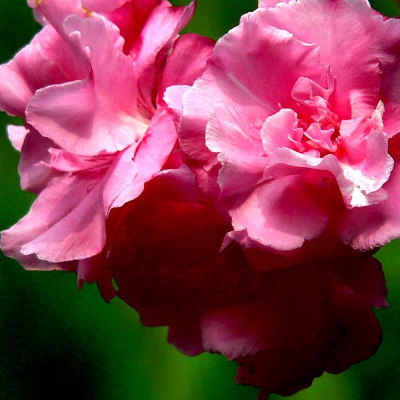
Is the scent of oleander poisonous:
The scent of oleander does no harm to the human body; oleander's toxin is mainly the oleandrin inside it, which exists in oleander's roots, stems, flowers and sap. Passing by an oleander plant and smelling its scent will not cause poisoning, so there is no need to worry excessively.
Will you die if you drink water soaked with oleander:
Drinking water soaked with oleander carries a risk of sudden death.
Oleander contains a substance called oleandrin, which has both positive and negative effects on the heart. After refinement it can be used as a medicine to treat heart disease, but if a healthy person consumes it by mistake it has the opposite effect and can cause sudden death.
The scent of oleander does no harm to the human body, but if you soak oleander in water and drink it, you must beware of sudden death.
What poisonous plants are there? Which plants are unsuitable for placing indoors
At present, people all like to place plants and flowers at home for decoration. Using plants to decorate a home is of course very nice, but we must also pay attention to choosing suitable plants so as to avoid the opposite effect. Many people do not know that among the many plants there are also some poisonous plants, or plants unsuitable for placing indoors, and we must pay attention to this. Below we share which plants are unsuitable for placing indoors.
What poisonous plants are there?
1. Gelsemium
Gelsemium is also known as heartbreak grass; I believe everyone has heard this name in many martial arts novels. Gelsemium belongs to the genus Gelsemium in the family Loganiaceae. Gelsemium looks very similar to the common honeysuckle, and some people often confuse the two, but in fact there is a big difference between them. Gelsemium is poisonous all over; after a person eats it, abdominal pain occurs, and if the pain is not stopped in time it can be fatal. Common treatment methods are gastric lavage and taking charcoal powder, etc.
2. Ranunculus
Ranunculus is also known as wild celery; it belongs to the genus Ranunculus in the family Ranunculaceae, and is mainly distributed in fields and along roadsides, making it a very common plant. Ranunculus contains very strong irritating components; if it comes into direct contact with the skin it causes blisters, and if accidentally eaten it causes poisoning, but not death.
3. Nux vomica
Nux vomica is also known as niuyin; it belongs to the genus Strychnos in the family Loganiaceae, and is mainly distributed in India, Vietnam and Yunnan, China, among other places. Nux vomica contains a very concentrated alkaline toxin; its poison can stimulate the central nervous system's functions, and taking too much causes muscle spasms and even death.
4. Aconite
Aconite is also known as the root of five poisons; it belongs to the genus Aconitum in the family Ranunculaceae. As for this one, I believe friends who have seen "Female Prime Minister" know of it. This kind of plant is distributed in most areas of our country. After taking it, it causes a disturbance of nervous activity throughout the body and irregular heartbeat, and leads to paralysis of the respiratory center or severe arrhythmia.
5. Poinsettia
Also known as laolaijiao, it belongs to the genus Euphorbia in the family Euphorbiaceae and is native to Mexico. Poinsettia is poisonous all over; too much contact causes the skin to become red, swollen and hot, and eating it causes intestinal reactions and poisoning.
6. Oleander
Oleander is also known as bannianhong; it belongs to the genus Nerium in the family Apocynaceae and is produced in Iran, India and other places. It is mostly transplanted as an ornamental courtyard plant. Its roots, leaves and bark are all poisonous; after poisoning there are symptoms such as loss of appetite, nausea and diarrhea, and in severe cases it causes palpitations and atrioventricular block, with nervous system symptoms of salivation, dizziness, etc., and may then lead to lethargy, convulsions and death.
7. Datura
Datura is also known as yangjinhua; it belongs to the genus Datura in the family Solanaceae and is mainly distributed in tropical and subtropical regions. After poisoning there are symptoms such as rapid pulse and convulsions, and then coma and respiratory and circulatory failure leading to death.
8. Wolf's bane
Wolf's bane is also known as dawnflower and heartbreak grass; it belongs to the genus Stellera in the family Thymelaeaceae and is mainly distributed in the northwest region of our country. After poisoning there are symptoms of abdominal pain and diarrhea, and it can also cause miscarriage in pregnant women.
9. Foxglove
Foxglove is also known as jinzhonghua; it belongs to the genus Digitalis in the family Scrophulariaceae and is native to Europe. It has the effect of improving blood circulation and promoting urination, but when using it attention must be paid to the dosage, because its therapeutic dose is very close to its toxic dose.
10. Antiaris
Antiaris is also known as the arrow poison tree; it belongs to the genus Antiaris in the family Moraceae and is mainly distributed in tropical monsoon forest and rainforest areas. Its milky sap is extremely poisonous. If it accidentally gets into the eyes it causes blindness, and if it enters the blood it causes cardiac paralysis.
Plants unsuitable for placing indoors:
1. Mimosa: also known as ganyingcao, hehucao, paichoucao, zhixiucao;
Harm indoors:
(1) Plants differ from animals: they have no nervous system and no muscles, and they do not perceive external stimuli. But the mimosa is different from ordinary plants: when touched by the outside world, its leaf stalks droop and its small leaflets close. This action is understood by people as "shyness," hence the name "mimosa."
(2) It is best not to keep mimosa indoors, because this plant contains a trace amount of toxicity. The mimosine in the mimosa plant is a toxic substance; too much contact with this toxin causes sparse eyebrows and hair to turn yellow or even fall out. Mimosine also harms human skin, so do not poke mimosa with your fingers.
2. Oleander: also known as liuyetao, bannianhong; it is an evergreen large shrub of the genus Nerium in the family Apocynaceae.
Harm indoors:
(1) The floral scent of oleander can make people drowsy and reduce intelligence. Contact with the sap it secretes also easily causes poisoning. Therefore, oleander should not be placed indoors.
(2) The whole oleander plant is poisonous and contains a variety of cardiac glycosides, which are highly toxic substances and extremely harmful to the human respiratory system and digestive system. After poisoning there is nausea, vomiting and diarrhea, which can be fatal. When used as medicine in decoction or ground into powder, it must be used with caution.
3. Poinsettia: also known as xiangyahong, laolaijiao, Christmas flower, xingxingmu; it is a deciduous shrub of the genus Euphorbia in the family Euphorbiaceae.
Harm indoors:
Poinsettia is a flower with both color and shape, but flower experts believe it absolutely must not be placed indoors, because poinsettia releases toxic substances harmful to the human body. The white sap secreted in the stems and leaves of poinsettia is also poisonous; once it touches the skin it causes allergic symptoms, ranging from redness and swelling in mild cases to ulceration in severe cases. Eating the stems and leaves by mistake causes vomiting and abdominal pain, and there is also a risk of death from poisoning. Therefore, poinsettia is best not kept indoors.
4. Night-blooming jessamine: also known as yexianghua; it is a perennial twining vine of the genus Cestrum in the family Apocynaceae.
Harm indoors:
(1) At night, after stopping photosynthesis, night-blooming jessamine releases a large amount of waste gas. This waste gas smells very fragrant, but it is harmful to human health; staying in this gas for a long time causes dizziness and chest tightness.
(2) The floral scent of night-blooming jessamine is intense, and when it blooms it releases substances such as alkaloids. It is especially unsuitable to place this flower indoors for people with high blood pressure or heart disease, because the fragrance of night-blooming jessamine is mixed with a large amount of particles that strongly stimulate the sense of smell, and breathing them in produces a feeling of stuffiness and discomfort, thereby triggering a relapse of the illness.
(3) If it is kept indoors for a long time, it causes dizziness, coughing, and even asthma and insomnia.
5. Dieffenbachia: also known as kaijianhou, dongbudiacoa, etc.; it is an evergreen herbaceous plant of the genus Dieffenbachia in the family Araceae.
Harm indoors:
Dieffenbachia is listed as a poisonous plant in the Chinese plant atlas database.
(1) Dieffenbachia contains toxic enzymes; the sap of its stems and leaves strongly irritates human skin, and if a baby accidentally bites it, it causes sore throat and even vocal cord paralysis and loss of voice.
(2) Dieffenbachia contains oxalic acid and asparagine. The sap of its branches and leaves is highly toxic, and once it touches the skin it causes unbearable itching. Its other fruits are even more toxic; eating them by mistake causes swelling and pain of the mouth and throat and even damages the vocal cords, so some people call dieffenbachia "dumb cane." Eating it by mistake can also endanger life.
6. Alocasia: also known as dishui lian; it is a plant of the genus Alocasia in the family Araceae.
Harm indoors:
(1) Everyone is reminded that the white sap in the stem of Alocasia is poisonous, and the water it drips is also poisonous. Accidentally touching or eating its sap causes discomfort of the throat and mouth and a burning pain in the stomach. Skin contact with its sap also causes itching or a strong stinging sensation, and eye contact with its sap can cause severe conjunctivitis and even blindness.
(2) Eating its stems and leaves by mistake causes nausea and pain, and in severe cases also suffocation, leading to cardiac paralysis and death.
7. Redbud: also known as red flower redbud, foreign redbud, red flower camel's foot; it is an evergreen medium-sized deciduous tree of the family Fabaceae.
Harm indoors:
The pollen of redbud is allergenic. If a person comes into contact with the pollen it releases for too long, it triggers asthma or worsens coughing symptoms. Therefore, people with asthma must never grow this flower indoors.
8. Narcissus: also known as yulinglong, jinyintai, narcissus flower, nüshihua, tiancong, yasuan; it is a perennial herbaceous plant of the genus Narcissus in the family Amaryllidaceae.
Harm indoors:
(1) Narcissus is beautiful and elegant, but its head (bulb) contains lycorine, which is a toxic substance. The flowers, stems and leaves of narcissus are all poisonous. After poisoning there is vomiting and abdominal pain.
(2) The overpowering fragrance of narcissus also makes a person's nervous system feel unwell; over a long time, especially breathing in its fragrance during sleep, a person becomes dizzy.
Although narcissus is beautiful, beauty does not mean health; keeping it indoors requires caution.
9. Datura flower: also known as datura, manda, manzha, shanqiezi; it is an annual poisonous herbaceous plant of the genus Datura in the family Solanaceae.
Harm indoors:
The datura flower is like a "hidden killer"; never keep it indoors.
(1) The whole datura plant is poisonous, with the fruit and especially the seeds being the most toxic, followed by the young leaves. The toxicity of dried leaves is less than that of fresh leaves. The flowers have a narcotic and sour property.
(2) Because its flower sap can stimulate the nerve center, swallowing it produces an excitatory effect and may cause hallucinations.
(3) If datura flower is eaten by mistake, an overdose can cause the nerve center to become overexcited and then suddenly switch to inhibition, making the body's functions drop sharply, and in severe cases leading to death.
10. Yellow-flowered rhododendron: it is a plant of the genus Rhododendron in the family Ericaceae.
Harm indoors:
The flowers of yellow-flowered rhododendron contain toxins, so it is best not to touch or smell them. Once eaten by mistake, in mild cases there is poisoning with symptoms such as vomiting, difficulty breathing and numbness of the limbs, and in severe cases it causes shock, seriously harming human health.
11. Elderberry: also known as gongdaolao, qianqianhuo, lanjiepu; it is a deciduous shrub or small tree of the genus Sambucus in the family Caprifoliaceae.
Harm indoors:
The scent released by elderberry causes symptoms such as nausea, dizziness, vomiting, difficulty breathing and convulsions, and in severe cases may lead to death. Therefore, do not place elderberry indoors for viewing.
12. Pine and cypress bonsai: an order of the class Coniferopsida in the division Coniferophyta, generally trees, with a few shrub-like.
Harm indoors:
The fragrant scent of pine and cypress plants easily causes allergic reactions in people, and also has an irritating effect on the human stomach and intestines. If smelled for too long, it not only affects appetite but also makes people feel restless, nauseated and dizzy. Therefore, people who like pine and cypress bonsai should pay attention: if you must grow them, you can place them on a balcony or in a place with less human activity.
13. Lantana: also known as mayingdan, choucao; it is an erect or semi-vine small shrub of the family Verbenaceae.
Harm indoors:
Lantana is not suitable for indoor cultivation, because its flowers and leaves are both poisonous, and eating them by mistake causes diarrhea and fever.
The above are the poisonous plants and the plants unsuitable for placing indoors that we have shared with you; we hope everyone will pay attention.
More informationChildren should not touch these 13 poisonous plants casually~
Which poisonous plants do we need to watch out for? Actually, as long as you do not eat the plants by mistake, basically there is no problem. The other thing to note is not to casually touch the sap of plants, and if you accidentally touch it, remember to wash and disinfect it!
Children should not touch these 13 poisonous plants casually~
1. Red bird cactus
Poisonous part of the variegated red bird cactus flower: sapPoisoning symptoms: contains white toxic milky sap; do not eat it, and do not let it touch human mucous membranes.
Children should not touch these 13 poisonous plants casually~
2. Euphorbia nivulia
Poisonous part of Euphorbia nivulia: sap
Poisoning symptoms: its sap causes dermatitis and blisters on contact with the skin; if the sap gets into the eyes it can cause blindness, and eating it by mistake causes severe diarrhea, or irritates the oral mucosa leading to vomiting, coma, dizziness, etc.
Children should not touch these 13 poisonous plants casually~
3. Wisteria
Poisonous part of wisteria: the whole plant is toxic (the flowers are slightly toxic)
Poisoning symptoms: once eaten by mistake, it causes nausea, vomiting, abdominal cramps and diarrhea. (The flowers are slightly toxic or non-toxic)
Treatment method: corresponding treatment should be used, such as intravenous drip and taking anti-nausea medication, etc.
Children should not touch these 13 poisonous plants casually~
4. Betel nut
The fruit of betel nut (especially for sensitive people).
Poisoning symptoms: eating too much betel nut makes some people drool, vomit, urinate excessively, become lethargic and have convulsions.
Children should not touch these 13 poisonous plants casually~
5. Belladonna
Its poisonous parts: leaves, fruit and roots. When it grows to 1 m tall, its toxicity is strongest. Its leaves are dark green, and its flowers are purple and bell-shaped. The berries are sweet and juicy, but they must never be eaten.
Poisoning symptoms: eating belladonna dilates the pupils, makes one sensitive to light, causes blurred vision, headache, confusion and convulsions. The amount of two berries can kill a child, and 10 to 20 berries will kill an adult.
Children should not touch these 13 poisonous plants casually~
6. Lilac
Poisonous part of lilac: scent
Poisoning symptoms: after smelling the overly strong fragrance released by lilac for a long time, it causes asthma and restlessness in people, and makes patients with high blood pressure and heart disease dizzy.
Children should not touch these 13 poisonous plants casually~
7. Rhododendron
Poisonous part of rhododendron: the leaves are toxic, and nectar brewed from rhododendron pollen is also toxic (it must not be eaten by mistake).
Poisoning symptoms: after eating it by mistake, one feels a burning sensation in the mouth, and then possible symptoms include increasingly obvious salivation, nausea, vomiting and a stinging sensation on the skin.
Children should not touch these 13 poisonous plants casually~
8. Black Alocasia
Poisonous part of Alocasia: the whole plant is poisonous, with the stem being the most toxic.
Poisoning symptoms: skin contact with the sap causes itching; contact of the eyes with the sap leads to blindness; accidentally eating the stem or leaves causes itching, swelling, and salivation of the tongue and throat; burning pain in the stomach and intestines, nausea, vomiting, diarrhea, sweating, convulsions, and in severe cases suffocation and death from cardiac paralysis.
Kids, don't touch these 13 poisonous plants~
9. Hyacinth
Poisonous part of hyacinth: the bulb is toxic
Poisoning symptoms: if eaten by mistake, it causes dizziness, stomach cramps, diarrhea and other symptoms, so be sure to strictly prevent children or animals from eating it by mistake.
Kids, don't touch these 13 poisonous plants~
10. Lily of the valley
The whole plant of lily of the valley is poisonous, with the stem being the most toxic; the sap must not come into direct contact with the skin, and it must certainly not be eaten by mistake.Poisoning symptoms: when its sap contacts the skin it causes itching; swallowing a small piece of the stem causes extreme stinging of the mouth and throat, and leads to vocal cord paralysis, affecting swallowing and breathing.
Kids, don't touch these 13 poisonous plants~
11. Lily of the valley flower
The whole plant of lily of the valley is poisonous (it must not be eaten by mistake), especially the leaves, and the water in which the fresh flowers are kept can also be toxic.
Poisoning symptoms: facial flushing, tension and irritability, headache, hallucinations, erythema, dilated pupils, vomiting, stomach pain, nausea, slowed heartbeat, heart failure, coma.
Kids, don't touch these 13 poisonous plants~
12. Tulip flower
The poisonous part of the tulip is the floral scent.
Poisoning symptoms: the flower contains toxic alkaloids; if humans and animals stay in a bed of these flowers for 2~3 hours, they will feel dizzy and muddled and show symptoms of poisoning (a few flowers in a well-ventilated environment have little effect).
PS: Tulips have a special trait: most cut flowers stop growing after being cut, but tulips will still grow in a vase.
Kids, don't touch these 13 poisonous plants~
13. Oleander
Poisonous part of oleander: the whole plant, with the highest concentration of toxins in the sap.
Poisoning symptoms: it can cause numbness on the skin. The toxicity of oleander still remains after it dries out, and the smoke produced by burning oleander is also highly toxic.
The toxicity manifests as nausea, vomiting, loss of appetite, abdominal pain, and diarrhea; a small number of cases develop arrhythmia.