How do you grow snake plants so they fill their pot, and can they be placed in the bedroom?
Snake plant, this is something many people like to grow, it grows super vigorously, and it is also fairly easy to care for. What is the method for growing snake plants so they fill their pot? Can snake plants be placed in the bedroom:
The method for growing snake plants so they fill their pot:
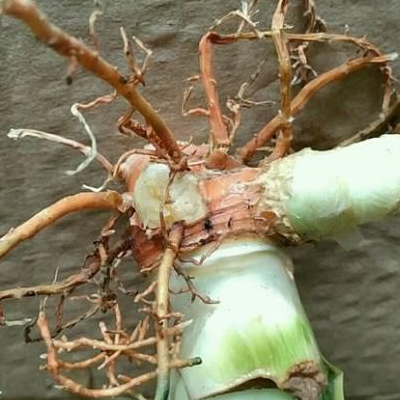
Snake plants are generally propagated by division, because propagation by leaf cuttings grows especially slowly. After some snake plants with golden edges are propagated by leaf cuttings, the young plants that grow out have no golden edges, while young plants from division can inherit the golden edges.
In spring and autumn, you can dig up the snake plant and cut off some side shoots together with their roots; transplanting them with roots makes it very easy for them to survive.
If a friend bought a snake plant online and its roots have withered, cut off the withered roots, then insert it directly into slightly moist soil, place it in a ventilated, shaded spot for care, keep the soil slightly moist, and avoid harsh sun.
Keep the snake plant's growing environment warm, water thoroughly when the potting soil is completely dry, and add an appropriate slow-release organic fertilizer under the potting soil when potting up, and this will greatly promote the growth of the snake plant.
Snake plants can tolerate long periods without watering, but this is not good for root growth. In addition, be careful to keep the environment warm year-round, keeping the minimum care temperature above 5°C to avoid cold damage.
Choose loose, fertile, well-drained sandy soil for the soil, avoid using heavy clay soil. You can add 2~3 equal parts of river sand to the soil, which will greatly increase drainage and also ensure air and water permeability.
If you want snake plants to bloom, besides keeping the potting soil watered thoroughly only when completely dry, adding organic fertilizer to the potting soil, and keeping the environment warm, you should also be careful to give appropriate scattered light, avoid frequent watering, and avoid the soil being constantly wet; only then can you encourage snake plants to bloom.
Snake plants are indeed very shade-tolerant, but having appropriate light allows snake plant leaves to grow thicker and firmer, so the leaves are less likely to droop.
When a snake plant grows too tall, its leaves tend to grow loosely. At this time you can tie the lower part of the stems with string, not too tightly, which can make the snake plant's leaves grow more compactly.
Can snake plants be placed in the bedroom:
Snake plants can be placed directly in the bedroom for care.
Growing snake plants in the bedroom not only purifies the indoor environment but also brings you more oxygen, keeping indoor air clean and healthy. The stomata on the leaves of the golden-edged snake plant close during the day and open at night to release negative ions. In a 15 sq m room, 2~3 pots of snake plants can absorb more than 80% of harmful gases, ensuring the environmental quality in the bedroom and protecting your health.
That is all for the method of growing them so they fill their pot; they can be grown in the bedroom.
Snake plant pictures Snake plant care methods
✿Related reading recommendations
✿ Red spider lily pictures
✿ Golden-edged serissa ✿ Do cacti have leaves (◕‿◕✿) For flowers and bonsai, plant care, please follow the Meilele flowers and bonsai section!
.....
Snake plant leaves are firm and upright, with grayish-white and dark green tiger-tail-like horizontal banded markings on the leaf surface, a resolute posture, strange and interesting. It has many varieties, and plant shape and leaf color vary greatly, exquisite and unique. Today the editor will introduce the care methods for snake plants, and take everyone to enjoy snake plant pictures.
.....
While enjoying snake plant pictures, let us learn about its planting methods. Snake plant is a perennial evergreen herbaceous plant of the Liliaceae family, easy to cultivate, fairly drought-tolerant, with strong adaptability to the environment. It is a common excellent indoor potted foliage plant, suitable for decorating studies, living rooms, and other places. It is commonly propagated by division and cuttings. First take the whole plant out of the pot, remove the old growing medium, expose the rhizome, and then cut it along its direction into several plants, with 2~3 plants per pot. This method can raise seedlings all year round, but spring and summer are best, and it can be done in spring together with repotting.
.....
.....
Appreciating snake plant pictures, snake plants are generally placed in shade or semi-shade, but they also quite like sunlight; only when the light is too strong will the leaf color darken and turn white. They like warm temperatures. Their suitable temperature is 18~27°C, and below 13°C they stop growing. In winter the temperature also must not stay below 10°C for long, otherwise the base of the plant will rot, causing the whole plant to die.
.....
.....
Snake plant pictures: watering snake plants should be moderate, not too wet. Snake plant is a desert plant and can withstand harsh environments and long drought conditions. If watered too frequently, the leaves turn white and the color of the markings also fades. From spring to autumn it grows vigorously and should be watered thoroughly. During the winter dormant period, watering should be controlled, the soil kept dry, and when watering avoid pouring into the leaf rosette. When using plastic pots or other decorative flower pots with poor drainage, be sure to avoid water accumulation, so as not to cause rot and make the leaves below fold over.
.....
.....
Snake plant pictures: snake plants should not be fertilized excessively. During the peak growth period, fertilizer can be applied 1~2 times a month, in small amounts. If only nitrogen fertilizer is applied for a long time, the markings on the leaves will become dull, so a compound fertilizer is generally used. You can also evenly bury 3 holes of cooked soybeans in the soil at the edge of the pot, 7~10 beans per hole, being careful not to let them touch the roots. Stop fertilizing from November to March of the following year. It is not demanding about soil and can grow normally even in a very small volume of soil; it likes loose sandy soil and humus soil, and is tolerant of drought and poor soil. It grows very robustly, and even when it fills the pot it does not inhibit its growth. Generally repot once every two years, in spring, and standard compost can be used when repotting.
.....
.....
The mechanism by which plants absorb formaldehyde is that formaldehyde molecules can combine with proteins in the plant body. Therefore, formaldehyde is somewhat toxic to plants. Although plants cannot absorb formaldehyde, some plants sensitive to formaldehyde, such as bougainvillea and red woodsorrel, can show toxic effects when low concentrations of formaldehyde are present, and can be used as environmental indicator plants.
.....
The snake plant is a tenacious plant, widely cultivated and used. It is a common indoor potted foliage plant, suitable for decorating studies, living rooms, bedrooms, and other places, and can be enjoyed for a long time. Today the editor's introduction to snake plant care methods ends here. Thank you everyone for accompanying the editor in enjoying snake plant pictures.
Is the snake plant toxic_Can snake plants be placed in the bedroom_Snake plant benefits
Is the snake plant toxic? Can it be placed in the bedroom? Many friends are quite concerned about this, after all, snake plants are grown indoors. Next, Xiao Qi will tell everyone whether snake plants are toxic, whether they can be placed in the bedroom, and the benefits of snake plants.
Is the snake plant toxic
1. Q: Is the snake plant toxic
A: The snake plant is not toxic. Placing a snake plant in the home not only has an ornamental effect, but can also absorb harmful substances such as formaldehyde indoors, reducing the harm to family members. Especially in newly renovated houses, or after newly purchased furniture, the effect is more obvious.
2. Q: Is the snake plant's flower toxic
A: The snake plant does no real harm to people and helps improve the indoor environment, but its flowers are not well understood; it is rarely heard that snake plants bloom, though the flower's smell is not great. Regardless of whether it is harmful or not, it just does not smell good. You should still put it on the balcony during the flowering period, and move it back indoors after the flowering period ends.
Summary: The snake plant is not toxic. While absorbing carbon dioxide, the snake plant can also release oxygen, increasing the concentration of negative ions in indoor air. The snake plant is a natural scavenger, and research shows that snake plants can absorb more than 80% of harmful gases indoors.
Can snake plants be placed in the bedroom
Placing a snake plant in the home not only has an ornamental effect, but can also absorb harmful substances such as formaldehyde indoors, reducing the harm to family members. Especially in newly renovated houses, or after newly purchased furniture, the effect is more obvious. Everyone is advised to place more green plants indoors to alleviate the harm of positive ions to the human body and promote the regulation of human health by negative ions. Based on surveys comparing the amount of negative ions produced by various plants, botanists found that placing snake plants indoors is most suitable, because the amount of negative ions it produces is more than 30 times that of other plants! It is truly an "expert" at producing negative ions, and it can also effectively absorb carbon dioxide at night and remove harmful gases such as toluene from the air. Growing snake plants not only purifies the indoor environment but also brings you more oxygen, keeping indoor air clean and healthy.
Summary: Placed in the bedroom, the snake plant not only has an ornamental effect but can also play so many roles; it is truly a great choice for home potted plants.
The benefits of snake plants
1. Ornamental value
The snake plant is a plant with very high ornamental value, mostly placed indoors by people as a decorative ornamental plant. Snake plant leaves are firm, with bright colors and full of vitality, suitable for growing in the home. In recent years short-leaf varieties are more loved by people, while long-leaf types are more suitable for decorating conference venues and halls. Although the snake plant may look ordinary, not as outstanding and beautiful as peonies or carnations, it can give people a feeling of tenacity, and we can make full use of it to match home decor.
2. Accenting the home
Placing plants in the living room is very common, and it should be noted that living room plants are mainly used to decorate furniture, using plants at varying heights to coordinate the monotony of straight lines in the home; first of all, focus on decorative beauty, and the number should not be too many. So small snake plants should be placed on the coffee table, while large pots can be placed beside the sofa or in front of a floor-to-ceiling window, making people feel very harmonious and lively. If a pot of elegant snake plant is placed in a corner of the living room, it will also make your living room appear more simple and unadorned.
3. Purifying the air
As for the role of snake plants in the home environment, many people have heard of it; together with spider plants, Monstera deliciosa, and golden barrel cactus, it is one of four plants with super strong air-purifying ability.
4. Medicinal value
The snake plant also has high medicinal value, and it has been recorded in many medical books. As a medicinal material, the snake plant can clear heat and detoxify, and treat conditions such as colds, coughs, bronchitis, and traumatic injuries.
5. Feng shui role
Regarding the feng shui role of snake plants, many people say snake plants have the feng shui effect of attracting wealth. This effect comes from research on the five elements of plants. If a potted snake plant is placed in the living room, and if the main door is in the south, and the south belongs to fire, then the wood-attribute snake plant is very suitable for growing in the living room, and it is said this can regulate family members' gastrointestinal health. Growing snake plants on the balcony can increase the family's wealth. In feng shui, the balcony is the place where the home draws in qi and breathes, so vigorous plants should be grown on the balcony, and the snake plant is a plant with tenacious vitality that can bring wealth to the home.
The above isIs the snake plant toxicand an introduction to the benefits of snake plants. Snake plants are not only non-toxic but can also absorb harmful indoor gases, making them a very good indoor potted plant.