How to Grow and Transplant Strawberries at Home
Strawberries, which are also a type of fruit, are something many people know about, and lots of people love them. So how do you grow strawberries at home? How do you transplant them:
How to grow strawberries at home:
I. Growing process
Step 1: Save the seeds
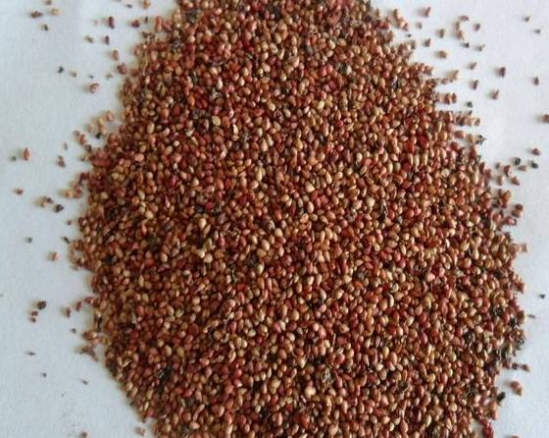
When eating strawberries, you can pick the strawberry seeds off with a toothpick, or buy ready-made strawberry seeds. To improve the seed germination rate, before sowing you can wrap the seeds in gauze, soak them wet for 24 hours, and give them cold treatment at 0°C to 3°C in the refrigerator for about 15 days to break seed dormancy, then sow.
Step 2: Sowing
Strawberry seeds are relatively small, so sowing must be done carefully. The simplest method is to fill a flower pot with sifted fine sandy loam mixed with some finer humus soil, and spray it thoroughly with water. Generally choose a ceramic pot, because ceramic pots have good permeability and drain easily.
Step 3: Emergence
Before sowing, first spray thoroughly with water and wet the seedling substrate completely. Those growing directly in pots can keep the soil level one cm below the rim of the pot, then scatter the seeds evenly. After broadcasting, cover with about 0.1 cm of sifted fine soil, or do not cover with soil at all, as long as your seedling substrate is soft enough. Cover the pot with plastic film and keep the soil moist. At a temperature of 25°C, seedlings will begin to emerge 15-25 days after sowing.
Step 4: Transplanting
After the seedlings grow for 3-4 months, they can be lifted and transplanted, with a plant-to-row spacing of 20-30 cm. Trim off the large leaves, plant at the depth shown in the picture above, and plant in soft soil. After planting, water thoroughly to settle the roots, place in a semi-shaded spot, and after a few days of recovering from transplanting, the strawberries will grow smoothly.
Step 5: Fruiting
Strawberries are the fastest-growing of all fruits. From the time the seeds are planted, they can bloom and bear fruit in 3-4 months.
II. Daily care
1. Light: Strawberries like plenty of light, preferably more than half a day of sunlight. Usually place them in a sunny and well-ventilated spot.
2. Fertilizing: Potted strawberries bloom and fruit multiple times a year, consuming a lot of nutrients, so nutrient supplementation should be strengthened. You can use animal hooves, fish bones, poultry innards, soybean cake, etc., add water and let them rot and ferment, making liquid fertilizer, or apply compound fertilizer as a top dressing. Generally apply fertilizer once a week.
3. Watering: Strawberries like moisture but fear waterlogging. Water when the surface soil is almost dry. You can use the soaking method: take the pot out when water seeps up to the soil surface.
4. Pruning: For potted strawberries, promptly remove excess runners, old leaves, and diseased leaves to reduce nutrient consumption. Only then can the fruiting quality of potted strawberries be improved.
5. Yellow leaves: Sometimes you may notice the plant has yellow leaves, but do not worry, just remove them. In winter you can keep the yellow leaves all along, until new leaves grow out the following spring, then remove the dead yellow leaves.
6. Shaping: You can use wire or bamboo skewers, etc., to make fruit racks of different shapes, place them in the flower pot and prop up the fruit clusters. This promotes ventilation and light penetration for the fruit clusters, allows the fruit to color evenly, and also prevents soil from contaminating the fruit and reduces pest and disease damage. You can also use the runners to create shapes according to bonsai art principles, improving their ornamental value.
That is all for the introduction on how to grow strawberries at home. Now you know how to transplant them, right!
How to Grow Strawberry Seeds, When Is the Transplanting Time
Many people quite like eating strawberries. Today I will share with everyone how to grow strawberry seeds and when the transplanting time is.
How to grow strawberry seeds:
I. Watering
During the seedling stage, flood irrigation is not suitable; sprinkler irrigation can be used to meet the water supply. After the seedlings grow 6 true leaves, small flood irrigation can be used to prevent silt from burying the seedlings.
II. Weeding
During the small seedling stage, weeds should be pulled out frequently and promptly. If you grow strawberries with weeds, do not expect them to grow well.
III. Thinning and filling in seedlings
Once the small seedlings grow 3-5 true leaves, they can be transplanted, thinning where dense and filling in where sparse.
IV. Top dressing
When the small seedlings grow 6 true leaves, the first top dressing can be done, preferably with water-soluble fertilizer or urea.
Those growing in courtyards generally use broadcasting, scattering fertilizer with the water; those growing in pots can dissolve urea in water to make a dilute fertilizer and spray it. For the first top dressing, the amount should be small. After that, apply fertilizer once every 20-30 days, and as the seedlings grow larger, the amount of fertilizer can be appropriately increased.
Precautions for growing strawberry seeds:
Strawberry seeds are relatively small, so sowing must be done carefully. It is best to use seedling soil plus a seedling tray, or seedling blocks plus a seedling box. Those who really do not have the conditions can fill a flower pot with sifted fine sandy loam mixed with some finer humus soil, and sow in the pot.
Before sowing, first spray thoroughly with water and wet the seedling substrate completely. Those growing directly in pots can keep the soil level one cm below the rim of the pot, then scatter the seeds evenly. After broadcasting, cover with about 0.1 cm of sifted fine soil, or do not cover with soil at all, as long as your seedling substrate is soft enough. Cover the pot with plastic film and keep the soil moist.
Strawberry transplanting time:
After the seedlings grow for 3-4 months, they can be lifted and transplanted, with a plant-to-row spacing of 20-30 cm. The transplanting time is preferably from late July to mid-August. They bear fruit the following spring.
That is all for the introduction on how to grow strawberry seeds and the transplanting time. Hurry up and fill your home with the fragrance of strawberries.
That is all for sharing how to grow strawberry seeds and when the transplanting time is. I hope this article is helpful to everyone, and good luck to you all.
How to Grow Strawberries, How to Grow Strawberries at Home, How to Cultivate Strawberries
Strawberry cultivation has a three-year cycle. In the first year you can harvest only very few strawberries, in the second year you will harvest a lot, but by the third year or after three years, strawberry yields will decline noticeably, and the plants need to be replaced. So arrange reasonably to cultivate new plants and ensure that every year some strawberries are second-year plants, which can achieve the greatest economic benefit.
When strawberries grow well, they produce a kind of runner, and at the end of the runner new small plants grow. When the small plant grows 3-4 leaves, you can cut it off and plant it in another flower pot, taking care to water it. It is best not to let first-year new plants bear strawberries, and only let them grow more leaves. So when you find that a one-year-old strawberry has bloomed, remove the flowers. At the same time, do not forget to hang a small tag on the plant with the planting date of the new plant written on it, so you do not forget later. Remove other excess runners from the new plant. If the strawberries are planted in the yard in the ground, also pay attention to weeding. When watering, be careful not to get the strawberries wet, because once strawberries are splashed wet with water, they rot easily.
Once strawberries begin to fruit and turn red, be careful not to let birds peck at them, because birds easily notice red things. Put a net over the strawberries, or cover the strawberries with a wooden basket. But if you have a greenhouse at home, you can move the strawberries into the greenhouse, which is even better. Strawberries also bear fruit more easily. After the strawberry fruiting period is over, you can move them out of the greenhouse and place them outdoors to overwinter. In a way, if the strawberry plants experience some frost, it is better for increasing yields the following year.
Strawberries are very easy plants to cultivate and can be transplanted. Sometimes you may notice the plant has yellow leaves, but do not worry, just remove them. In winter, you can keep the yellow leaves all along, until new leaves grow out the following spring, then remove the dead yellow leaves, and pay attention to watering, weeding, and pest control.
You can also plant strawberries in a plant bag, but be sure to water evenly, and prevent birds from pecking the strawberries and prevent pests. The soil in a plant bag dries out easily, so it needs to be checked often to keep the soil moist.
★If planting only a small amount, try not to use pesticides. You can spray with a large amount of water-diluted dish detergent; you can also place some muskmelon rind, beer, etc. nearby to lure away snails and other soft-bodied crawling pests.
The key to growing strawberries is that the soil must be fertile, sunlight must be sufficient, and water must be adequate. The pests to watch out for are cockroaches and snails (especially the damned cockroaches).
Generally, field soil can be used directly for planting
For coal ash, add some discarded vegetable leaves, fruit cores, etc., then put it in a bag, and after fermenting for more than 2 weeks it can be used (coal ash is alkaline and will kill plants if used directly; it is best to treat soil taken from the field the same way, to kill pests)
Then you can plant. Also note that strawberries like fertilizer, and the planting soil should be replaced with new soil about once a year; it can also be fermented and used as described above.
Before planting, when planting to keep them alive, pay attention to shading and pay attention to water. For careful lifting, transporting, and transplanting, it is best to choose overcast and rainy days, lifting, transporting, and planting as you go. Before lifting and transporting, control fertilizer and water, and dry the seedlings at the right time.
Post-planting management: choose an overcast and rainy day or a clear evening to plant. Within 2-3 days after planting, water lightly once or twice each morning and evening, then change to watering once every 2-3 days. Those transplanted on clear days need artificial shading. After planting, dry the seedlings for 4-5 days, remove the shed after 7-8 days, and water promptly after the seedlings recover. Apply 7.5 kg of urea per mu. When the temperature drops to minus 4-5°C, cover promptly with straw, with a thickness of 10-20 cm.
Alright, that is all from the editor. The rest is up to everyone to understand gradually. Good luck to you all. Please pay more attention to Duorou Huapu, thank you!