Differences Between Anthurium andraeanum Pink, Red and White Varieties and How to Fix Root Rot
Pink anthurium is very well suited to growing at home, with evergreen leaves and beautiful flowers. What are the differences between pink anthurium, red anthurium and white anthurium? What to do about root rot:
What are the differences between pink anthurium, red anthurium and white anthurium:
1. Difference in shape
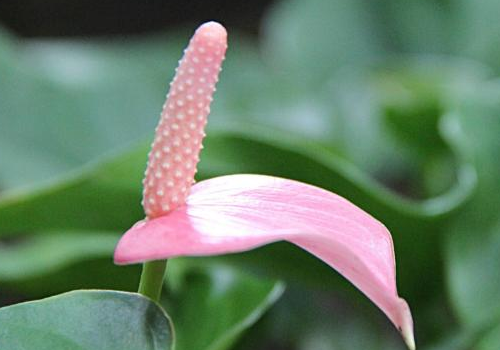
Shape of pink anthurium: the leaves emerge from the rhizome, have long petioles, are solitary, oblong-cordate or ovate, deep bright green, and glossy.
Shape of white anthurium: the spathe only wraps around half of the spadix.
Shape of red anthurium: the spathe is in a vertical position
2. Difference in symbolism
Symbolism of pink anthurium: yearning for love.
Symbolism of white anthurium: smooth sailing.
Symbolism of red anthurium: great prospects, kindred hearts, and good fortune.
3. Difference in petals
Petals of pink anthurium: the spadix is stalkless, cylindrical, upright, and tilts slightly outward. The flowers are bisexual, and the perianth has four lobes.
Petals of red anthurium: the thickness is far greater than that of white anthurium petals.
Petals of white anthurium: somewhat like calla lily, and also very similar to the spathe of Aglaonema modestum.
What to do about root rot in pink anthurium:
1. Transition between soil and water
If the pink anthurium was previously grown in soil, when converting it to water culture be sure to remember to wash the roots clean, and do not use too much water; it is enough for the roots to be only half or 2/3 immersed in water, otherwise root rot happens very easily.
Before new roots have grown out, change the water frequently, and promptly remove any rotten roots as soon as you see them. In normal care, also pay attention to changing the water often. In hot weather, change it about once every 20 days; in cold weather, once every month and a half is fine.
2. Water source problems
Do not use freshly drawn tap water directly; let it sit for two days to release the chlorine before using it. You can also buy some nutrient solution specially made for water culture. When watering, if you see the water has become cloudy, be sure to change it again to keep the water clean.
In addition, water temperature is also very important. When the temperature is above 30 degrees, the saturated dissolved oxygen in the water decreases and cannot reach the critical value needed by pink anthurium, so root rot occurs. Therefore, control the water temperature well.
Now you can tell pink anthurium, white anthurium and red anthurium apart, right?
What Are the Differences Between Pink Anthurium, Red Anthurium and White Anthurium? How to Grow Pink Anthurium and Precautions
Pink anthurium is a perennial evergreen herbaceous flower, mainly pink in color, with a long flowering period and a tall plant, and it has high ornamental value. The most obvious difference between it and red anthurium and white anthurium is the color. Many flower lovers who do not know much about them mistakenly think the three are the same species, just with different colors. In fact, if you observe them carefully, you will still find many differences.
What are the differences between pink anthurium, red anthurium and white anthurium
1. Difference in shape
Shape of pink anthurium: the leaves emerge from the rhizome, have long petioles, are solitary, oblong-cordate or ovate, deep bright green, and glossy.
Shape of white anthurium: the spathe only wraps around half of the spadix.
Shape of red anthurium: the spathe is in a vertical position.
2. Difference in symbolism
Symbolism of pink anthurium: yearning for love.
Symbolism of white anthurium: smooth sailing.
Symbolism of red anthurium: great prospects, kindred hearts, and good fortune.
3. Difference in petals
Petals of pink anthurium: the spadix is stalkless, cylindrical, upright, and tilts slightly outward. The flowers are bisexual, and the perianth has four lobes.
Petals of red anthurium: the thickness is far greater than that of white anthurium petals.
Petals of white anthurium: somewhat like calla lily, and also very similar to the spathe of Aglaonema modestum.
How to Grow Pink Anthurium and Precautions
I. How to grow pink anthurium
1. Light
Pink anthurium likes shade, so during care it is best placed in a shaded spot, but this does not mean it should see no light at all. If it is kept completely away from light, the plant will lose its gloss. So just provide appropriate shading in the sun; in winter the light is not strong, so no shading is needed and it can safely bask in the sunlight.
2. Temperature
Pink anthurium likes a warm environment, and fears both high heat and cold. The most suitable temperature for its growth is 19-25°C. When summer temperatures are too high, pay attention: generally when the temperature is above 25 degrees, ventilate promptly to disperse the high heat; when the temperature is above 32 degrees, growth may stop. In winter, when the temperature is low, pay attention to frost protection. When the temperature is below 13 degrees, it enters dormancy, and it can be moved indoors or wrapped in a plastic bag.
3. Soil
It is best to choose loose, breathable, well-drained fertile soil. You can use peat soil or leaf mold mixed with perlite to make a nutrient soil, and you can also add a certain amount of base fertilizer to ensure the soil's nutrients.
4. Watering
Pink anthurium likes moisture and fears drought, so keeping the potting soil moist is very important, and the water is best slightly acidic. In summer the water requirement is relatively large, so watering once every one to two days is fine, but do not let water accumulate; long-term soaking in water easily causes root rot. When the weather is too dry, you can spray some water on the leaves. In winter, reduce watering.
5. Fertilizing
When the soil is fertile and nutrients are sufficient, the plant naturally grows well, so during the growing period appropriate fertilizing can be done. Generally, fertilizing in the morning and evening gives a better effect. Fertilizers can be liquid fertilizer, nitrogen fertilizer, phosphorus fertilizer, potassium fertilizer, and so on.
II. Precautions for growing pink anthurium
1. Flower pot selection
Choose according to the size of the plant; it must not be too large, otherwise after the soil absorbs water it will dry very slowly, affecting root growth.
2. Potting soil replacement
Repotting must be done promptly so that it does not affect the normal growth of the plant. Be careful when repotting and do not damage the roots.
3. Watering management
Never allow water to accumulate; just keep the soil moist. Do not water on winter nights, because the temperature at night is much lower than during the day, and this can easily freeze and injure the roots and stems.
4. Pest and disease problems
Leaf blight is a fairly common disease. You can spray fungicides such as junjuning and mancozeb once a month. Termites. Aphids are fairly common pests. When there are not many of them, you can remove them with a brush, a writing brush, and so on, but do not damage the leaves.
Is pink anthurium toxic?
Pink anthurium is toxic. The flowers of pink anthurium have mild toxicity, but note that they must not be eaten, and do not touch it casually.
So pink anthurium is toxic; the toxicity of pink anthurium is mainly in the sap in the stem. When pruning pink anthurium, sap will flow out, and that is toxic, so be careful not to touch the sap. If you do touch it, be sure to wash it off with water immediately.
Pink Anthurium Overview
1. Other names
Pink champion, flamingo flower, Anthurium
2. Growth habits
Pink anthurium is a perennial evergreen herbaceous flower, native to the tropical rainforests of Colombia in South America, where the environment is hot and humid and the soil is rich in humus, which is the basis for the growth of pink anthurium.
Pink anthurium is suited to growing at a temperature of around 25 degrees. To ensure its healthy growth, the temperature should not be too high or too low. Pink anthurium has low light requirements and cannot be exposed to full light; it only needs weak light cultivation.
3. Flower language
It represents a passionate and sincere heart, and also contains a yearning for beautiful love.
From the introduction above, you probably now understand pink anthurium better, right? In addition, special attention should be paid to the fact that pink anthurium is somewhat toxic. During cultivation, it must never be eaten, and do not touch it casually. If it is placed indoors, pay more attention to young children.
Is Pink Anthurium Toxic? Can Pink Anthurium Be Placed in an Indoor Bedroom?
Speaking of pink anthurium, although it is not as common as red anthurium and white anthurium, the pink color of pink anthurium looks especially warm, elegant and soft, and many people prefer to grow the refreshing pink anthurium. However, although pink anthurium looks warm, quite a few people believe it has a certain toxicity and that it is best not placed indoors. So is this claim actually correct?
Is pink anthurium toxic?
The flowers of pink anthurium have mild toxicity, but note that they must not be eaten, and do not touch it casually.
So pink anthurium is toxic; the toxicity of pink anthurium is mainly in the sap in the stem. When pruning pink anthurium, sap will flow out, and that is toxic, so be careful not to touch the sap. If you do touch it, be sure to wash it off with water immediately.
Can pink anthurium be placed in an indoor bedroom?
Because it is toxic, and it is unsafe when there are young children at home, it is best to grow pink anthurium outdoors. However, it can also be kept indoors, as long as it is placed somewhere children cannot reach, such as a balcony.
Moreover, pink anthurium can help you absorb benzene and trichloroethylene from the air and purify the air.
Basic requirements for growing pink anthurium
1. Light
Pink anthurium likes shade, so during care it is best placed in a shaded spot, but this does not mean it should see no light at all. If it is kept completely away from light, the plant will lose its gloss. So just provide appropriate shading in the sun; in winter the light is not strong, so no shading is needed and it can safely bask in the sunlight.
2. Temperature
Pink anthurium likes a warm environment, and fears both high heat and cold. The most suitable temperature for its growth is 19-25°C. When summer temperatures are too high, pay attention: generally when the temperature is above 25 degrees, ventilate promptly to disperse the high heat; when the temperature is above 32 degrees, growth may stop. In winter, when the temperature is low, pay attention to frost protection. When the temperature is below 13 degrees, it enters dormancy, and it can be moved indoors or wrapped in a plastic bag.
3. Soil
It is best to choose loose, breathable, well-drained fertile soil. You can use peat soil or leaf mold mixed with perlite to make a nutrient soil, and you can also add a certain amount of base fertilizer to ensure the soil's nutrients.
4. Watering
Pink anthurium likes moisture and fears drought, so keeping the potting soil moist is very important, and the water is best slightly acidic. In summer the water requirement is relatively large, so watering once every one to two days is fine, but do not let water accumulate; long-term soaking in water easily causes root rot. When the weather is too dry, you can spray some water on the leaves. In winter, reduce watering.
5. Fertilizing
When the soil is fertile and nutrients are sufficient, the plant naturally grows well, so during the growing period appropriate fertilizing can be done. Generally, fertilizing in the morning and evening gives a better effect. Fertilizers can be liquid fertilizer, nitrogen fertilizer, phosphorus fertilizer, potassium fertilizer, and so on.
Growth habits of pink anthurium
1. Temperature: the most suitable growth temperature for pink anthurium is 20-28°C, and the maximum temperature should not exceed 35°C. If the temperature is too high, growth will be poor. The minimum temperature is 14°C, and below 10°C there is always the possibility of cold damage.
2. Humidity: the most suitable relative air humidity for pink anthurium is 70-80%, and it should not be lower than 50%. When humidity is low, the leaf surface and spathes become rough, the gloss is poor, and the ornamental value is low.
3. Light: the most suitable light intensity for pink anthurium is 10000-20000 Lux. It must never be exposed to full light at any time, and winter is no exception. All year round it is suitable for cultivation under appropriately shaded weak light. Strong light will scorch the leaves and affect the normal growth of the plant.
As described above, pink anthurium looks harmless, but it actually has mild toxicity. It is mainly the sap that contains toxins, so it is best not to place it indoors or anywhere children can reach. Although this level of toxin has no effect on adults, children have weaker resistance, so it is best not to let them touch it.