Is Araucaria suitable for growing indoors? Detailed guide to care precautions
Araucaria is not only commonly planted in parks and courtyards, but is also very popular as a potted plant. Is Araucaria suitable for growing indoors? Care precautions:
Is Araucaria suitable for growing indoors:
Araucaria is also a precious indoor potted decorative tree species, used to accent and decorate hall environments, looking very elegant. Small-sized Araucaria, when potted, is suitable for accenting and decorating the corridors, living rooms, studies, etc. of ordinary homes, looking very elegant, and can also be used to decorate various forms of banquet halls and exhibition halls.
Araucaria can be grown in a home bedroom. It has a beautiful tree shape and high ornamental value, and like other green plants, it can also absorb floating dust and waste gases from the air, playing a certain role in purifying the air. It can absorb carbon dioxide from the air, regulate indoor air humidity, and is a powerful “humidifier”. It also releases oxygen through photosynthesis, and there is no need to worry about it competing with humans for oxygen.
However, because Araucaria is relatively tall in size, it is generally not recommended for bedroom cultivation. It is best placed in relatively open places such as a study or living room.
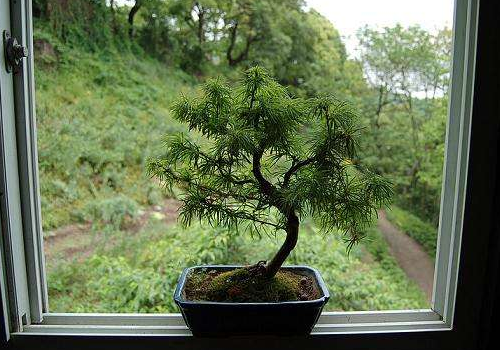
Care precautions for Araucaria:
1. Repot young trees frequently. Young Araucaria trees are best repotted once a year or every other year in spring, and plants over five years old are best repotted and the soil turned once every two or three years.
2. Maintain environmental humidity. Araucaria is not drought-tolerant, so during hot and dry seasons, frequently spray water and mist on the leaves and surroundings to increase air humidity and keep the soil moist. Never let the potting soil become too dry or too wet, as this easily causes the lower leaves to droop and soften.
3. Apply fertilizer frequently. Potted Araucaria should be grown in a mix of leaf mold, peat soil, clean river sand, and a small amount of decomposed organic fertilizer. When new buds emerge in spring, apply 1—2 times a month of decomposed dilute organic liquid fertilizer and calcium fertilizer to keep the leaves glossy in color.
Araucaria is suitable for growing indoors.
These good feng shui plants are most suitable for the home
Many people nowadays like to grow plants to decorate their homes. But which plants are good for feng shui at home? Below is an introduction to which plants are good for feng shui at home and which plants are bad for feng shui. Let's take a look!
I. Which plants are good for feng shui at home
Which plants are best to grow at home and the feng shui placement of plants
1. Placing plants indoors is not out of the question, but some varieties are not suitable for the home. For example, thorny or needle-like plants such as azaleas, roses, and cacti are not suitable, otherwise they will affect the health of family members.
2. You can choose plants with lush branches and leaves to place in the home, with agarwood green as the preferred color, and those with flowers are also acceptable. Varieties include violet, lucky bamboo, pothos, etc. These plants can make family members full of energy and vigorous at work. But they must be cared for carefully; do not think that just placing them will bring benefits. If you find withered flower branches, cut them off as soon as possible.
Generally speaking, if there are plants indoors, the most important thing is that they grow vigorously upward, while downward growth and yellowing are taboo. This is because plants in a house are related to the house's "qi" in feng shui, and this "qi" should be flourishing. Therefore, plants should be green, healthy, and growing upward to be greatly auspicious.
3. Generally speaking, plants with a single hard stem, such as lucky bamboo and bamboo, are more suitable. Yellowed plants and downward-creeping vines are not suitable for indoor cultivation.
II. Which plants are good for feng shui at home
1. Plants placed in the living room
Living room: Suitable varieties for the living room include lucky bamboo, bromeliads, Buddhist pine, Schefflera, money tree, money plant, fortune tree, clivia, orchids, cyclamen, kumquat, etc. These flowers imply good fortune and the gathering of wealth and prosperity.
Placing some fruit-bearing plants in the living room can symbolize an abundant harvest and plentiful fruits for the family; they are plants that can enhance the good luck of the whole family. At the same time, fruit-bearing plants can also enhance the family's vitality, for example strengthening the relationship between husband and wife and the harmony among family members, making the whole family harmonious. They are a good choice. However, such fruit-bearing plants must be carefully tended to avoid fruit dropping, wilting, or rotting due to poor care, and they should be replaced promptly.
2. Plants placed in the bedroom
For many single men and women, boosting their romance luck symbolizing love is something many people hope for, and placing fresh flowers in the bedroom can improve one's romantic relationship luck. Because fresh flowers are plants full of vitality and beauty, placing them in the bedroom naturally gives people a relaxed and happy mood, and one's relationship luck will also improve accordingly. Therefore, friends who long for romance and love can place fresh flowers in the bedroom to boost their relationship luck.
3. Plants placed in the entryway
After entering the main door of a house, what comes into view is the entryway area of the whole home. In feng shui, the entryway is also called the "inner bright hall," symbolizing the future development potential of family members. Therefore, the entryway is closely related to the family's career and wealth luck. If a pot of vibrant plants can be placed at the position beside the entrance door or at the entryway, it is beneficial for gathering the wealth of family members. After placing it, replenish water promptly to prevent the plant from withering due to lack of water, which would be counterproductive and unfavorable for gathering wealth. Watering at least once a week can make wealth luck flourish day by day.
4. Plants placed at the romance position
For friends born in the years of the Rat, Dragon, and Monkey, the romance position is due west; for friends born in the years of the Ox, Snake, and Rooster, the romance position is due south; for friends born in the years of the Tiger, Horse, and Dog, the romance position is due east; for friends born in the years of the Rabbit, Goat, and Pig, the romance position is due north. Placing plants in these positions can enhance one's love luck.
5. Large-leaf and thick-leaf plants can promote vitality and wealth
This type of plant should usually be placed at the home's wealth position or the current year's wealth position to achieve the purpose of promoting wealth.
6. Placing vines and spiky plants is unfavorable for relationships
When placing plants, under normal circumstances it is not advisable to place plants with sharp thorns, such as cacti, cactus balls, aloe, pine bonsai, etc. Placing these spiky and thorny plants in the living room or bedroom of a home can also affect the relationships among family members, for example making couples prone to quarrels and discord, and parents and children prone to generation gaps. Avoid placing spiky plants in the home. However, in feng shui, such spiky plants can also sometimes serve to dissolve the negative energy of surrounding buildings. For example, if from the living room window you see the sharp corner of an opposite building pointing toward your home, you can place a cactus ball on the living room balcony to dissolve it.
III. Are there particular feng shui rules for placing plants at home, and which plants are good to grow
1. The feng shui of the living room is related to family harmony and the cultivation of interpersonal connections, and ultimately affects the family's fortune and prospects. Usually medium and small potted plants or flower arrangements are mainly used; avoid choosing large potted plants, so as not to easily attract mosquitoes and create a sense of pressure. For special festival activities, temporary arrangements can be made. Families busy with work on ordinary days can choose green foliage plants to relieve stress, and on holidays and leisure days they can switch to more colorful flowers and leaves for decoration.
Foliage plants must be placed in the living room. If the plants look withered, it indicates insufficient energy in the home. It is best to place at least one 1.8 m foliage plant in the living room, and at least 3 small potted plants.
2. When arranging plants, the first consideration should be decorative beauty, and the number should not be too many, otherwise it will not only be messy but also lead to poor growth. When choosing plants, pay attention to combining medium and small ones. In addition, they should be placed against corners so as not to hinder people's movement.
3. Pay attention to the placement of plants so as not to hinder family activities or appear chaotic. Large potted plants, such as Brazil wood, false betel nut, dragon tree, Araucaria, sago palm, rubber tree, etc., can be placed at the living room entrance, in hall corners, or beside stairs; small foliage plants, such as Philodendron, Dieffenbachia, Caladium, etc., can be placed on coffee tables or low cabinets; medium foliage plants, such as bamboo palm, agave, Monstera, and hanging plants, as well as false aralia, ivy, and spiderwort, etc., can be placed on table cabinets or at corner sofas.
4. In addition, the arrangement of the living room's wealth position is also very important. With wealth, all things go smoothly; a lush bonsai paired with the wealth position can make fortune even better. Bonsai flowers and leaves must be round and large; needle-like types and azaleas are taboo. Plants such as the money tree and lucky bamboo are especially best, because such plants symbolize the owner's positive, optimistic, and enterprising attitude toward life, and the height of the vase is best at more than half the height of the house. If the vase is not tall enough, it can be raised with a stand, so that as soon as one enters the door, this scenery can be captured just right, which can be described as a feast for the eyes. Since plants are outdoor things and belong to yin, only by tying a red ribbon or pasting red paper on the plant or pot to turn yin into yang are they suitable for placement in the living room. (Reposted from Qilei's BLOG (*^__^*))
[Home Feng Shui] - Plants can also hold up a piece of the sky
Many people nowadays like to grow plants to decorate their homes. But which plants are good for feng shui at home? Below is an introduction to which plants are good for feng shui at home and which plants are bad for feng shui. Let's take a look!Which plants are good for feng shui at home
Which plants are best to grow at home and the feng shui placement of plants. Placing plants indoors is not out of the question, but some varieties are not suitable for the home. For example, thorny or needle-like plants such as azaleas, roses, and cacti are not suitable, otherwise they will affect the health of family members. You can choose plants with lush branches and leaves to place in the home, with agarwood green as the preferred color, and those with flowers are also acceptable. Varieties include violet, lucky bamboo, pothos, etc. These plants can make family members full of energy and vigorous at work. But they must be cared for carefully; do not think that just placing them will bring benefits. If you find withered flower branches, cut them off as soon as possible. Generally speaking, if there are plants indoors, the most important thing is that they grow vigorously upward, while downward growth and yellowing are taboo. This is because plants in a house are related to the house's "qi" in feng shui, and this "qi" should be flourishing. Therefore, plants should be green, healthy, and growing upward to be greatly auspicious. Generally speaking, plants with a single hard stem, such as lucky bamboo and bamboo, are more suitable. Yellowed plants and downward-creeping vines are not suitable for indoor cultivation.
Which plants are good for feng shui at home 1. Plants placed in the living room. Living room: Suitable varieties for the living room include lucky bamboo, bromeliads, Buddhist pine, Schefflera, money tree, money plant, fortune tree, clivia, orchids, cyclamen, kumquat, etc. These flowers imply good fortune and the gathering of wealth and prosperity. Placing some fruit-bearing plants in the living room can symbolize an abundant harvest and plentiful fruits for the family; they are plants that can enhance the good luck of the whole family. At the same time, fruit-bearing plants can also enhance the family's vitality, for example strengthening the relationship between husband and wife and the harmony among family members, making the whole family harmonious. They are a good choice. However, such fruit-bearing plants must be carefully tended to avoid fruit dropping, wilting, or rotting due to poor care, and they should be replaced promptly. 2. Plants placed in the bedroom. For many single men and women, boosting their romance luck symbolizing love is something many people hope for, and placing fresh flowers in the bedroom can improve one's romantic relationship luck. Because fresh flowers are plants full of vitality and beauty, placing them in the bedroom naturally gives people a relaxed and happy mood, and one's relationship luck will also improve accordingly. Therefore, friends who long for romance and love can place fresh flowers in the bedroom to boost their relationship luck. 3. Plants placed in the entryway. After entering the main door of a house, what comes into view is the entryway area of the whole home. In feng shui, the entryway is also called the "inner bright hall," symbolizing the future development potential of family members. Therefore, the entryway is closely related to the family's career and wealth luck. If a pot of vibrant plants can be placed at the position beside the entrance door or at the entryway, it is beneficial for gathering the wealth of family members. After placing it, replenish water promptly to prevent the plant from withering due to lack of water, which would be counterproductive and unfavorable for gathering wealth. Watering at least once a week can make wealth luck flourish day by day. 4. Plants placed at the romance position. For friends born in the years of the Rat, Dragon, and Monkey, the romance position is due west; for friends born in the years of the Ox, Snake, and Rooster, the romance position is due south; for friends born in the years of the Tiger, Horse, and Dog, the romance position is due east; for friends born in the years of the Rabbit, Goat, and Pig, the romance position is due north. Placing plants in these positions can enhance one's love luck. 5. Large-leaf and thick-leaf plants can promote vitality and wealth. This type of plant should usually be placed at the home's wealth position or the current year's wealth position to achieve the purpose of promoting wealth. 6. Placing vines and spiky plants is unfavorable for relationships. When placing plants, under normal circumstances it is not advisable to place plants with sharp thorns, such as cacti, cactus balls, aloe, pine bonsai, etc. Placing these spiky and thorny plants in the living room or bedroom of a home can also affect the relationships among family members, for example making couples prone to quarrels and discord, and parents and children prone to generation gaps. Avoid placing spiky plants in the home. However, in feng shui, such spiky plants can also sometimes serve to dissolve the negative energy of surrounding buildings. For example, if from the living room window you see the sharp corner of an opposite building pointing toward your home, you can place a cactus ball on the living room balcony to dissolve it.
Are there particular feng shui rules for placing plants at home, and which plants are good to grow? The feng shui of the living room is related to family harmony and the cultivation of interpersonal connections, and ultimately affects the family's fortune and prospects. Usually medium and small potted plants or flower arrangements are mainly used; avoid choosing large potted plants, so as not to easily attract mosquitoes and create a sense of pressure. For special festival activities, temporary arrangements can be made. Families busy with work on ordinary days can choose green foliage plants to relieve stress, and on holidays and leisure days they can switch to more colorful flowers and leaves for decoration. Foliage plants must be placed in the living room. If the plants look withered, it indicates insufficient energy in the home. It is best to place at least one 1.8 m foliage plant in the living room, and at least 3 small potted plants. When arranging plants, the first consideration should be decorative beauty, and the number should not be too many, otherwise it will not only be messy but also lead to poor growth. When choosing plants, pay attention to combining medium and small ones. In addition, they should be placed against corners so as not to hinder people's movement. Pay attention to the placement of plants so as not to hinder family activities or appear chaotic. Large potted plants, such as Brazil wood, false betel nut, dragon tree, Araucaria, sago palm, rubber tree, etc., can be placed at the living room entrance, in hall corners, or beside stairs; small foliage plants, such as Philodendron, Dieffenbachia, Caladium, etc., can be placed on coffee tables or low cabinets; medium foliage plants, such as bamboo palm, agave, Monstera, and hanging plants, as well as false aralia, ivy, and spiderwort, etc., can be placed on table cabinets or at corner sofas. In addition, the arrangement of the living room's wealth position is also very important. With wealth, all things go smoothly; a lush bonsai paired with the wealth position can make fortune even better. Bonsai flowers and leaves must be round and large; needle-like types and azaleas are taboo. Plants such as the money tree and lucky bamboo are especially best, because such plants symbolize the owner's positive, optimistic, and enterprising attitude toward life, and the height of the vase is best at more than half the height of the house. If the vase is not tall enough, it can be raised with a stand, so that as soon as one enters the door, this scenery can be captured just right, which can be described as a feast for the eyes. Since plants are outdoor things and belong to yin, only by tying a red ribbon or pasting red paper on the plant or pot to turn yin into yang are they suitable for placement in the living room.