Cultivation methods and care tips for Achimenes
This plant has upright, hairy green or red stems, and the dark green leaves also have a hairy texture. The flowers are pink, purple, or yellow, with a hairy white flower throat. The flowering period is from June to October, and it is very suitable for growing in indoor flower boxes.
Microclimate 1: warm, sunny.
Size: Achimenes can grow up to 45 cm, and small plants can be purchased on the market in spring.
Fertilizing: During the flowering period, water in with liquid phosphoric acid fertilizer at 1/8 concentration.
Repotting: Every spring, repot using equal parts peat moss, coarse sand or perlite, and vermiculite. Mature plants must be divided every spring.
Note: Do not water in winter.
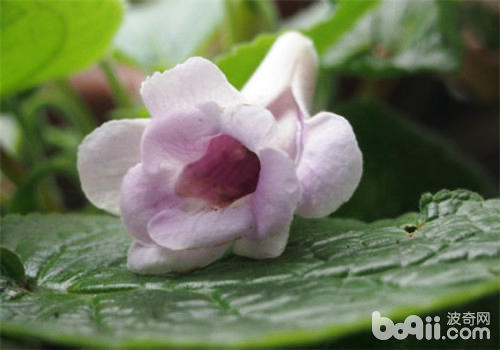
Achimenes
For those generally planted from rhizomes, when the weather warms up in April to May and the rhizomes begin to sprout, plant the rhizomes upright or parallel to the soil surface, covering with about 1.5 cm of soil. The growing medium needs good drainage; cultivation soil mixed with perlite and vermiculite can be used. The growing location needs bright indirect light; mature plants can tolerate direct light, and it is only necessary to avoid intense sunlight. If you want the plant to grow more densely (especially hanging basket varieties), you can pinch off the tips when new shoots emerge from the soil surface and grow the 2nd or 3rd pair of leaves, encouraging more new shoots to grow. The suitable growing temperature is about 15-21°C at night, and the daytime temperature is higher than 21°C.
During the growing period, do not let the plant lack water, otherwise it will promote early dormancy, and the underground rhizomes will not be able to form. After autumn begins, the plant will stop flowering, and the branches and leaves will slowly wither and enter a dormant period. At this time, reduce watering to promote rhizome development and avoid excess water causing the rhizomes to rot. When the aboveground parts have all withered, the rhizomes can be dug out, stored in a transparent plastic bag, and a little slightly moist vermiculite added to maintain moisture, then placed in a cool place, and taken out for planting after the rhizomes sprout in spring; the rhizomes can also be left in the original pot, but it needs to be moved to a cool, rain-sheltered place, and the potting soil only needs to remain slightly moist, do not water frequently.